

10 Sleek Minimalist Living Room Ideas to Upgrade Your Interior
Minimalism is rarely about having empty white boxes with a single lonely houseplant. At Furnish Luxe, when we renovate urban apartments and suburban living rooms, we treat minimalism as an edited, intentional design choice. A sleek minimalist living room balances clean architectural lines with tactile warmth so your space still feels like a home. Whether you are working with a compact footprint or an open-concept layout, these eight targeted styling strategies will help you strip away the visual noise.
For more stylish living room inspiration, explore our 10 Stunning Side Table Decor Living Room Ideas for a Fresh New Look to create beautiful, balanced spaces with thoughtful accents.
Choose a Low-Profile Modular Sofa to Open Up Sightlines
One of the fastest ways to modernize a cramped living room is to swap out a bulky, traditional couch for a low-profile modular sofa. In our recent downtown condo project, dropping the back height of the seating instantly made the nine-foot ceilings feel much taller. Low furniture keeps your sightlines completely open from the entryway to the windows, maximizing the illusion of floor space. Look for clean track arms and high-density foam cushions that won’t sag over time. If you have pets or children, choose performance linen or heavy-duty textured boucle in a soft oatmeal shade. Avoid overly tufted or heavy wooden-frame sofas, as they reintroduce traditional clutter and break the continuous horizontal flow essential to minimalist rooms.
Actionable tip: If you are renting and cannot replace your current couch, remove any heavy throw pillows and bulky armrest covers, then drape a single, unstructured neutral linen throw over one corner to visually soften the silhouette.
Incorporate Fluted Wood Wall Panels for Subtle Architectural Texture
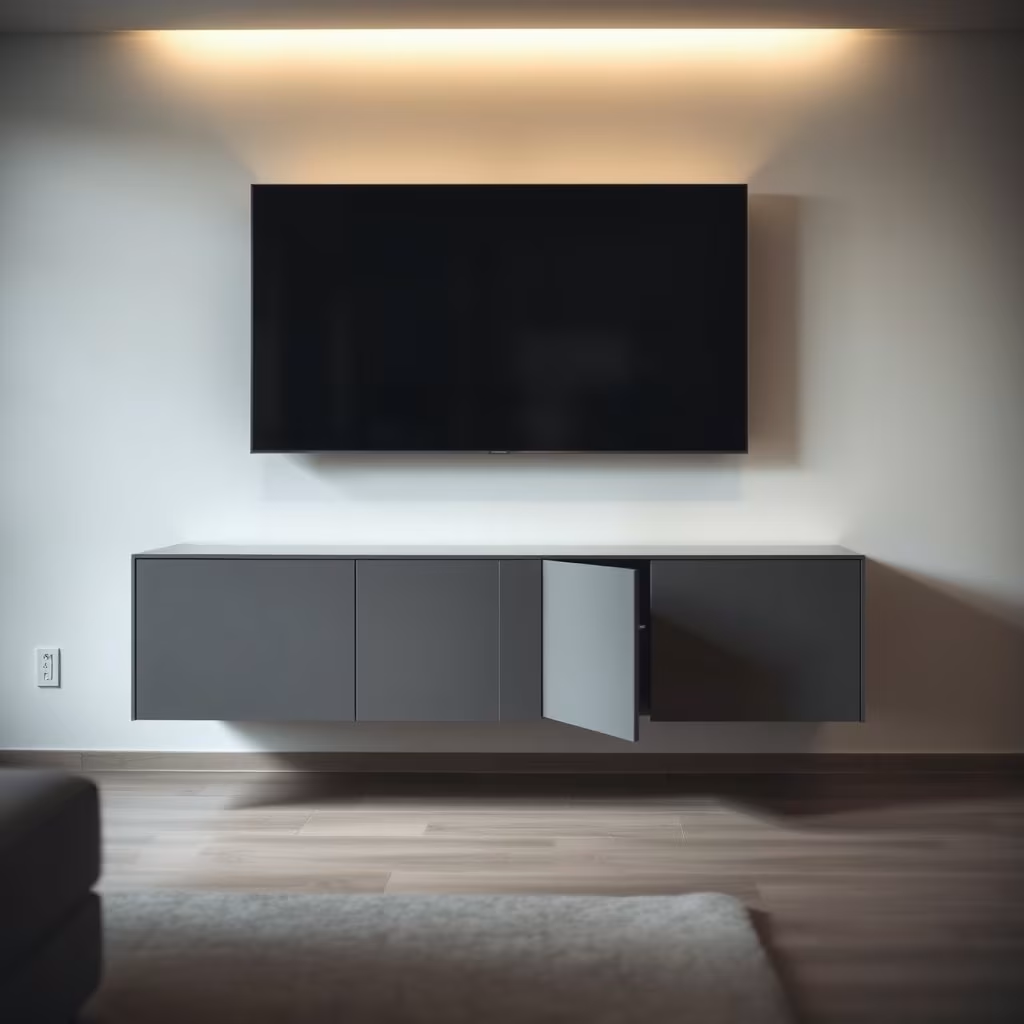
Minimalism can quickly veer into cold sterility if every single surface is completely smooth and flat. To counter this, we frequently install vertical fluted wood wall panels behind the main seating area or around a media console. The repetitive linear grooves catch the ambient light throughout the day, adding depth without adding physical clutter to the room. Oak, walnut, and ash veneers work wonders depending on your existing flooring tones. Pair these warm wood elements with matte black hardware or polished concrete accents to ground the space. Be mindful that dark walnut slats can occasionally absorb too much light in north-facing rooms, so opt for bleached oak if your natural lighting is limited.
Actionable tip: Skip the expensive contractor route by purchasing peel-and-stick or interlocking wood slat panels online—they can be cut with a standard hand saw and mounted directly onto drywall.
Select Concealed Media Storage to Eliminate Visual Clutter
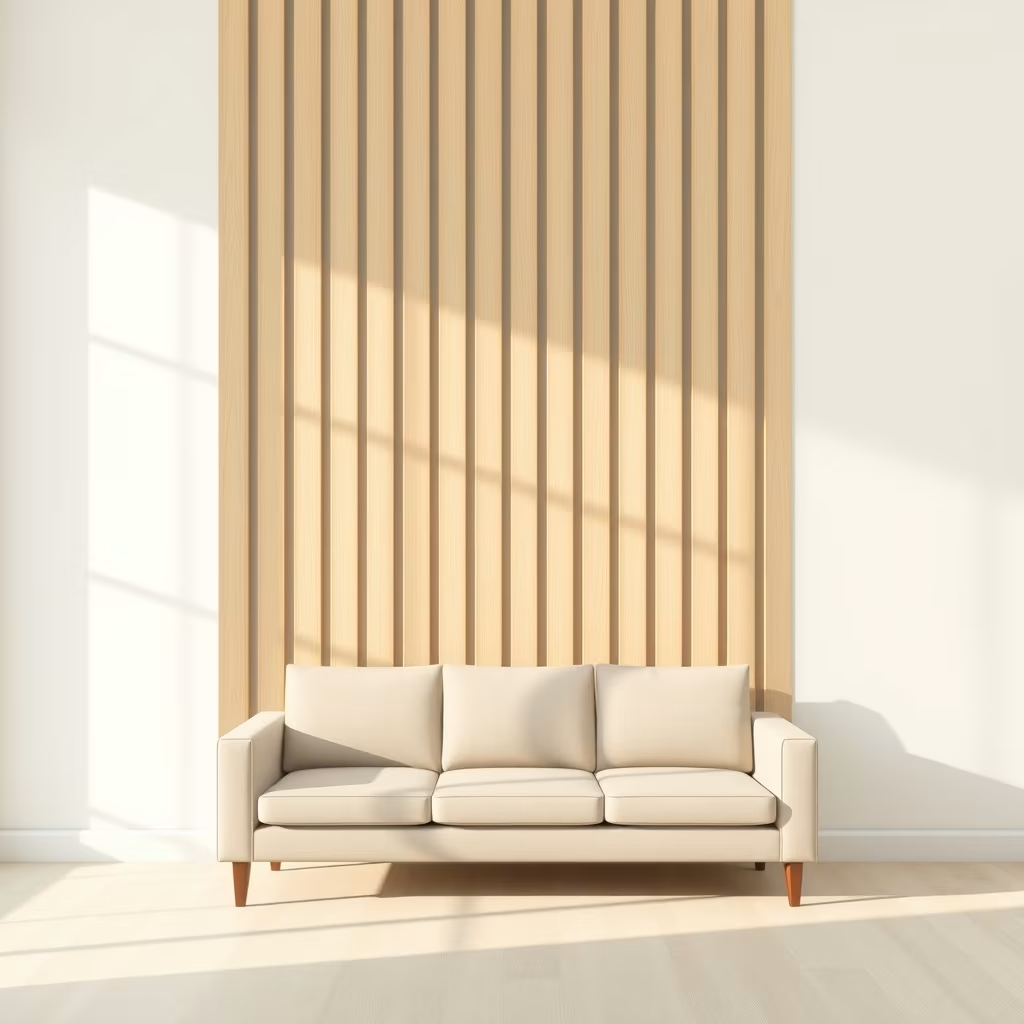
Visible cords, routers, and cable boxes are the ultimate enemies of a sleek interior. When designing a minimalist media wall, we rely entirely on wall-mounted floating credenzas with push-to-open doors. This design choice keeps the floor entirely clear beneath the console, making rug cleaning effortless and giving the room a weightless quality. Choose a matte lacquer or a grain-matched wood finish that matches your interior trim. Inside the cabinet, install a small surge protector and use zip-ties to bundle excess cords. Remember to avoid glass-front media cabinets unless you plan to keep the interior completely empty, as visible remotes and gaming consoles destroy the clean look.
Actionable tip: Drill a small, discrete hole in the back panel of your lower console for ventilation, and use infrared repeater stickers so you can operate your hidden electronics with the cabinet doors completely closed.
Anchor the Space With a Monochromatic Wool and Silk Blend Rug
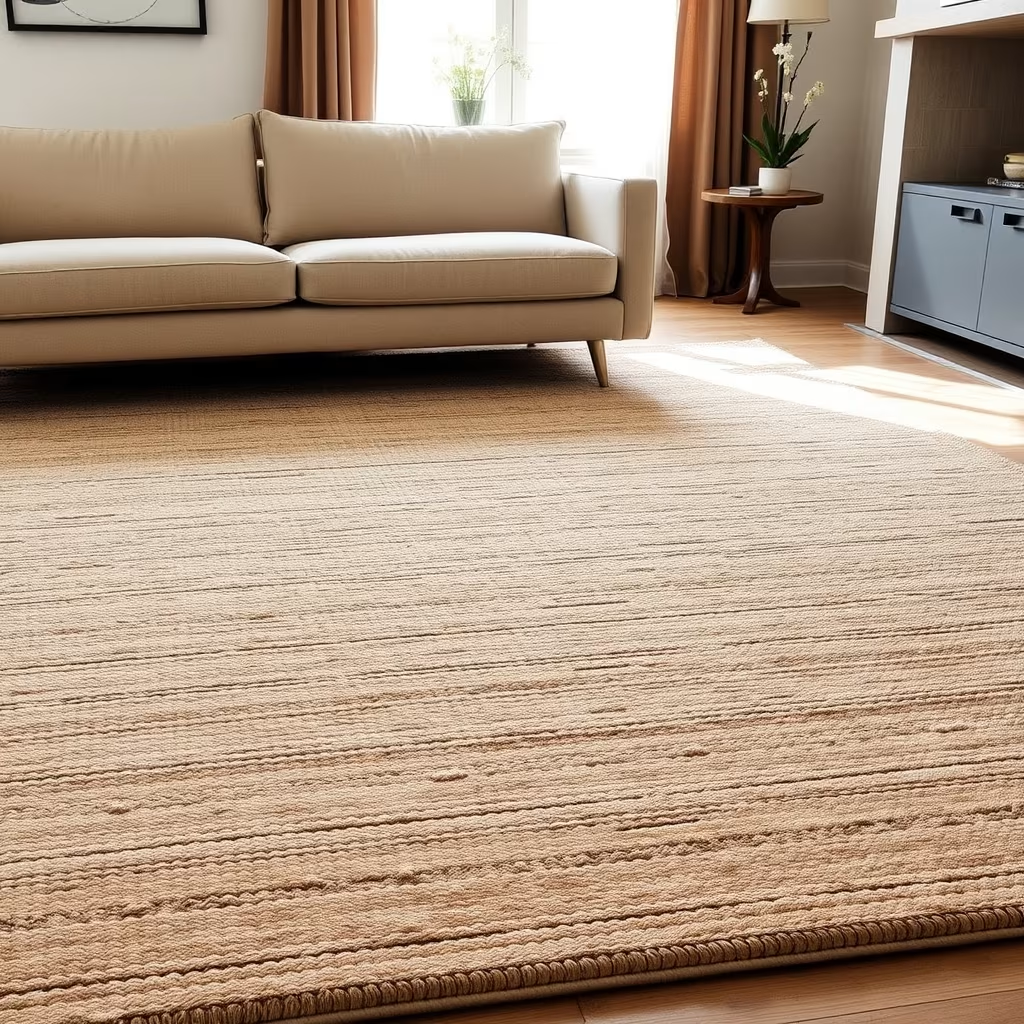
Layering multiple patterned rugs will overwhelm a minimalist living room very quickly. Instead, anchor your seating layout with a monochromatic textured rug made from a durable wool and silk blend. The combination of matte wool loops and subtle silk highlights catches natural light in a very sophisticated way as you walk past. Stick to a neutral palette like warm taupe, charcoal, or bone white. Ensure your rug is large enough so that at least the front legs of your sofa and accent chairs sit comfortably on top. Avoid synthetic shag rugs, which trap dust easily and look dated under modern track lighting.
Actionable tip: Buy a high-density felt rug pad underneath your wool rug to create a plush, high-end feel underfoot without having to purchase an excessively thick and expensive luxury carpet.
Utilize Recessed LED Strip Lighting for Seamless Architectural Glow
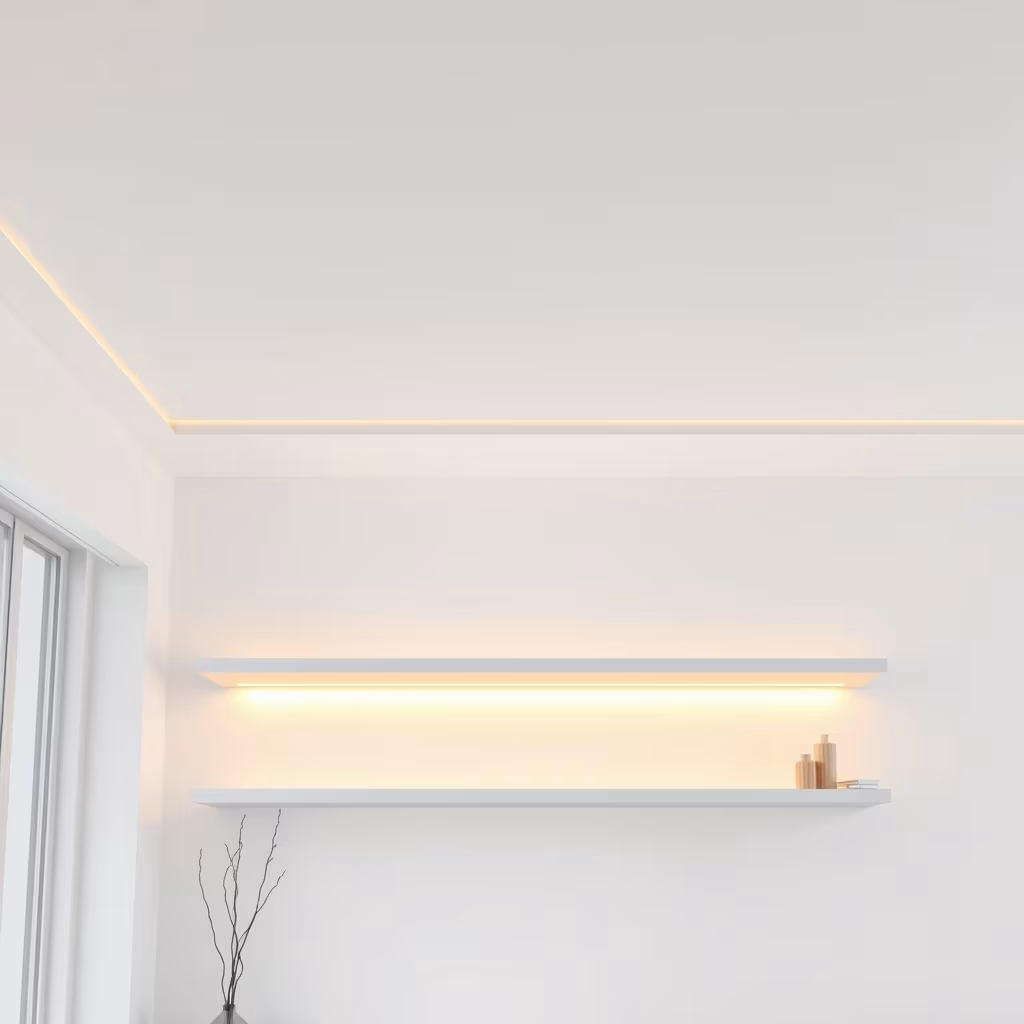
Traditional table lamps and bulky floor lamps take up precious surface area and introduce extra cords into your minimalist living room. We love integrating recessed LED strip lighting inside crown molding, underneath floating shelves, or along the baseboards to create a soft perimeter glow. This indirect illumination bounces light off your walls, making the room feel larger and more serene in the evening. Opt for dimmable warm white LEDs set around 2700K to maintain a cozy residential atmosphere rather than a clinical office look. Avoid harsh, exposed Edison bulbs or multi-arm chandeliers, which compete with the clean architectural lines of your furniture.
Actionable tip: Connect your LED strip lights to a smart home dimmer switch so you can program automated lighting scenes that transition smoothly from bright daytime task lighting to an amber evening glow.
Introduce a Single Statement Travertine or Concrete Coffee Table
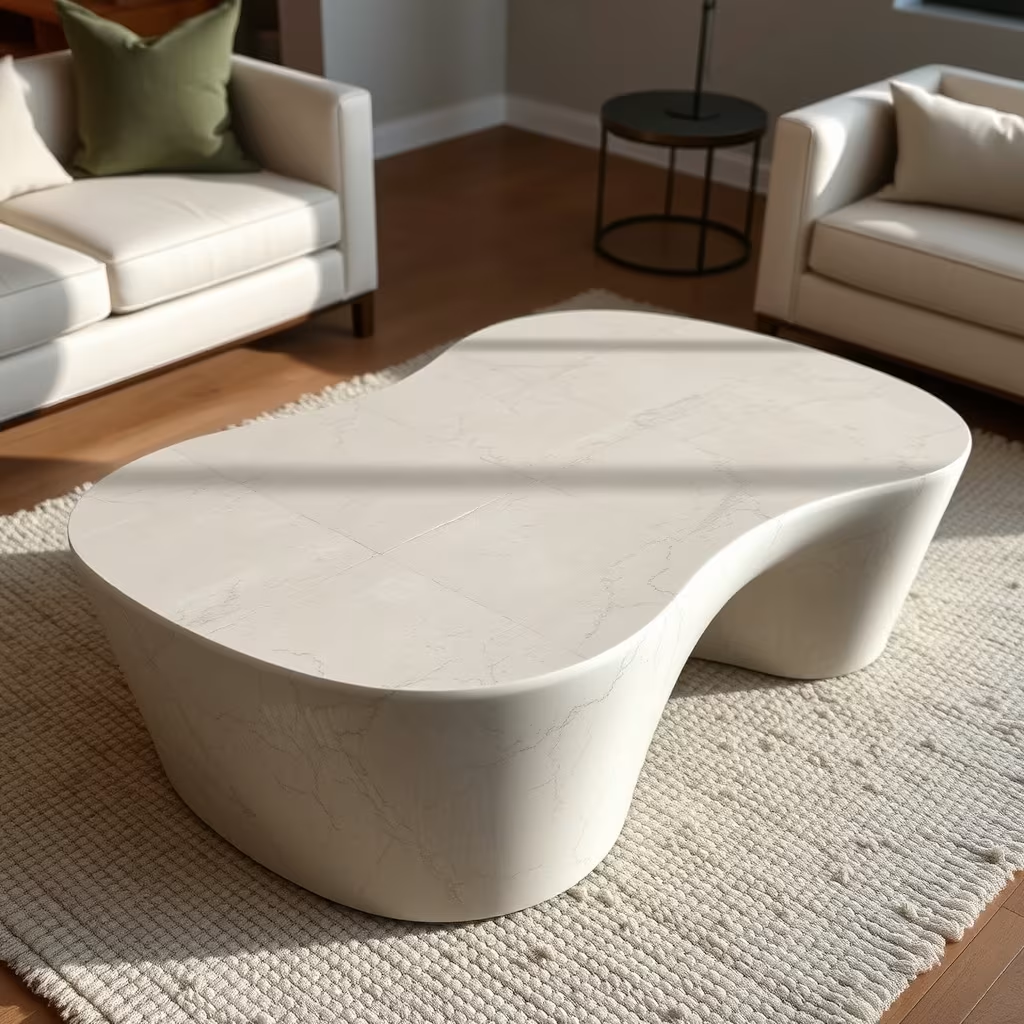
In a minimalist room, you don’t need five different coffee table books, decorative trays, and ceramic sculptures. Let one piece do all the heavy lifting by choosing a solid travertine or poured concrete coffee table with organic curves. The natural veining in travertine or the industrial texture of concrete brings an earthy, grounded element to the center of your conversation area. Round or oval coffee tables work especially well in small spaces because they eliminate sharp corners and improve traffic flow. Steer clear of high-gloss glass tables, which show every fingerprint and dust particle within minutes.
Actionable tip: Always seal your travertine or concrete table immediately upon delivery using a penetrating stone sealer to protect against drink rings and accidental coffee spills.
Install Ceiling-to-Floor Sheer Linen Curtains to Soften Hard Lines
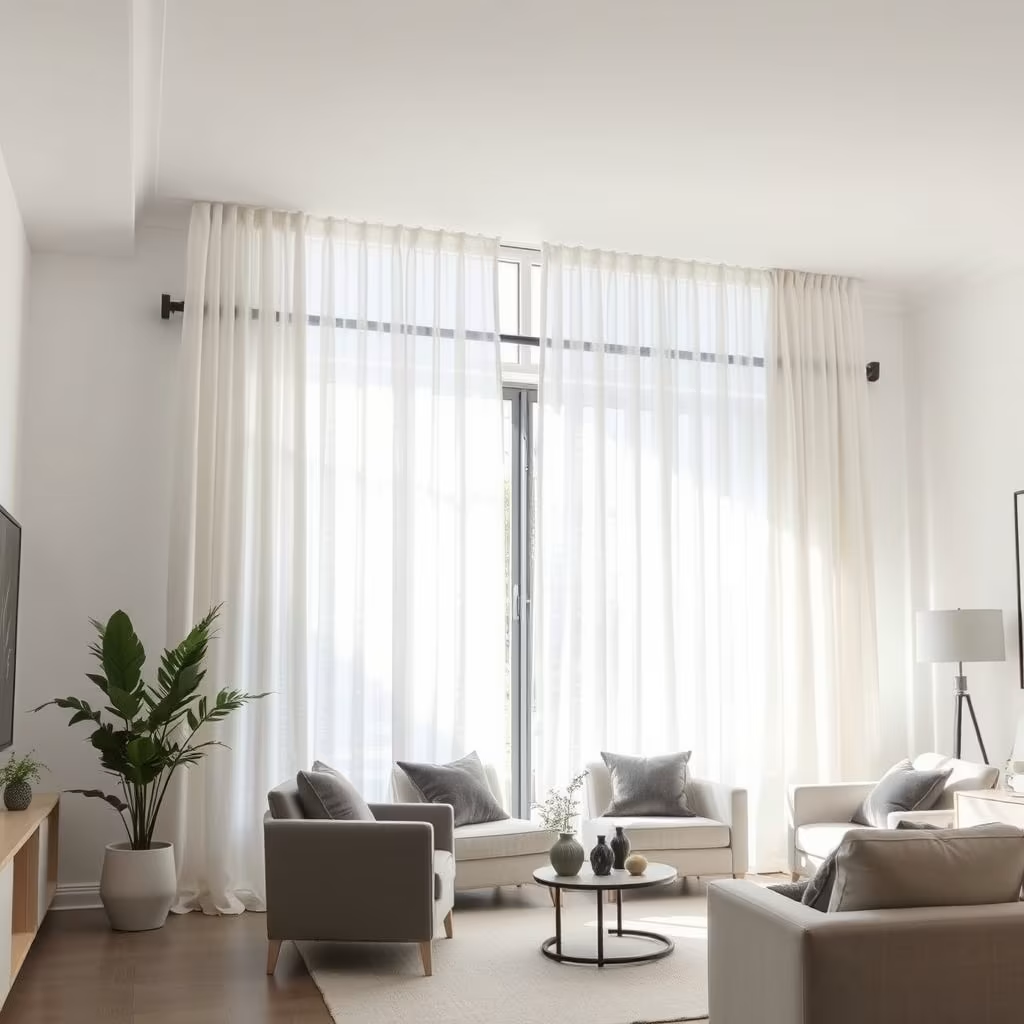
Windows are a major focal point in any living room, and harsh metal blinds or heavy velvet drapes can completely ruin a sleek aesthetic. We always recommend hanging ceiling-to-floor sheer linen curtains on a minimal matte black or brushed brass rod mounted just a few inches below the ceiling line. Extending the curtain height draws the eye upward, instantly making your windows appear twice as tall. Lightweight linen diffuses direct sunlight into a flattering, ethereal glow while maintaining daytime privacy. Avoid stiff polyester sheers that trap static electricity and cling unattractively to your window frames.
Actionable tip: If your ceilings are made of concrete and drilling is difficult, use high-strength tension rods hidden inside the window recess paired with extra-long lightweight linen panels.
Curate a Single Large-Scale Abstract Art Piece Instead of a Gallery Wall
Gallery walls can easily become visually chaotic and cluttered in a space striving for modern simplicity. Instead of hanging ten small frames, invest in one large-scale minimalist abstract painting with a neutral or monochromatic color scheme. A large canvas creates an instant focal point and gives the eye a peaceful place to rest. Look for artwork with heavy texture, such as acrylic impasto or mixed-media plaster, to add dimensional interest without relying on bright colors. Skip ornate, highly carved wooden frames; instead, opt for a minimal floater frame in natural oak or simple matte black.
Actionable tip: You can create your own budget-friendly large-scale art by stretching raw unprimed canvas over a wooden frame and applying a thin coat of plaster or joint compound with a drywall knife.

Frequently Asked Questions
Q: What colors work best for a sleek minimalist living room?
A: Stick to a cohesive palette of warm neutrals such as bone, travertine, warm taupe, and soft greige, layered with grounding accents of charcoal, matte black, or deep walnut. Avoid high-contrast primary colors, which disrupt the calm visual flow.
Q: How do I keep a minimalist living room from looking cold and sterile?
A: The secret is mixing materials. Pair smooth surfaces like plaster or lacquer with tactile, natural textures such as boucle, raw linen, fluted wood, travertine, and brushed brass to build warmth and depth.
Q: Is minimalism practical for homes with pets and kids?
A: Absolutely. Minimalism actually makes cleaning much easier because you have fewer decorative items to dust around. Simply invest in performance upholstery fabrics and closed storage solutions to tuck away toys and pet gear quickly.
Start Upgrading Your Living Room Today
Achieving a sleek minimalist living room is not about throwing all your belongings away—it is about curating pieces that serve a distinct purpose and celebrate quality over quantity. Start by clearing out visual clutter from one surface today, or swap out heavy window treatments for airy linen curtains. Take your time, focus on natural textures, and build a calm, beautiful space you will love coming home to.
Leave a Reply