
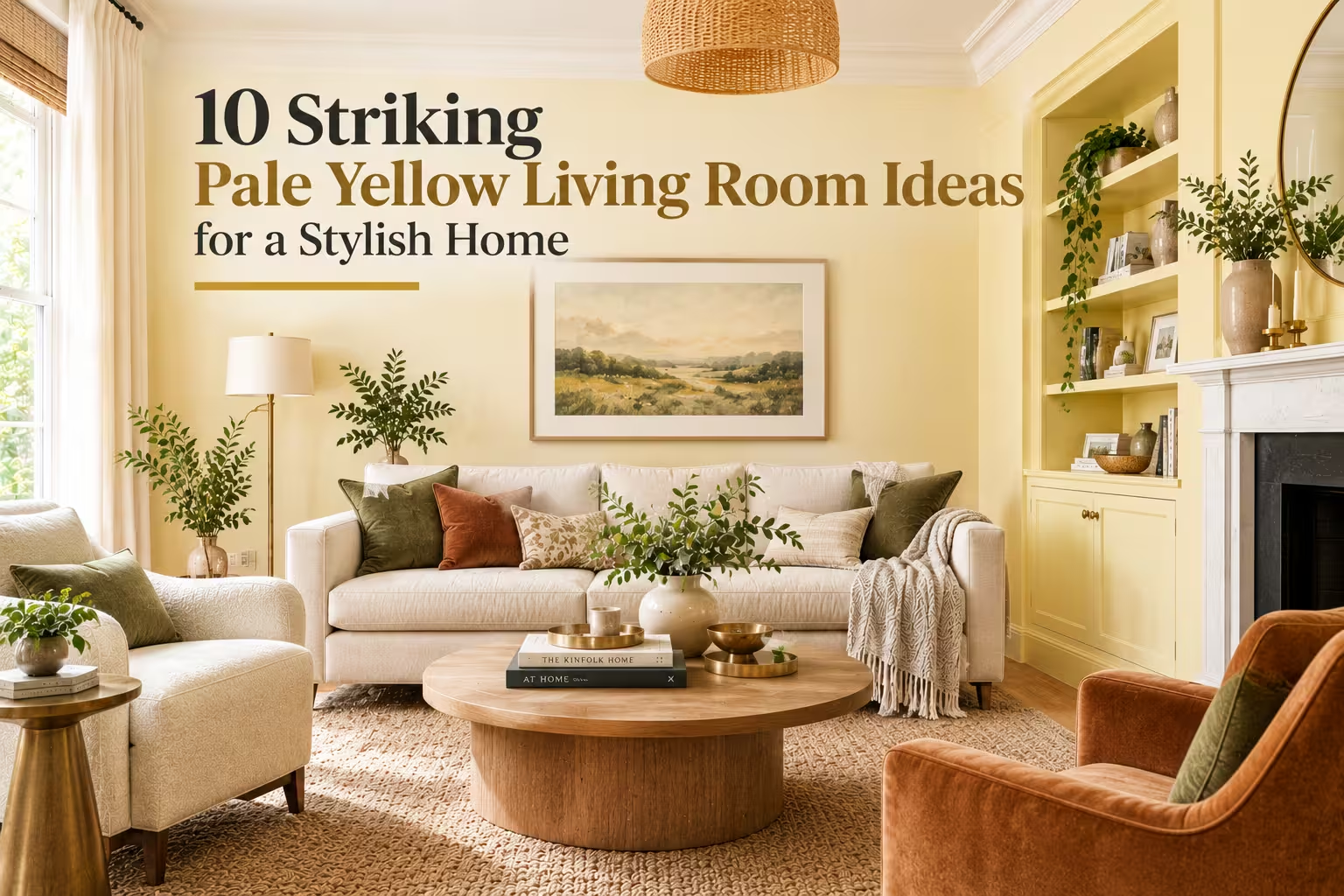
10 Striking Pale Yellow Living Room Ideas for a Stylish Home
Pale yellow is one of the most versatile neutrals you can bring into a living room, offering a soft glow that instantly lifts a tired space. Unlike loud buttercup or neon shades, muted buttery yellows act just like cream or beige, but with a much friendlier disposition. At Furnish Luxe, we have tested these soft tints in real Victorian flats and modern suburban builds alike to see what actually works. Here is how to style pale yellow without making your living room look like a kindergarten classroom.
Explore more inspiration with our guide to 10 Vibrant Butter Yellow Living Room Ideas for a More Functional Home. Discover fresh ways to incorporate cheerful yellow tones, cozy textures, and stylish accents into your living space.
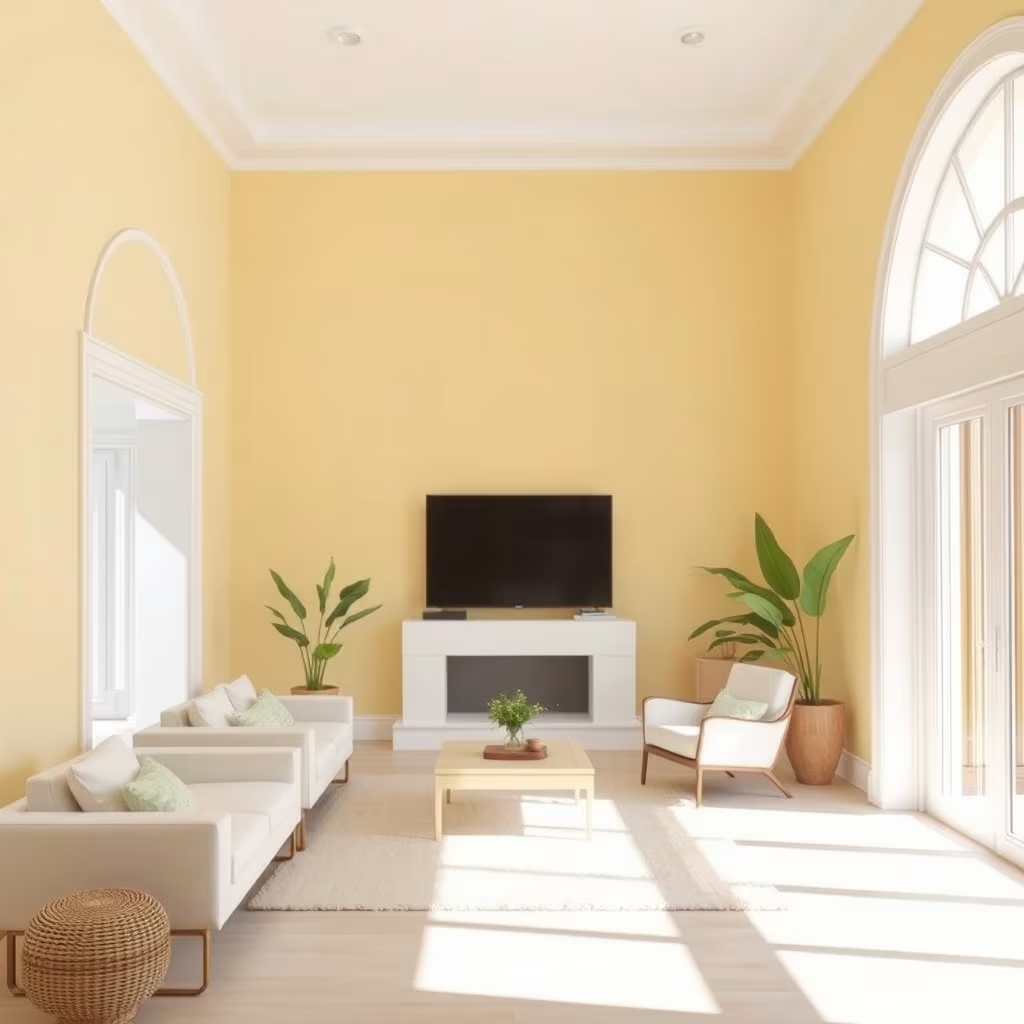
Pair Pale Yellow Walls with Crisp White Trim for Architectural Definition
When you paint living room walls a subtle shade like Benjamin Moore’s Pale Moon, the room risks feeling washed out if everything blends together. Ground the space by painting your baseboards, crown molding, and window frames in a bright, clean white with a satin finish. In my own 1920s bungalow renovation, this high-contrast trim gave the pale yellow walls an instant anchor and kept the room looking architectural rather than flat. It is a foolproof trick that works especially well in south-facing rooms where sunlight naturally bounces off the yellow.
Actionable Tip: If you are renting and cannot paint the walls or trim, bring this contrast in through large white canvas art frames and white linen curtains.
Ground the Space with Dark Charcoal Furniture to Cut the Sweetness
Pale yellow can sometimes lean overly sweet or traditional if you pair it exclusively with pastel colors and light woods. To give your living room a modern, grounded edge, introduce charcoal gray or nearly-black furniture pieces. A sleek charcoal sectional or a matte black steel coffee table cuts through the buttery warmth and adds sophisticated contrast. I once styled a small pale yellow sitting room with a black velvet armchair, and it completely changed the vibe from cottage-core to urban chic.
Actionable Tip: Stick to the 60-30-10 color rule: let pale yellow take up 60 percent of the visual weight, charcoal gray take 30 percent, and save 10 percent for a vibrant accent like rust or emerald.
Layer Natural Rattan and Light Oak Textures for Organic Warmth
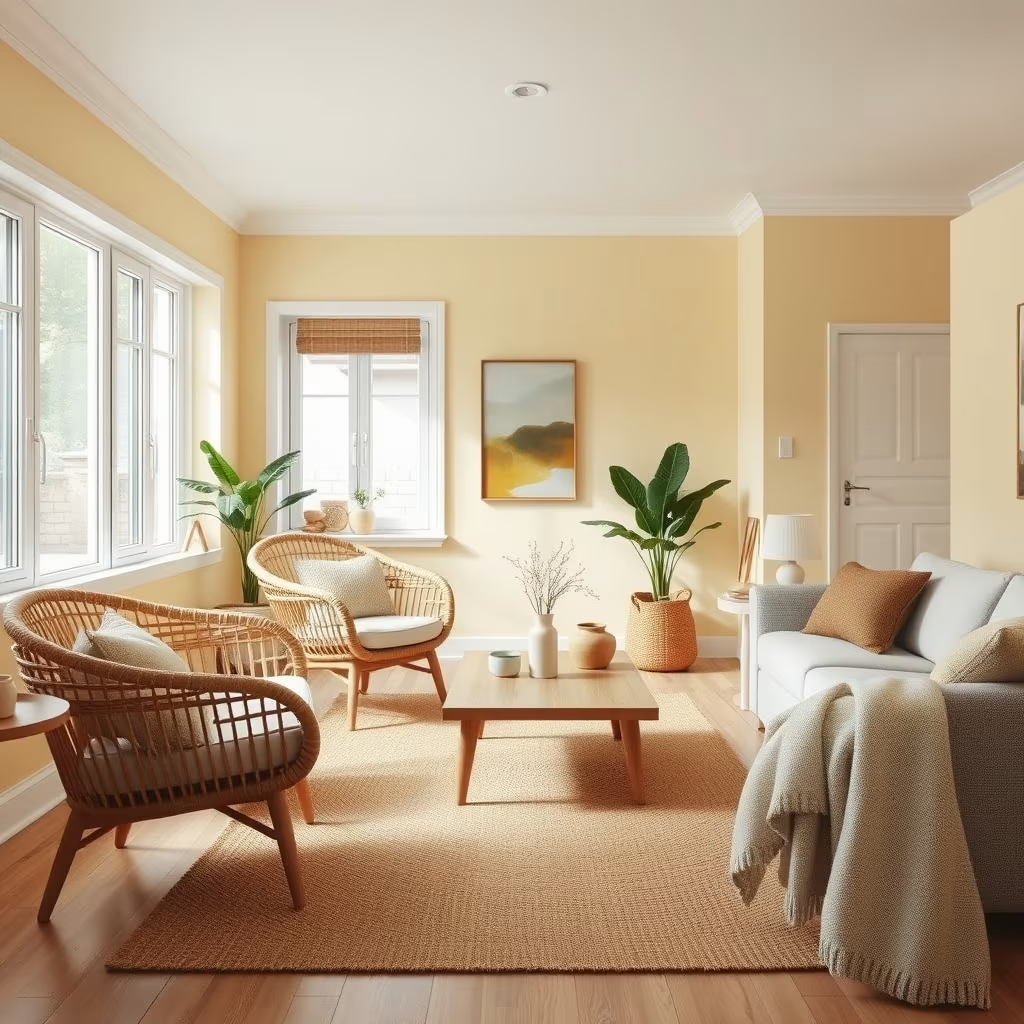
Because pale yellow is an inherently sunny hue, it pairs brilliantly with organic, unfinishing wood tones and woven textures. Incorporate a rattan accent chair, a jute area rug, or a coffee table made from blonde white oak to enhance that breezy, Scandinavian-meets-Mediterranean feel. In rooms with very little natural light, these tactile materials prevent the pale yellow paint from looking chilly or sickly on gray winter days.
Actionable Tip: Avoid matching all your wood tones; mix a light oak floor with a darker walnut side table to keep the room from feeling flat and showroom-like.
Incorporate Terracotta and Rust Accents for an Earthy Balance
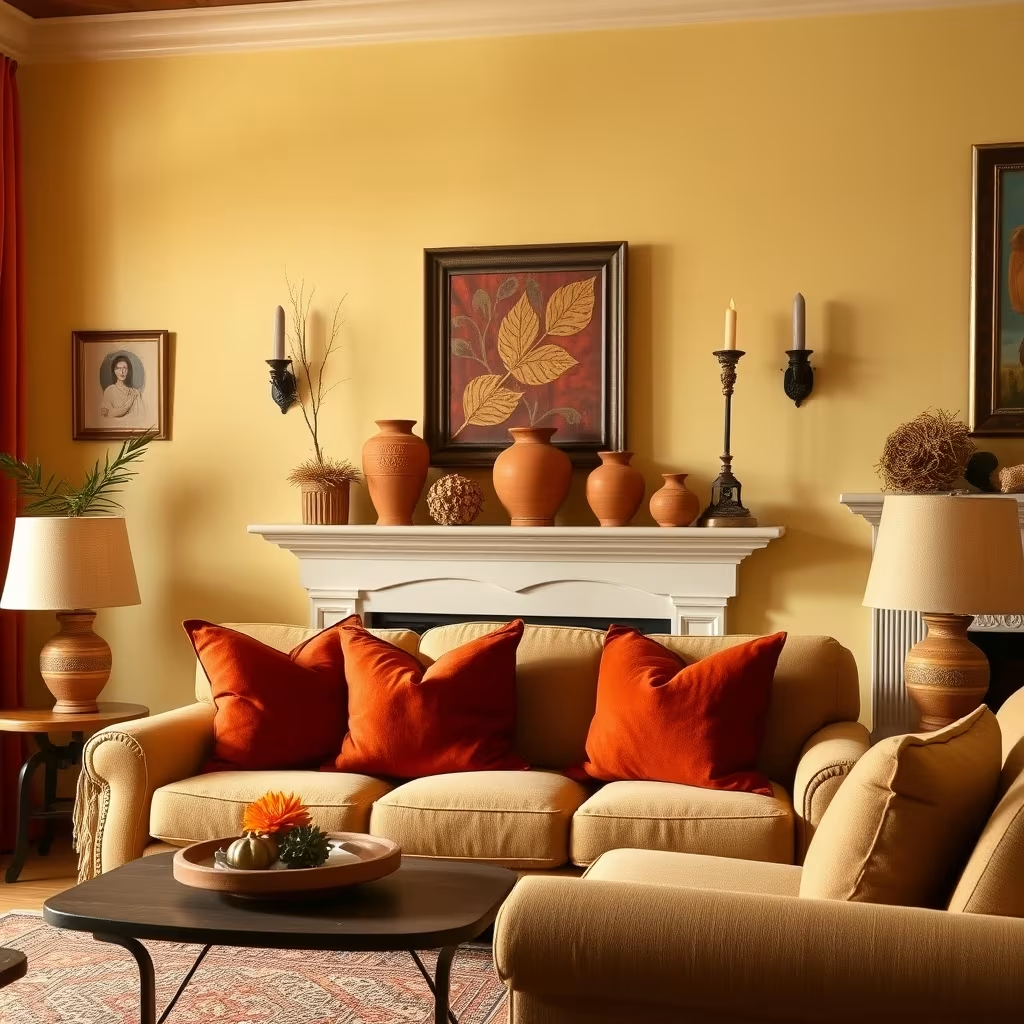
If you want your pale yellow living room to feel grounded and mature rather than spring-like year-round, add earthy red-browns into the mix. Throw pillows in burnt sienna, rust linen drapes, or terracotta pottery create a gorgeous complementary color palette that tempers the sweetness of yellow. When I redesigned a client’s north-facing living room, adding terracotta ceramics on the mantel instantly warmed up the pale yellow walls without needing a single extra light fixture.
Actionable Tip: Look for terracotta pots with a matte, chalky finish rather than glossy glazes to keep the modern organic aesthetic intact.
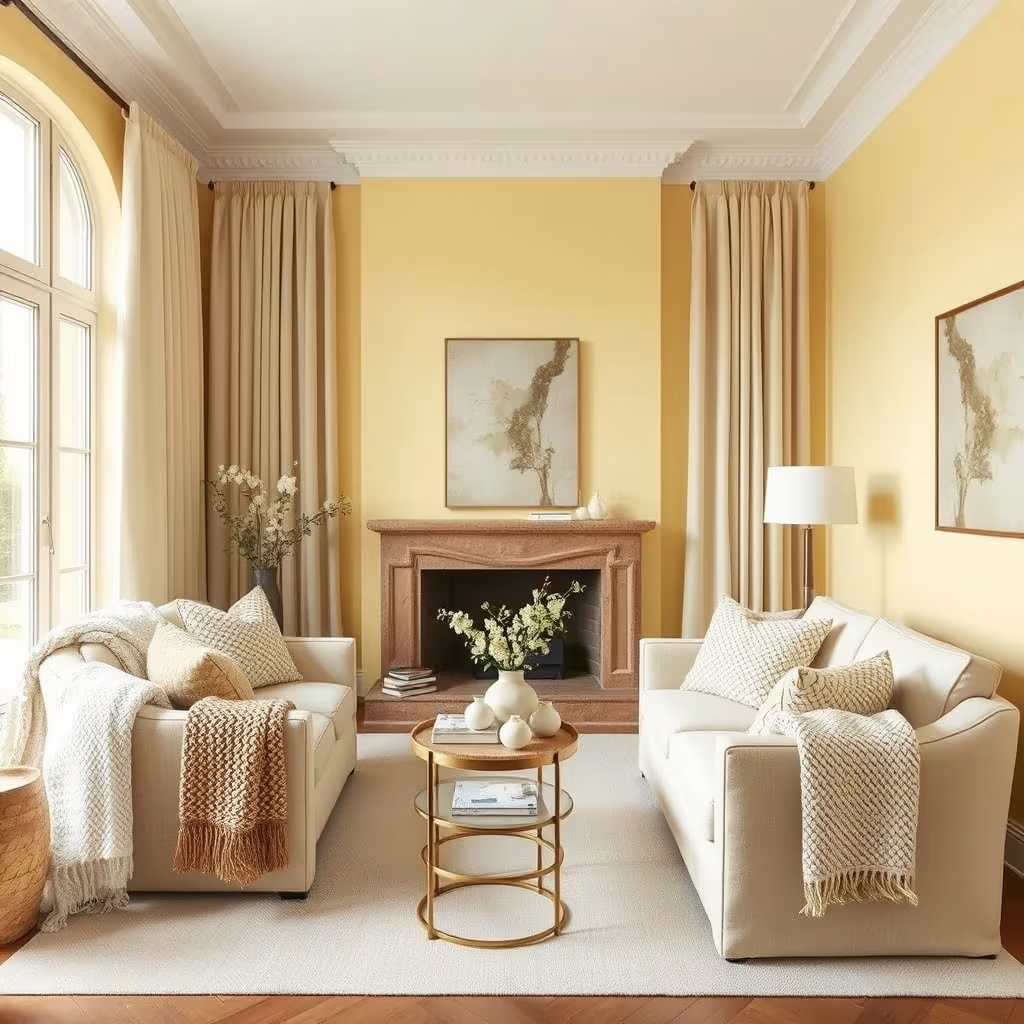
Create a Calm Monochromatic Scheme Using Oatmeal and Cream Layers
Going monochromatic with pale yellow does not mean painting every single surface the exact same lemon-tinted hue. Instead, build a restful palette by layering pale yellow walls with oatmeal-colored upholstery, cream bouclé armchairs, and beige wool rugs. This subtle tonal variation creates depth and coziness, making your living room feel like a high-end boutique hotel suite. It is my favorite approach for small open-plan apartments because it keeps the eye moving without visual clutter.
Actionable Tip: Mix your textures heavily when going monochromatic—pair a chunky knit throw with smooth linen curtains and a woven sisal rug so the room still has tactile interest.
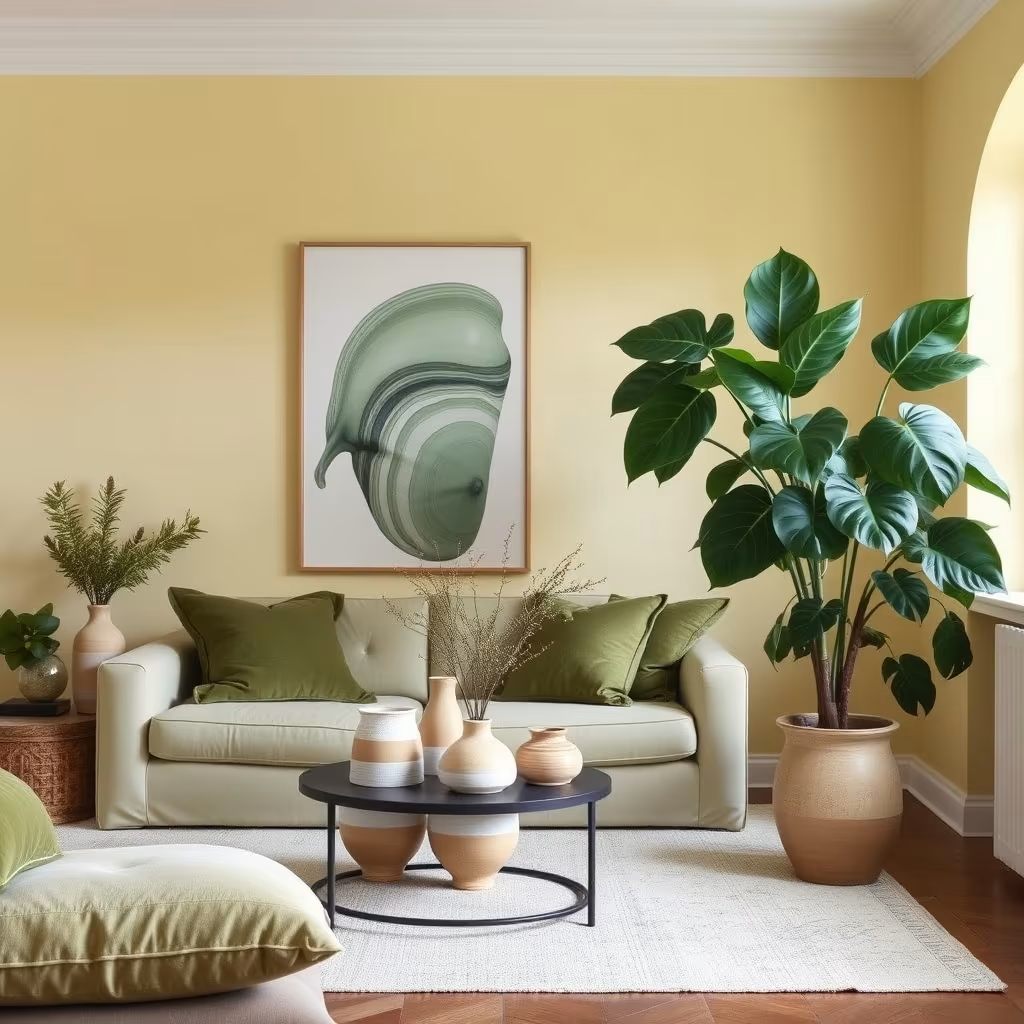
Introduce Sage Green Botanicals to Complement the Soft Undertones
Yellow and green are neighbors on the color wheel, making them a natural pairing that mimics the outdoors. Adding olive or sage green through velvet cushions, ceramic vases, or large potted plants like a fiddle-leaf fig adds a calming, natural balance. In my experience, sage green acts almost like a neutral against pale yellow, softening the space and making it feel lived-in and serene.
Actionable Tip: Keep your green accents muted and grayish—avoid bright lime or emerald greens, which will clash with the softer, desaturated nature of pale yellow.
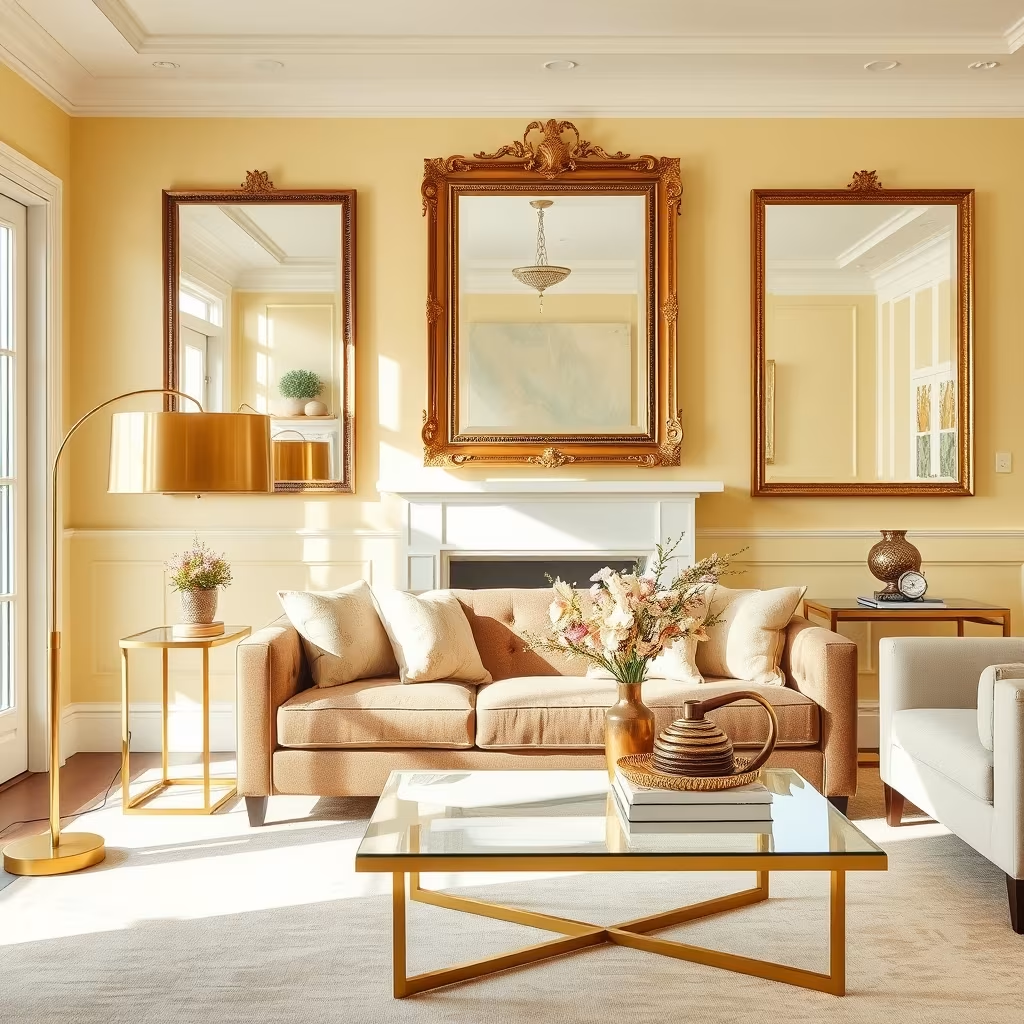
Use Brushed Brass and Gold Hardware to Enhance the Luminous Glow
The right metallic finish can completely transform how pale yellow behaves on your living room walls. Brushed brass floor lamps, gold-framed mirrors, or a coffee table with brass legs will pick up the subtle warm undertones of the paint and amplify the room’s natural light. I always recommend avoiding chrome or polished silver in a pale yellow room, as the cool metallic sheen can clash with the warmth of the walls and make the space feel disjointed.
Actionable Tip: If updating light fixtures or hardware is out of budget, spray-paint existing black or bronze curtain rods and picture frames with a metallic antique gold finish.
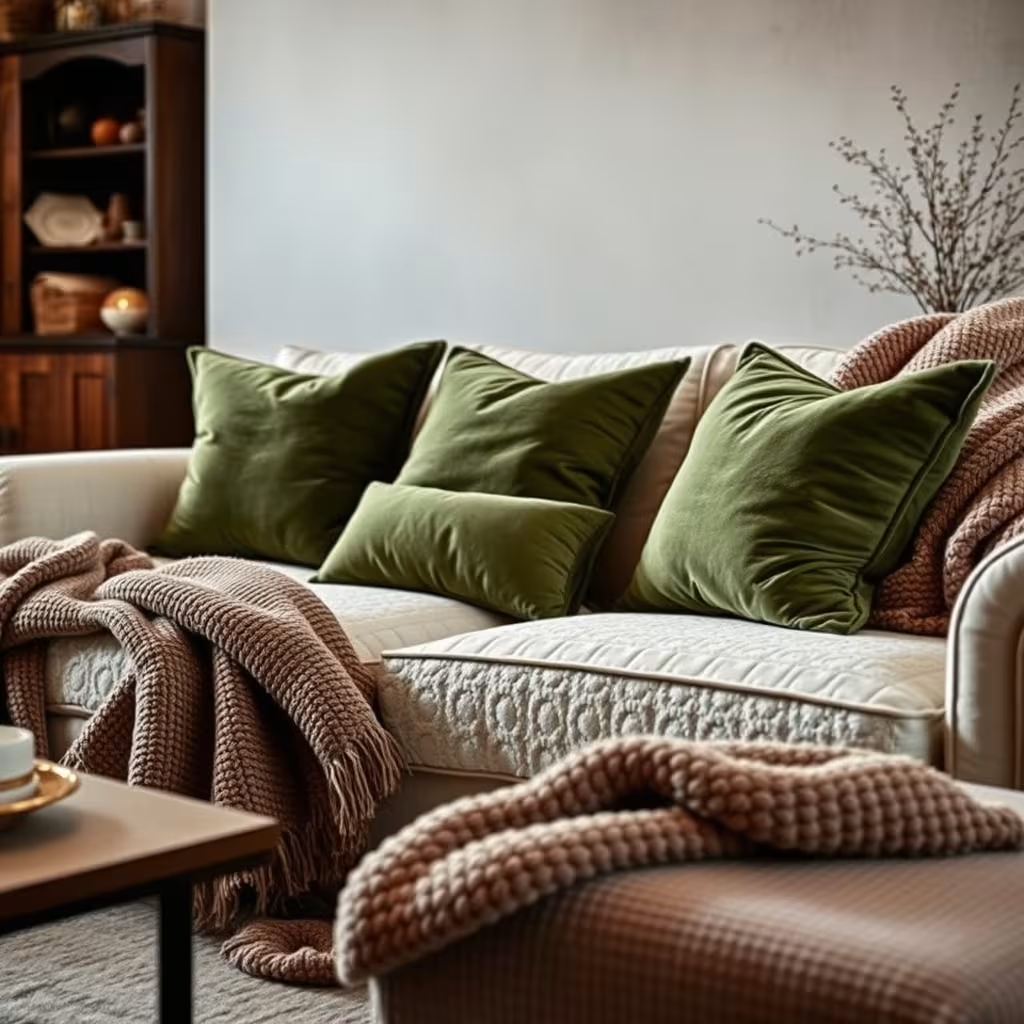
Select Velvet and Bouclé Fabrics to Add Tactile Depth to Neutral Walls
Flat cottons and synthetic linens can sometimes make a pale yellow room look a bit stark or unfinished under harsh overhead lighting. Introduce tactile, heavy-pile fabrics like rich ivory bouclé, mossy green velvet, or textured wool upholstery to absorb light and create cozy shadows. When updating a living room for a client who worried yellow would feel too juvenile, we swapped her flat grey sofa for a cream bouclé cloud couch, and the room instantly felt luxurious and expensive.
Actionable Tip: If buying new furniture isn’t an option, drape a heavy velvet or chenille throw blanket over the back of your existing sofa for an instant texture upgrade.
Frequently Asked Questions
Q: What colors go best with pale yellow in a living room?
A: Pale yellow pairs exceptionally well with crisp whites, charcoal gray, earthy terracotta, sage green, and natural wood tones. For metals, brushed brass and gold complement its warm undertones much better than cool silver.
Q: Does pale yellow make a small living room look bigger?
A: Yes, absolutely. Because pale yellow has a high light-reflecting value, it bounces natural light around the room, making compact or narrow spaces feel significantly larger, brighter, and more open.
Q: Is pale yellow too bright or overwhelming for a main living area?
A: Not if you choose the right shade. True pale yellow or buttery cream tints act as sophisticated neutrals rather than loud statement colors. Pair them with grounding elements like dark furniture and natural textures to keep the room balanced.
Conclusion
Styling a pale yellow living room is all about balance—pairing that sunny, uplifting wall color with grounding dark accents, rich textures, and organic materials. Whether you go for a cozy monochromatic look with cream and oatmeal or add contrast with charcoal and terracotta, this versatile shade creates a welcoming space you will love coming home to. Pick one technique from this guide—like swapping your hardware for brushed brass or adding a textured rug—and start transforming your living room this weekend.
Leave a Reply