

10 Chic Yellow Curtains Living Room Ideas to Add Character to Your Space
Yellow curtains are one of the easiest ways to inject personality, warmth, and life into a living room without committing to painted walls. When chosen correctly, this cheerful shade transforms flat spaces into inviting, design-forward rooms that feel both curated and comfortable. Whether you are dealing with north-facing windows that lack natural sun or want to soften a stark, modern layout, the right yellow window treatment changes everything.
In this guide, we break down ten distinct styling concepts for yellow living room curtains. You will learn specific fabric pairings, exact color palettes, and practical tricks drawn from real home styling experience to help you get the look right on the first try.
For more colorful living room inspiration, explore 10 Fresh Blue and Yellow Living Room Ideas to Elevate Your Home to discover stylish ways to combine these vibrant shades and create a balanced, inviting space.
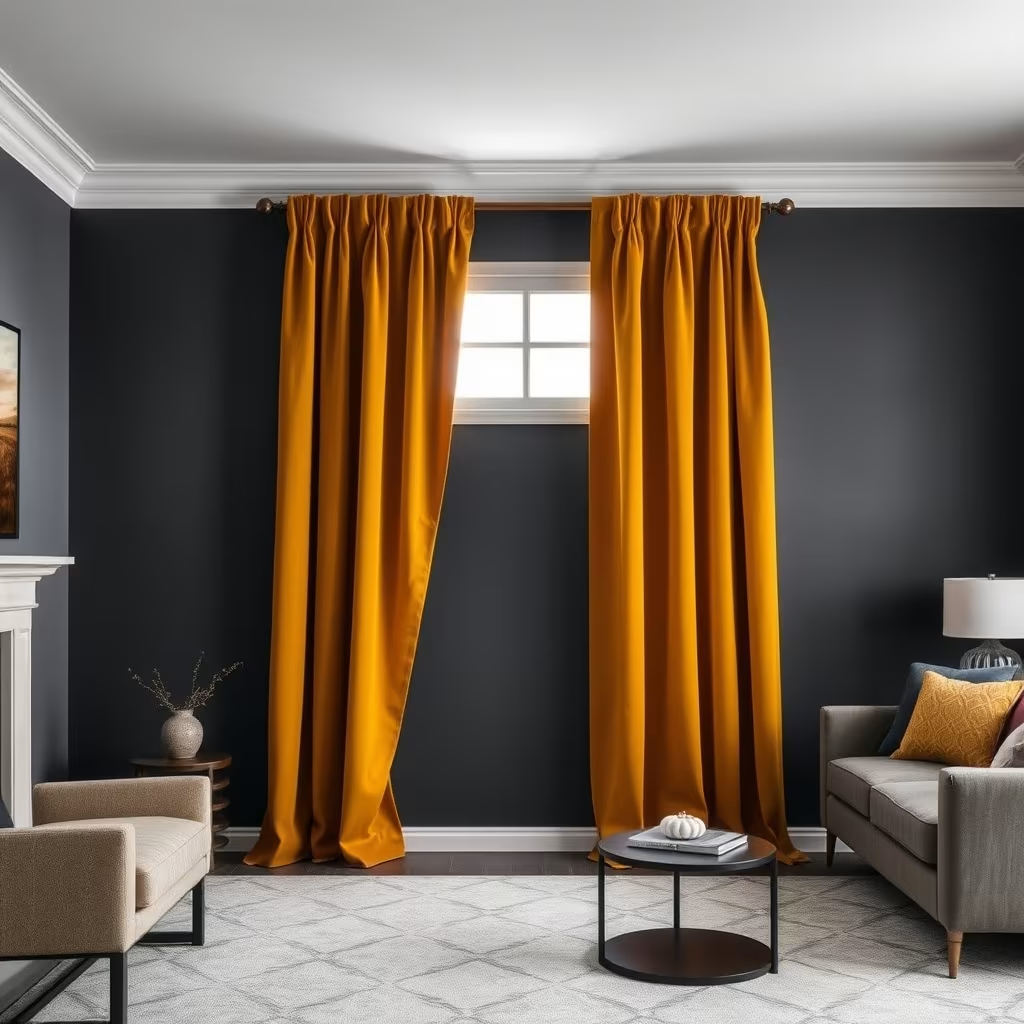
Pairing Mustard Yellow Velvet Drapes with Charcoal Gray Walls
Deep mustard yellow velvet curtains create a striking, sophisticated contrast against dark charcoal gray or slate walls. The rich texture of velvet catches the light differently throughout the day, preventing the deep gray from feeling too cave-like or cold. This combination leans into a moody, contemporary aesthetic that works wonderfully in formal living rooms or media spaces.
Velvet absorbs light and adds instant weight and luxury to a room, making budget windows look custom-made. When I styled a client’s north-facing Victorian apartment with this exact pairing, the heavy fabric also helped block out drafty window frames. Stick to unlined velvet if your room gets plenty of sun, or go with thermal-lined versions to keep heating bills down in winter.
Actionable Tip: If your room is on the smaller side, avoid floor-to-ceiling charcoal paint; instead, paint just the accent wall behind the sofa and keep the remaining walls a crisp, reflective off-white.
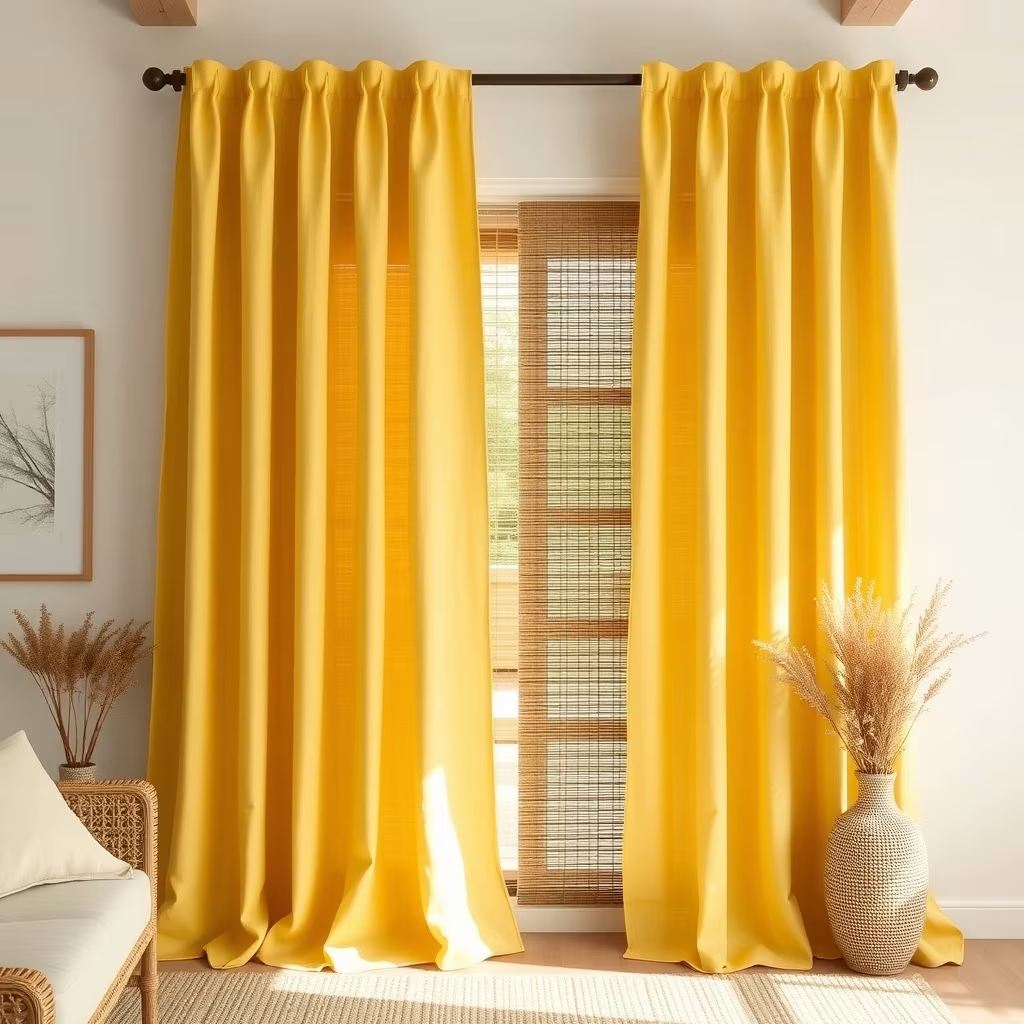
Layering Butter Yellow Linen Panels Over Matchstick Blinds
Butter yellow is a soft, muted pastel that introduces warmth without overwhelming a space. Layering lightweight linen panels in this pale shade over woven matchstick or bamboo blinds adds organic texture and beautiful dimension to windows. The matchstick blinds filter harsh midday sun, while the sheer linen softens the hard edges of the woven wood.
This pairing is a staple of coastal, bohemian, and transitional design styles because it mimics natural elements found in nature. Natural linen breathes exceptionally well, meaning your curtains will hang with a relaxed, effortless puddle on the floor rather than a stiff, formal drape. If you live in a rental, matchstick blinds can often be tension-mounted without drilling into the window frame.
Actionable Tip: Wash your linen panels before hanging them if you plan to hem them yourself, as pure linen typically shrinks by about five percent on the first trip through the laundry.
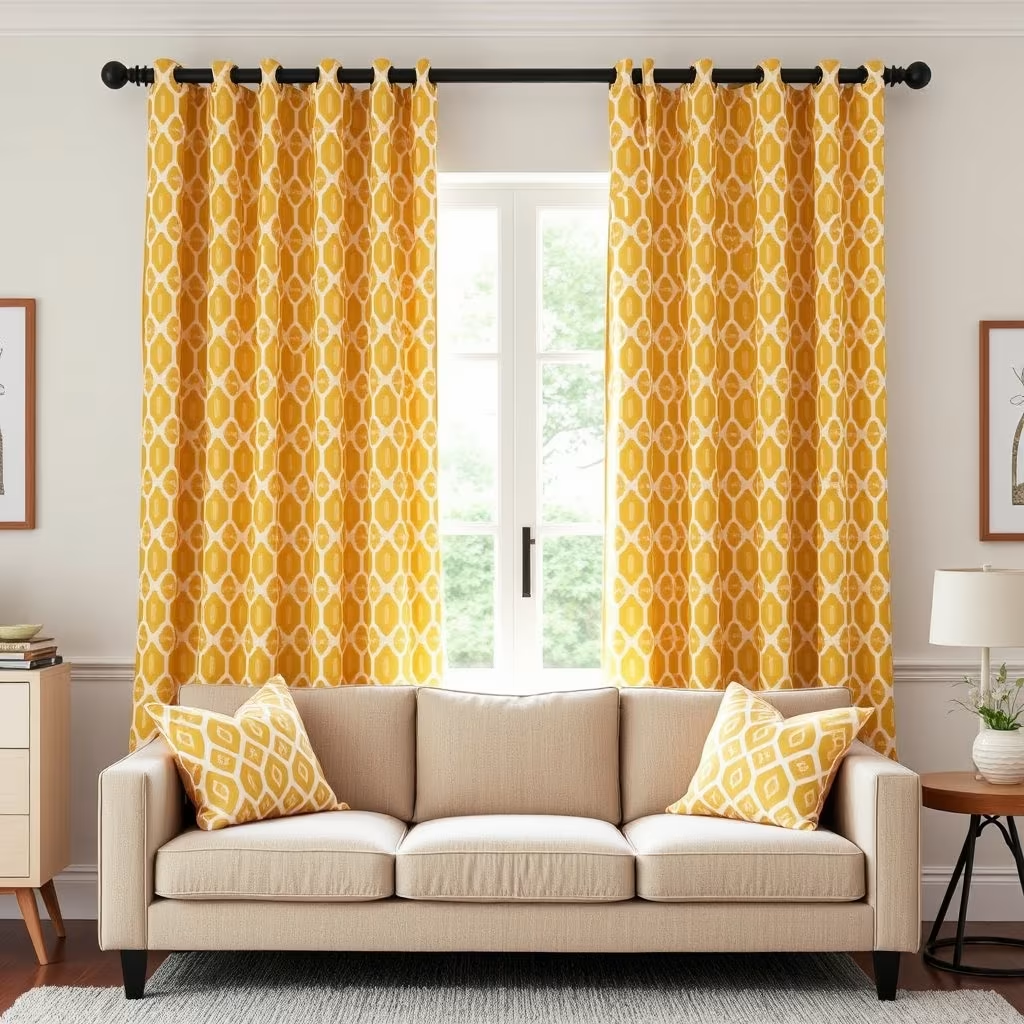
Using Marigold Geometric Print Curtains to Complement Neutral Furniture
If your living room is anchored by a solid beige, cream, or oatmeal sofa, marigold geometric print curtains prevent the room from looking boring or washed out. A subtle Moroccan trellis or mid-century abstract pattern in marigold and white draws the eye upward and adds playful rhythm to the space. This is an ideal strategy for renters looking to add pattern without committing to wallpaper.
Geometric patterns introduce structure and balance to rooms that feature too many soft, rounded shapes like curved boucle chairs or round coffee tables. In my own living room renovation, adding a crisp geometric print instantly tied together mismatched throw pillows and an existing neutral rug. Keep your hardware simple—matte black or brushed nickel—so the pattern remains the focal point.
Actionable Tip: Pick up one secondary color from the curtain pattern—such as sage green or navy—and repeat it in at least two accessories like a throw blanket or ceramic vase.
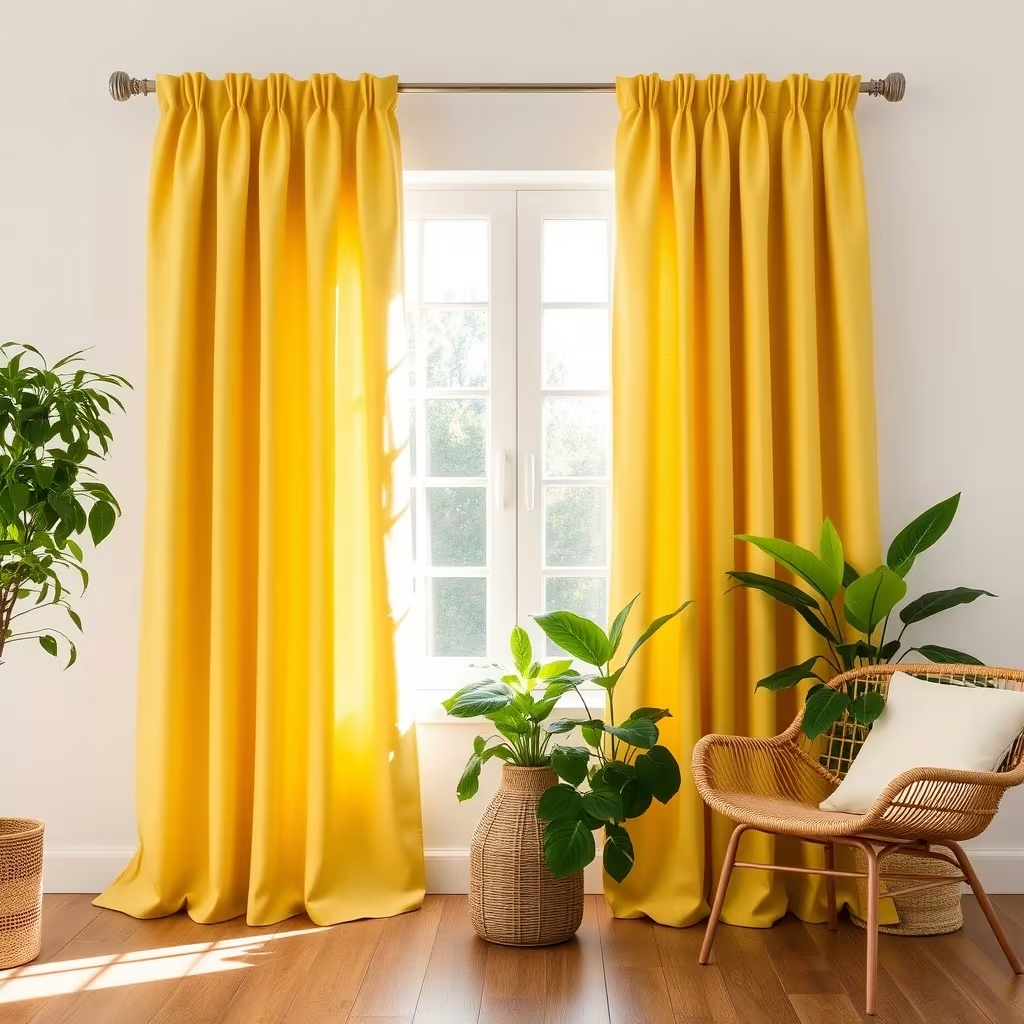
Styling Lemon Yellow Cotton Curtains with Natural Wood and Houseplants
Lemon yellow is a bright, saturated hue that sings when paired with earthy elements like oak flooring, rattan furniture, and lush green houseplants. This combination channels an effortless Scandinavian or sun-drenched greenhouse vibe that feels instantly refreshing. The crispness of lemon yellow wakes up tired wood tones and bounces morning light around small rooms.
This look succeeds because of color theory: yellow and green sit near each other on the color wheel and provide a natural, organic harmony. When I updated a dim, apartment-sized living room with lemon cotton panels, the room immediately felt three feet wider and ten degrees brighter. Opt for cotton with a slight slub texture rather than a shiny synthetic blend to keep the look grounded and high-end.
Actionable Tip: Hang your curtain rod six inches above the window frame and extend it four inches past each side to trick the eye into thinking your windows are larger than they actually are.
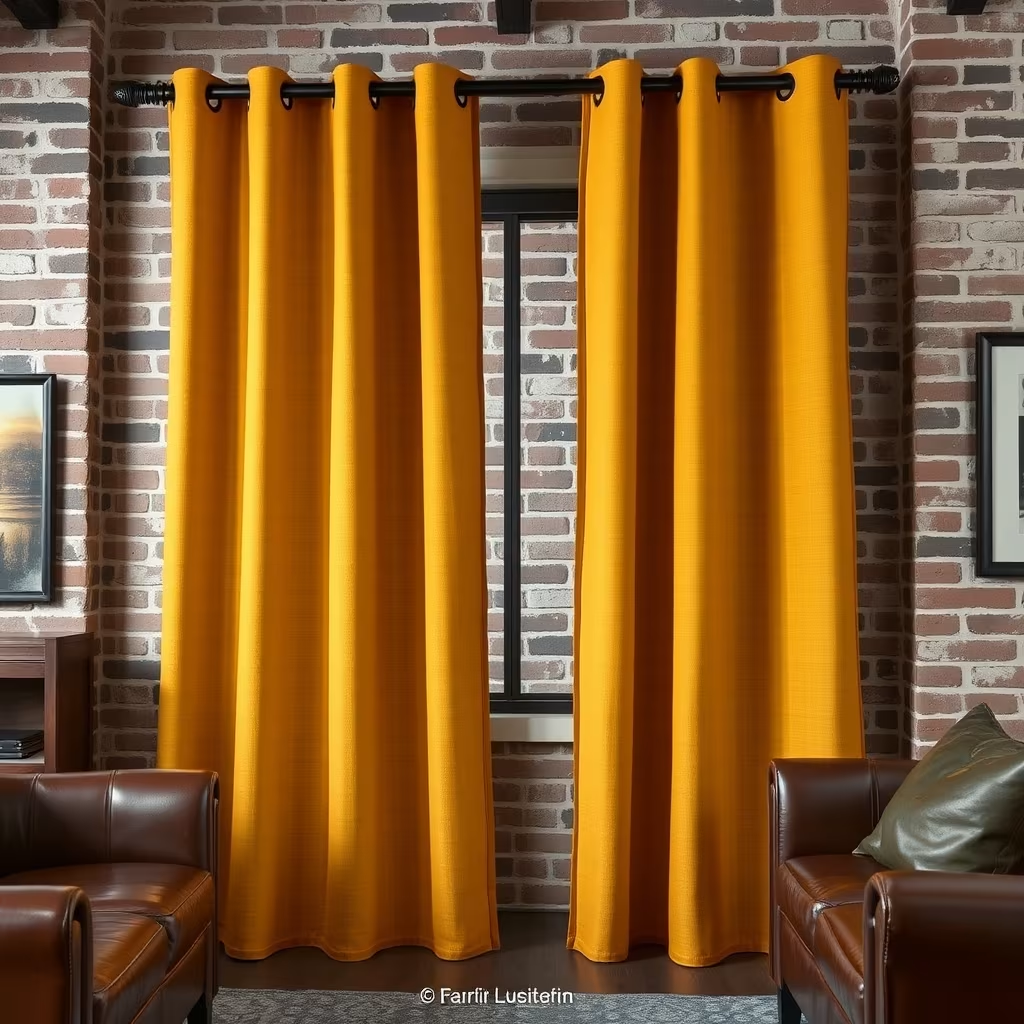
Combining Ochre Yellow Blackout Drapes with Industrial Metal Accents
Ochre sits comfortably between yellow and brown, offering an earthy, sophisticated warmth that pairs brilliantly with industrial decor. Pairing ochre blackout drapes with black iron curtain rods, exposed brick, and leather furniture creates a grounded, masculine yet inviting atmosphere. This shade is much easier to live with year-round than neon or lemon variants.
Ochre absorbs harsh glare while adding a rich, sun-baked terracotta adjacent undertone that softens cold industrial elements like concrete floors or steel window frames. When staging loft spaces, I frequently rely on ochre to bridge the gap between stark modern architecture and cozy living requirements. Look for triple-weave blackout fabrics that have the weight and drape of custom drapery without the custom price tag.
Actionable Tip: Avoid shiny brass or gold hardware with ochre; instead, choose matte black, oil-rubbed bronze, or gunmetal gray to maintain an authentic industrial edge.
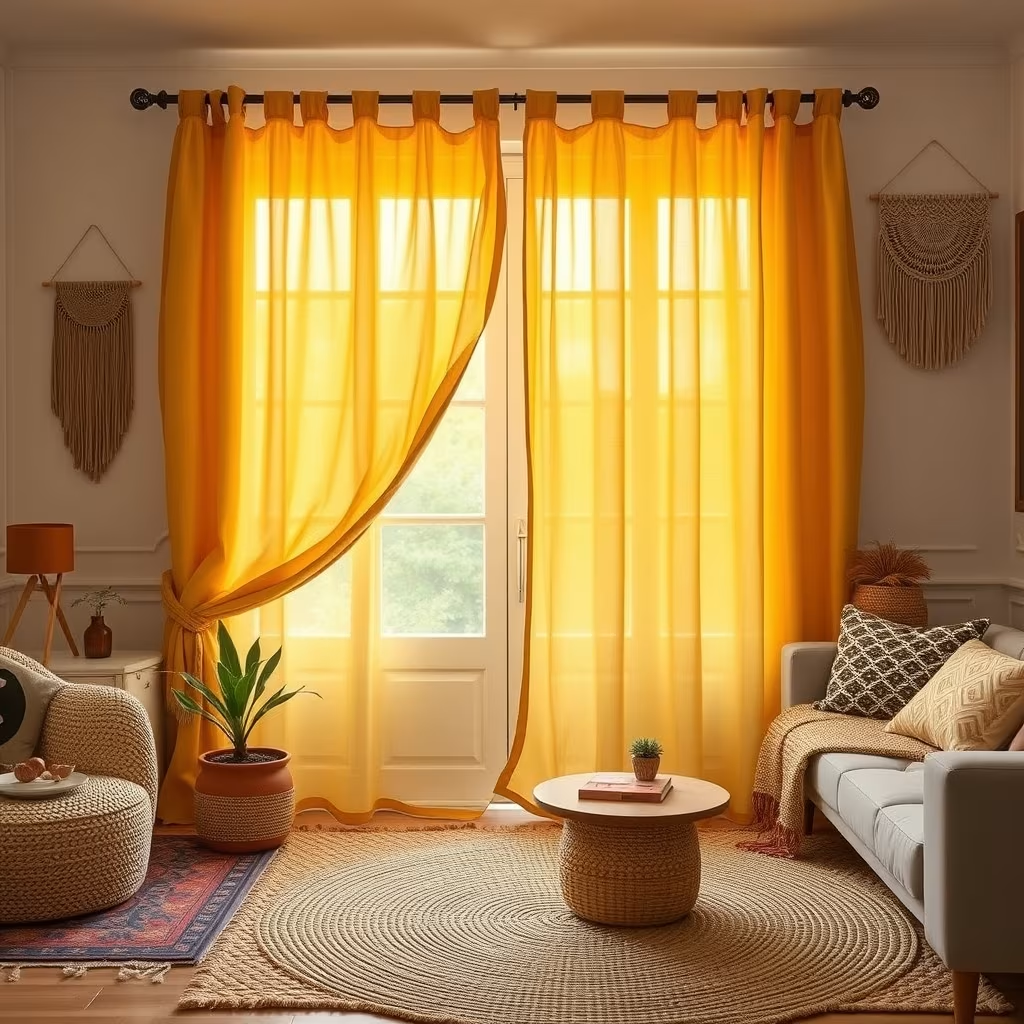
Mixing Honey Yellow Tab-Top Curtains in a Boho Chic Living Space
Honey yellow brings a rich, golden-hour glow to bohemian-style living rooms filled with layered rugs, macrame wall hangings, and mismatched vintage furniture. Tab-top curtains in a honey shade feel casual, handmade, and welcoming compared to heavily pleated formal drapery. They invite you to kick off your shoes and relax.
The relaxed header style of tab-top curtains emphasizes casual comfort, which is the foundational rule of successful boho design. In practice, I find that linen-cotton blends in honey yellow drape with soft, organic ripples that hide minor wrinkles effortlessly. Pair them with natural jute rugs and terracotta pots to complete the earthy, sun-kissed palette.
Actionable Tip: If tab-tops feel too casual for your taste, try concealed tab curtains—they give you the same effortless gather on the rod with a cleaner, more tailored front profile.
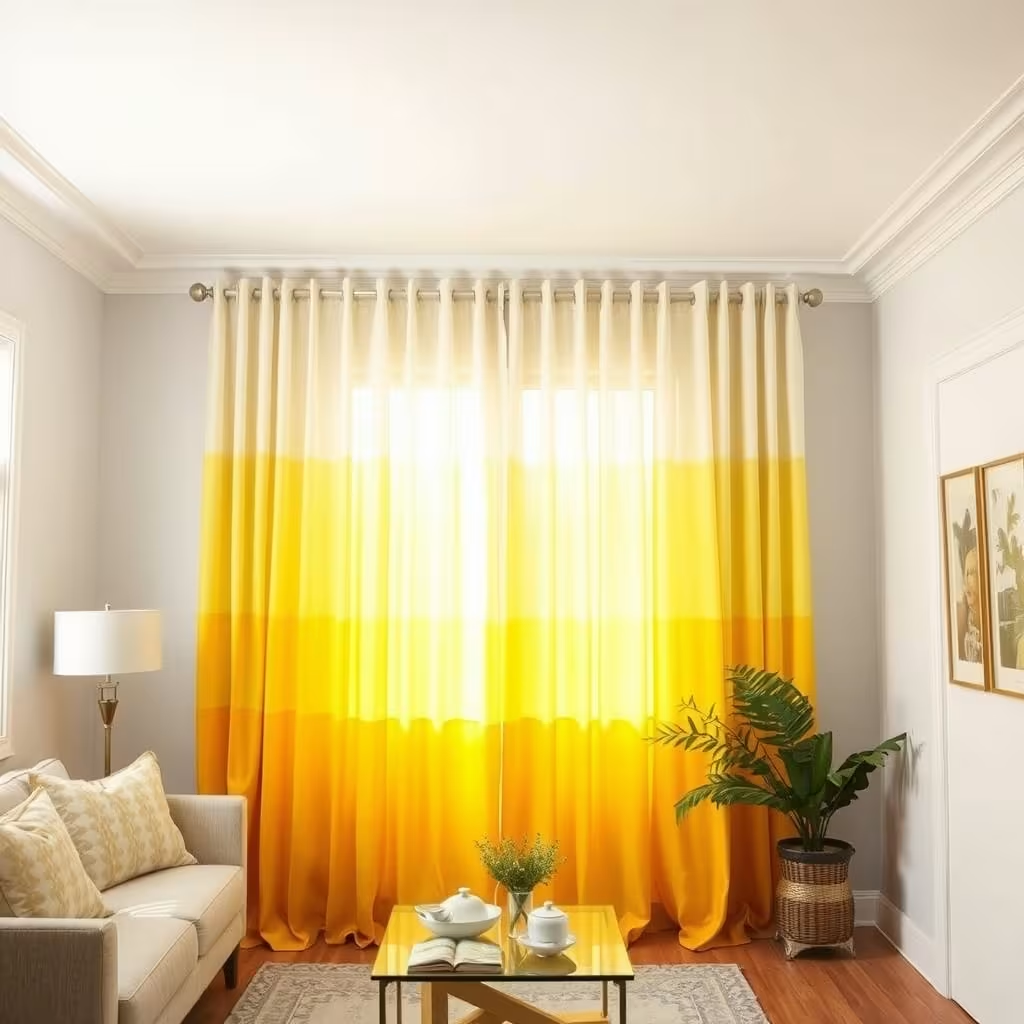
Hanging Sunshine Yellow Ombre Curtains to Create Height in Small Rooms
Sunshine yellow ombre curtains—which graduate from white or cream at the top to a vibrant yellow at the hem—are a secret weapon for low-ceilinged living rooms. The lighter top half blends seamlessly with white walls, while the saturated bottom anchors the window and draws the eye downward and upward simultaneously, distorting our perception of vertical space.
This gradient effect tricks the brain by blurring the hard boundary where the wall meets the window frame. During a small-space studio apartment makeover, ombre panels were the single design element that stopped the ceiling from feeling like it was pressing down. Ensure the transition between colors is gradual and soft rather than blocky to maintain that airy, watercolor effect.
Actionable Tip: Mount your curtain track directly to the ceiling rather than the wall to maximize the vertical illusion provided by the ombre gradient.
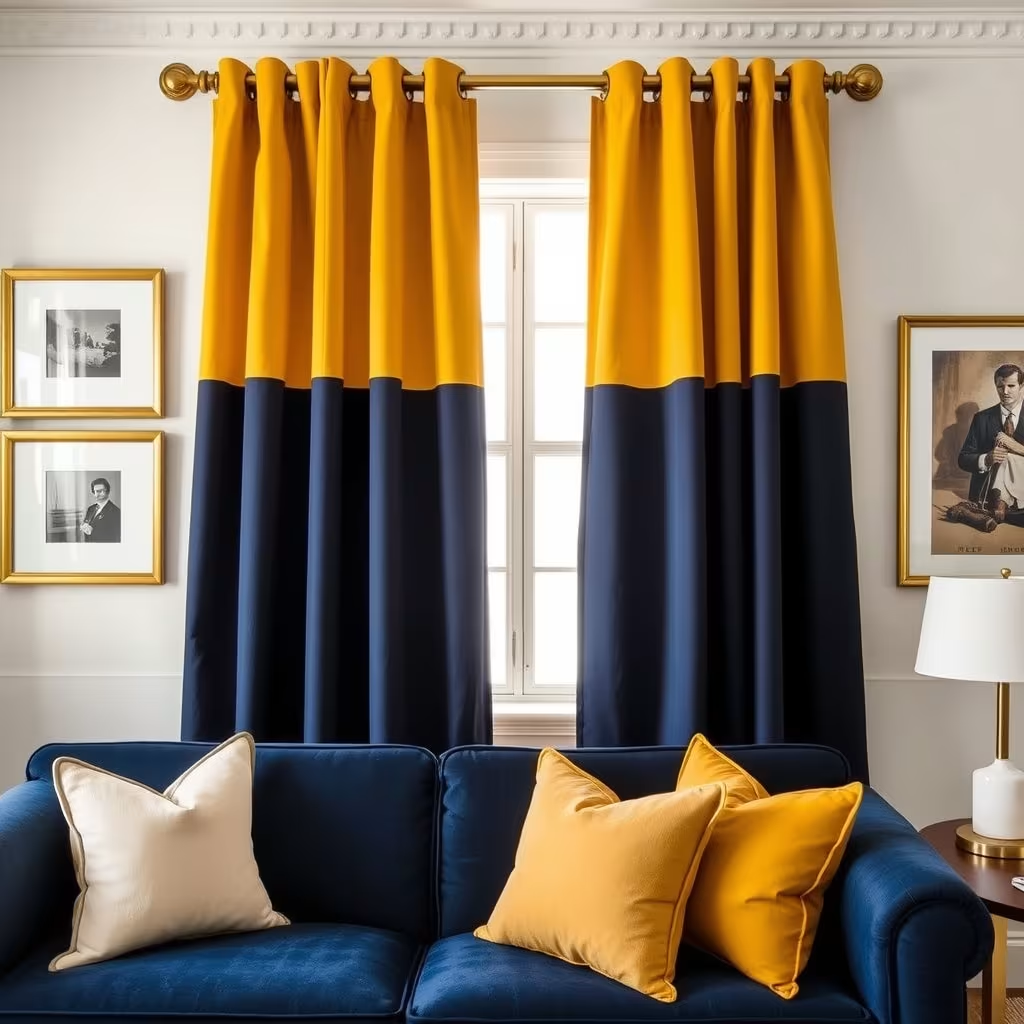
Balancing Mustard and Navy Living Room Curtains with Brass Hardware
If solid yellow feels like too much of a commitment, go for a two-tone colorblock or patterned curtain featuring mustard yellow and deep navy blue. Paired with polished brass curtain rods and picture frames, this palette hits a classic nautical-meets-mid-century note that feels deeply intentional and professionally styled.
Yellow and navy are complementary colors on the color wheel, meaning they naturally balance and elevate one another—the navy cools down the intensity of the yellow, while the yellow prevents the navy from looking severe. When designing family-friendly living spaces, this high-contrast pairing is fantastic because it hides everyday dust better than solid white curtains. Finish the look with a velvet navy sofa and mustard accent pillows.
Actionable Tip: Use the 60-30-10 rule: let neutral walls take up 60 percent of the room, navy furniture and rugs take up 30 percent, and your yellow curtains and accents make up the final 10 percent.
Frequently Asked Questions
Q: What wall colors go best with yellow curtains in a living room?
A: Soft grays, crisp off-whites, warm beiges, and muted sage greens all create a stunning backdrop for yellow curtains. If you want a bolder look, deep charcoal or navy walls make vibrant yellow pop.
Q: Do yellow curtains make a small living room look smaller?
A: Not if you choose the right shade and hanging method. Pale butter or lemon yellows actually bounce light around and make small rooms feel larger, especially when hung high and wide.
Q: Are yellow curtains suitable for north-facing living rooms?
A: Yes, they are one of the best choices for north-facing rooms. Because north light tends to be cool and blue-tinted, warm yellow curtains instantly neutralize the chill and add a cozy glow.
Yellow living room curtains are a bold yet accessible way to rewrite the mood of your home. By choosing the right shade—whether it is muted butter, earthy ochre, or vibrant lemon—and pairing it with thoughtful hardware and textures, you can completely redefine your space. Start with one window, pay attention to your room’s natural light, and enjoy watching your living room come alive with character.
Leave a Reply