

10 Fresh Blue and Yellow Living Room Ideas to Elevate Your Home
Pairing blue and yellow in a living room is a timeless design choice, but it can easily feel dated if you rely on primary colors. To make this classic combination feel modern and fresh, you need to balance undertones, layer textures, and know when to let certain shades take a backseat. At Furnish Luxe, we have tested these exact combinations in real renovations, and we are breaking down how to pull them off without making your space look like a nursery.
For more inspiration on styling bold, dark furniture, explore our 10 Beautiful Black Sofa Living Room Decor Ideas for Modern Living to discover stylish ways to balance black sofas with warm wood, textured rugs, and elegant accents.
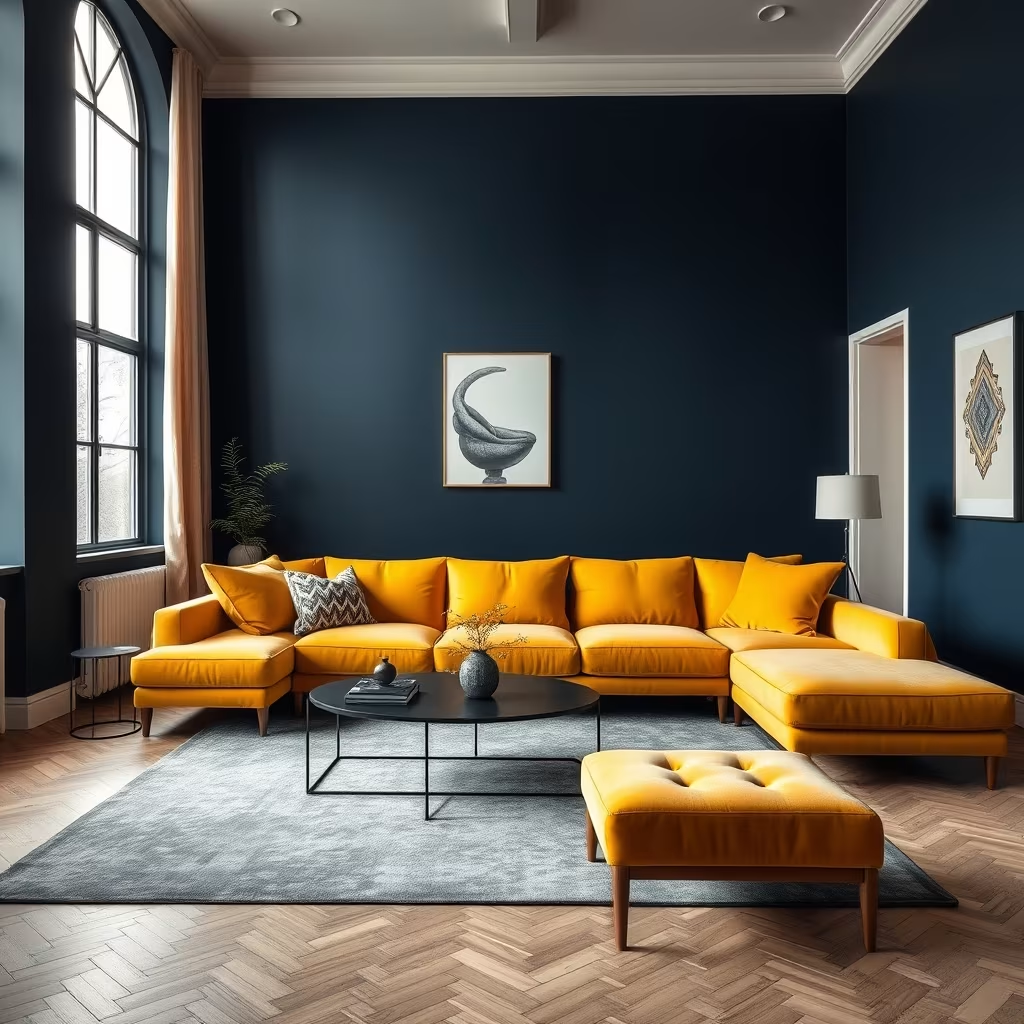
Anchor the Space with Navy Blue Walls and Mustard Yellow Velvet
Ditching bright cobalt in favor of a deep, inky navy wall creates an instant moody backdrop that makes furniture pop. When I painted my own media room in Benjamin Moore’s Hale Navy, I worried it would swallow the light, but it actually made the room feel larger by blurring the corners. Layer a mustard yellow velvet sofa against this dark wall to create a rich, tactile contrast. This combination works best in rooms with high ceilings or good natural light; otherwise, the navy can feel a bit heavy by evening.
Pro Tip: If you are renting and cannot paint the walls, achieve the same contrast by using a large navy area rug and bringing in mustard accent chairs instead.
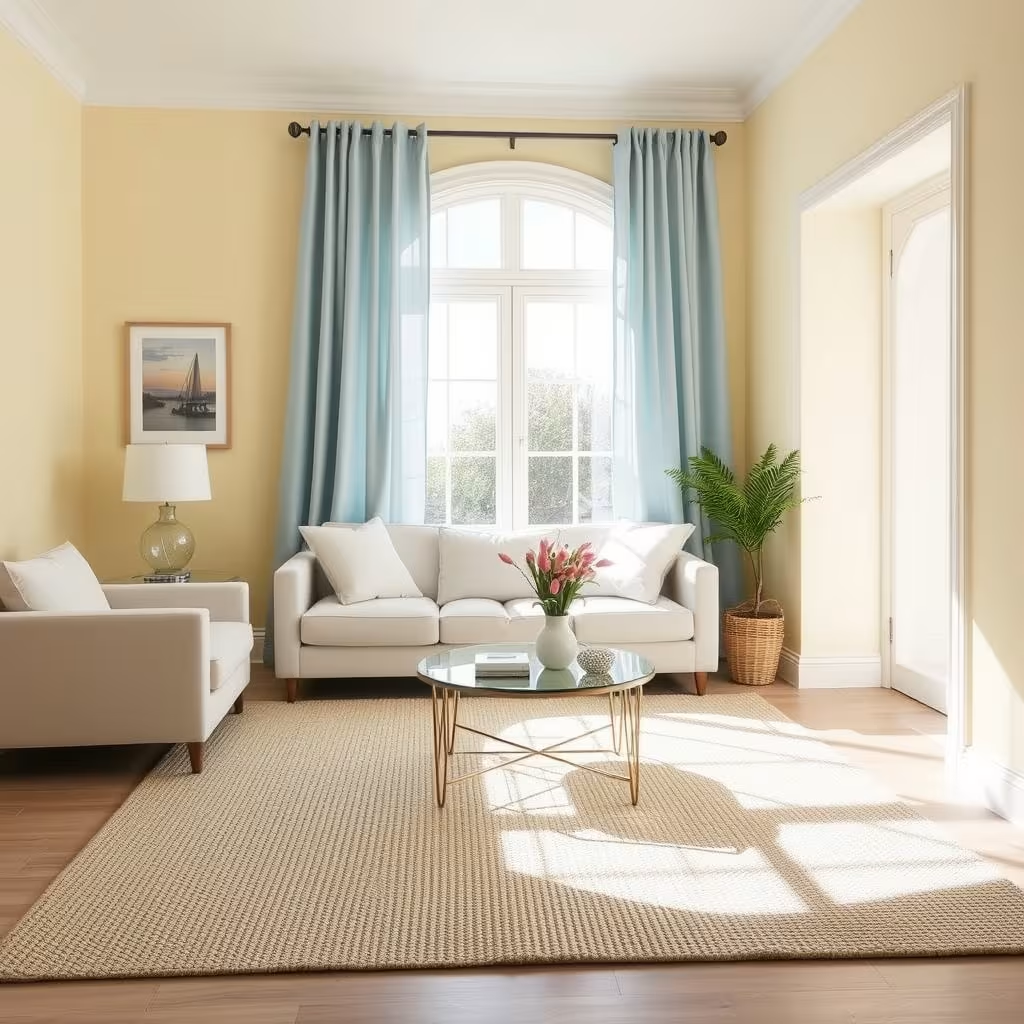
Pair Crisp Linen Blue with Soft Buttercream for Small Spaces
If your living room lacks square footage, avoid heavy dark tones and lean into a breezy coastal palette. Use a soft buttercream yellow on the walls to bounce morning light around the room, and layer in sky blue or denim linen drapes. In a recent client project for a compact apartment, this exact pairing made the space feel twice its size. Buttercream acts as a warm neutral, while the linen blue adds a cool, calming anchor that keeps the yellow from looking too buttery or aggressive.
Pro Tip: Stick to flat-weave rugs in oatmeal or cream to tie these two light shades together without introducing a third competing color.
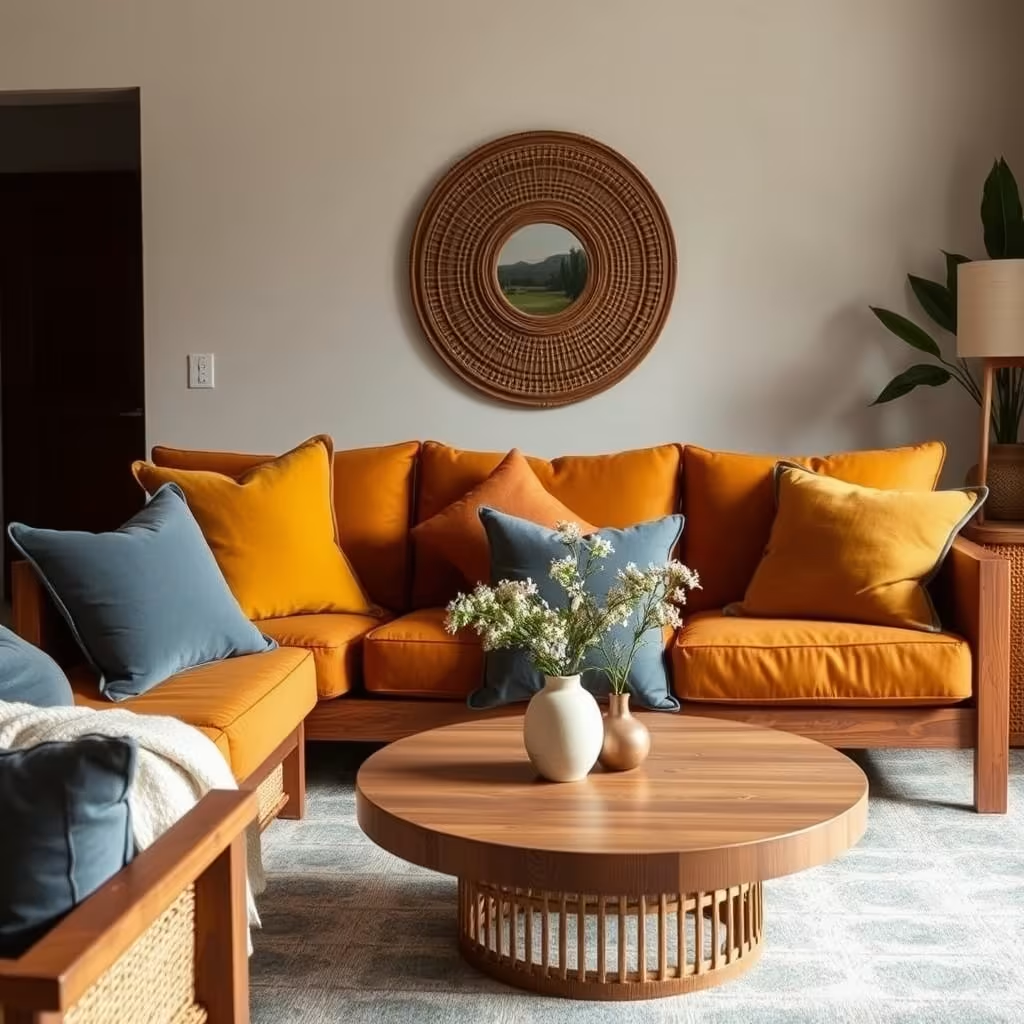
Ground Modern Boho Spaces with Terracotta Yellow and Slate Blue
For a bohemian or eclectic living room, bypass standard yellow and lean into a golden terracotta or curry hue. Pair this earthy yellow with a muted slate blue on your soft furnishings, like throw pillows or an oversized abstract canvas. I used this pairing in a mid-century boho hybrid living room, and the key to its success was keeping the larger wood tones warm and mid-toned, like teak or walnut. Avoid gray-toned woods here, as they will fight with the warmth of the yellow.
Pro Tip: Incorporate natural elements like rattan, jute, or terracotta planters to bridge the gap between the cool blue and warm yellow.
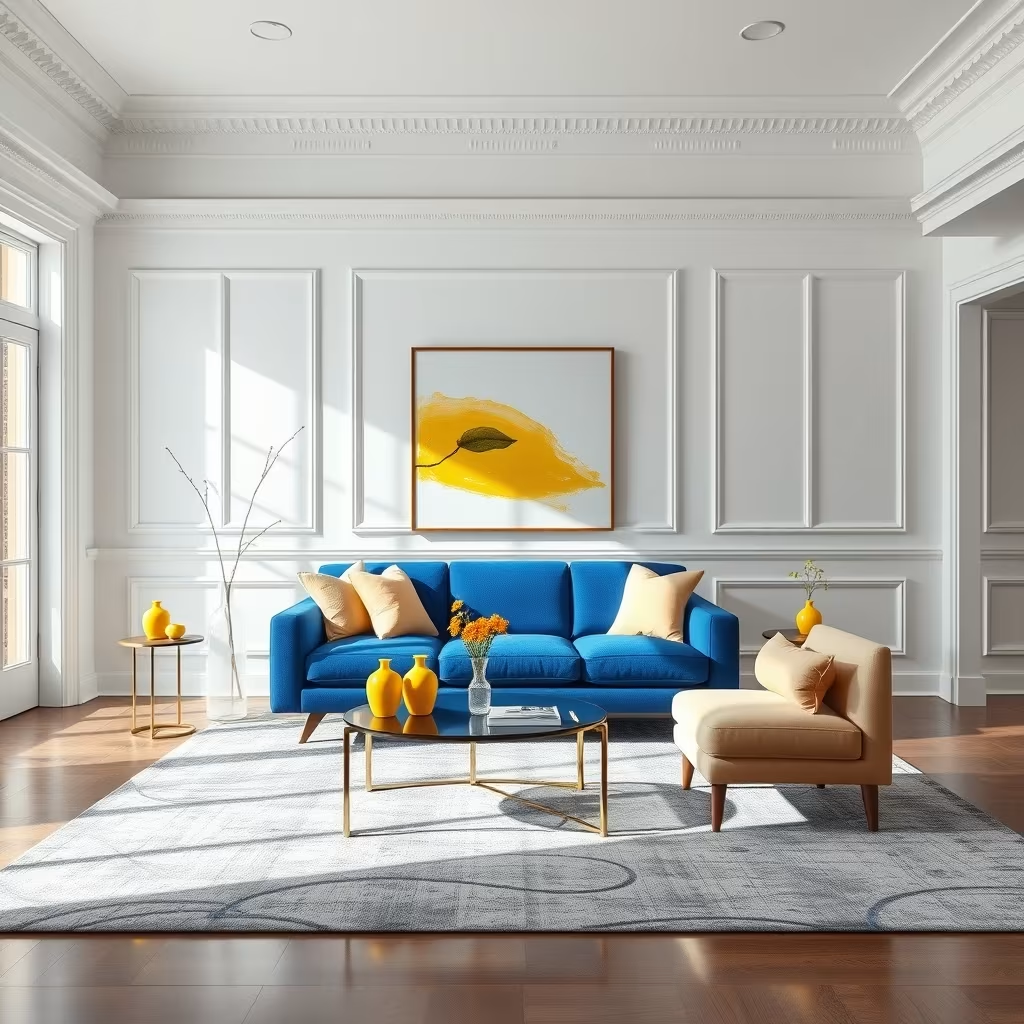
Use the 60-30-10 Color Rule with Cobalt and Lemon
When working with high-energy colors like bright cobalt blue and zesty lemon yellow, balance is everything. Apply the classic 60-30-10 interior design rule: use a neutral white or soft gray for 60 percent of the room (walls and large rugs), cobalt blue for 30 percent (the sofa or large armchairs), and lemon yellow for just 10 percent (small accents like vases, art, and lumbar pillows). When I renovated a family playroom-turned-formal-lounge, keeping the lemon to tiny doses kept the space chic rather than overwhelming.
Pro Tip: Swap out your lemon yellow accents seasonally for a softer cream if you ever get tired of the high-contrast look.
Elevate Traditional Rooms with French Blue and Antique Brass Yellow
Traditional and transitional living rooms thrive on sophistication, which you can achieve using dusty French blue and metallic brass accents. Paint your built-in bookshelves a chalky French blue, and style the shelves with brass picture lights, brass-rimmed trays, and objects with a golden metallic sheen. This gives you the yellow element without having to commit to yellow upholstery or paint. In my own formal sitting room, this subtle metallic approach added instant warmth without feeling flashy.
Pro Tip: Look for vintage brass items at thrift shops to introduce that yellow-gold tone with authentic patina and character.
Add Warmth to Industrial Interiors with Denim and Marigold
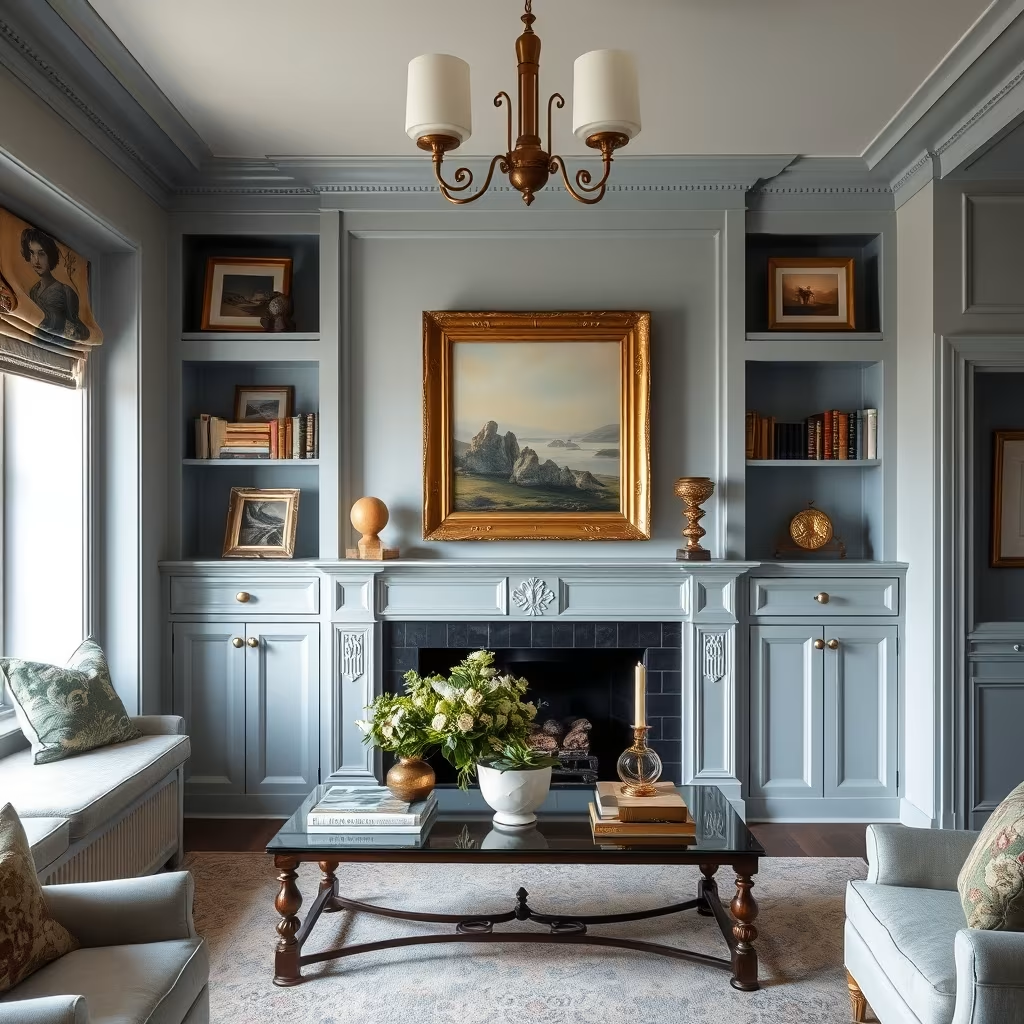
Industrial spaces featuring exposed brick, concrete floors, and black metal can often feel cold and unwelcoming. Soften these hard edges by introducing faded denim blue textiles and punchy marigold yellow throw blankets. I recently helped a client style an industrial loft, and draping a chunky marigold knit blanket over a distressed leather and denim sofa completely transformed the vibe. The trick is to keep the blue faded and washed-out so it doesn’t compete with the raw industrial finishes.
Pro Tip: Introduce a black steel coffee table to tie the industrial bones of the room back to the darker blue textiles.
Create a Calm Sanctuary with Powder Blue and Flax Yellow
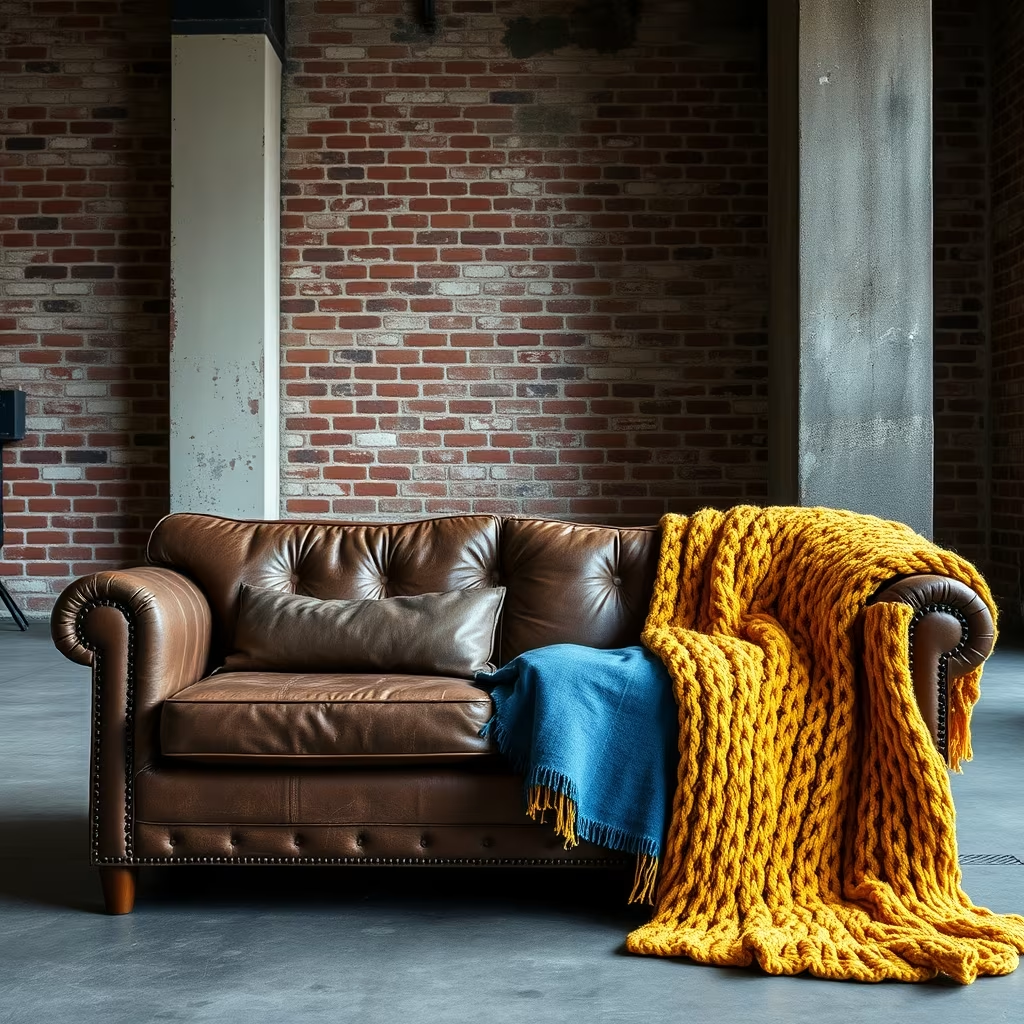
If your living room doubles as a quiet reading nook or a relaxation zone, lean into a muted, low-saturation palette. Powder blue on the walls paired with flax, or flaxen-yellow, linen upholstery creates an ethereal, calming environment. I always recommend this pairing for rooms that get intense afternoon sun, as the cool powder blue helps temper the heat of the light. Avoid stark white trim here; instead, use a creamy off-white to keep the overall mood soft and cohesive.
Pro Tip: Add blonde wood furniture, like birch or ash, to maintain the light, airy Scandinavian feel of this color scheme.
Make a Statement with Geometric Art and Pattern Mixing
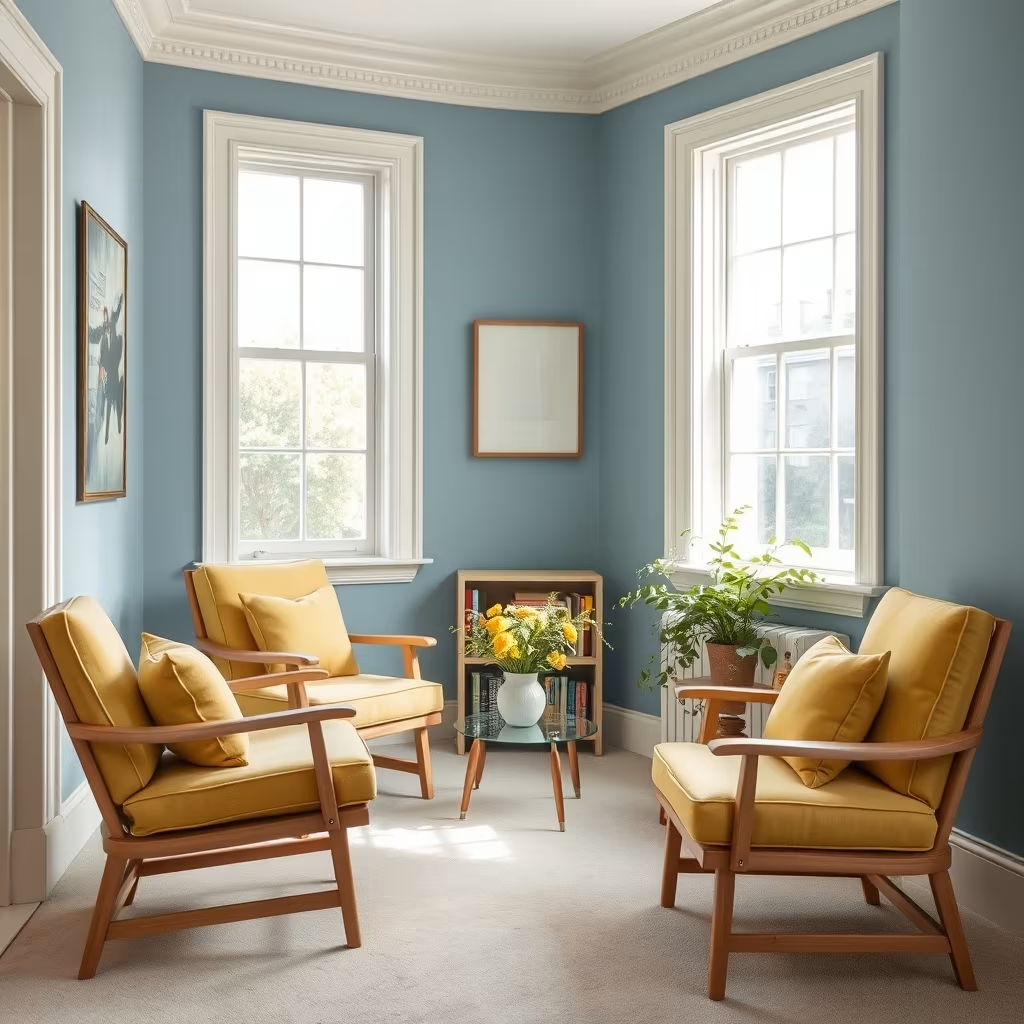
For those who love bold design, mixing blue and yellow through patterns is a foolproof way to inject personality. Look for patterned rugs, geometric throw pillows, or statement wallpaper that combines both colors in varying scales. When I designed a modern eclectic apartment last year, we used a large-scale navy and yellow geometric rug as the room’s anchor, then kept the surrounding furniture solid to prevent visual clutter. Pattern mixing requires confidence, but keeping your foundational furniture neutral makes it entirely foolproof.
Pro Tip: Vary the scale of your patterns—pair a large geometric rug with small-scale striped pillows so the designs do not clash.
Frequently Asked Questions
Q: What wall color goes best with a blue and yellow living room?
A: A soft, warm off-white or light greige (gray-beige) is your best bet. It prevents the room from looking too stark while allowing your blue and yellow furniture pieces to stand out without competing against a loud background color.
Q: Does blue and yellow make a living room look too childish?
A: It can if you use primary school blue and bright sunshine yellow. To keep it sophisticated, opt for mature variations like navy, slate, or French blue paired with mustard, marigold, or buttercream yellow.
Q: How can I update my existing neutral living room to include blue and yellow?
A: Start small with the 10 percent rule. Add a couple of blue and yellow throw pillows, a patterned art piece that features both tones, and a ceramic vase in a golden yellow hue on your coffee table.
Decorating with blue and yellow is all about balancing cool and warm tones to match your personal style and room lighting. Whether you go bold with navy and mustard or keep it breezy with powder blue and buttercream, this classic color duo offers endless versatility. Take your time layering textures, stick to a cohesive color proportion, and enjoy transforming your living space into a fresh, inviting retreat.
Leave a Reply