

10 Dreamy Living Room Inspiration Ideas for a Warm and Inviting Space
Creating a living room that feels genuinely warm and inviting does not require a complete architectural overhaul or a limitless budget. When clients ask me how to make their main gathering space feel less like a sterile showroom and more like a cozy sanctuary, I always point them toward intentional layering of textures, grounding earth tones, and thoughtful lighting. As an interior stylist who has renovated dozens of living spaces over the years, I have learned that the secret to a dreamy room lies in the details that engage your senses. Here are eight practical, designer-approved ideas to help you transform your living room into the most welcoming room in your home.
For more stylish living room inspiration, explore our 10 Stunning Side Table Decor Living Room Ideas for a Fresh New Look to create beautiful, balanced spaces with thoughtful accents.
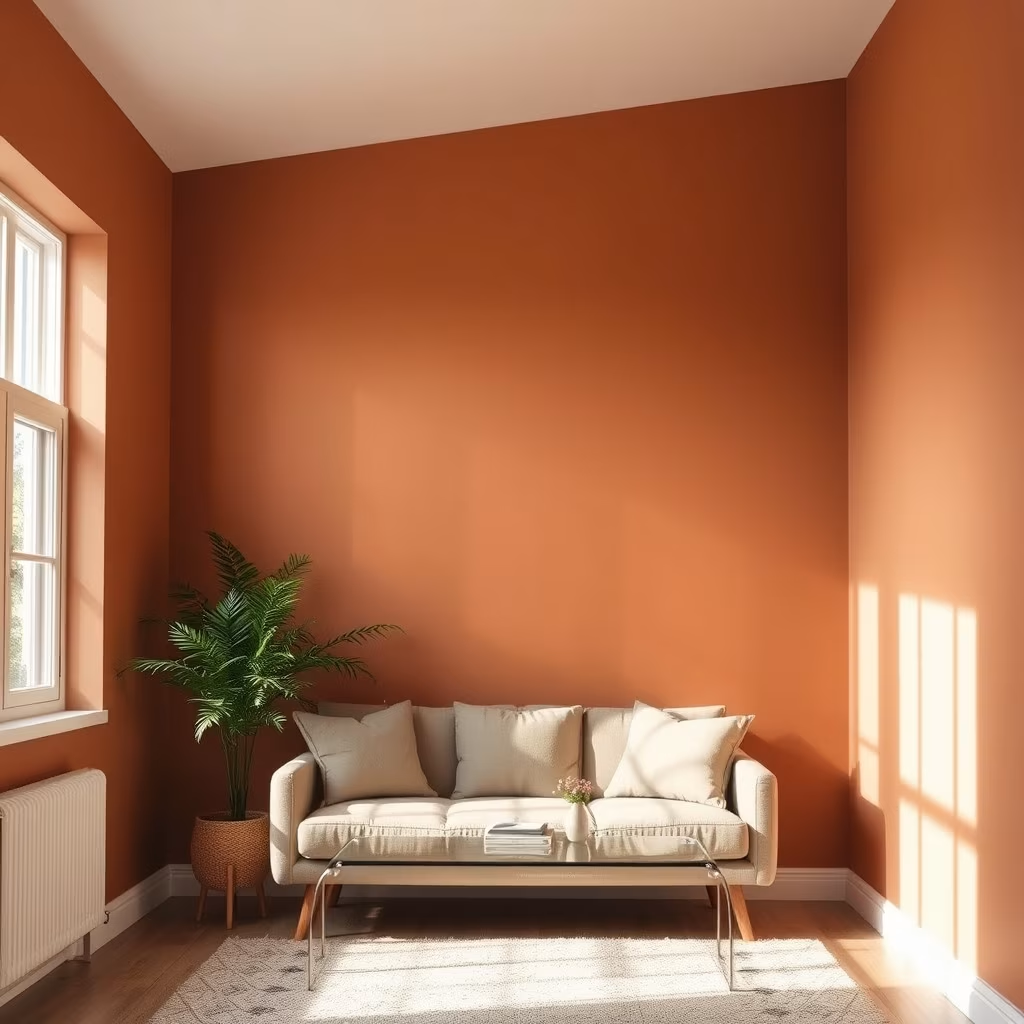
Ground Your Space With Rich Terracotta and Clay Wall Tones
Moving away from stark white or cool gray walls is the fastest way to add instant warmth to a living room. I often recommend rich terracotta, warm clay, or soft burnt sienna shades because they absorb light rather than bouncing it around harshly, instantly making a large room feel more intimate. When painting a client’s living room in a North-facing space last year, we chose a muted clay paint with a flat finish, and the room instantly transformed from chilly to cradling. If you live in a rented apartment and cannot paint, you can achieve this exact same grounding effect by hanging a large-scale art piece featuring deep rust and brick-red color blocks.
Design Tip: Avoid overly saturated neon oranges on your walls, as they can look harsh and clinical under artificial lighting at night. Stick to earthy pigments with brown or gray undertones for that sophisticated, aged-in look.
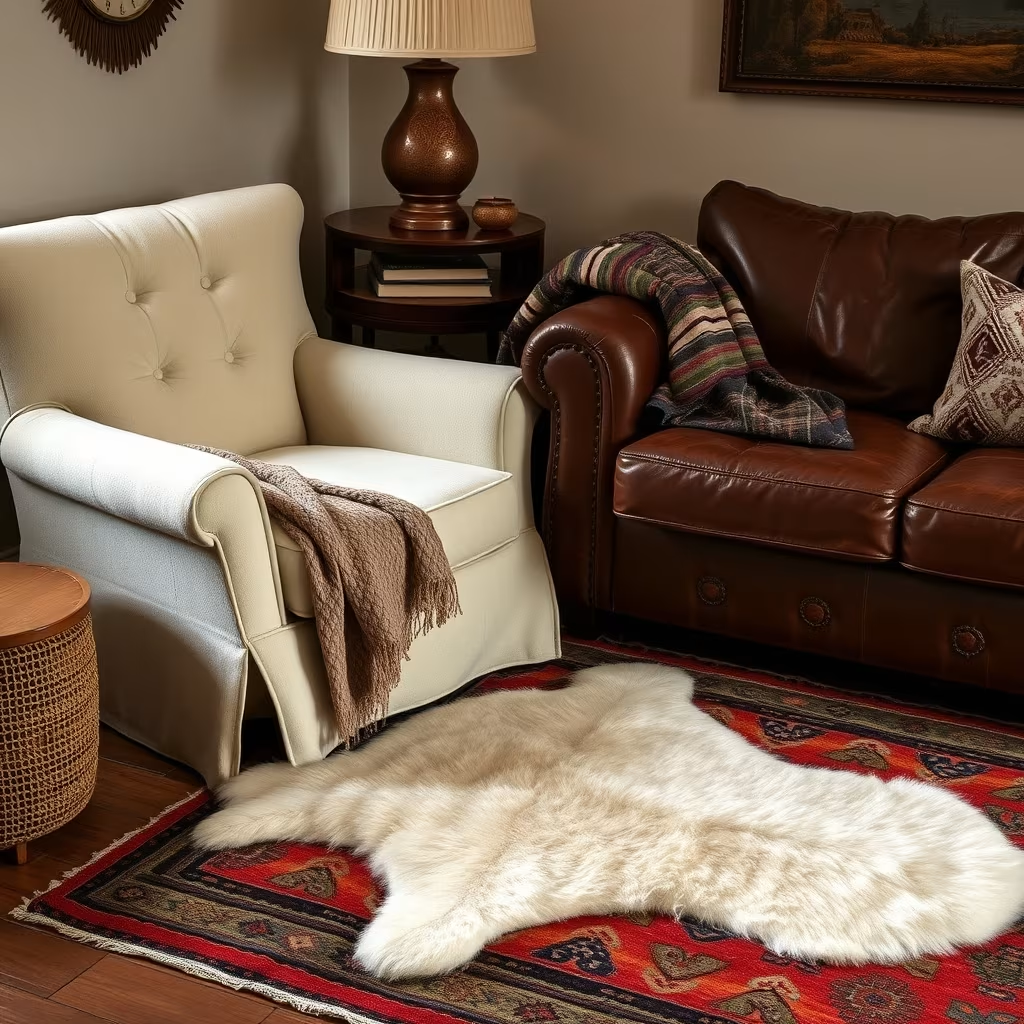
Layer Bouclé, Velvet, and Chunky Knit Textures for Depth
A warm room relies entirely on tactile variety rather than a matching furniture set. By mixing heavy textures—like a cream bouclé armchair paired with a distressed leather sofa and a chunky wool throw blanket—you create visual depth that immediately invites you to sit down and stay awhile. In my own living room, I layered a vintage flat-weave kilim rug underneath a high-pile sheepskin accent rug to keep bare feet warm during winter mornings. This technique prevents a neutral color palette from feeling flat or boring by letting texture do the heavy lifting.
Budget-Saving Swap: Instead of buying an entirely new bouclé accent chair, slipcover an existing armchair in a textured chenille fabric or drape an oversized faux-fur throw over the back.
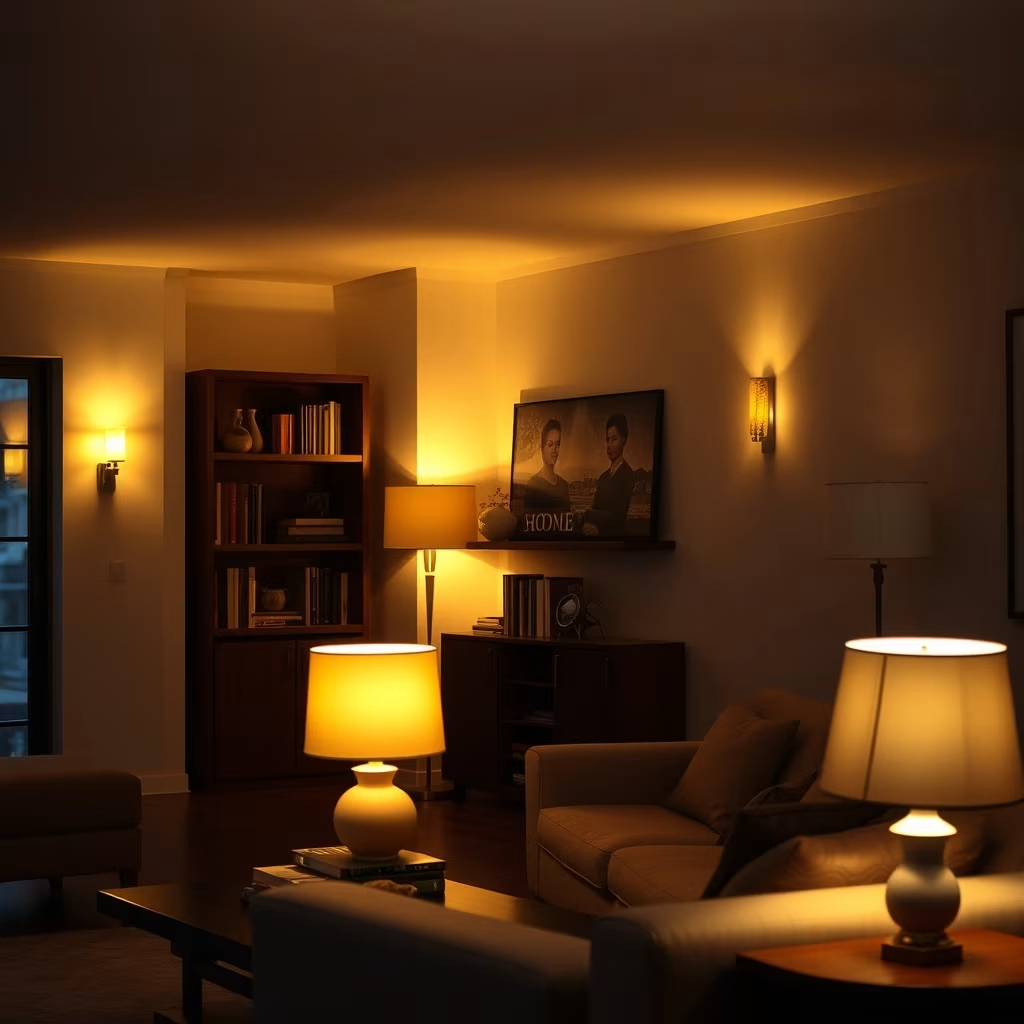
Swap Overhead Lighting for Amber Glows and Table Lamps
Harsh overhead recessed lighting is the number one enemy of a warm and inviting living room. To create a dreamy, relaxing atmosphere, banish the big ceiling light entirely after sunset and rely exclusively on a combination of table lamps, floor lamps, and wall sconces. I always specify lightbulbs with a color temperature between 2400K and 2700K to emit a soft, amber glow reminiscent of candlelight. Placing a small ceramic lamp on a bookshelf or media console casts a gentle wash of light upward, eliminating dark corners and making the whole room feel larger.
Styling Tip: Use smart bulbs set to a warm dimming schedule so your living room automatically adjusts its brightness and warmth as the sun goes down outside.
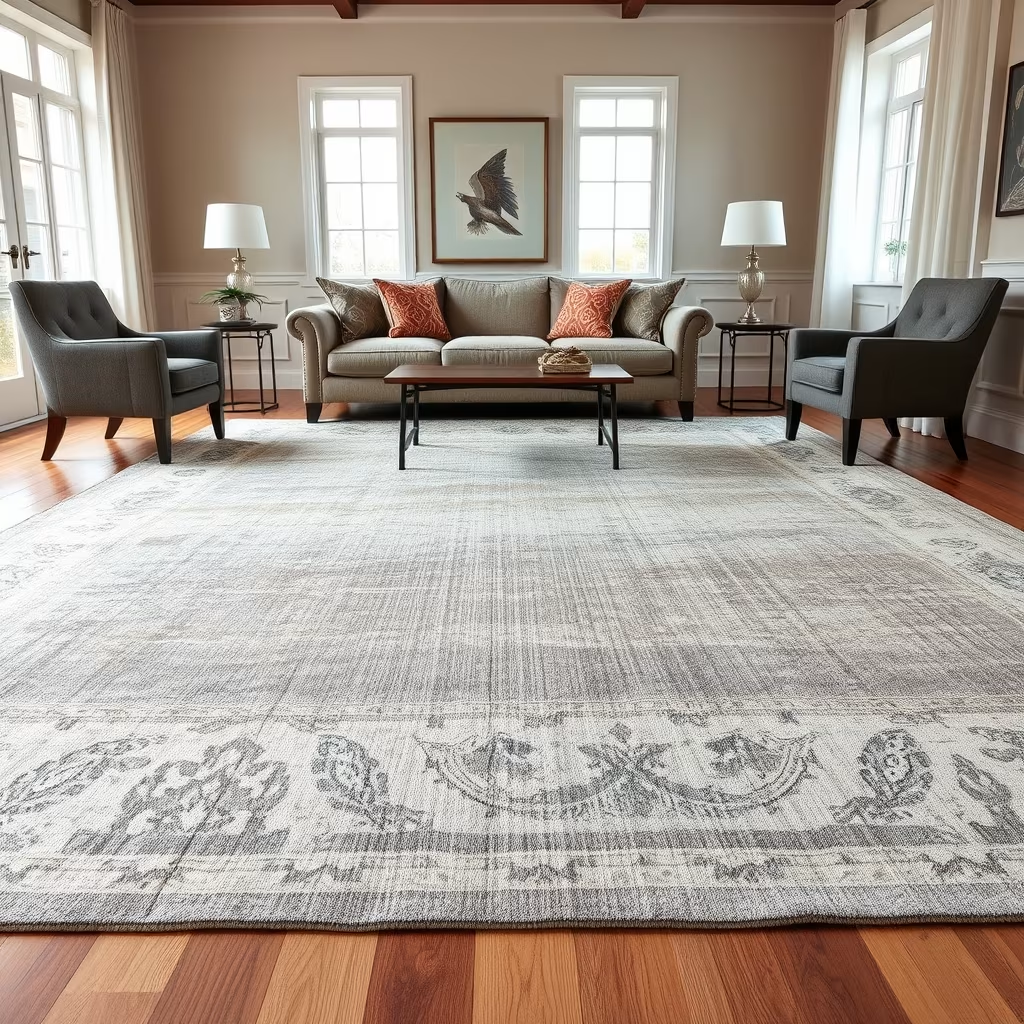
Anchor the Room With a Vintage or Distressed Wool Area Rug
Hardwood and laminate floors are durable, but they can easily make a living room feel cold and hollow without a substantial anchor. An oversized wool or vintage-style distressed rug defines your seating layout and brings instant softness underfoot. When sizing a rug for a living room, a common mistake is buying one that is too small; make sure at least the front legs of your sofa and armchairs sit comfortably on the rug. Wool is naturally stain-resistant and durable, making it worth the investment for high-traffic family rooms.
Renter Adaptation: If you have wall-to-wall carpeting that you cannot remove, layering a smaller vintage kilim rug on top of low-pile carpet can instantly break up monotony and add curated character.
Integrate Natural Wood Elements and Cane Furniture
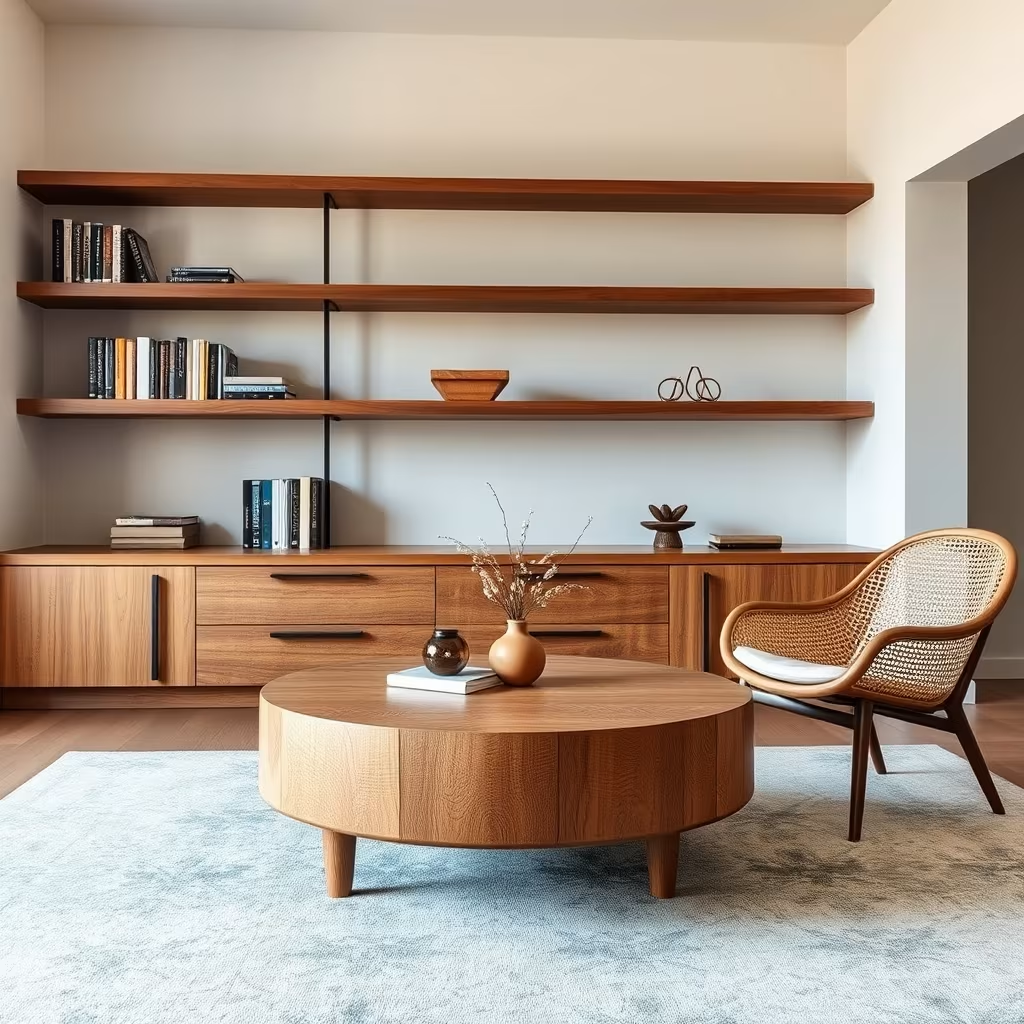
Introducing organic wooden tones instantly warms up a cool or modern living room scheme. Think honey-toned oak coffee tables, walnut bookshelves, or chairs with woven cane detailing reminiscent of mid-century design. When I renovated a cramped suburban living room last spring, swapping a heavy glass-and-chrome coffee table for a round oak wood piece instantly softened the circulation path and removed sharp visual edges. Wood brings a living, breathing element indoors that manufactured laminates simply cannot replicate.
Maintenance Note: Protect your wood furniture from direct afternoon sun exposure with UV-filtering window films or sheer linen curtains to prevent the natural stain from fading unevenly over time.
Curate a Neutral Palette With Subdued Olive and Sage Accents
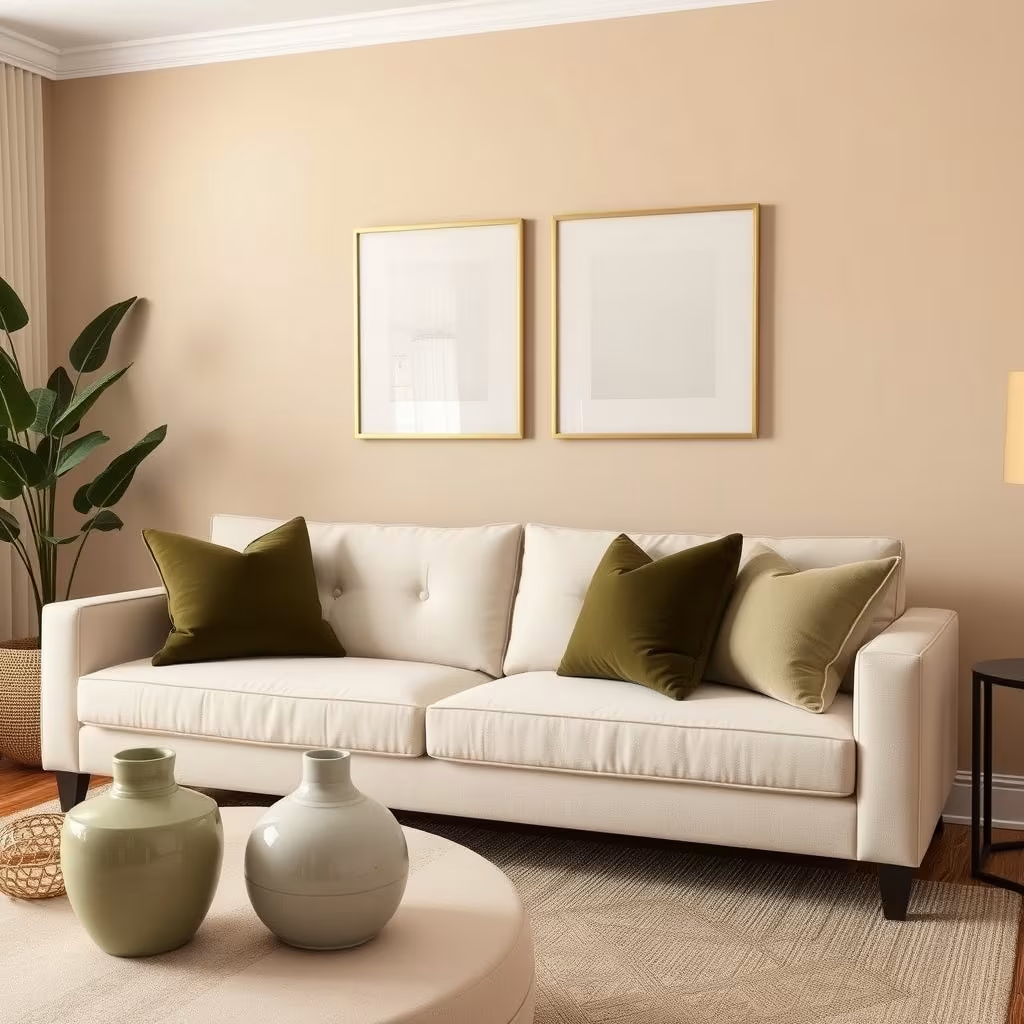
If bright colors intimidate you, a warm neutral palette spiced up with subdued olive green, muted sage, or soft moss is a foolproof design direction. These botanical tones bridge the gap between indoor living spaces and the natural world outside. In practice, you can apply the classic 60-30-10 interior design rule: use cream or warm beige for 60 percent of the room (walls and large sofa), natural wood or leather for 30 percent (floors and accent chairs), and rich olive for the remaining 10 percent through throw pillows, ceramic vases, and leafy plants.
Pairing Suggestion: Pair muted green accents with brushed brass or antique gold picture frames and hardware to bring out the subtle warmth in the green undertones.
Style With Live Greenery and Dried Botanical Stems
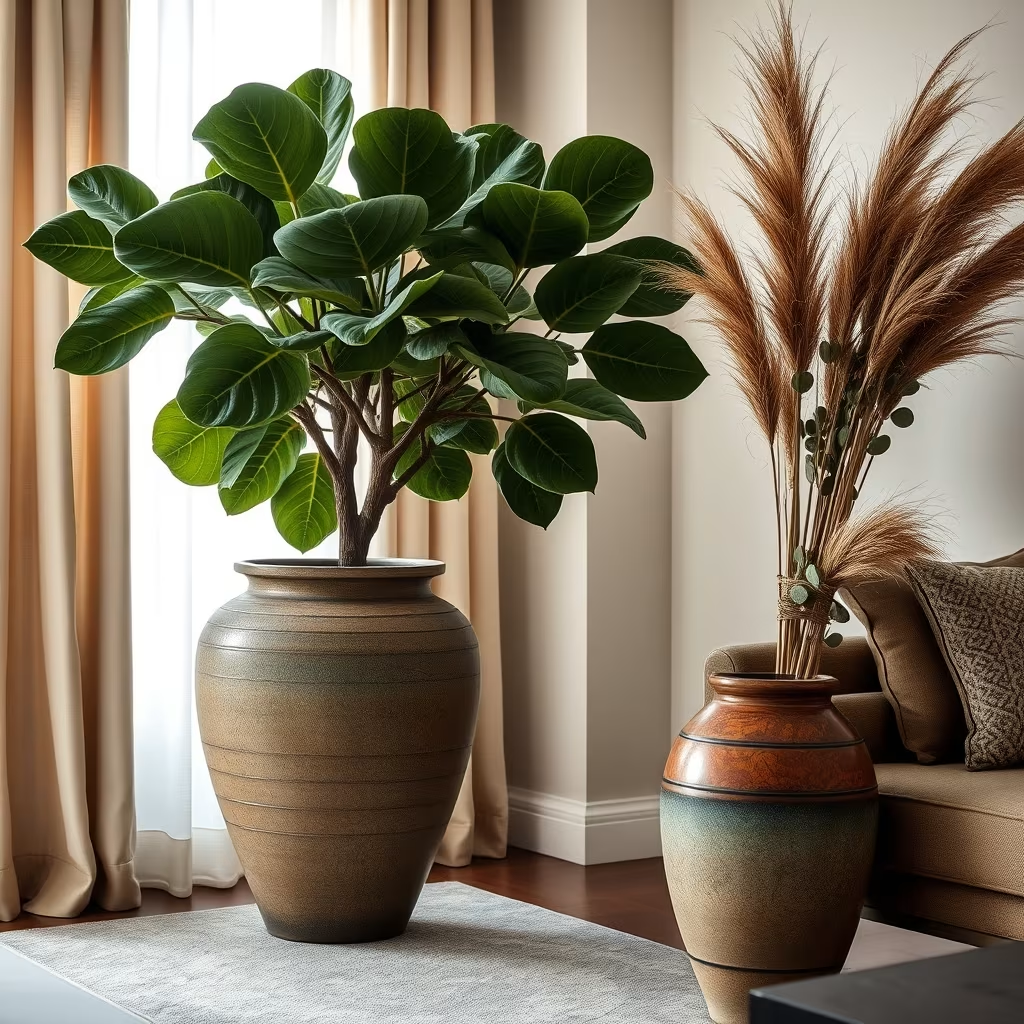
No cozy living room is truly complete without something living or organic inside it. Large statement plants like a fiddle-leaf fig, a rubber tree, or a cascading pothos breathe life into neglected corners. For darker rooms where real plants struggle to survive, dried pampas grass, eucalyptus branches, or bleached Italian ruscus arranged in a heavy ceramic urn offer that same earthy architectural height. When I style client homes, I always use vessels with heavy, artisanal textures to ground the delicate nature of the botanicals.
Small-Space Hack: If floor space is tight, utilize floating wooden shelves or hanging macramé plant holders to bring greenery upward without cluttering your walking paths.
Embrace Asymmetry and Curated Imperfection
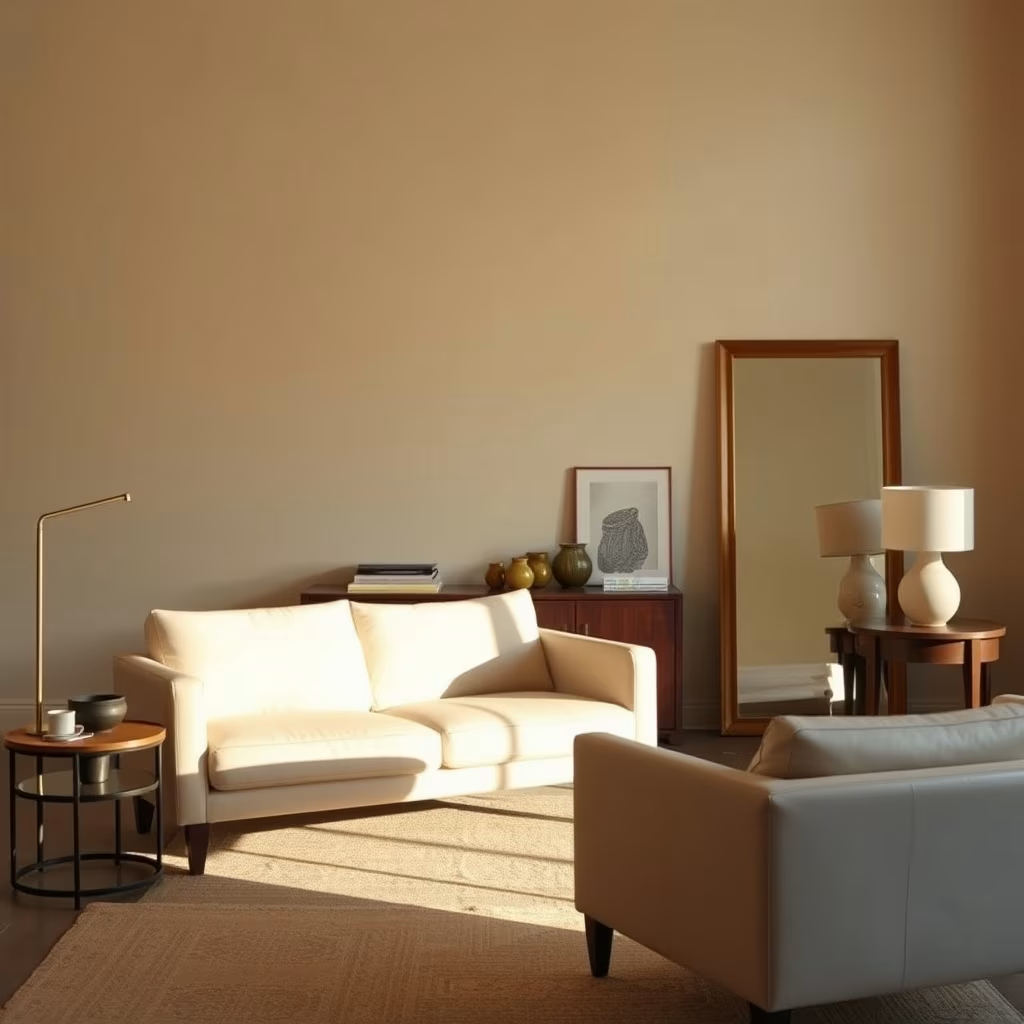
Perfection feels cold, whereas curated imperfection feels deeply welcoming. Instead of matching end tables and perfectly centered gallery walls, embrace asymmetrical layouts that look collected over time rather than bought all at once from a single catalog. Pair a modern sofa with an antique wooden side table, lean a large unframed mirror against the wall instead of hanging it rigidly, and display personal pottery alongside art books. This layered, lived-in approach tells the story of who lives there and immediately puts guests at ease.
Design Rule to Break: You do not need to push all your furniture directly against the walls. Pulling your sofa even just six inches away from the wall and floating it with a console table behind it makes the room feel instantly more custom and expansive.
Frequently Asked Questions
Q: What colors make a living room look warmer?
A: Earth tones like terracotta, burnt sienna, warm beige, soft mustard, and muted olive green are the best choices for adding warmth because they absorb light and create a cozy, cocooning atmosphere.
Q: How can I make my living room look cozy on a budget?
A: Focus on soft textiles like chunky knit throw blankets, change your harsh white lightbulbs to warm amber bulbs (around 2700K), and add thrifted wooden decor or framed botanical prints.
Q: Does a small living room look smaller with dark, warm colors?
A: Not necessarily. While very dark colors can shrink a room, mid-tone warm colors like clay or warm taupe actually blur the corners of a room, creating a cozy, intimate den effect rather than feeling cramped.
Transforming your living room into a warm and inviting sanctuary does not have to happen overnight. Start with one or two impactful changes—like swapping your lighting or adding a textured wool rug—and build your space layer by layer. By prioritizing comfort, natural textures, and a grounding earth-toned palette, you will create a dreamy gathering space that you and your guests will never want to leave. Take your time, trust your eye, and enjoy the process of making your house truly feel like home.
Leave a Reply