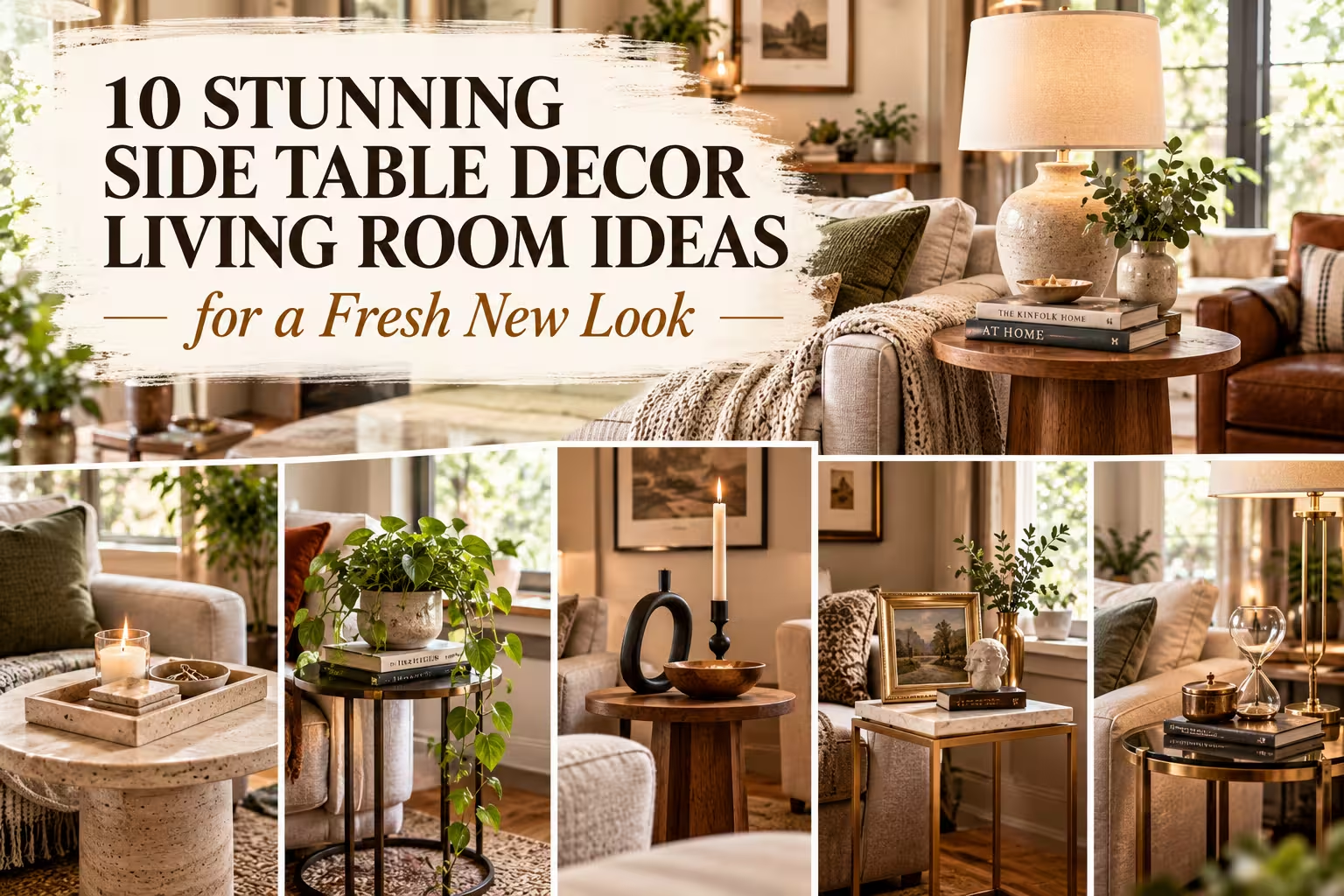
10 Stunning Side Table Decor Living Room Ideas for a Fresh New Look
Styling a side table is one of the easiest ways to refresh your living room without buying new furniture. When you master the balance of height, texture, and function, that neglected corner instantly feels intentional and high-end. Whether your style is mid-century modern, bohemian, or minimalist, a well-curated surface ties the whole room together.
For more inspiration on creating a stylish and functional living room, explore 10 Sleek Mid Century Modern Living Room Ideas for a More Functional Home for smart furniture, storage, and layout ideas.
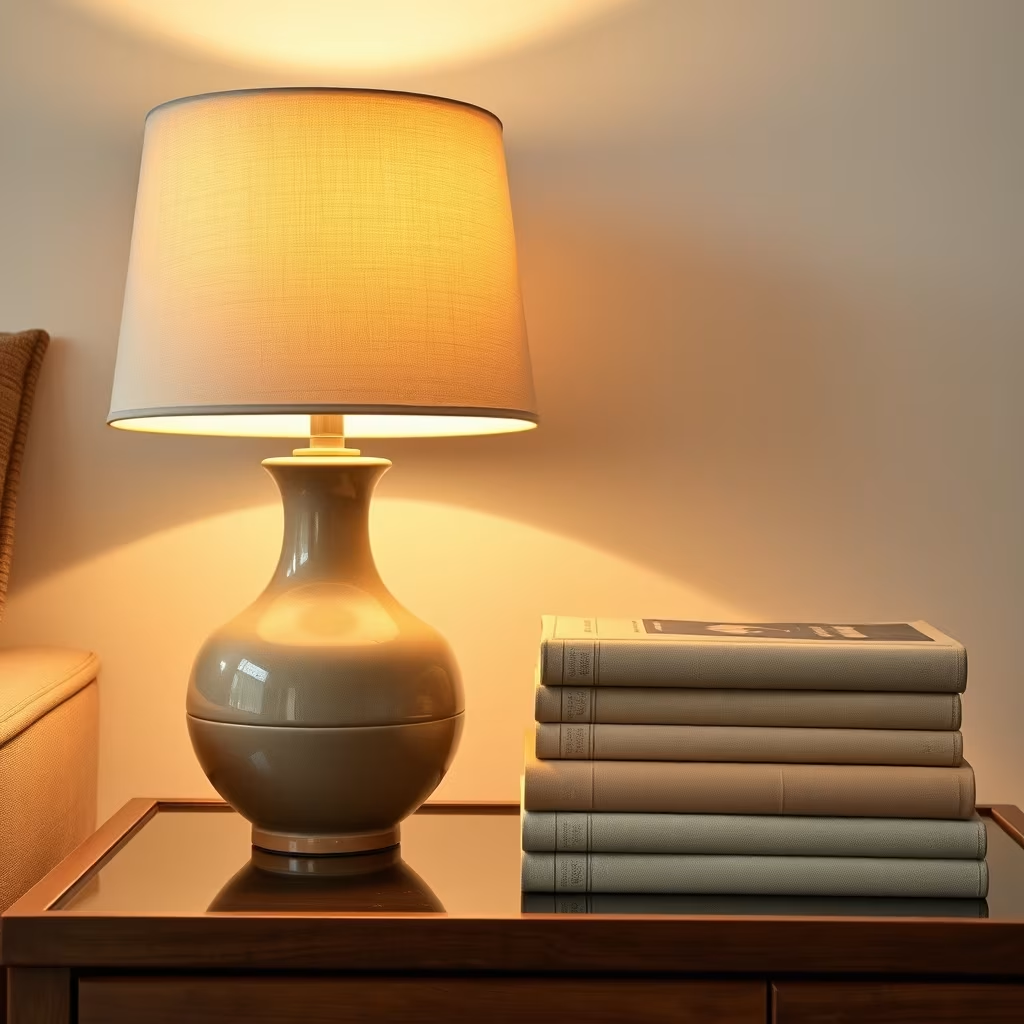
Pairing a Ceramic Table Lamp with a Stack of Vintage Books
To ground your side table, start with a sturdy ceramic lamp for warm ambient lighting, then stack two or three vintage hardback books beneath a small decorative object. When I renovated my living room last year, I found that placing a heavy travertine lamp next to linen-bound books immediately added architectural weight to a flimsy metal frame table. The secret is varying the heights so your eye travels naturally from the light source down to the tabletop surface. Avoid oversized table lamps that overwhelm narrow surfaces; aim for a lamp height that leaves room for at least one small catch-all tray. A good rule of thumb is that your lamp should take up no more than half the surface width.
Pro Tip: Remove the paper dust jackets from your books to reveal neutral linen or cloth bindings underneath for a cleaner, curated look.
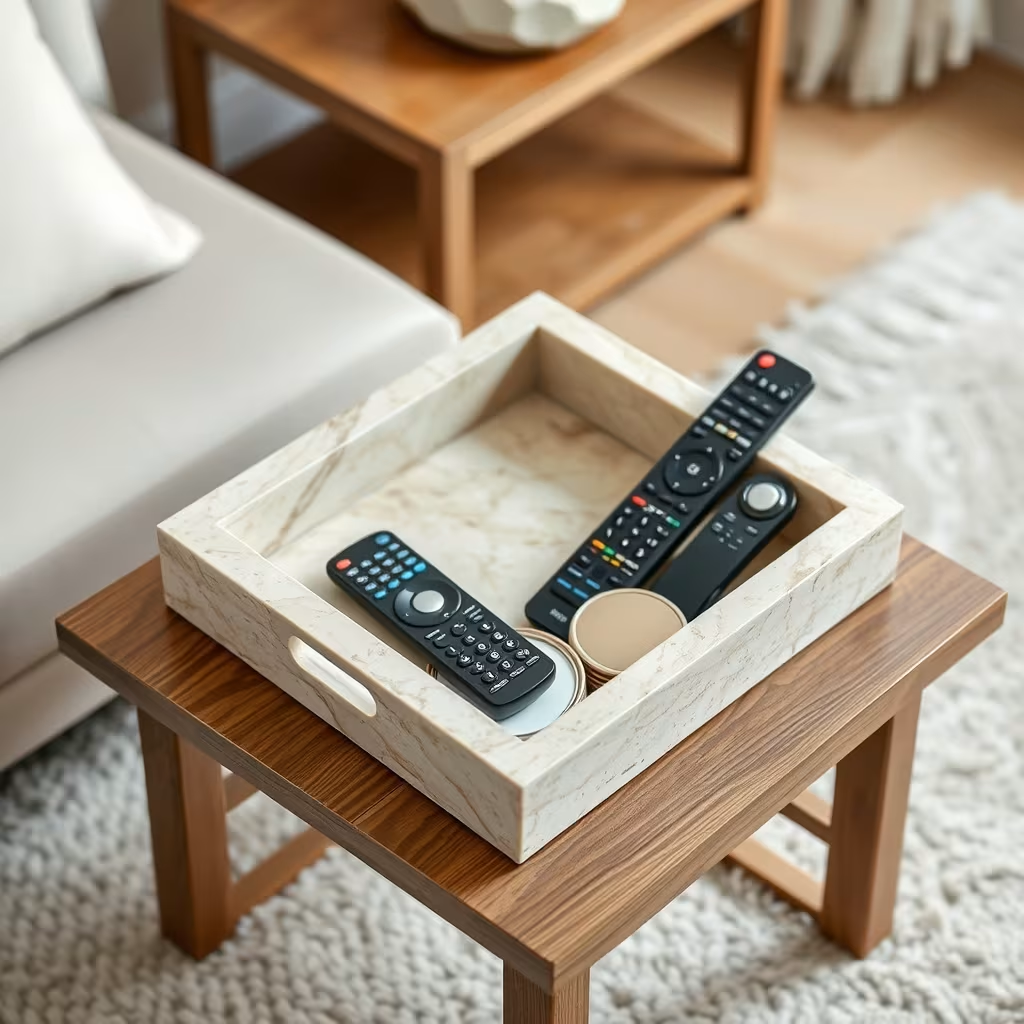
Styling a Travertine Catch-All Tray for Everyday Essentials
Living rooms get cluttered fast with TV remotes, coasters, and lip balm, so a heavy stone tray acts as a chic landing zone. Using a natural material like travertine or marble introduces organic texture while keeping small loose items corralled and out of sight. I always keep a small ceramic dish inside my tray for house keys or mints so the table stays functional for daily family life. If your living room is tight on space, a rectangular tray works better than a round one on square side tables by maximizing the usable perimeter. Make sure not to fill the tray to the brim—leave a little negative space so it looks styled rather than stuffed.
Pro Tip: Buy your stone trays from the kitchen section of home goods stores rather than the decor aisle to get much higher quality at half the price.
Adding Organic Life with a Potted Pothos or Propagation Station
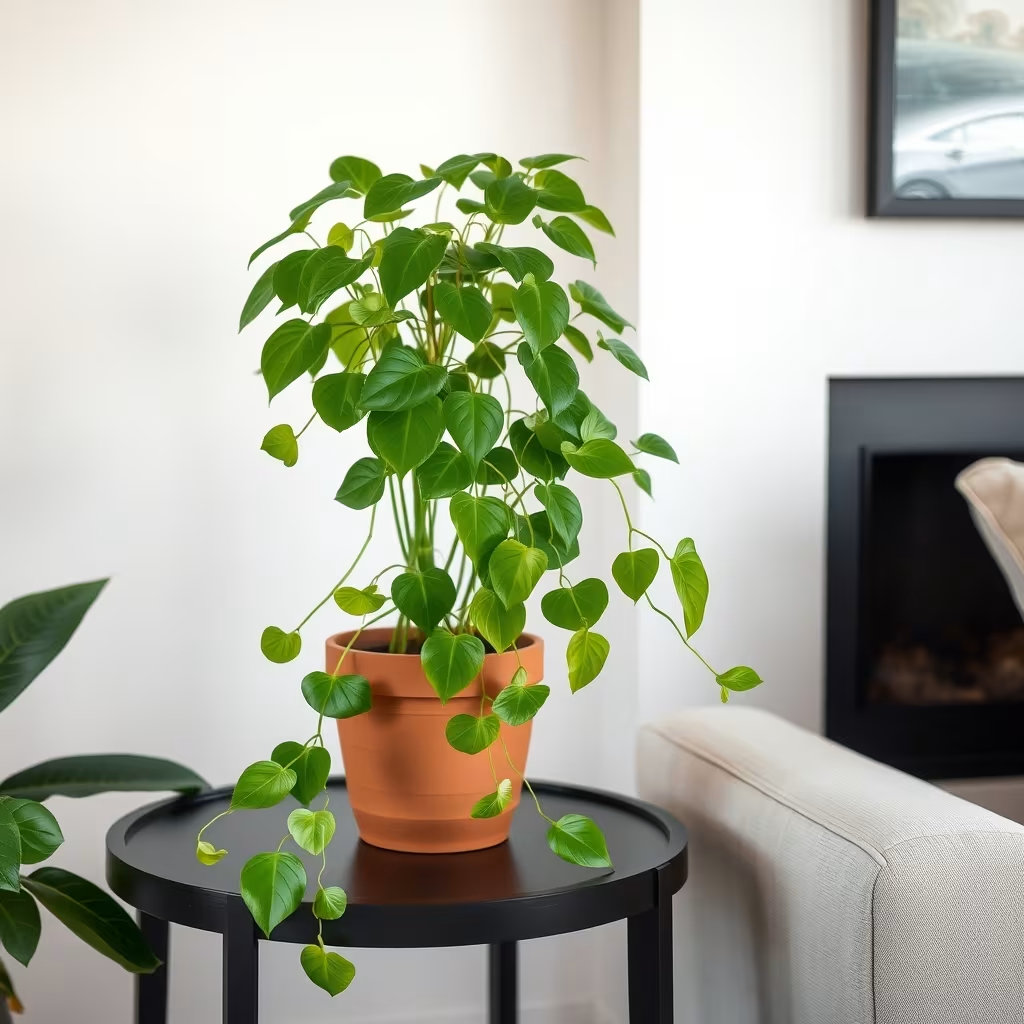
Greenery brings life and softness to hard wood and metal furniture surfaces in any seating area. A trailing pothos in a terracotta pot or a minimalist glass propagation tube creates a dynamic line that breaks up boxy furniture silhouettes. I learned the hard way that high-light plants will wither on dark living room side tables, so stick to low-light varieties like pothos or snake plants if your corner lacks natural sun. If you struggle to keep real plants alive, a single faux eucalyptus stem in a heavy stoneware bud vase offers the same organic shape with zero maintenance. Just wipe the leaves down monthly so dust doesn’t ruin the realistic finish.
Pro Tip: Place a small cork mat underneath your plant pot to prevent water rings and condensation from ruining a wood veneer tabletop.
Creating Contrast with Matte Black Iron and Warm Wood Accents
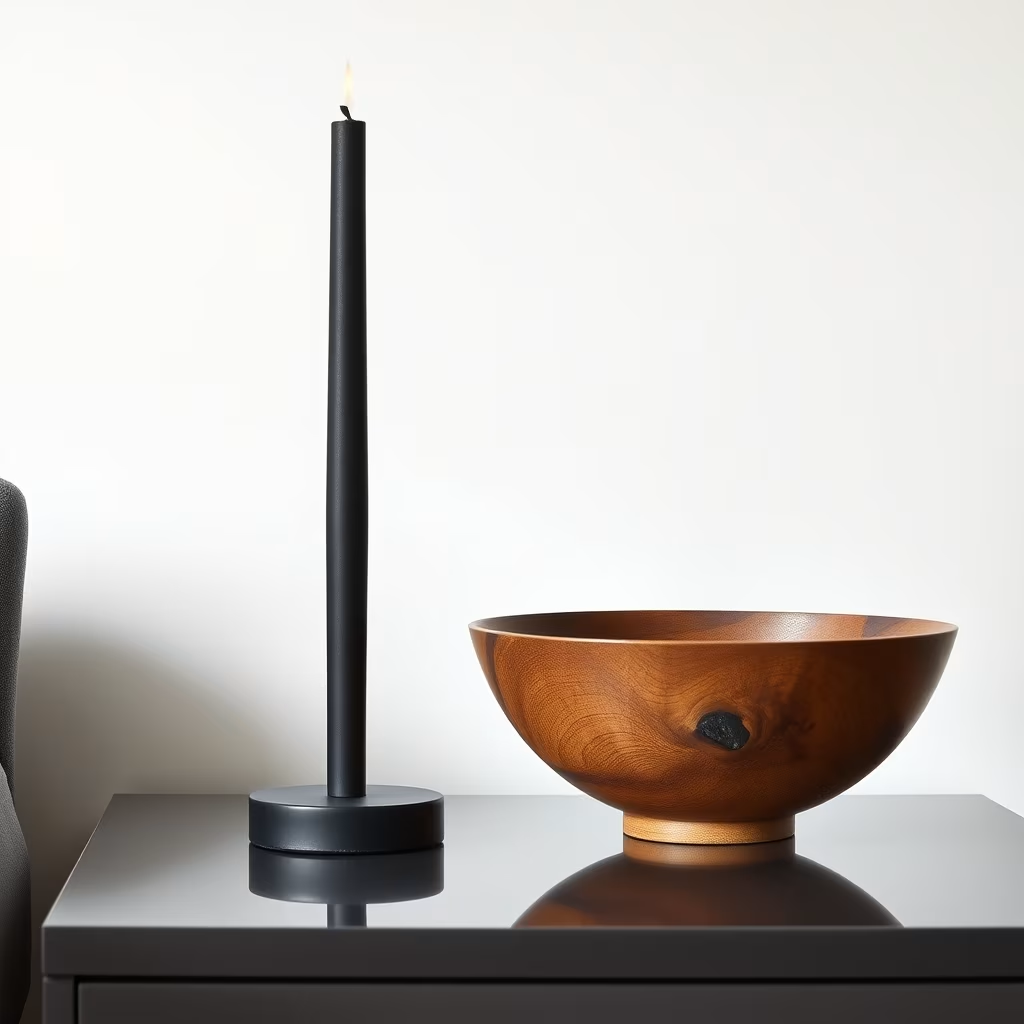
If your living room features a lot of upholstered fabric and neutral walls, introduce matte black iron accessories to add modern edge. Pair a sleek black metal sculpture or a minimalist iron taper candle holder with a warm mango wood bowl to balance cool and warm tones. In my own home, mixing raw iron with warm walnut wood instantly eliminated that flat, matchy-matchy showroom feel. Be careful not to overdo the black accents in small rooms, as too much dark metal can visually weigh down a corner. Stick to one or two statement pieces to keep the vignette feeling light and breathable.
Pro Tip: Use unscented taper candles if you plan on burning them near the sofa, as strong artificial fragrances can easily overwhelm a small living space.
Showcase Personal Stories Through Small Framed Art and Sculptures
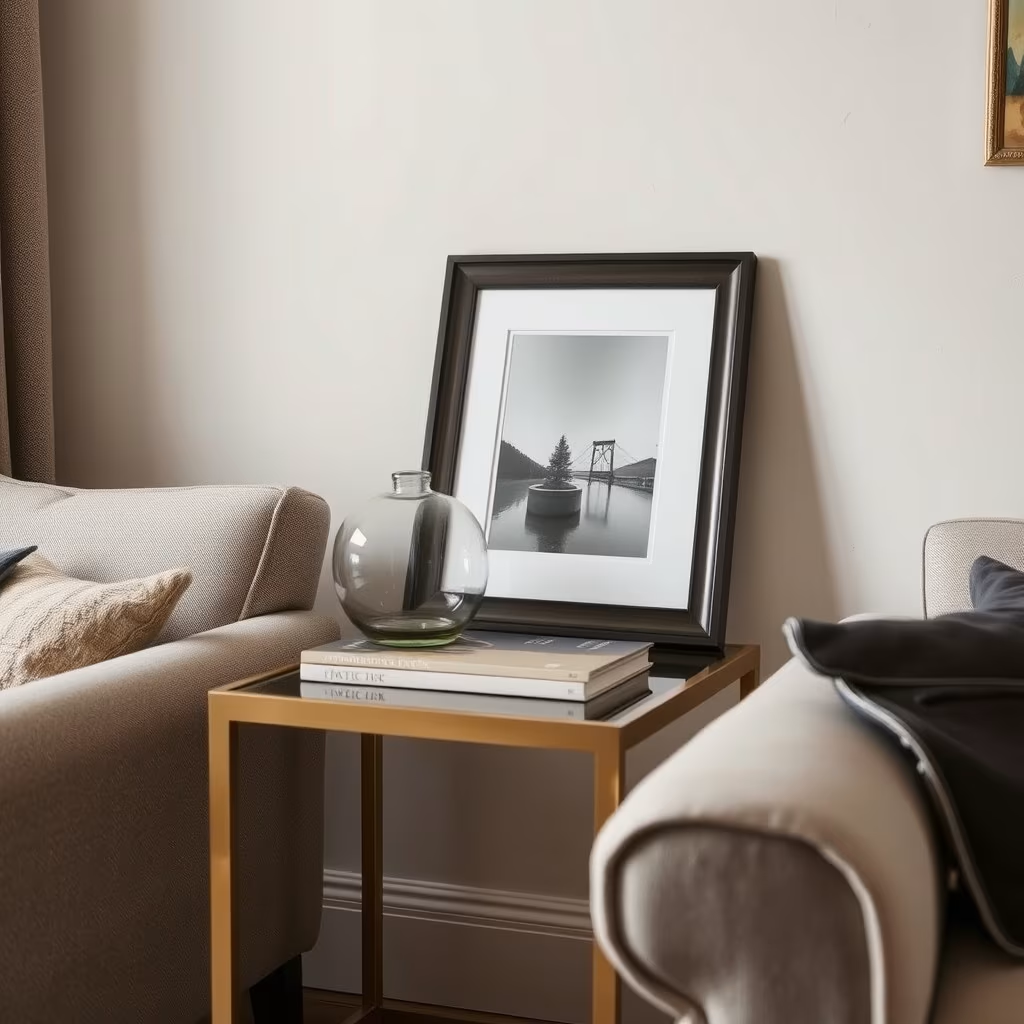
Side tables don’t need to be purely decorative; they are the perfect spot to lean a small framed art print against the wall. Lean a heavy brass frame or a small abstract canvas rather than hanging it, which adds a relaxed, collected-over-time designer aesthetic. When I styled a client’s apartment recently, leaning a small vintage landscape painting instantly made the rental living room feel personalized and rich. Ensure your frame isn’t too tall, or it will block sightlines from the sofa across the room. A 4×6 or 5×7 frame is usually the sweet spot for standard end tables.
Pro Tip: Layer a small framed photo slightly in front of a larger decorative object like a ceramic bowl to create depth and dimension.
Balancing Proportions Using the Rule of Three in Table Styling
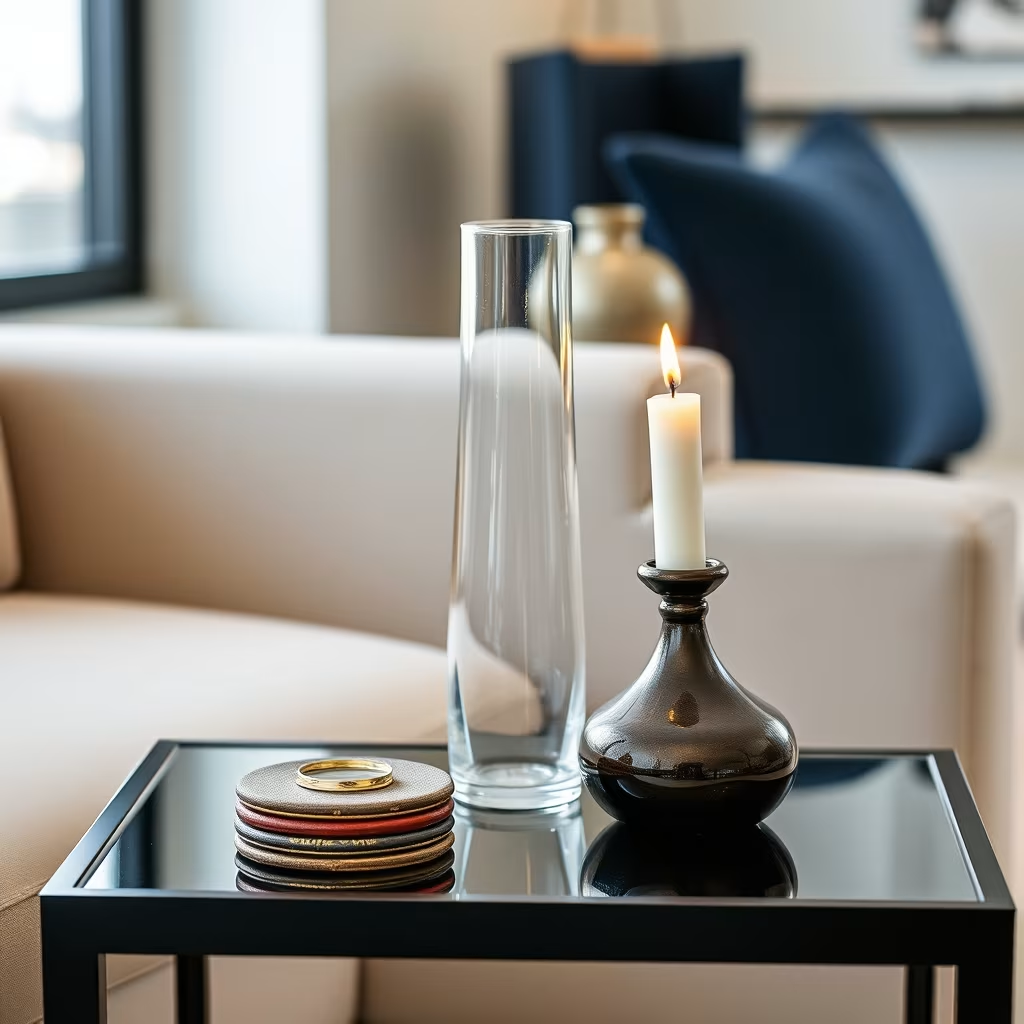
The secret to professional interior styling is mastering the classic rule of threes, which keeps arrangements visually stimulating. Group objects of three different heights—such as a tall vase, a medium candle, and a low stack of coasters—to form an asymmetrical triangle. I use this styling trick in almost every living room project because odd numbers naturally trick the human eye into scanning a surface more comfortably. Avoid clustering items of the exact same height, as it makes the table look stiff and unimaginative. If your arrangement feels too busy, take away one item and let the remaining pieces breathe.
Pro Tip: Imagine drawing a triangle connecting the top of your items; if the shape looks balanced, your styling is spot on.
Incorporating Metallic Sheen with Aged Brass and Polished Glass
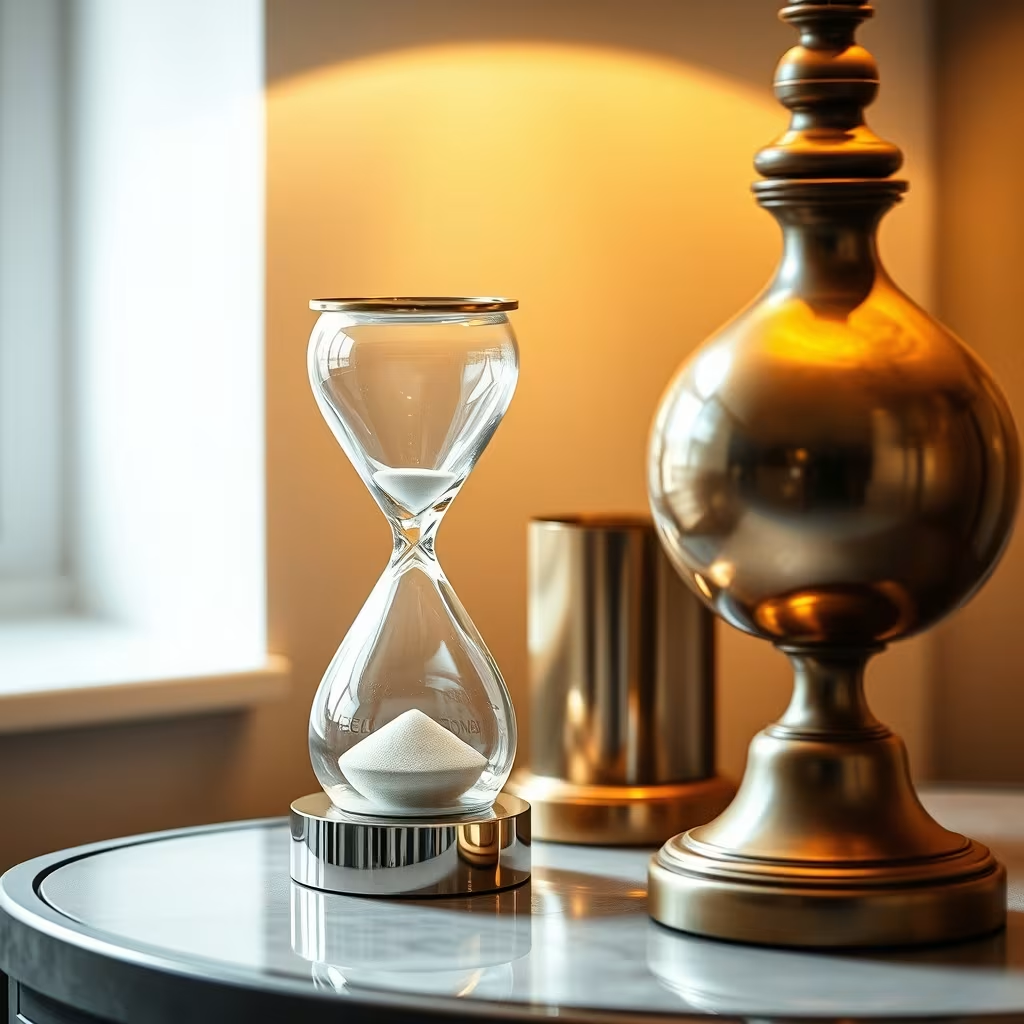
Reflective surfaces bounce light around a dim living room, making the entire space feel brighter and more open. Introduce a polished glass hourglass or an aged brass decorative object to catch the light from your table lamp or nearby window. I love using unlacquered brass because it develops a gorgeous, moody patina over time that feels deeply authentic in traditional or transitional spaces. Avoid cheap, shiny chrome finishes if your living room leans warm or boho, as they can look stark and clinical. Stick to brushed gold or aged brass for a softer, more sophisticated metallic touch.
Pro Tip: Clean glass decor items with a microfiber cloth and vinegar spray weekly to keep fingerprints from dulling their reflective shine.
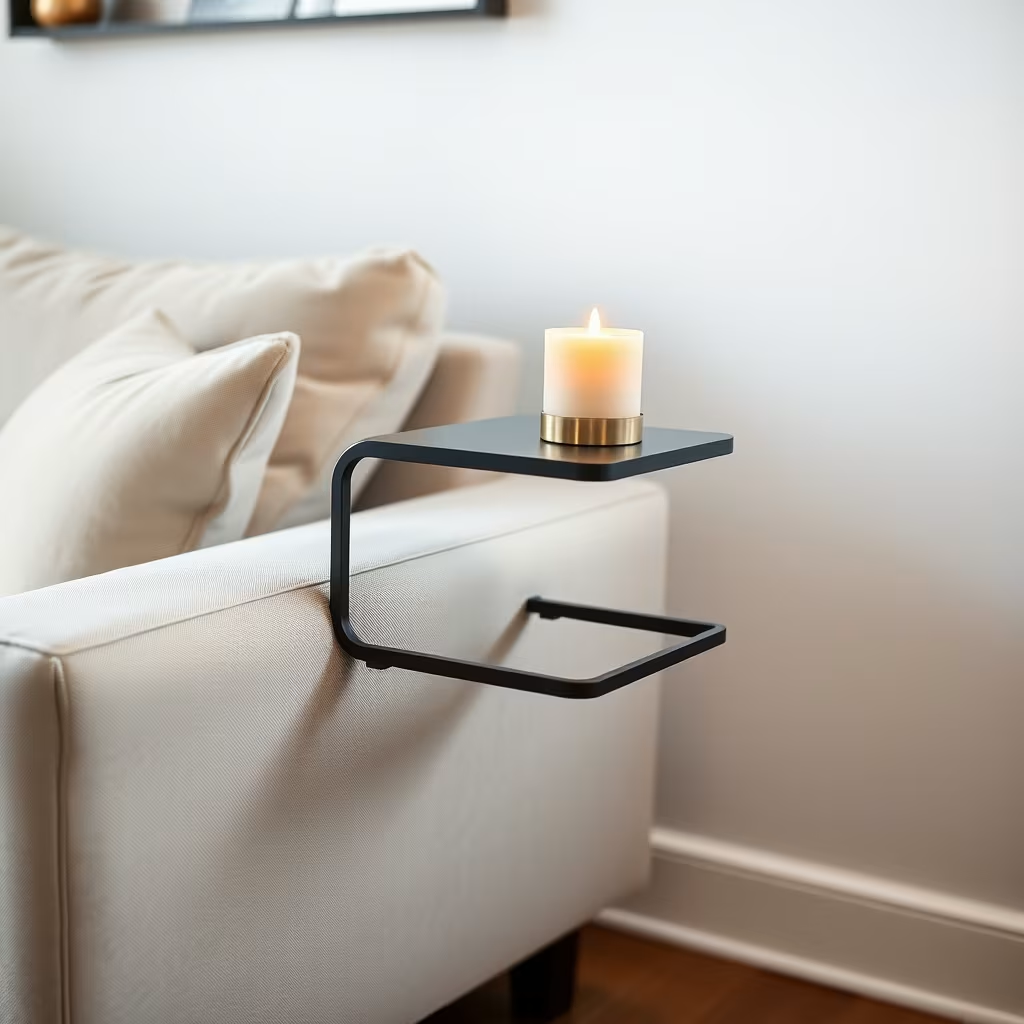
Maximizing Small Living Rooms with Minimalist Floating or C-Shaped Tables
If your living room is tight on square footage, traditional bulky side tables take up too much precious floor space. Swap them for a slim iron C-shaped table that slides directly over your sofa arm or a wall-mounted floating wood shelf. When I lived in a compact downtown apartment, a C-table was a total game-changer for holding my morning coffee without crowding the seating area. Make sure your C-table base is heavy enough that it won’t tip over easily when bumped by pets or children. Keep the styling on these smaller surfaces extremely minimal—just one candle or coaster is plenty.
Pro Tip: Choose a C-table with a glass top to create the illusion of more floor space in tiny, narrow living rooms.
Frequently Asked Questions
Q: How do I style a side table without making it look cluttered?
A: Stick to the rule of three items maximum per surface: one tall object (like a lamp or vase), one medium object (like a book or tray), and one small functional piece (like a candle or match striker). Leave at least one-third of the tabletop completely empty to maintain visual breathing room.
Q: Should my side table match my coffee table in the living room?
A: No, matching every table in your living room makes the space look like a generic furniture catalog showroom. Instead, mix materials—like pairing a wood coffee table with a metal and stone side table—to create depth and a collected, designer-grade aesthetic.
Q: What is the ideal height for a living room side table?
A: Your side table should ideally sit at roughly the same height as the arm of your sofa, or slightly lower. This makes it comfortable to reach for a drink or book without awkward stretching or straining your shoulders while seated.
Styling your living room side table is all about balancing practicality with personal touches that make your house feel like home. Pick two or three of these ideas to try out this weekend, and enjoy the instant fresh look they bring to your space. For more room-by-room styling guides, explore our latest interior design articles right here on Furnish Luxe.
Leave a Reply