
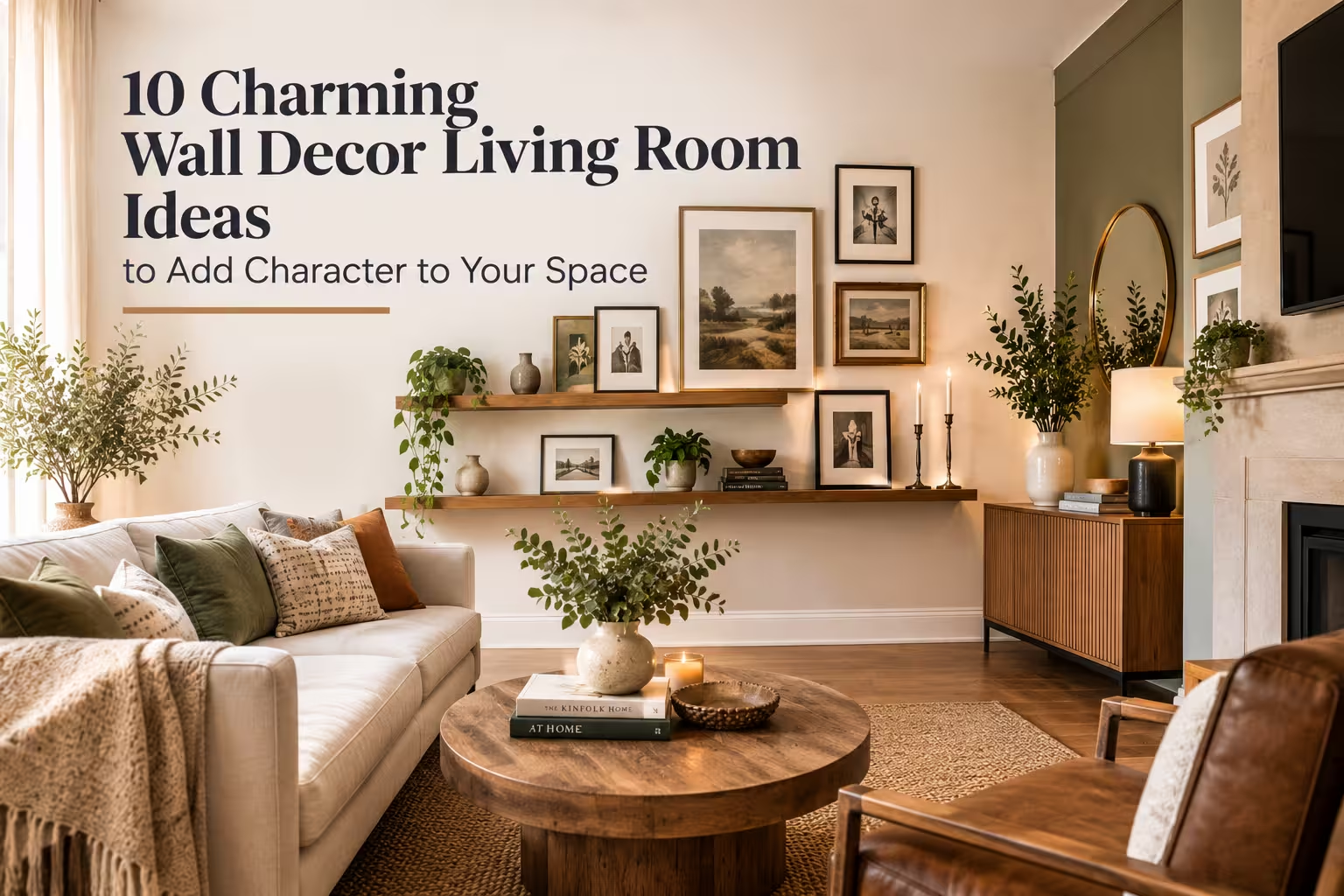
10 Charming Wall Decor Living Room Ideas to Add Character to Your Space
Blank living room walls can make even the most beautifully furnished space feel cold and unfinished. If you are tired of staring at empty drywall but do not want to deal with messy wallpaper installations, you need ideas that bring instant personality. At Furnish Luxe, we have tested dozens of wall treatments in real living rooms, from rental apartments to historic renovations. Here are eight practical, charm-filled ways to dress up your living room walls.
For more inspiration on creating a stylish, functional shared space, explore 10 Impressive Living and Dining Room Combo Ideas to Inspire Your Decor for practical layout, lighting, and decorating ideas.
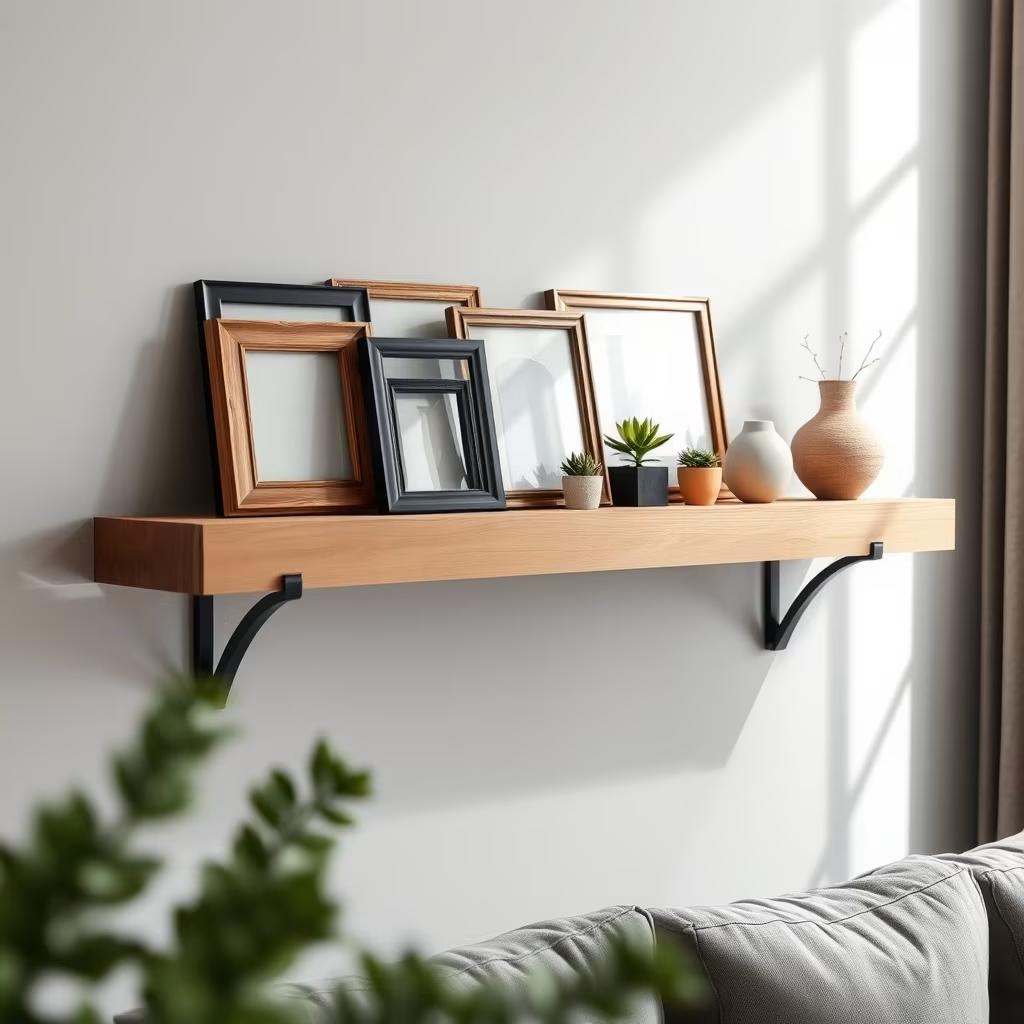
1. Create a Picture Ledge Gallery for Renters
Hanging dozens of individual frames can leave your drywall looking like Swiss cheese, which is a nightmare for renters or commitment-phobes. Installing a shallow wooden picture ledge lets you lean artwork, family photos, and small plants without committing to permanent anchor placements. When I styled a narrow downtown apartment living room last year, this trick saved the walls while making the space feel curated rather than cluttered. Stick to frames with a mix of wood tones and black metals for a collected, eclectic look.
Pro Tip: Layer your frames by overlapping smaller pieces in front of larger ones to create depth, and use museum putty on the bottom corners to keep frames from sliding crooked when people walk by.
2. Install Picture Frame Molding for Architectural Depth
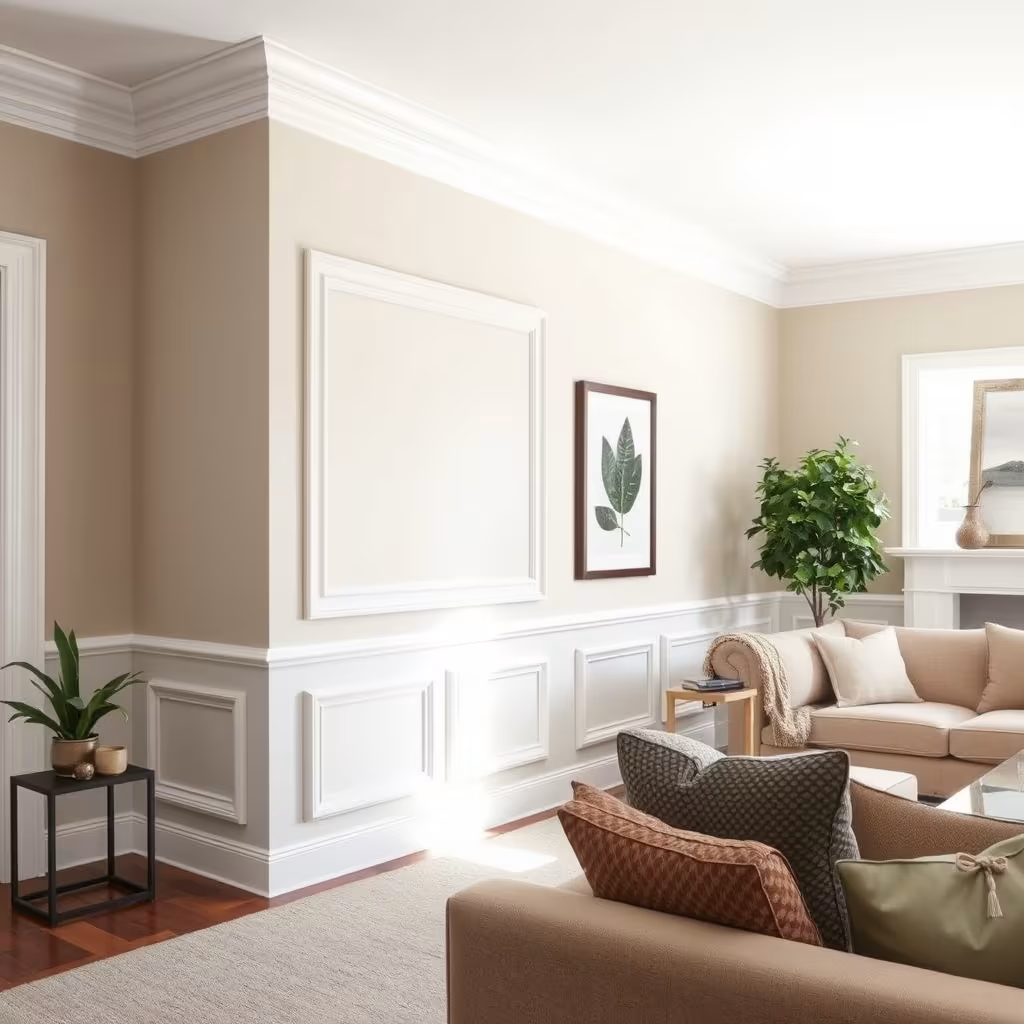
If your living room has flat, characterless drywall, you can fake historic architecture using lightweight polyurethane or primed wood molding. This classic wall treatment instantly adds traditional elegance and makes standard-ceiling rooms feel more expensive. When I renovated a 1990s suburban living room, adding simple picture frame boxes to the lower third of the wall completely transformed the boxy proportions. Paint the molding and the wall the exact same satin color for a sophisticated, high-end monochrome finish.
Pro Tip: Measure your wall grid three times before cutting your molding, and always use a miter box for clean, professional-looking 45-degree corner joints.
3. Hang Oversized Vintage Art to Anchor a Sofa
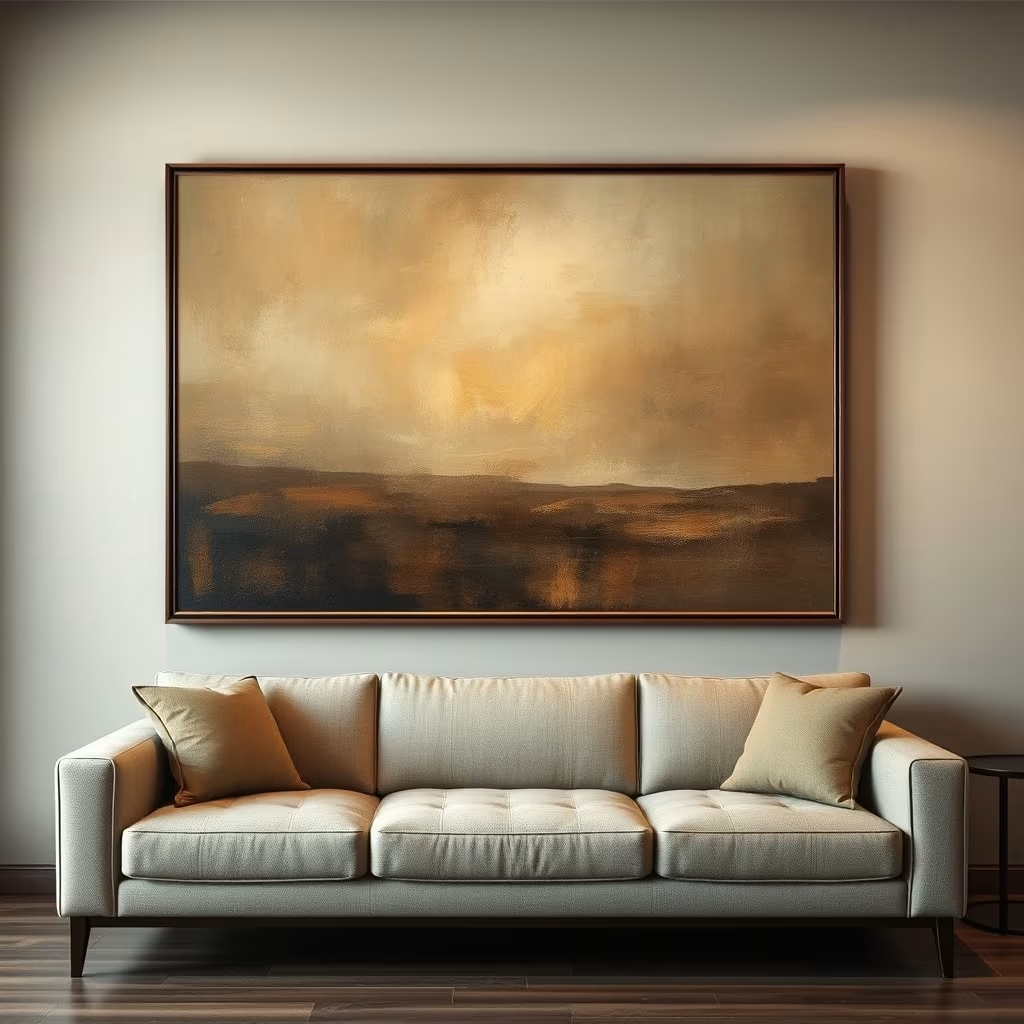
One of the most common living room layout mistakes is hanging artwork that is far too small for the furniture below it, leaving the sofa looking unbalanced. Choosing one oversized vintage landscape or abstract piece creates a stunning focal point that pulls the entire seating area together. In my own living room, I swapped a cluster of small prints for a single 40×50-inch moody oil painting, and the room instantly felt calmer and more grounded. Look for affordable digital art downloads printed on canvas to get this high-end look on a budget.
Pro Tip: Center your large artwork about 6 to 8 inches above the top of your sofa back so it connects visually with the furniture instead of floating awkwardly in space.
4. Use Architectural Salvage and Antique Windows
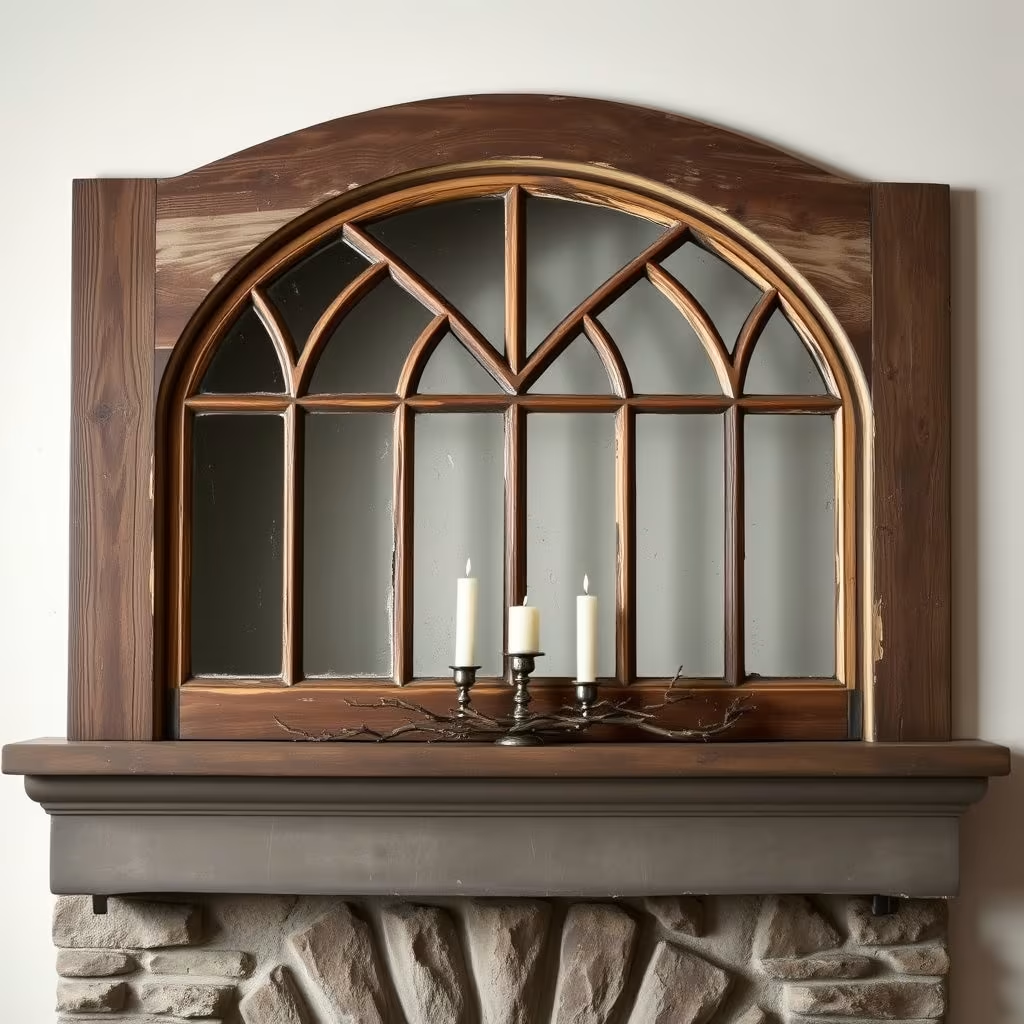
Adding texture and history to a modern home is easy when you incorporate reclaimed elements like old wooden shutters, carved corbels, or weathered window frames. These dimensional pieces break up the monotony of flat walls and introduce a story into your decor. During a farmhouse living room refresh, I hung a distressed arched church window above the fireplace mantel, and it became the ultimate conversation starter. Keep surrounding decor minimal so these unique statement pieces can truly shine.
Pro Tip: Always seal antique wood surfaces with a clear matte polyurethane to prevent old paint flakes or splinters from shedding onto your living room furniture.
5. Embrace Textured Wall Hangings and Woven Fiber Art
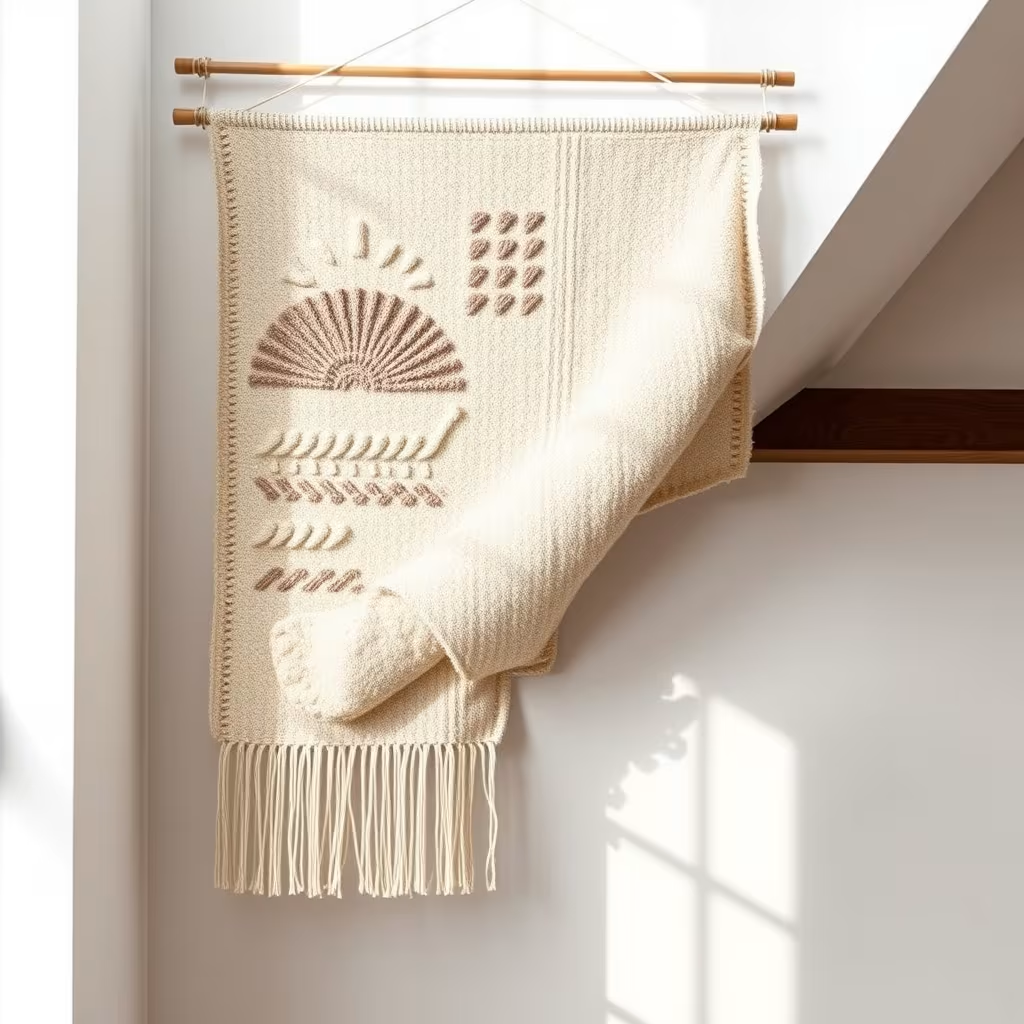
If your living room features a lot of hard surfaces like leather sofas, glass coffee tables, and hardwood floors, your walls need to soften the acoustic echo. Large-scale woven tapestries, macrame pieces, or oversized juju hats introduce tactile warmth and organic movement. I recently used a neutral, textured wool wall hanging in a client’s echoey, high-ceiling loft, and it instantly absorbed sound while warming up the stark white walls. This is a brilliant renter-friendly option because most woven pieces weigh less than two pounds.
Pro Tip: Hang your textile art using a hidden wooden dowel slipped through a back pocket so the piece hangs flat against the wall without drooping in the middle.
6. Construct a Statement Floating Shelving Display
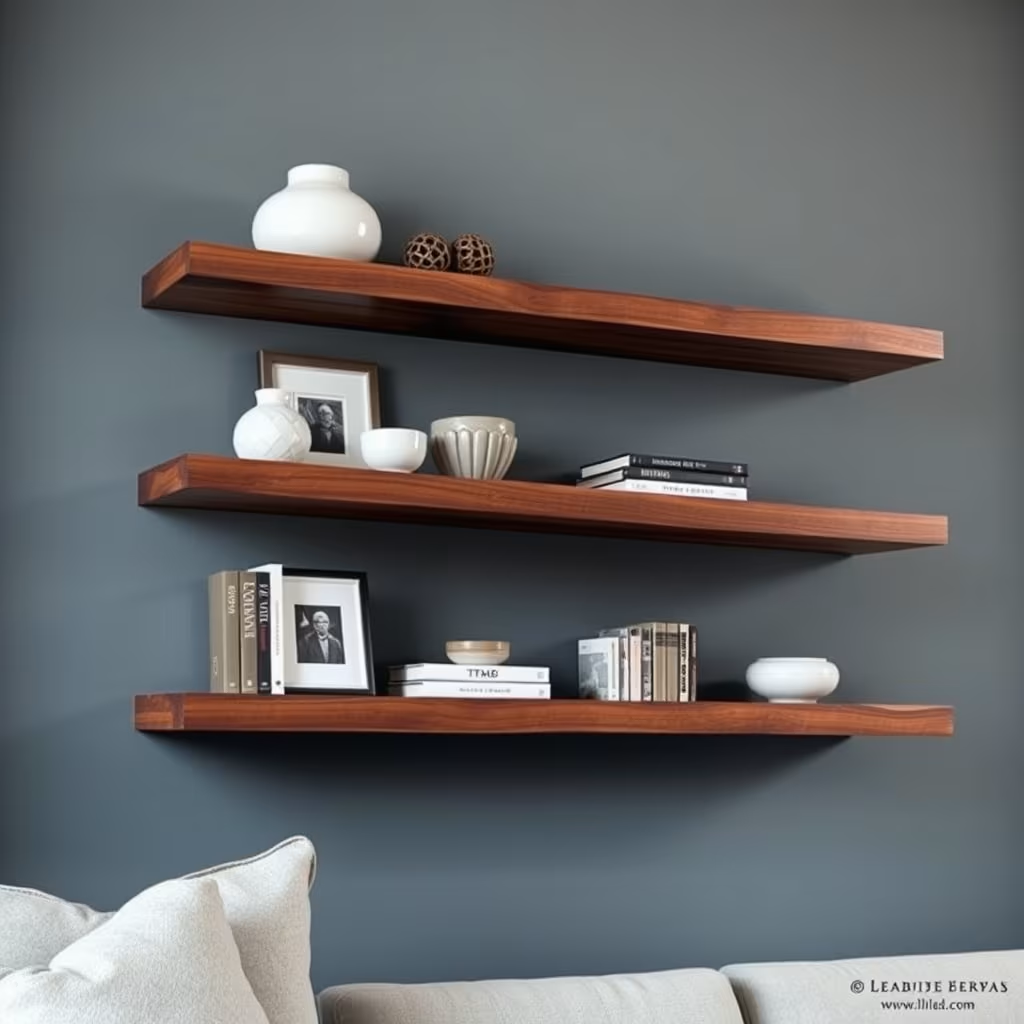
Open shelving gives you the chance to display your personality through books, ceramics, and collected travel souvenirs while utilizing vertical space. Thick, chunky oak or walnut floating shelves add natural wood tones that balance cool wall colors like greige or soft blue. When styling living room shelves, I always follow the rule of thirds: group objects in odd numbers and leave some negative space so the shelves do not look overcrowded.
Pro Tip: Always anchor your floating shelves directly into wall studs using heavy-duty steel brackets; drywall anchors alone will sag over time under the weight of heavy hardcovers.
7. Design a Bold Accent Wall with Limewash or Venetian Plaster
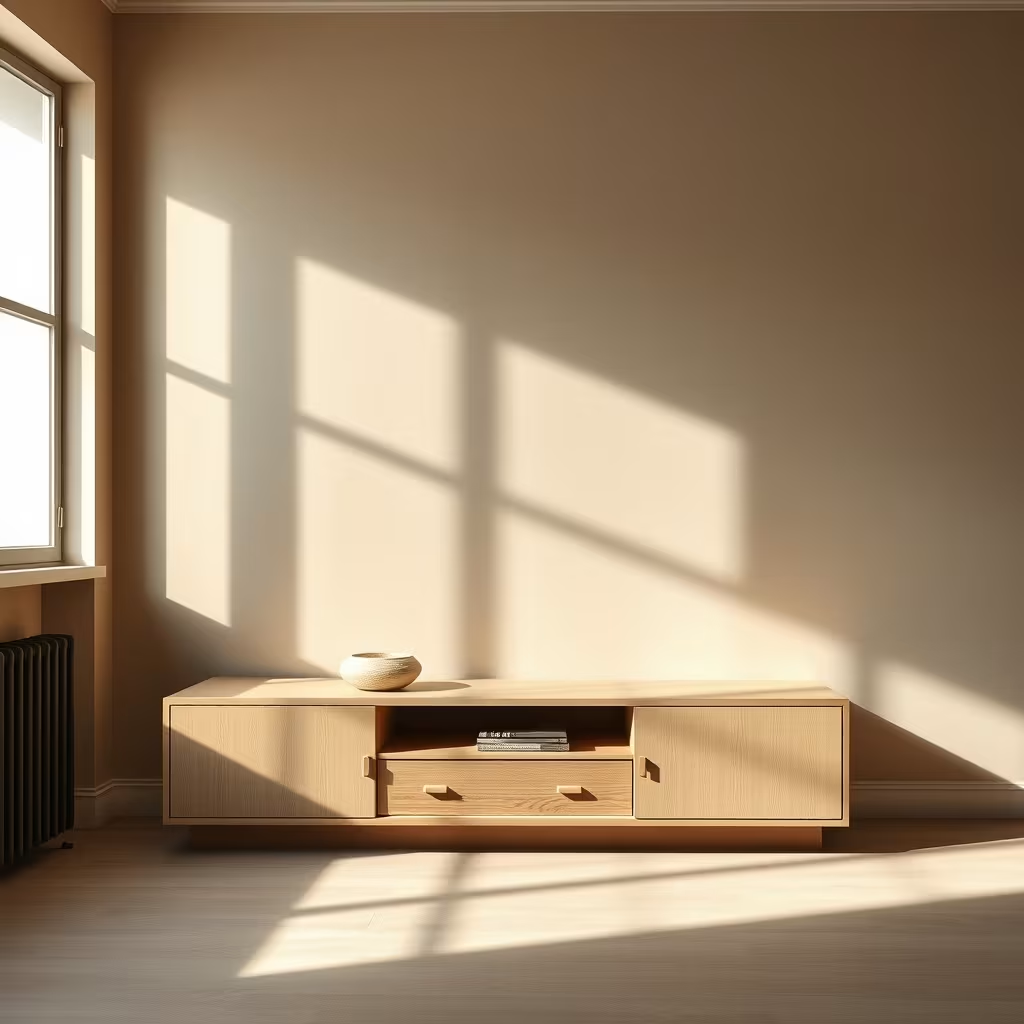
If paint feels too flat and wallpaper feels too permanent, textured finishes like mineral limewash or lime plaster offer a gorgeous, chalky, old-world patina. This technique catches the natural light throughout the day, creating subtle cloud-like variations that add immense character to a main living room wall. I applied a warm beige limewash behind a media console last autumn, and it immediately made the flat-screen TV blend into the textured background rather than dominating the room.
Pro Tip: Practice your X-stroke application technique on a piece of scrap drywall first so you feel confident in your brush movement before tackling your actual living room wall.
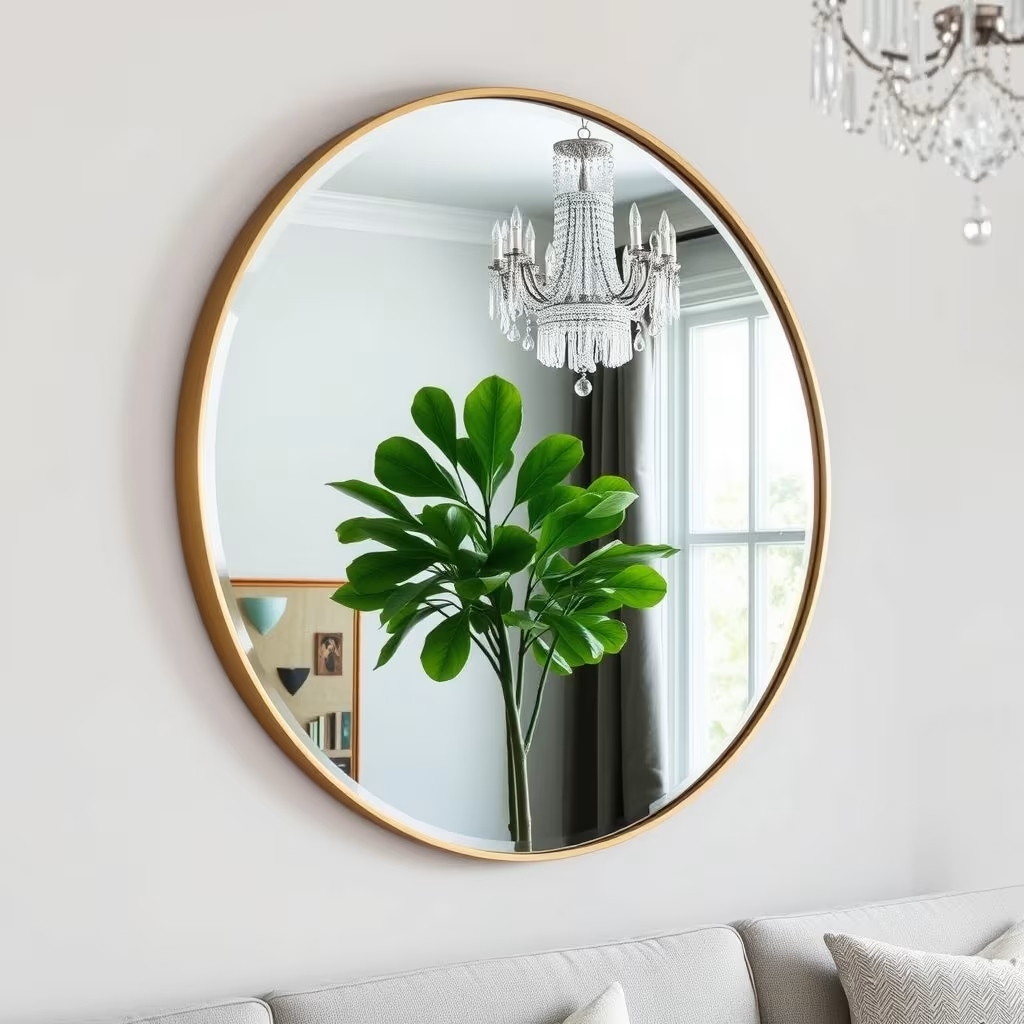
8. Mount Oversized Round Mirrors to Bounce Light
Mirrors do more than just check your reflection—they double as striking sculptural wall art while bouncing natural light around dim living spaces. A large round mirror with a slim brass or black metal frame breaks up the harsh vertical and horizontal lines of your furniture and windows. In a darker, north-facing living room I styled last year, hanging a 36-inch arched mirror opposite the window instantly brightened the entire dark corner. Stick to simple frames if your room is busy, or go ornate if your furniture is minimal.
Pro Tip: Hang your living room mirror at eye level, ensuring it reflects an appealing view like a houseplant or a chandelier rather than just catching the ceiling fan.
Frequently Asked Questions
Q: How high should I hang wall art in my living room?
A: The golden rule of interior design is to center your artwork or the focal point of a gallery wall at eye level, which is roughly 57 to 60 inches from the finished floor. If you are hanging art above a sofa or console table, keep the bottom edge of the frame about 6 to 8 inches above the furniture piece.
Q: How do I decorate a large, empty living room wall on a budget?
A: You can fill large walls affordably by buying oversized digital art prints online and having them printed as engineer prints at a local blueprint shop for just a few dollars. Frame them in lightweight DIY wooden poster frames for a high-end look that costs under thirty dollars total.
Q: What is the best way to arrange multiple frames without making a mess of the wall?
A: Trace all of your frames onto kraft paper, cut out the paper templates, and tape them to the wall with painter’s tape to test different gallery wall arrangements before you hammer a single nail.
Adding character to your living room walls does not require a massive renovation budget or professional contractors. By starting with one impactful element—whether it is a simple picture ledge, a textured limewash finish, or an oversized vintage canvas—you can transform your space into a warm, inviting room you will love spending time in. Pick your favorite idea from this list, grab your level, and start making your living room walls uniquely yours today.
Leave a Reply