

10 Clever Small Space Living Room Ideas for a Warm and Inviting Space
Working with a compact footprint doesn’t mean sacrificing comfort or style. When you want a cozy, welcoming living room but lack square footage, every single design choice counts. In my years of styling and renovating small urban apartments, I have learned that smart spatial planning trumps room size every single time. Here are 8 clever ways to transform your petite living area into a warm, highly functional retreat.
Looking for more kitchen inspiration? Check out 10 Striking Black Kitchen Ideas for a Stylish Home for bold, elegant ideas to create a modern and stylish kitchen.
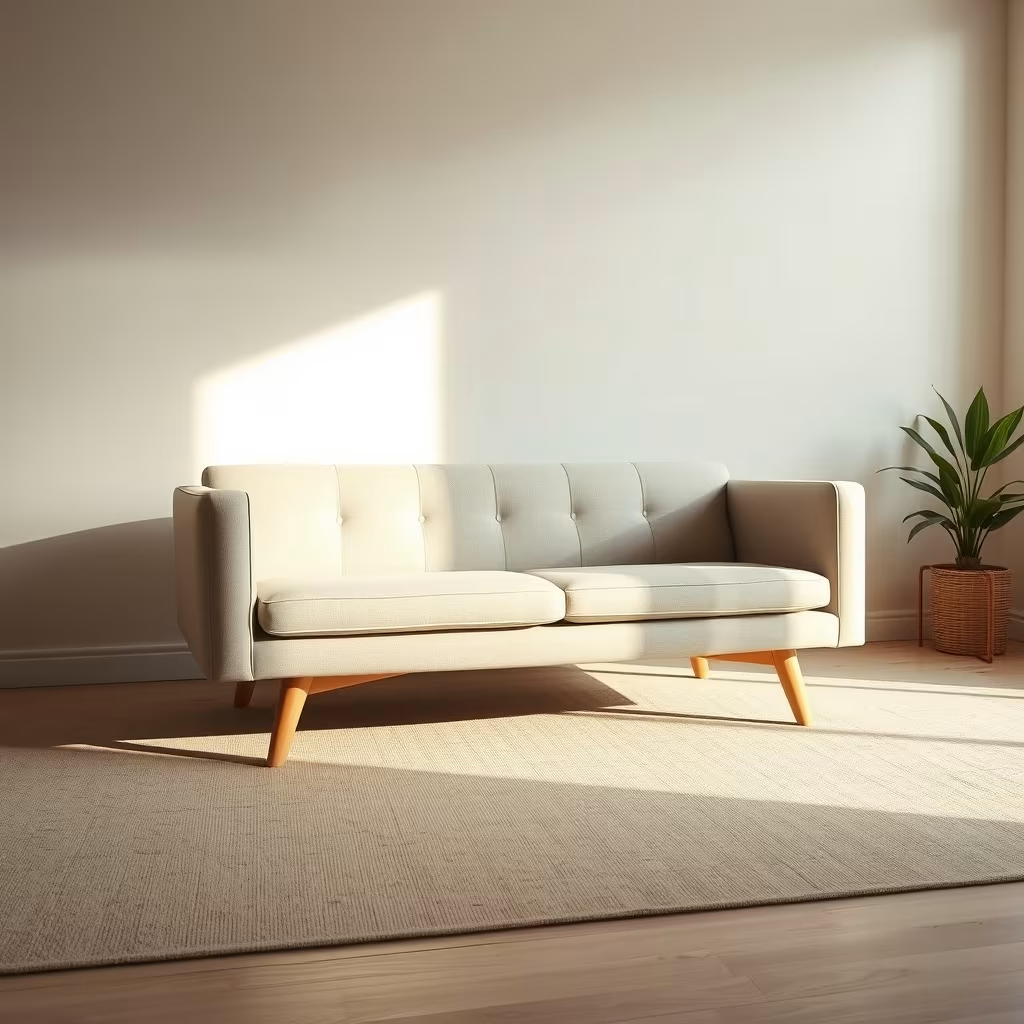
Use Low-Profile Furniture to Make Ceilings Feel Higher
Bulky, overstuffed sofas can completely swallow a small room. Opt for mid-century modern inspired furniture with exposed legs and a low-profile back. This design trick allows your eye to travel underneath and behind the furniture, making the entire floor plan feel much more open and breathable. When I staged a cramped 300-square-foot living room last year, swapping a traditional deep sofa for a sleek, leggy bench-seat couch instantly added visual breathing room.
Actionable Tip: Keep your sofa back below the window sill line to maximize natural daylight streaming into the room.
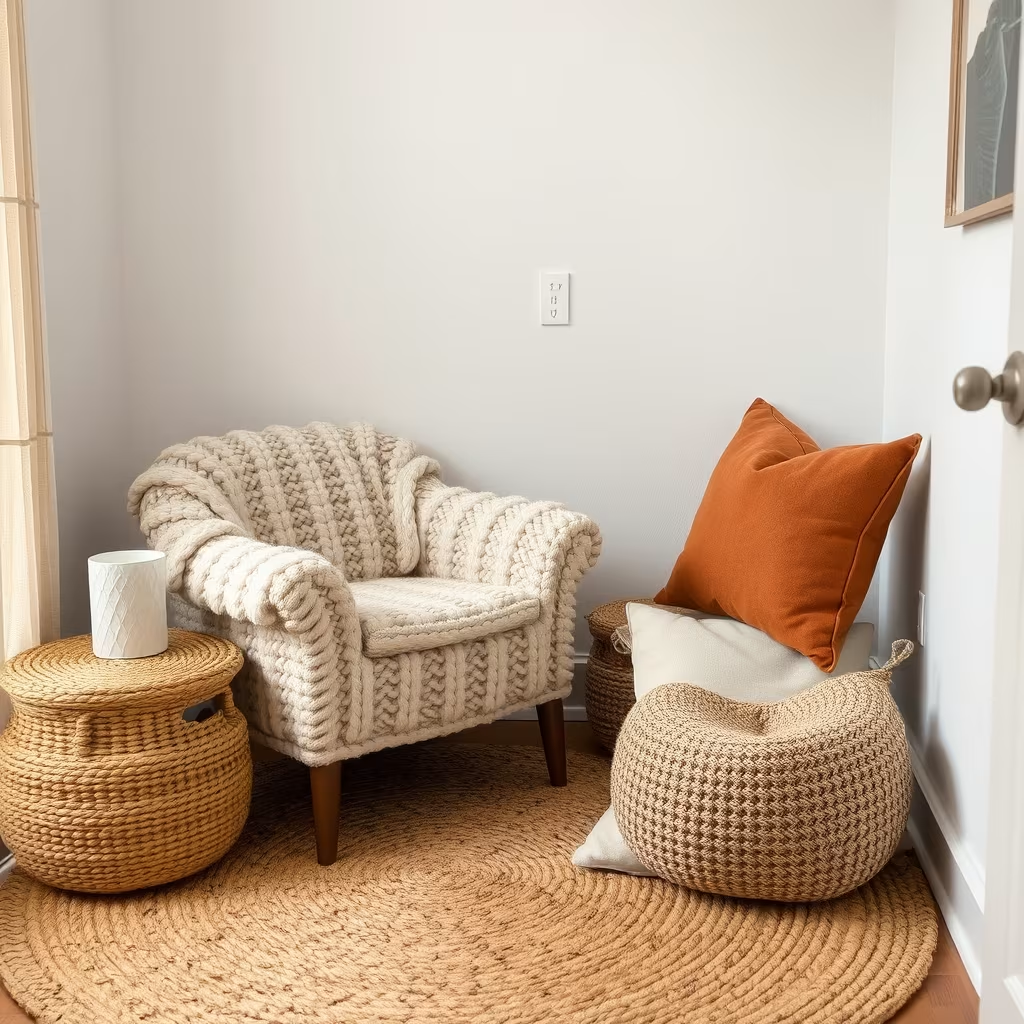
Layer Warm Textures to Replace Missing Square Footage
When you cannot add more physical furniture or decor elements without cluttering the space, lean heavily into texture. Combine a chunky wool bouclé armchair with smooth leather accents, a woven jute rug, and linen throw pillows. This tactile layering creates depth and immediate warmth in a neutral-toned room. If your space feels flat or sterile, it is almost always a lack of texture rather than a lack of color.
Actionable Tip: Stick to a tight palette of two or three contrasting textures so the room feels curated rather than chaotic.
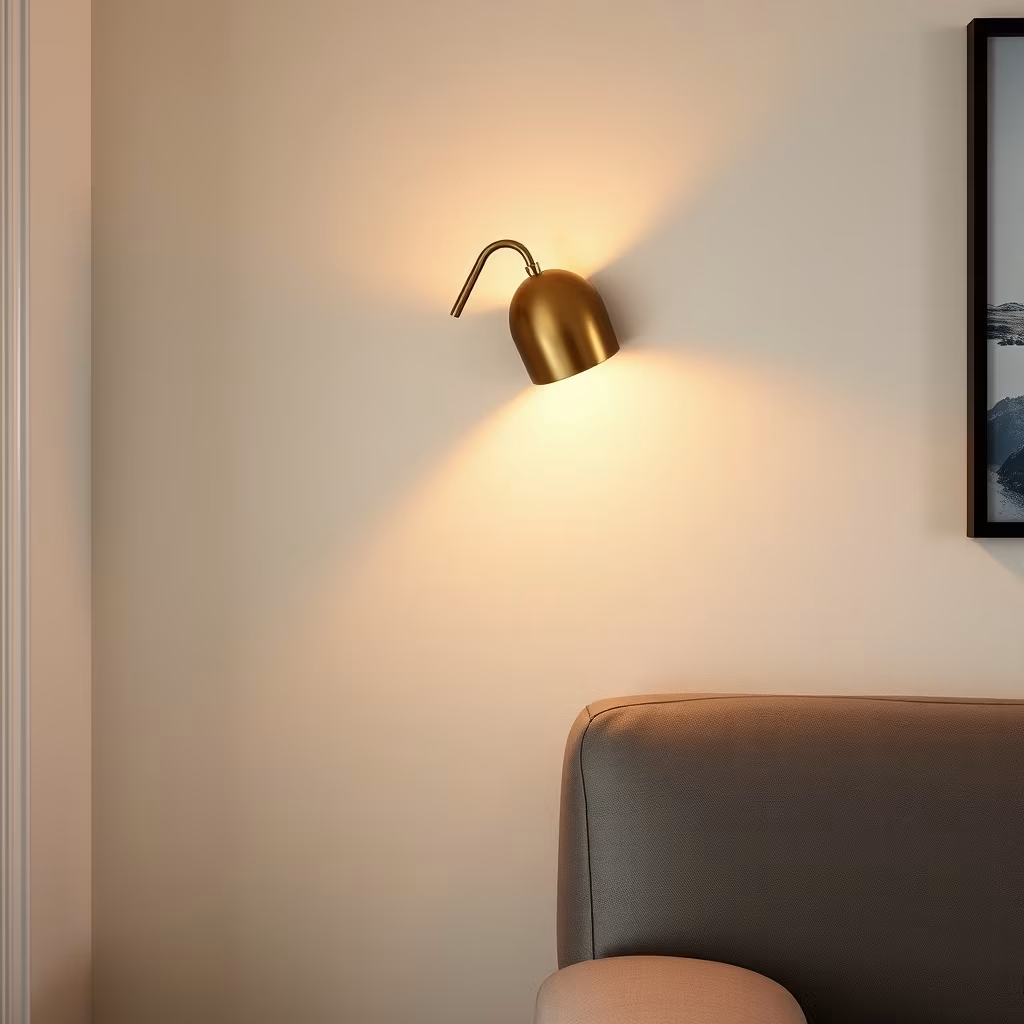
Hang Wall Sconces Instead of Taking Up Floor Space with Lamps
Floor space is precious in a small living room, making bulky end tables and standing torchiere lamps a luxury you might not be able to afford. Hardwired or plug-in wall sconces free up valuable surface area on your side tables while casting a gorgeous, layered glow. I always recommend choosing swing-arm sconces so you can pivot the light toward your reading nook or push it flat against the wall when hosting guests.
Actionable Tip: If you are renting and cannot wire into the drywall, use a plug-in sconce with an invisible cord cover painted to match your wall color.
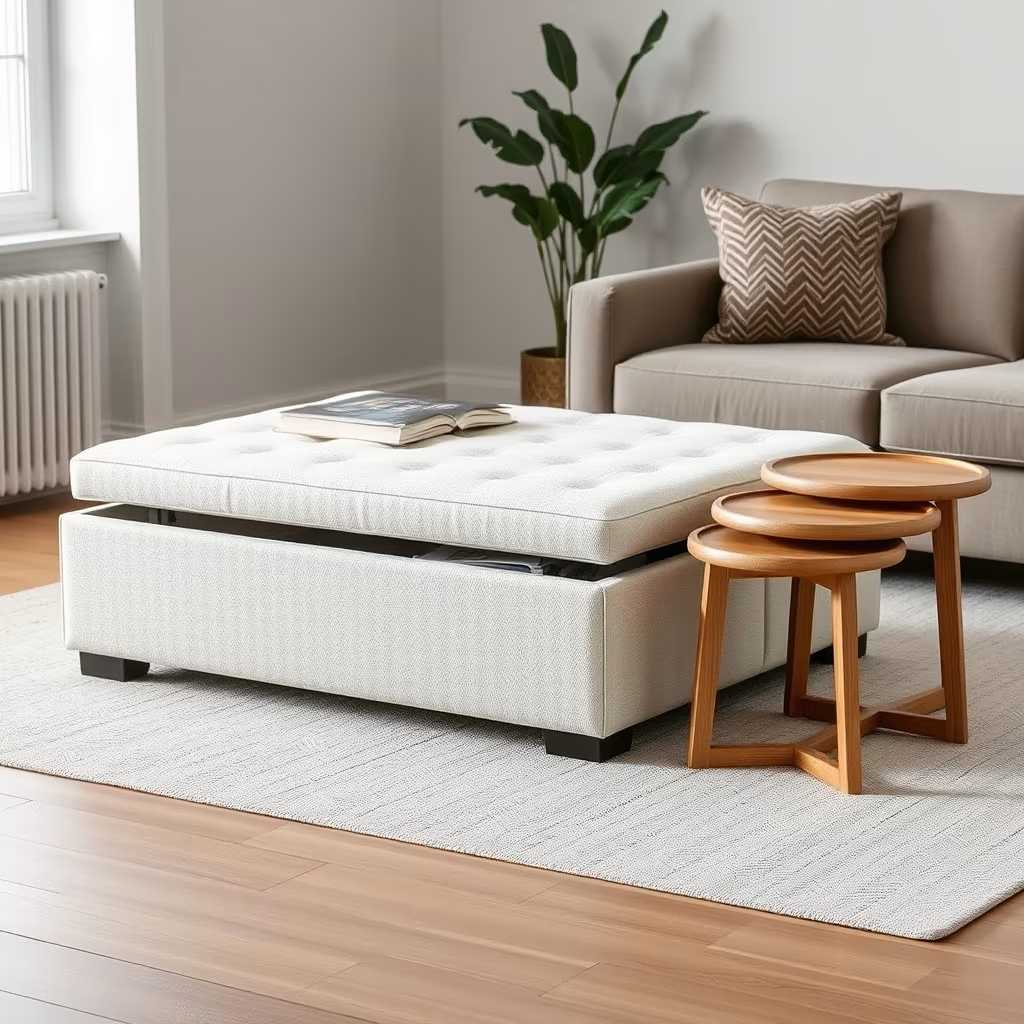
Choose Multifunctional Pieces Like Storage Ottomans and Nesting Tables
Every piece of furniture in a small living room needs to pull double duty. A storage ottoman can serve as a coffee table, extra seating for guests, and a hidden bin for stray blankets and board games. Similarly, nesting coffee tables can be tucked away completely when you need open floor space for a yoga mat or pulled apart when entertaining.
Actionable Tip: Avoid heavy wooden chests for storage ottomans; choose upholstered versions in a tactile boucle or velvet to keep the room feeling soft.
Float Your Furniture Layout Away From the Walls
A common misconception is that pushing every piece of furniture flat against the perimeter walls creates more open space. In reality, floating your sofa just a few inches off the wall makes a living room feel intentional and surprisingly larger. It creates a defined conversational zone and prevents that bowling-alley effect in narrow rooms.
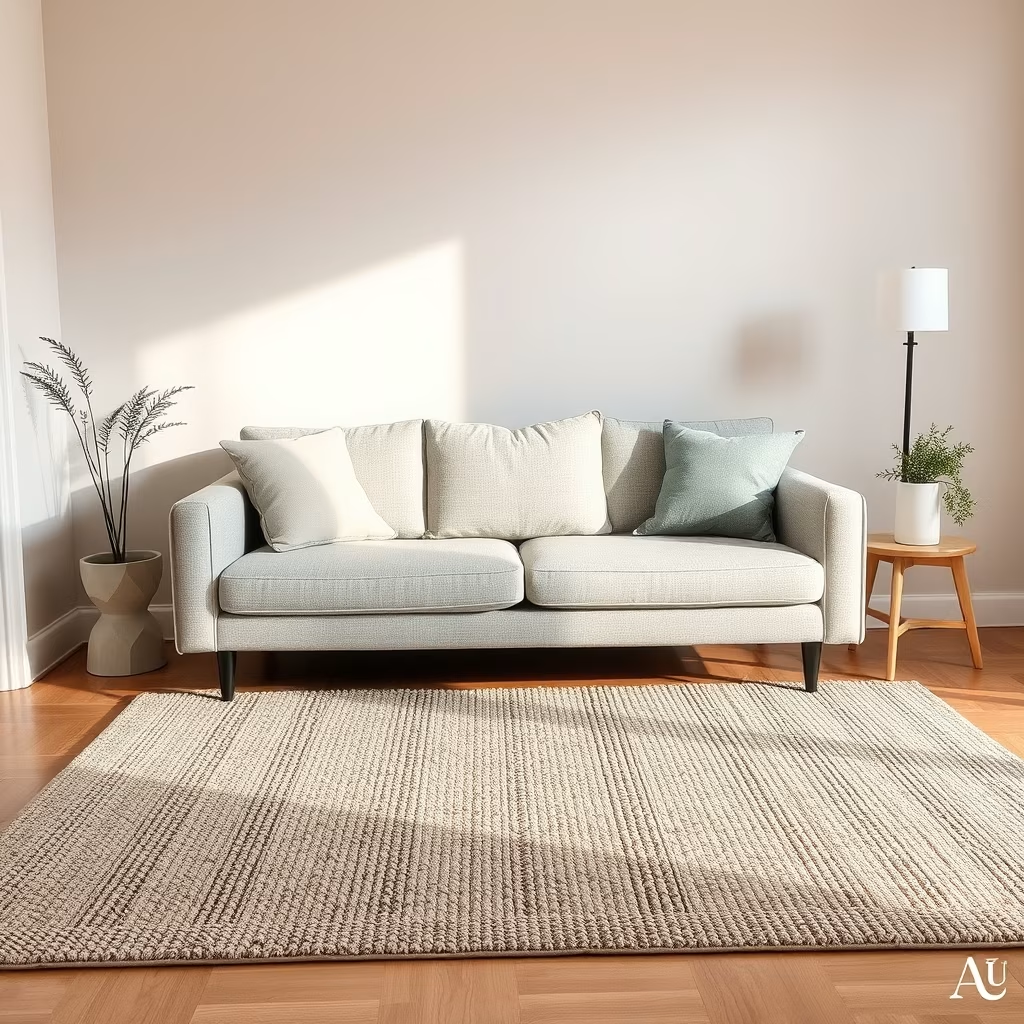
Actionable Tip: Anchor your floated seating arrangement with an area rug that is large enough for at least the front legs of all furniture pieces to rest upon it.
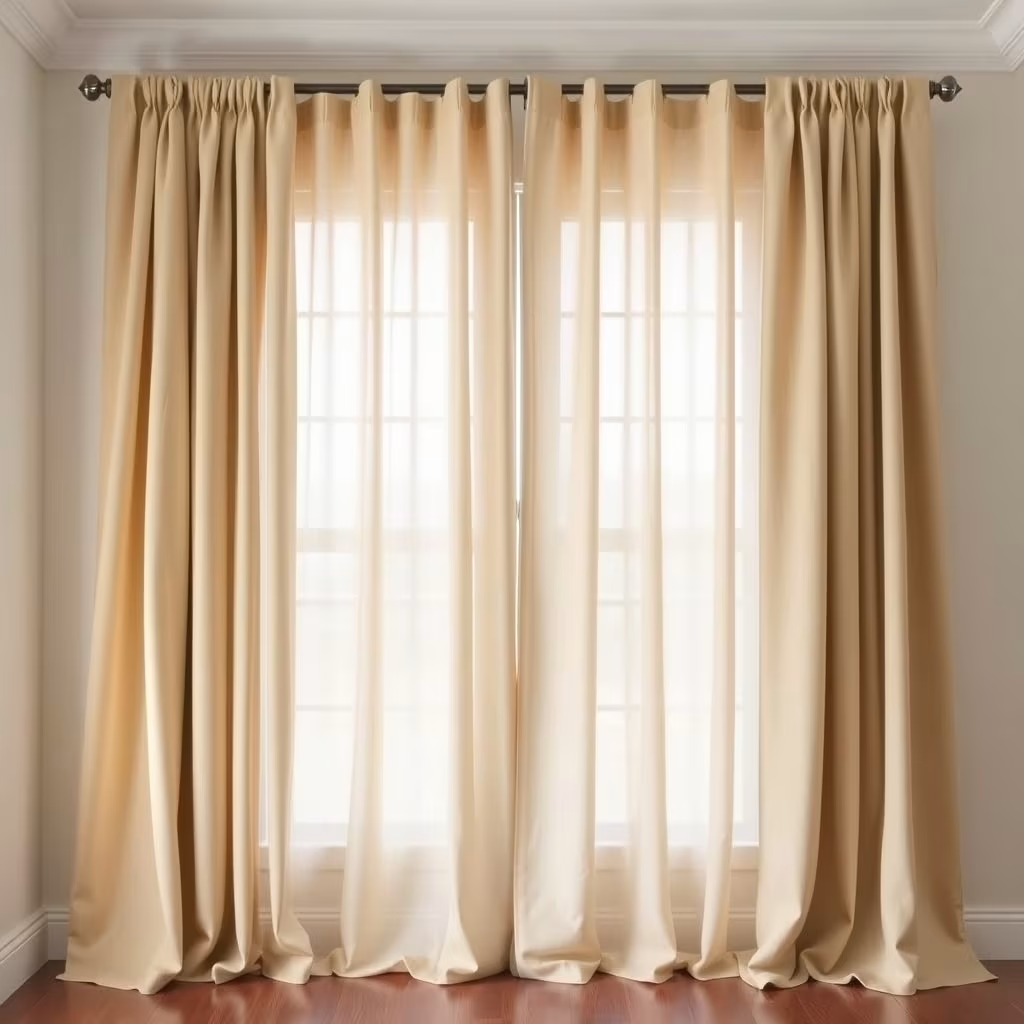
Install Floor-to-Ceiling Curtains to Draw the Eye Upward
Hanging your window treatments right above the window frame chops the wall in half and makes your ceiling feel low. Instead, mount your curtain rod just a few inches below the crown molding and let the panels puddle slightly on the floor. This simple styling trick tricks the eye into perceiving much taller walls and grander windows.
Actionable Tip: Choose lightweight linen or sheer cotton panels in a warm ivory or oatmeal tone to diffuse sunlight without darkening a compact room.
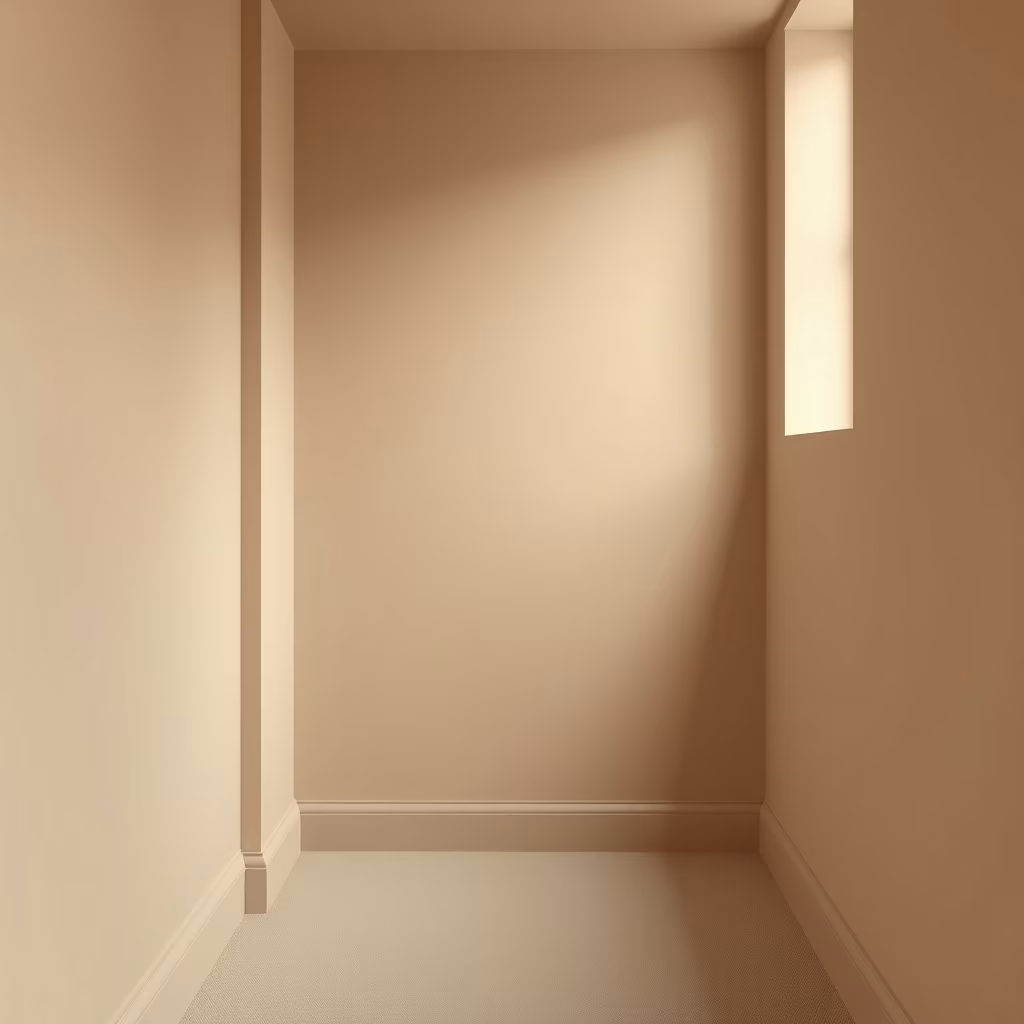
Paint the Walls and Trim the Same Warm Neutral Color
Breaking up a small room with contrasting baseboards, crown molding, and door frames chops the visual space into tiny, busy segments. Drenching the walls, baseboards, and even the doors in a single warm, enveloping paint color like a soft clay beige or creamy off-white blurs the boundaries of the room. This monochromatic envelope makes walls recede and instantly cozy up the space.
Actionable Tip: Use an eggshell finish on the walls for easy cleaning and a satin finish on the trim for subtle durability and sheen variation.
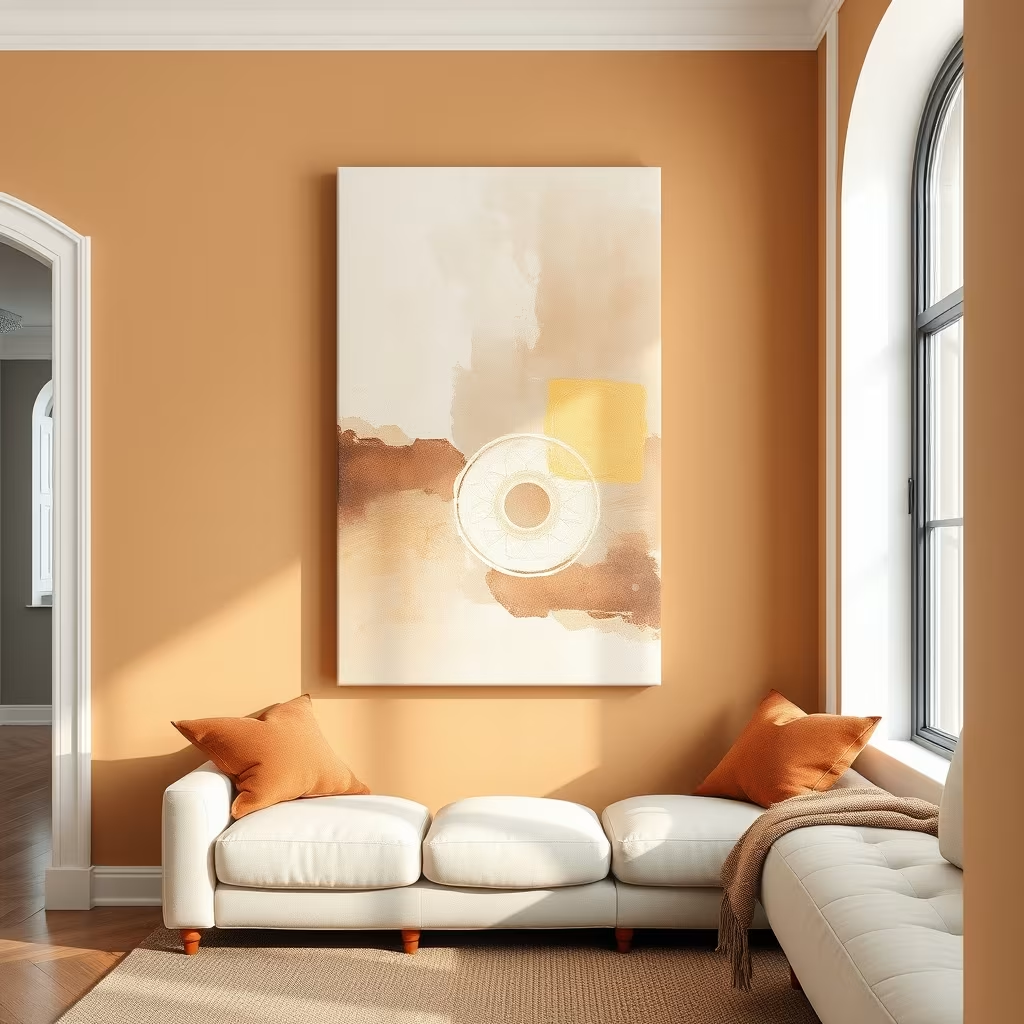
Hang One Large Statement Artwork Instead of a Cluttered Gallery Wall
While gallery walls are undeniably charming, putting twenty tiny frames in a micro-living room can easily make the walls feel visually noisy and claustrophobic. Swap the clutter for one oversized, vertically oriented piece of art. A large canvas commands attention, establishes a focal point, and actually calms down a busy room layout.
Actionable Tip: If custom large-scale art is out of budget, stretch an unprimed canvas over DIY wood bars and paint simple, minimalist strokes with leftover wall paint.
Frequently Asked Questions
Q: Does painting a small living room dark make it look even smaller?
A: Not necessarily. While light colors reflect natural light, dark, saturated warm tones like deep olive, terracotta, or charcoal create a cozy, cocoon-like atmosphere. In north-facing rooms with poor natural light, embracing the shadows with a moody paint color often looks far more intentional than fighting the space with stark white.
Q: What is the best rug size for a small living room?
A: The biggest mistake people make is buying a postage-stamp-sized rug that floats in the middle of the room. Aim for an 8×10 rug if possible, or at least ensure the front legs of your sofa and accent chairs sit comfortably on top to anchor the layout.
Q: How can I make a rental living room feel warm without permanent changes?
A: Focus on renter-friendly upgrades like plug-in wall sconces, heavy textile wall hangings, peel-and-stick window film, and plenty of ambient lighting from table lamps placed at varying heights.
Designing a small living room is all about making deliberate, high-impact choices rather than packing in as many items as possible. By prioritizing warm textures, multifunctional furniture, and vertical lines, you can create a space that feels surprisingly spacious and deeply personal. Start with just two or three of these changes in your own home this weekend, and enjoy your newly cozy room.
Leave a Reply