
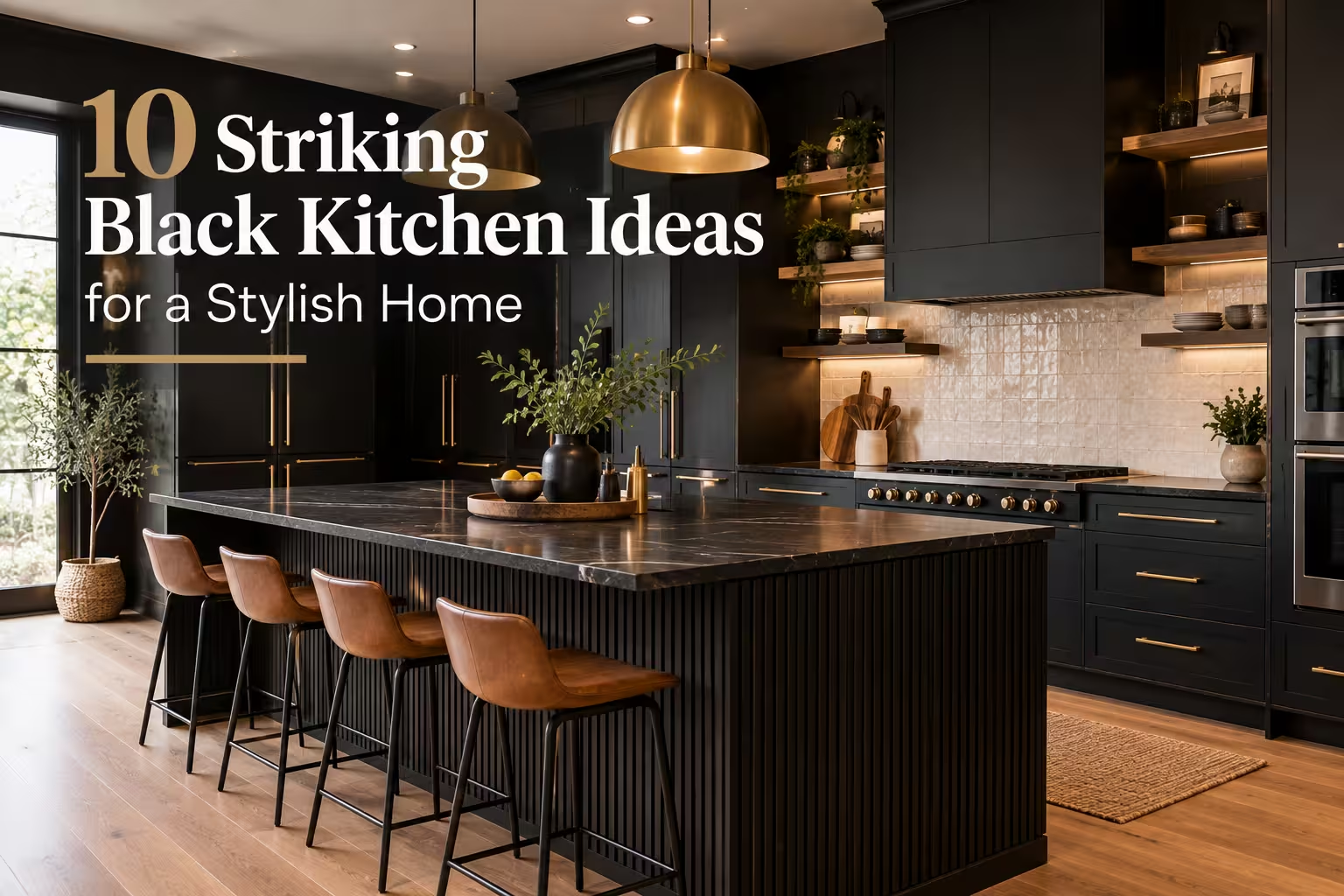
10 Striking Black Kitchen Ideas for a Stylish Home
Designing a black kitchen used to be a daring, unconventional choice reserved for avant-garde homes. Today, matte and charcoal finishes are a timeless way to anchor a modern, high-end interior. If you are planning a kitchen renovation and want a space that feels deeply personal, sophisticated, and remarkably practical, going dark is a brilliant move. As an interior stylist who has renovated several compact urban kitchens and sprawling open-plan spaces, I can tell you that black cabinetry hides everyday wear and tear far better than pristine white. Let’s break down eight concrete design ideas to help you pull off a stunning black kitchen.
If you’re also planning to refresh your indoor fireplace, check out our guide to 10 Striking Wood Fireplace Makeover Ideas to Refresh Your Space for creative ways to update your fireplace with stone, tile, wood, and more.
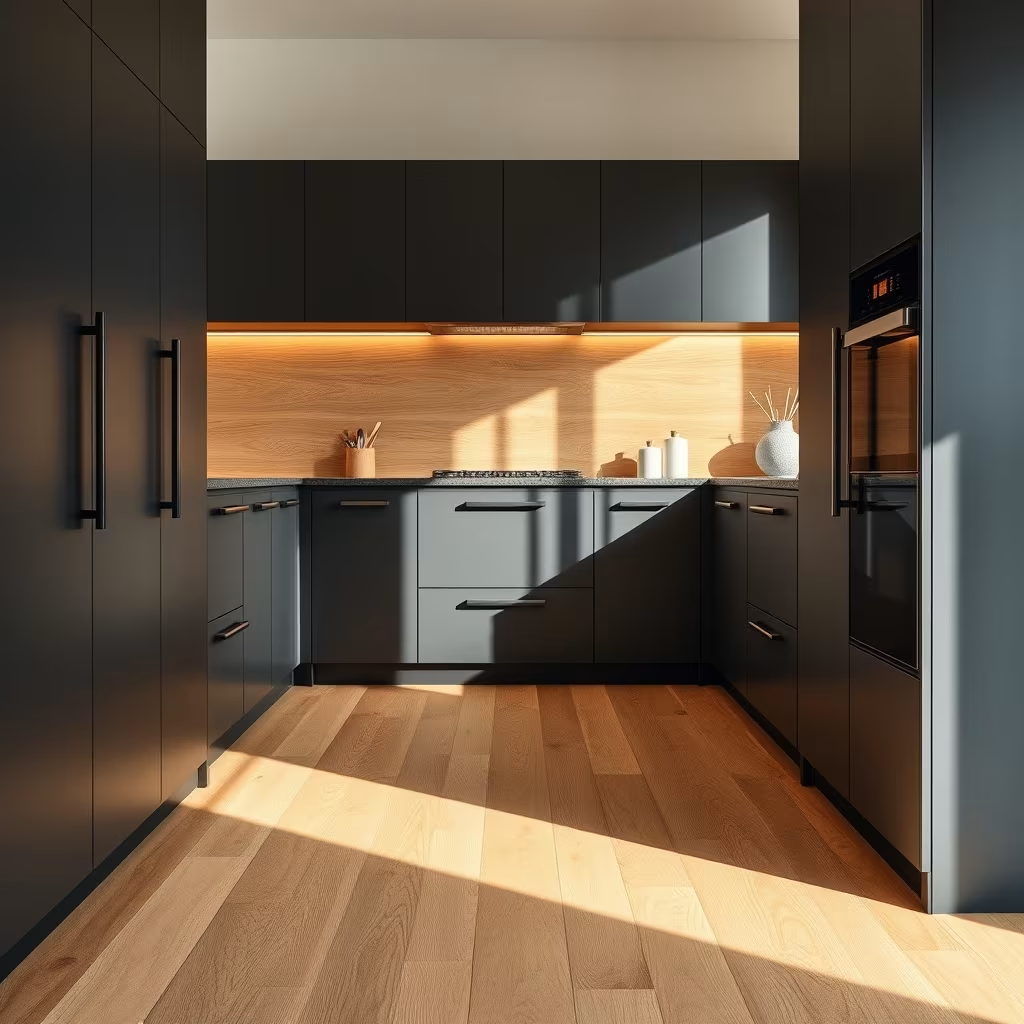
Pair Flat-Panel Matte Black Cabinets With Warm Oak Flooring
The biggest risk with a black kitchen is that it can quickly feel cold, sterile, or like a cave. To fix this, anchor your matte black flat-panel cabinetry with wide-plank white oak flooring featuring a natural, wire-brushed finish. The golden undertones of the wood instantly cut the heaviness of the black paint, creating a balanced, grounding contrast. When I renovated a client’s north-facing galley kitchen last year, this exact combination made the compact space feel grounded rather than suffocating.
Pro Tip: Stick to a true matte finish rather than a high-gloss lacquer for your cabinets to minimize fingerprints and soften the light reflection in the room.
Ground the Room With Honed Absolute Black Granite Countertops
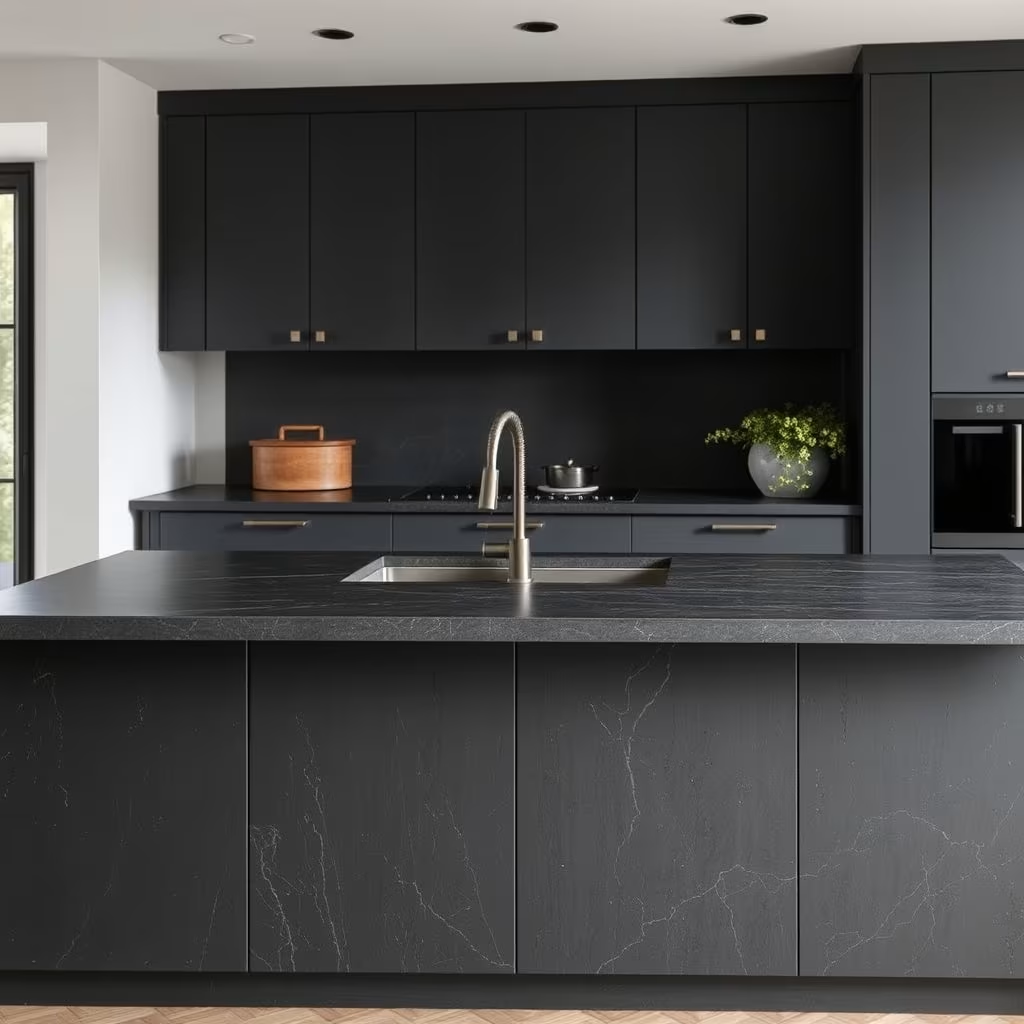
Instead of mixing materials for your countertops, consider a tone-on-tone approach using honed absolute black granite or soapstone. Unlike polished stone that gleams, a honed or leathered texture has a soft, chalky feel that absorbs light and adds subtle dimension to your base cabinets. This creates a seamless, monolithic look that feels high-end and architectural without requiring loud, competing patterns on your work surfaces.
Pro Tip: Soapstone develops a gorgeous, organic patina over time with oil and use, making it exceptionally forgiving for busy family kitchens.
Install Brushed Brass Hardware as the Ultimate Metal Accent
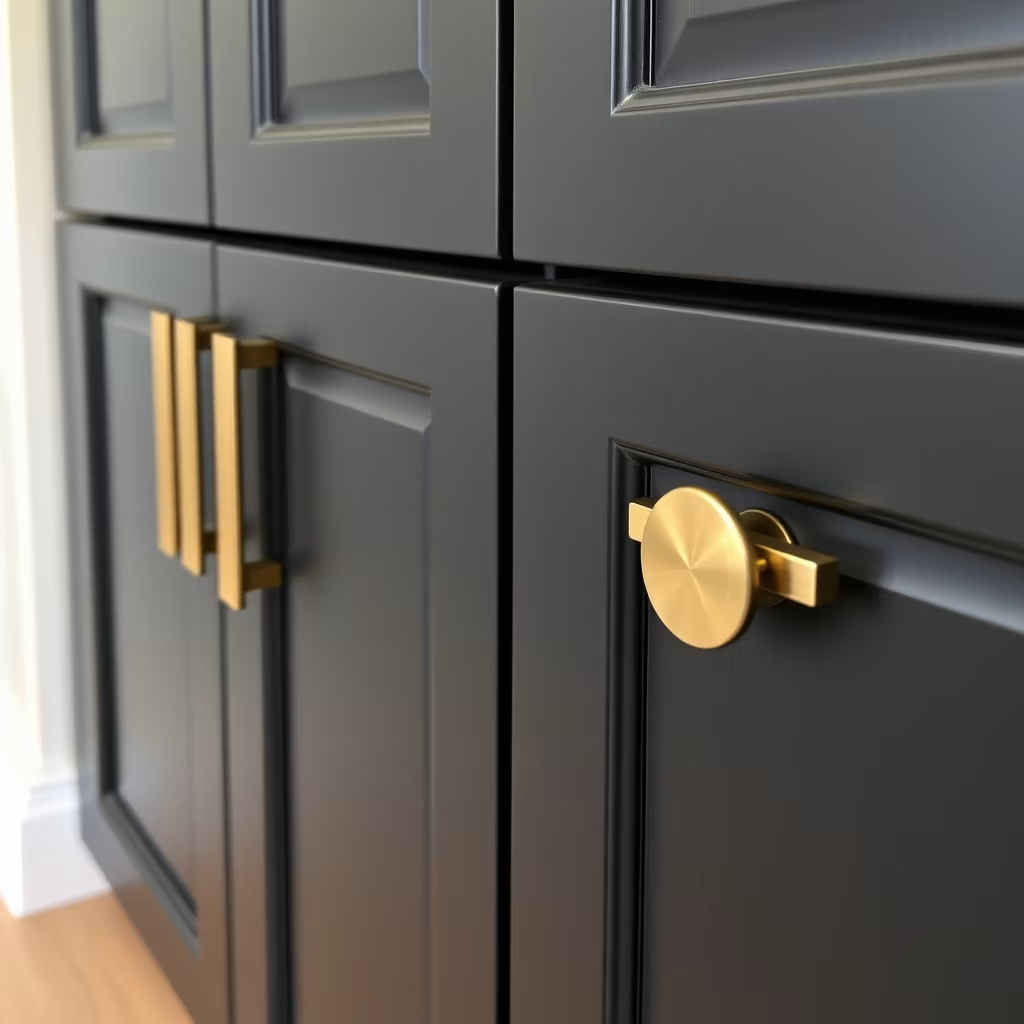
Hardware is the jewelry of your kitchen, and nothing makes a black cabinet pop quite like brushed brass or unlacquered aged brass pulls and knobs. The warm metallic tones bridge the gap between stark modernism and classic elegance. When specifying hardware, choose substantial, heavy pieces—like unlacquered brass bin pulls—so they have a tactile presence against dark doors.
Pro Tip: Avoid shiny, yellow-gold hardware, which can look cheap; stick to brushed or satin finishes with visible, fine grain lines for an artisanal look.
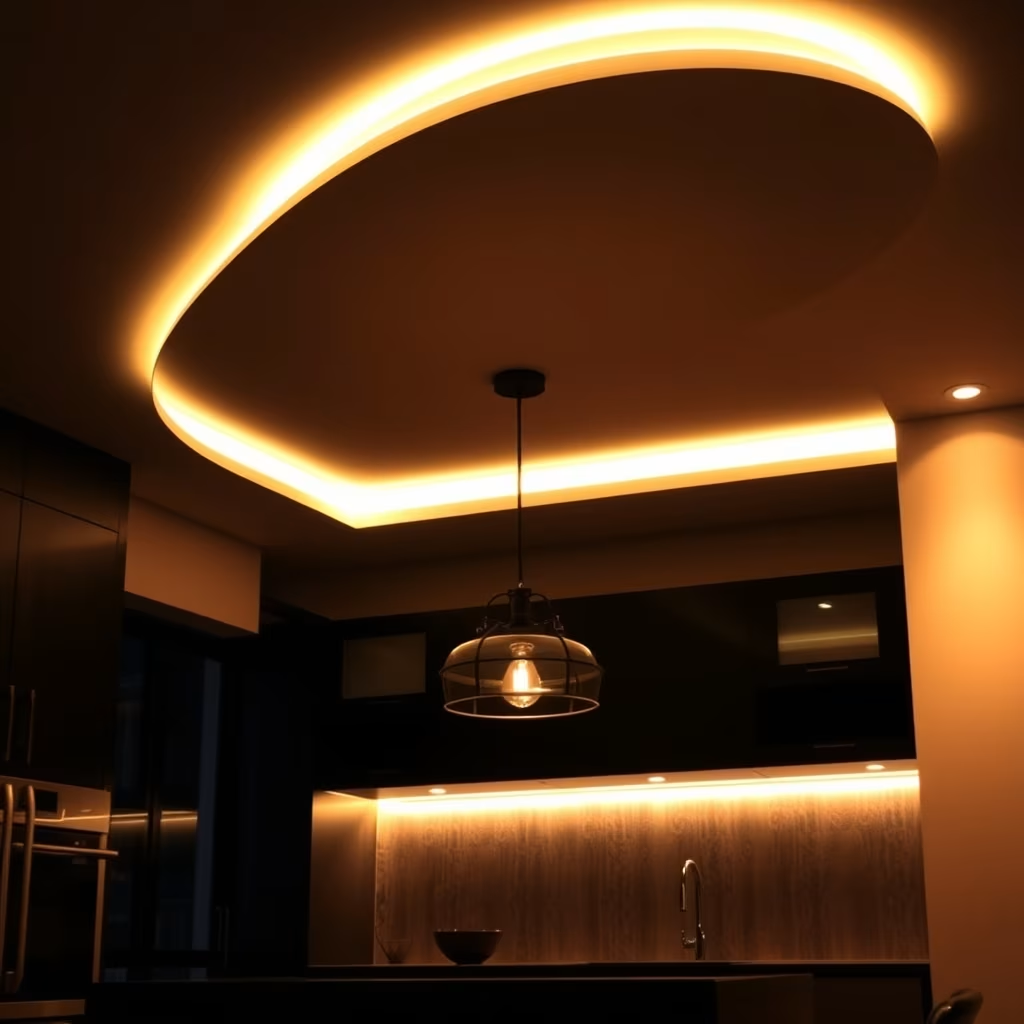
Layer Ambient and Task Lighting to Combat Dark Shadows
Black surfaces absorb light rather than bouncing it around the room, which means your lighting plan needs to work overtime. Rely on a three-tier lighting strategy: under-cabinet LED strip lights for task prep, warm recessed ceiling cans for overall ambient glow, and a striking statement pendant over the island. In my own projects, I always specify warm bulbs around 2700K to keep the dark cabinetry looking rich and inviting at night.
Pro Tip: Never rely solely on a single overhead flush mount, or your dark kitchen prep areas will feel like a gloomy cave during evening cooking sessions.
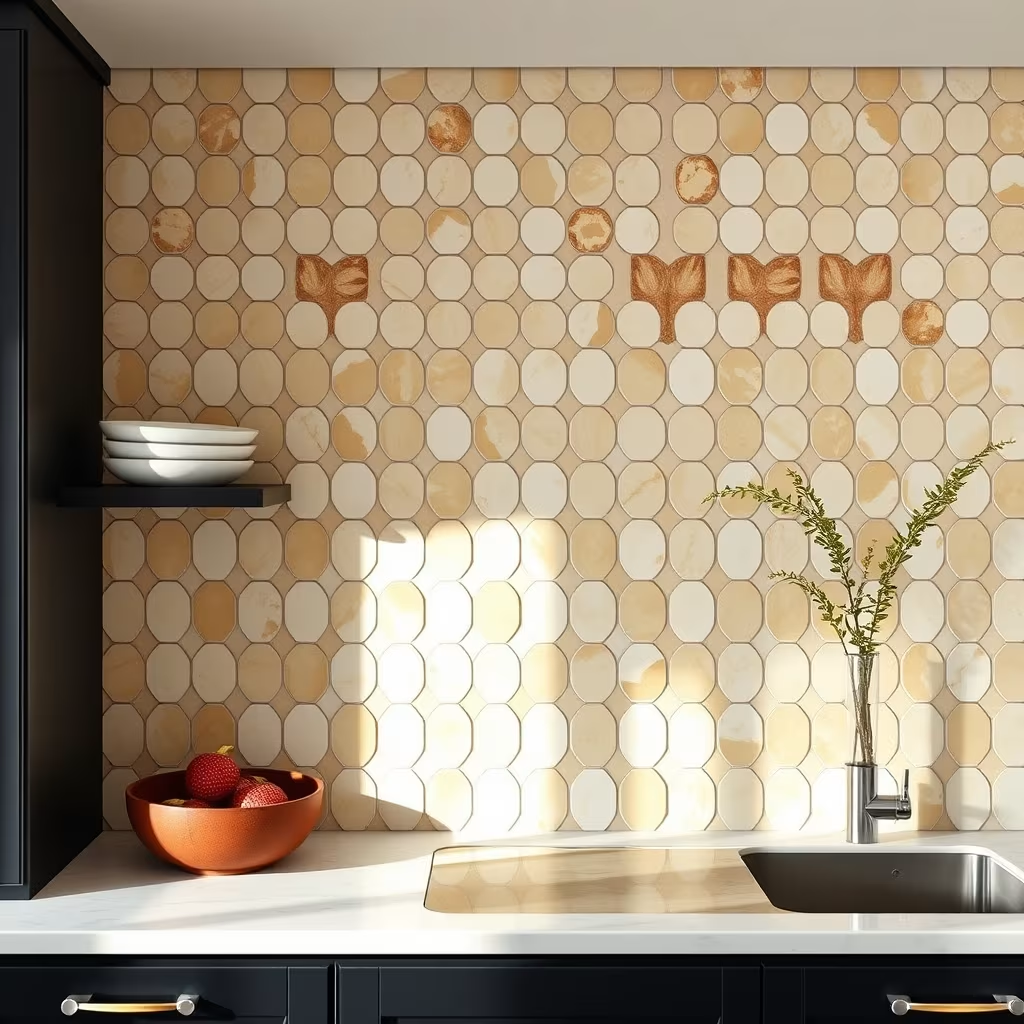
Create Contrast With a Warm White Zellige Tile Backsplash
A matching black tile backsplash can make a kitchen feel claustrophobic unless you have massive windows and soaring ceilings. Instead, contrast your dark lower and upper cabinets with handmade Moroccan Zellige tiles in a chalky, warm white or soft cream. The irregular, glossy surface of Zellige tile catches natural daylight from every angle, bouncing it around the room and creating a gorgeous textural contrast.
Pro Tip: Use a slightly warm gray grout rather than stark white to tie the bright tiles to your dark cabinetry without creating a harsh, distracting grid.
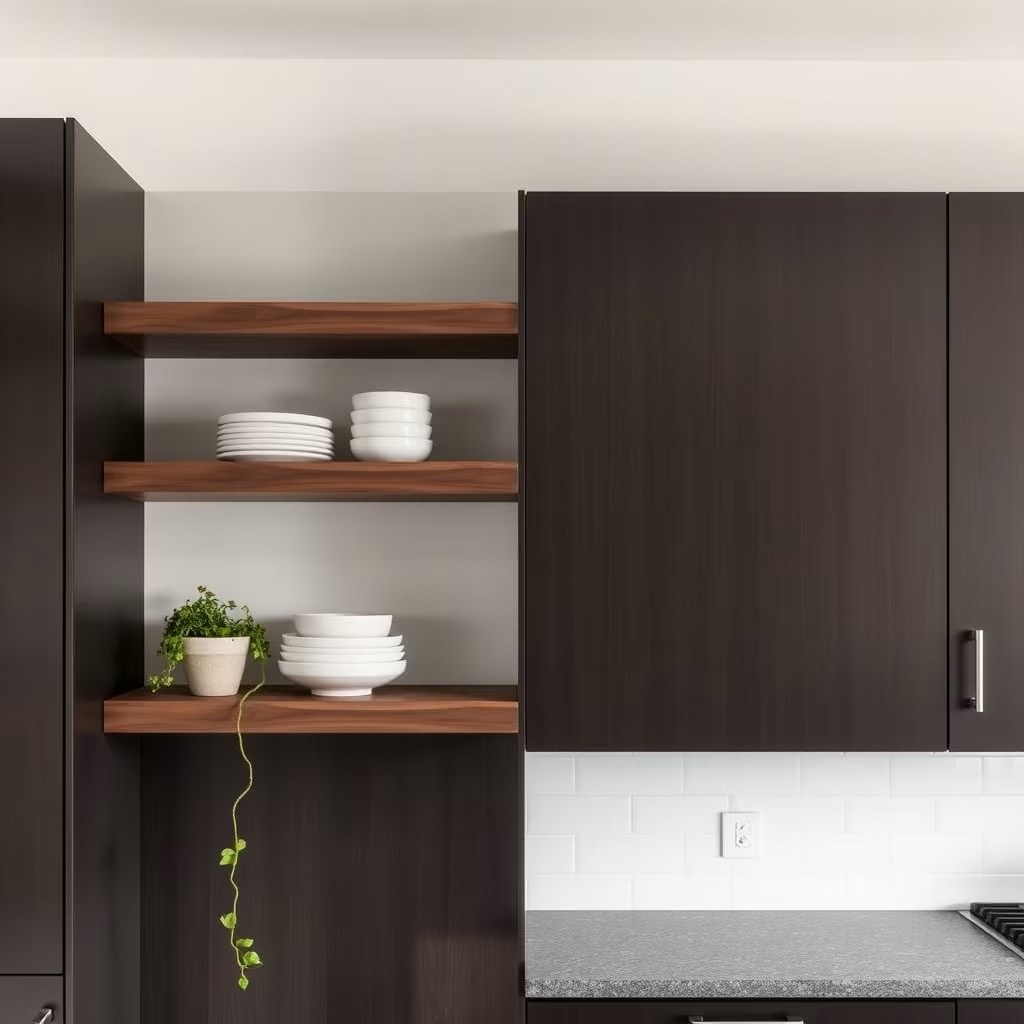
Add Organic Warmth With Open Walnut Shelving
If you are swapping out upper wall cabinets for a more open, airy feel, install floating shelves made of rich American walnut. The deep brown tones and lively wood grain add natural warmth that instantly breaks up a wall of black cabinetry. Style these shelves with everyday ceramics, a small potted trailing plant, and a stack of wooden cookbooks to make the space feel lived-in and approachable.
Pro Tip: Make sure your brackets are heavy-duty and anchored directly into wall studs, as dark kitchens often feature heavier stone accents nearby that require structural balance.
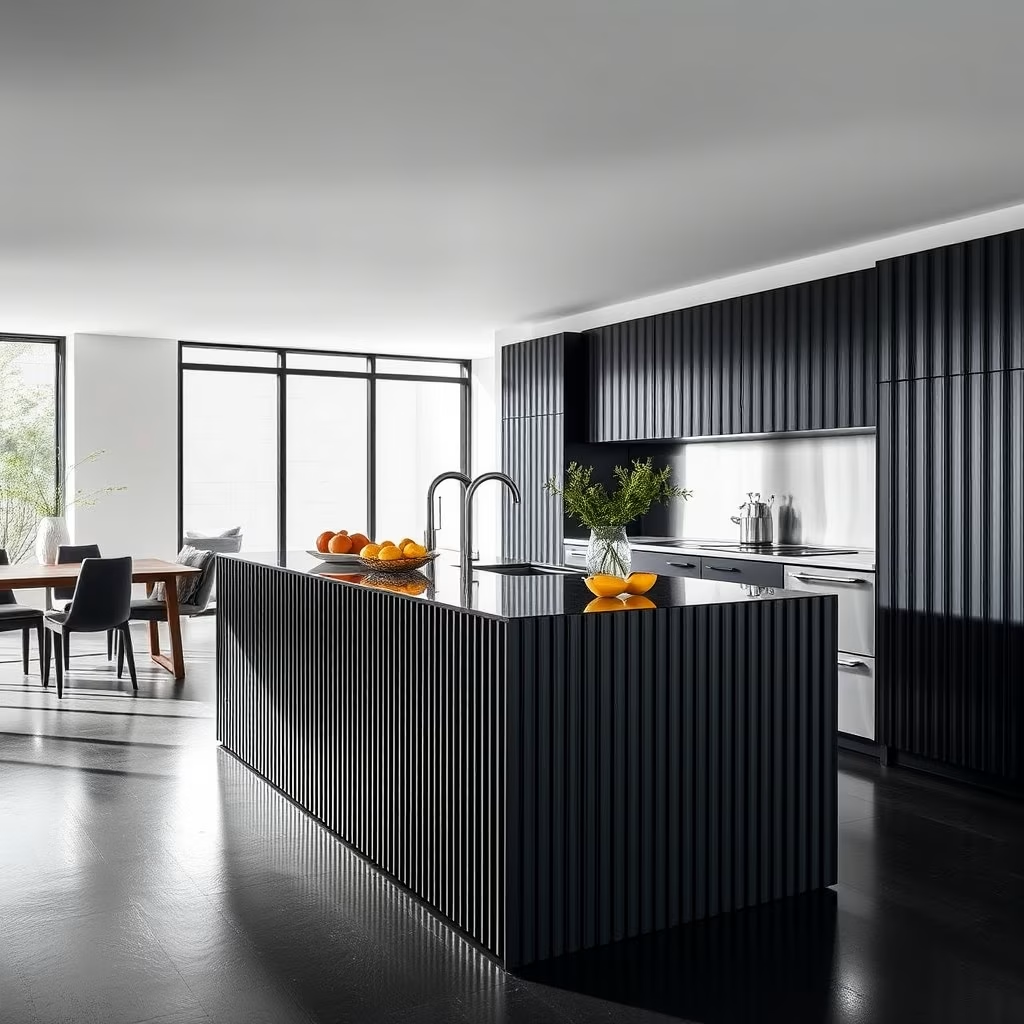
Incorporate a Fluted Black Island as a Sculptural Statement
Take your black kitchen from standard to custom by adding architectural detail to your central island, such as tambour or fluted wood panels painted in a matching satin black. The vertical lines create subtle shadows and add texture to an otherwise flat layout. This turns a functional food-prep station into a striking piece of sculptural furniture that anchors the entire open-concept floor plan.
Pro Tip: If an entire fluted island feels like too much work or budget, apply the fluting detail only to the seating overhang side of the island base.
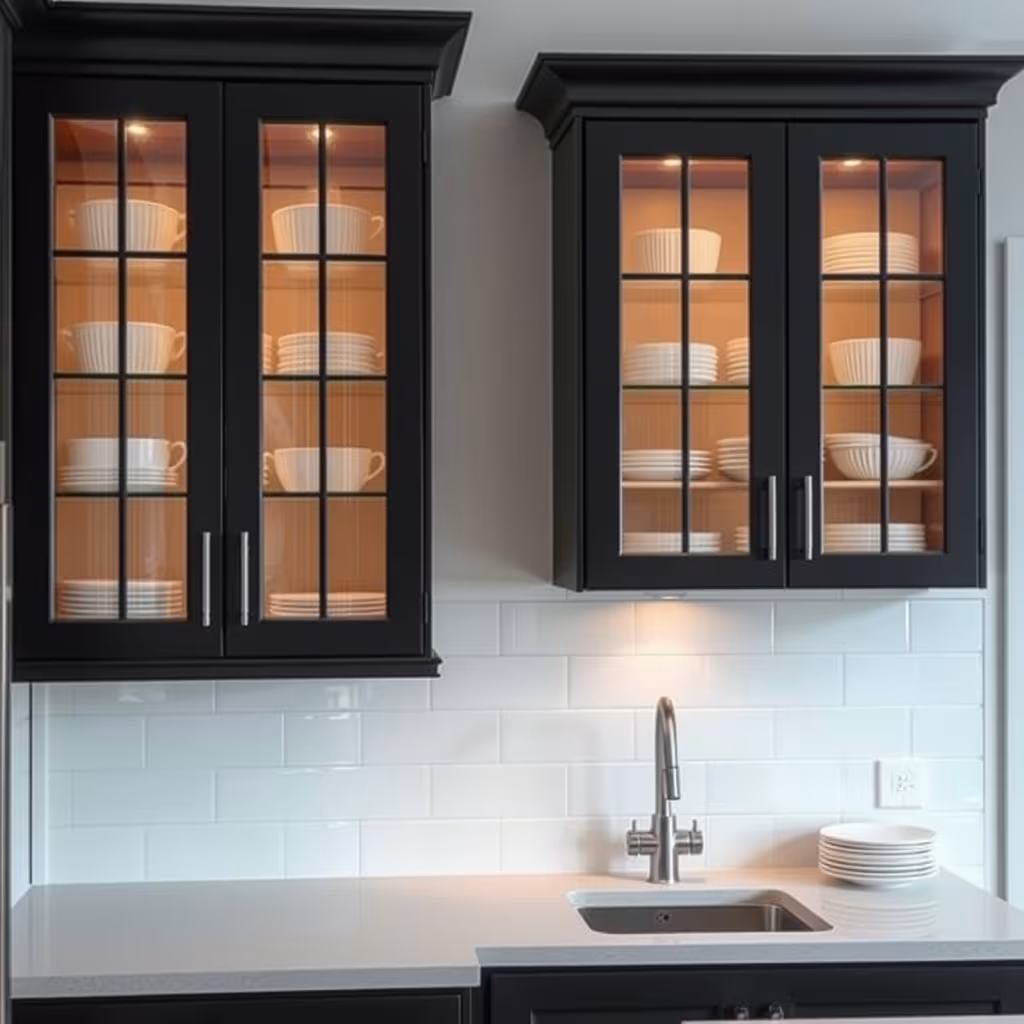
Use Openness and Glass-Front Upper Cabinets for Small Spaces
Worried that a black kitchen will make a small apartment look tiny? You can still use dark colors safely by incorporating glass-front upper cabinets or leaving one wall completely open. The transparent glass breaks up the visual weight of solid black doors, especially if you store lighter-colored dishware inside with interior cabinet lighting switched on.
Pro Tip: Choose reeded or fluted glass inserts instead of clear glass to subtly obscure your dishes while still reflecting light and adding vintage charm.
Frequently Asked Questions
Q: Do black kitchens show fingerprints and dust easily?
A: Yes, standard high-gloss black cabinets show smudges very quickly. However, if you choose a true matte finish, a fingerprint-resistant laminate, or a textured grain, fingerprints become remarkably easy to manage with a microfiber cloth and mild soap.
Q: Will a black kitchen make my small room look even smaller?
A: It can if the room lacks natural light and has dark floors and dark walls. To keep a small space feeling large, pair black lower cabinets with light white oak floors, bright white walls, and plenty of under-cabinet task lighting.
Q: What wall paint colors go best with black kitchen cabinets?
A: Soft warm whites, greiges, and muted earthy tones like muted olive or warm taupe look stunning alongside black cabinets. Avoid stark, cold hospital whites, which can make the black look harsh by comparison.
Designing a black kitchen is a bold step that pays off with unmatched sophistication, timeless appeal, and effortless style. By balancing your dark finishes with warm wood tones, thoughtful lighting, and reflective textures, you can create a cooking space that feels cozy, high-end, and deeply functional. Start by picking one hero element—like honed countertops or brass hardware—and build your stunning dark color palette from there.
Leave a Reply