
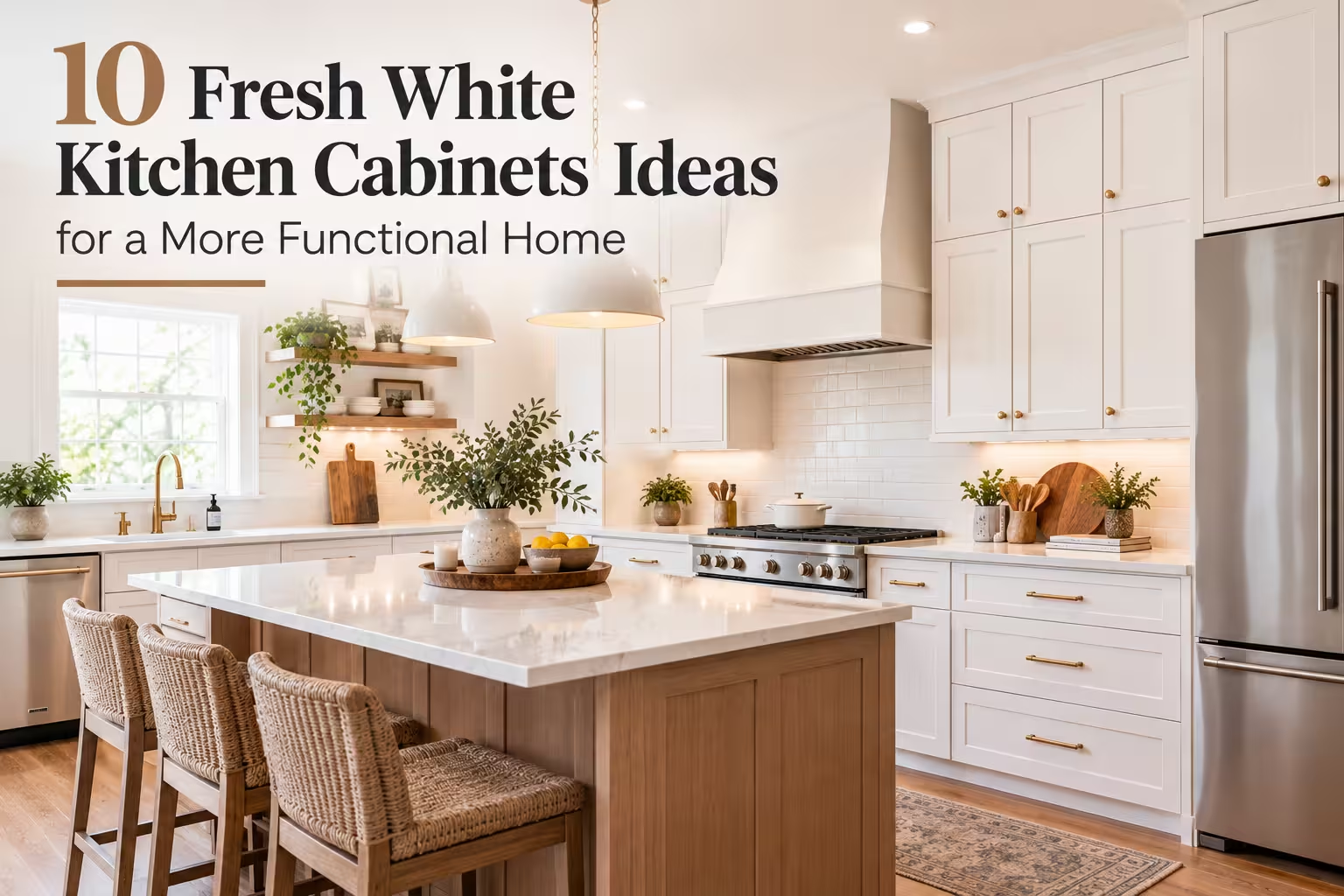
10 Fresh White Kitchen Cabinets Ideas for a More Functional Home
White kitchen cabinets remain a timeless choice, but keeping them functional and modern requires more than just a fresh coat of paint. When I renovated a cramped 1980s galley kitchen last year, I quickly learned that brilliant storage and smart material choices matter just as much as color. In this guide, we are diving past basic Pinterest inspiration to explore practical upgrades that maximize your kitchen’s daily workflow.
If you love the look of natural wood, explore our guide to 10 Striking White Oak Kitchen Cabinets Ideas for a Fresh New Look for more ways to create a warm and inviting kitchen.
Choose Durable Satin or Semi-Gloss Paint Finishes to Resist Everyday Scuffing
Flat matte white paint looks stunning in architectural magazines, but it is a nightmare to clean behind a busy stovetop. When upgrading your cabinets, opt for a satin or semi-gloss finish that wipes down easily with a damp microfiber cloth. In my own kitchen remodel, switching from matte to satin paint saved me from endless scrubbing after weekend baking projects. A higher sheen also bounces natural light around the room, making dark corners feel instantly brighter.
Practical Tip: Avoid high-gloss lacquer if you have young children or pets, as it highlights every single fingerprint and smudge at kid-eye level.
Install Integrated Pull-Out Trash and Recycling Bins Beside the Prep Sink
Nothing disrupts the functionality of a white kitchen faster than a bulky plastic trash can sitting awkwardly in the corner. Incorporating a pull-out cabinet directly beneath or adjacent to your main prep sink keeps waste completely out of sight. This design choice creates a seamless visual line across your lower white cabinetry while streamlining your meal-prep cleanup process. When I added a double-bin pull-out to my lower base cabinets, it completely eliminated floor clutter.
Practical Tip: Make sure to choose heavy-duty soft-close drawer glides, as pull-out waste bins carry significant weight and need durable hardware to prevent sagging over time.
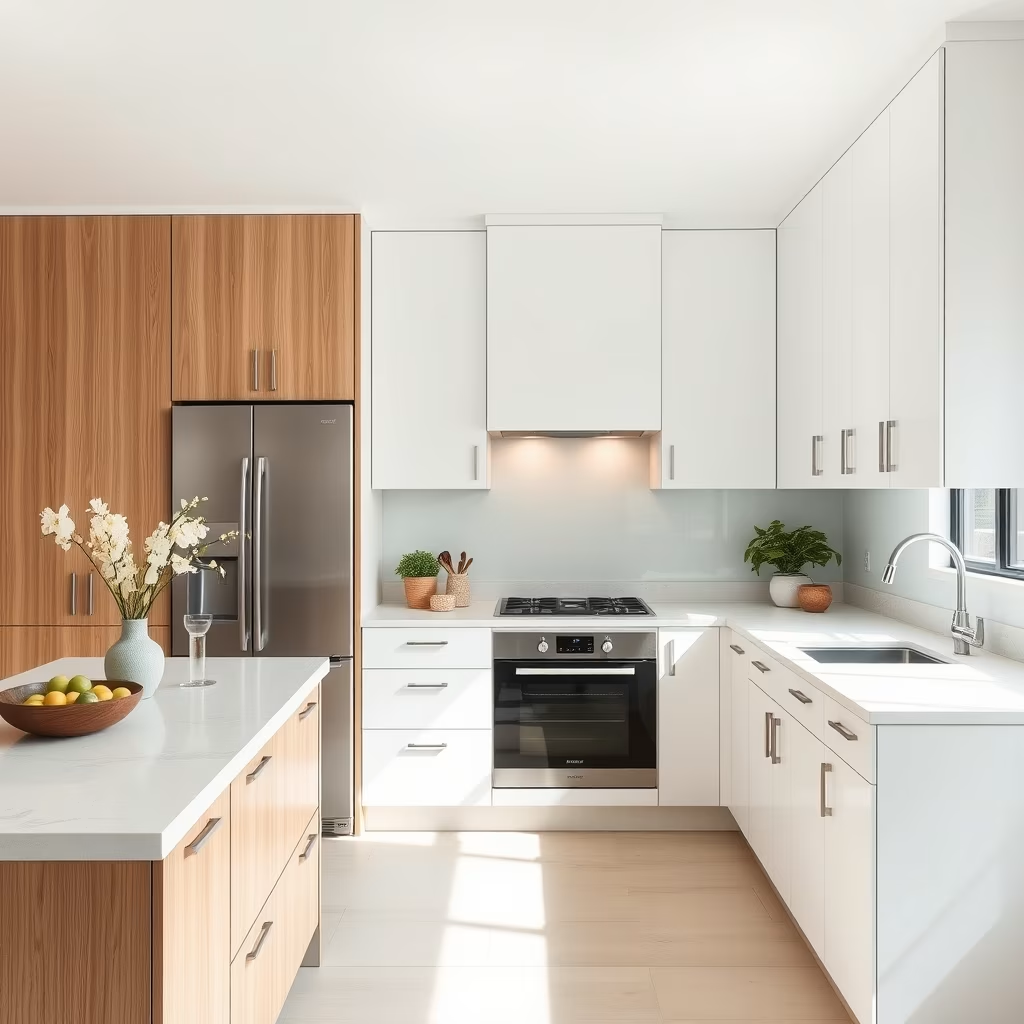
Pair Crisp White Upper Cabinets with Warm Wood Lower Cabinets for Grounded Contrast
An all-white kitchen can sometimes feel sterile or overly clinical if it lacks textural variation. A foolproof designer trick is to keep your upper cabinets a clean, bright white while anchoring the room with warm white-oak or walnut lower cabinets. This two-tone approach draws the eye upward, making standard eight-foot ceilings feel noticeably taller. It also hides scuff marks and shoe scuffs on the lower baseboards far better than all-white lower doors.
Practical Tip: Match the wood undertones of your lower cabinets to your hardwood flooring or open shelving to maintain a cohesive, intentional color palette.
Maximize Awkward Corner Spaces with Blind Corner Swing-Out Shelves
Corner cabinets are notorious black holes where small appliances and mixing bowls go to be forgotten. Installing a swing-out mechanism—often called a magic corner or half-moon pull-out—transforms dead corner space into easily accessible storage. When working with white Shaker doors, these internal mechanisms ensure the exterior aesthetic stays clean while the interior works overtime. I installed one in my awkward blind corner, and I can finally reach my blender without crawling on the floor.
Practical Tip: Measure your door clearance carefully before ordering retrofitted corner hardware to ensure the swing-out trays clear adjacent handles and appliances.
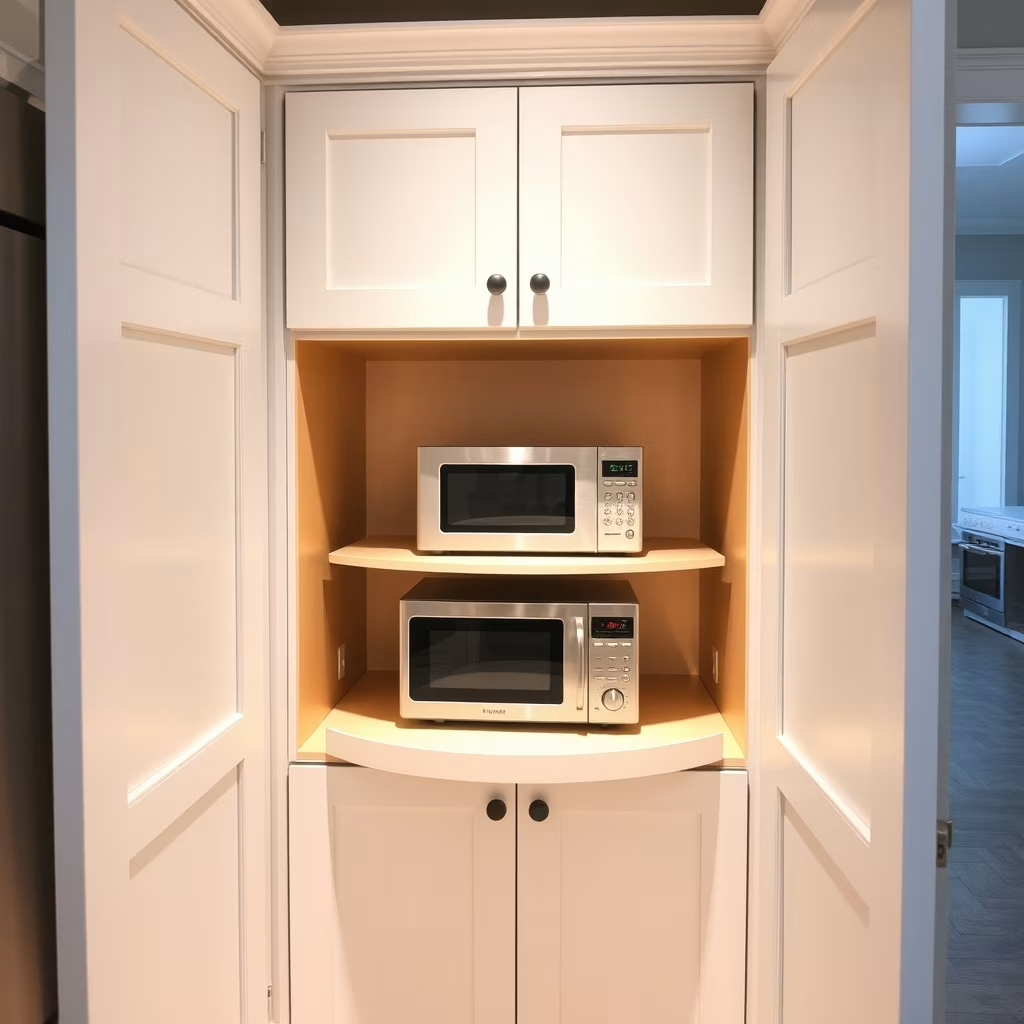
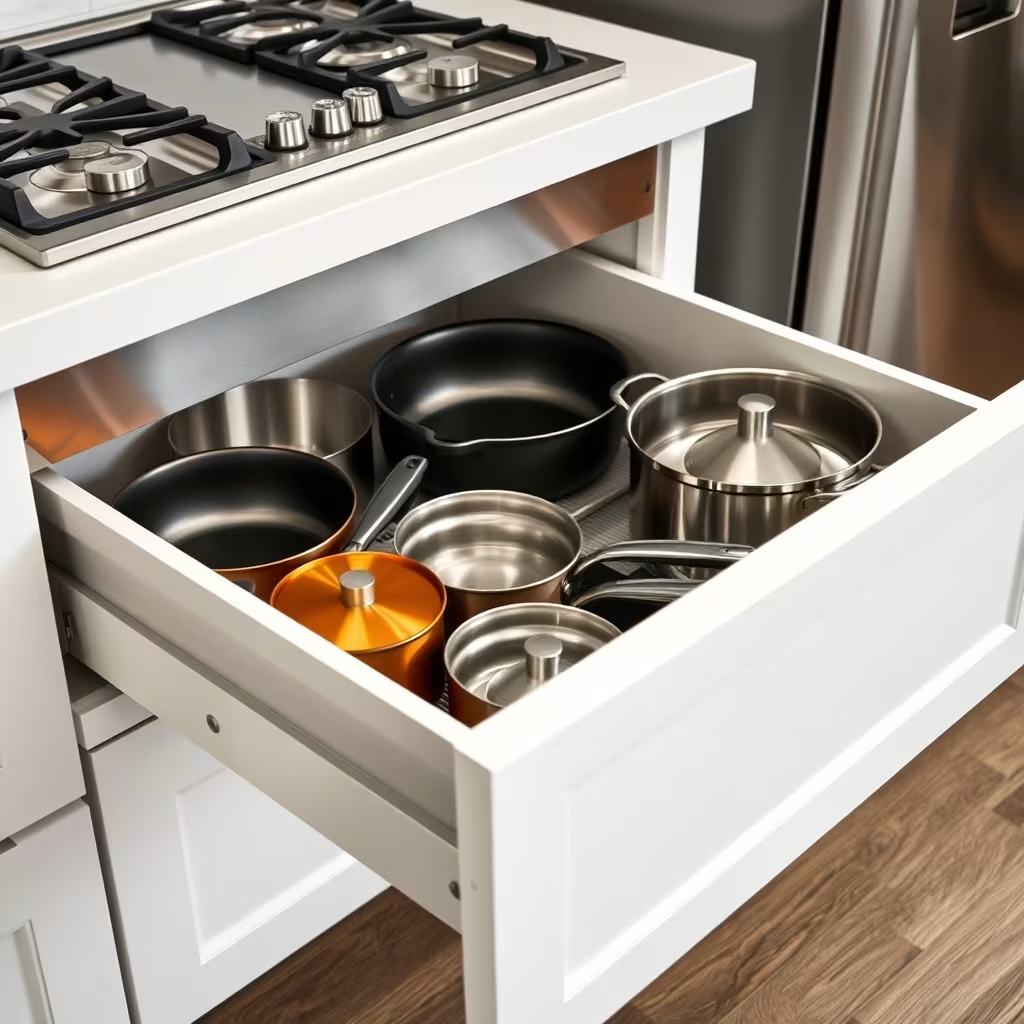
Add Deep Pot and Pan Drawers Beneath the Cooktop Instead of Standard Doors
Traditional cabinet doors with fixed interior shelves force you to bend down and rummage blindly for heavy cast-iron skillets. Replacing lower cabinet doors with wide, deep pot drawers makes accessing your heaviest cookware completely effortless. White drawer fronts maintain that airy, expansive look while hiding heavy-duty organizational inserts inside. In my own cooking zone, switching to wide pot drawers cut my meal prep friction in half.
Practical Tip: Use adjustable wooden peg boards inside your deep drawers to lock heavy pots and lids firmly in place so they never slide around when opened.
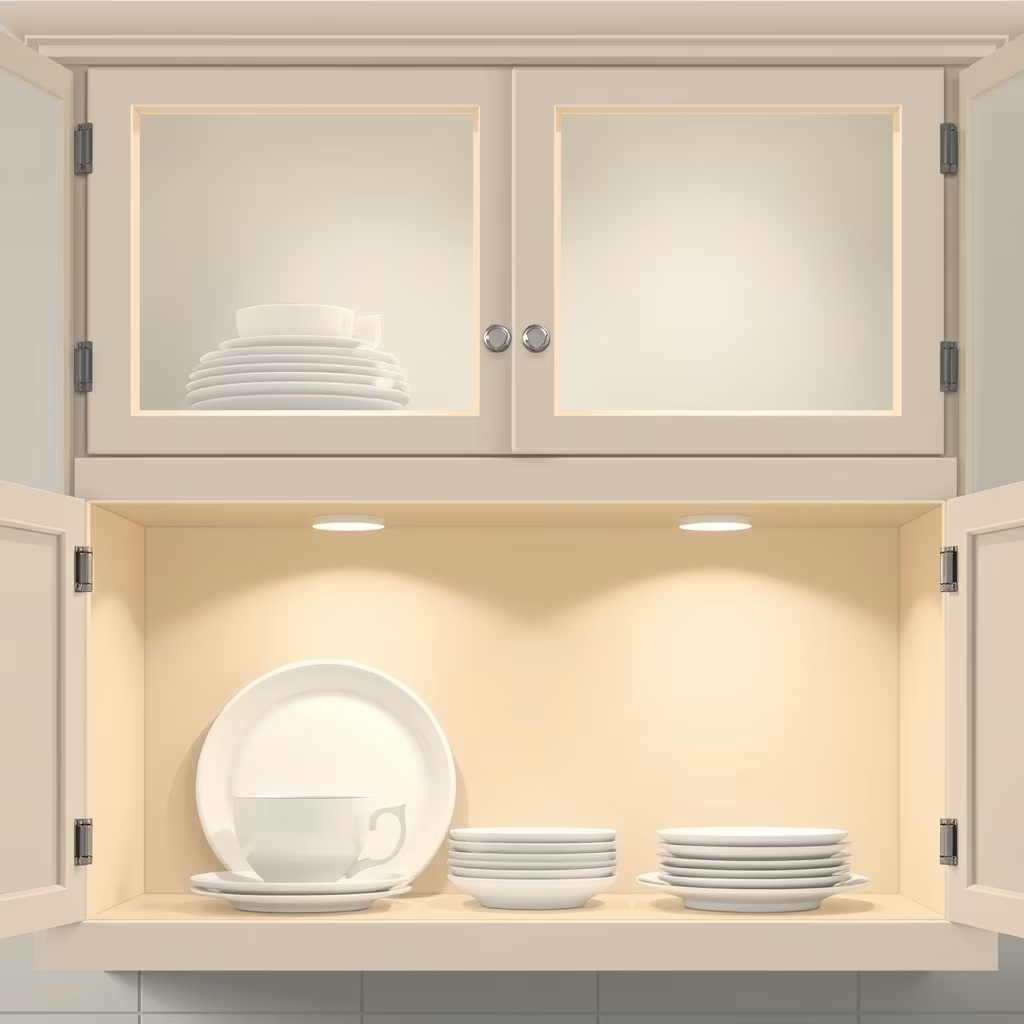
Incorporate Glass-Front Upper Cabinets to Display Everyday Dinnerware
Solid white doors can make a small kitchen feel heavy and closed off, especially along the upper perimeter. Swapping a few strategic upper cabinet panels for seeded or frosted glass instantly lightens the visual weight of the room. This gives you a gorgeous opportunity to display neutral ceramic dishware or glassware while keeping dust off your favorite pieces. When I added glass inserts to my coffee station cabinets, it added instant depth and character to the space.
Practical Tip: If your cabinet interiors are messy, opt for reeded or frosted glass rather than crystal clear to diffuse the view while still keeping the airy aesthetic.
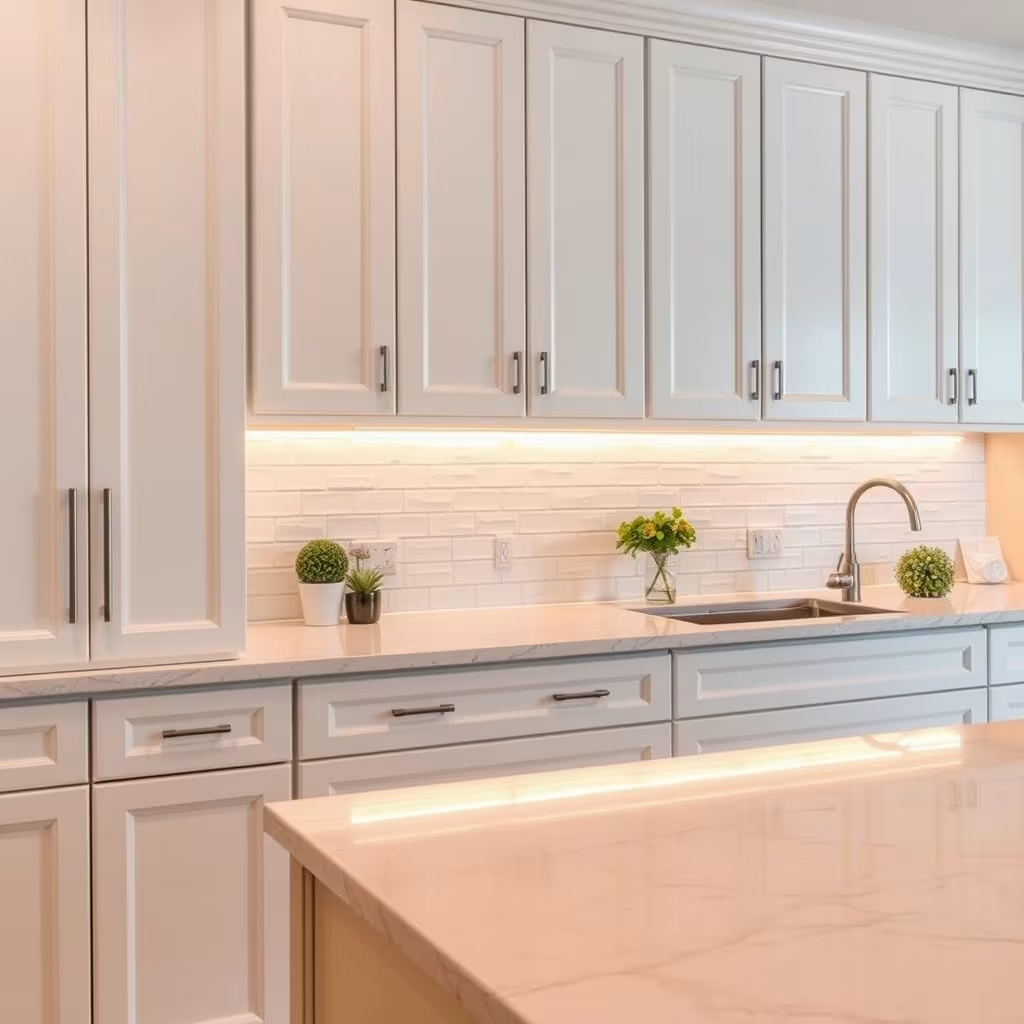
Upgrade to Integrated Under-Cabinet LED Lighting to Brighten Counter Workspace
Even the brightest overhead ceiling fixtures cast annoying shadows when you are chopping vegetables on white quartz countertops. Hardwired under-cabinet LED strip lighting illuminates your workspace while highlighting the crisp finish of your white cabinets. During my kitchen renovation, adding warm-toned under-cabinet lights made the entire room feel custom-built and high-end. It also serves as a soft, welcoming nightlight during late-night glass-of-water runs.
Practical Tip: Stick with a color temperature between 2700K and 3000K so your white cabinets and countertops feel warm and inviting rather than stark and bluish.
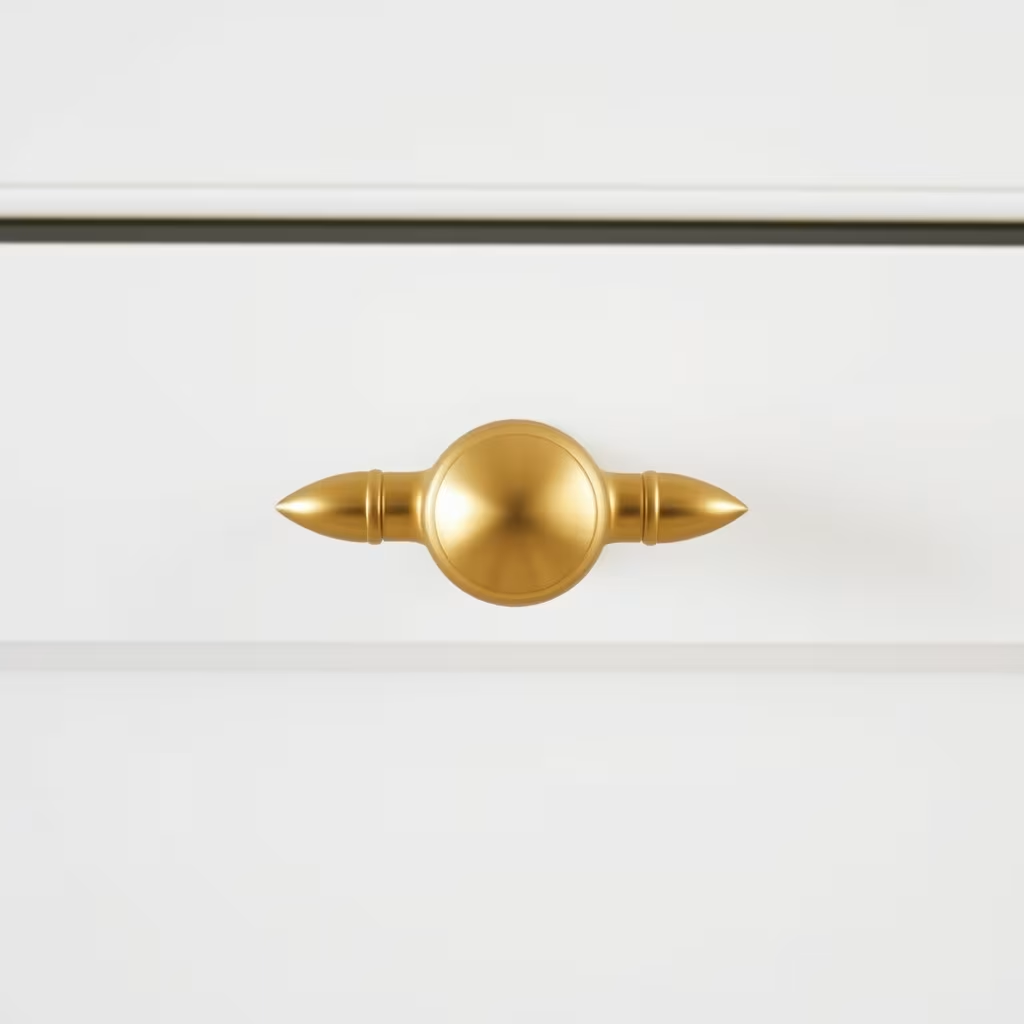
Combine Shaker Cabinets with Brushed Brass Hardware for Timeless Elegance
Hardware is the jewelry of your kitchen, and it has the power to entirely define your cabinet style. Pairing classic white Shaker-style cabinets with brushed brass or unlacquered copper pulls instantly elevates a basic builder-grade kitchen into a bespoke space. When I swapped out standard builder knobs for heavy unlacquered brass pulls, the tactile experience of opening my cabinets completely changed for the better. The metallic warmth naturally cuts through the coolness of bright white paint.
Practical Tip: Stick to one metal finish across your cabinet pulls, faucet, and light fixtures to keep the design looking unified and intentionally curated.
Frequently Asked Questions
Q: Do white kitchen cabinets make a small kitchen look bigger?
A: Yes, absolutely. White cabinets reflect natural and artificial light around the room, which visually expands tight spaces and reduces the heavy feeling of bulkier dark wood tones.
Q: What is the easiest way to clean greasy fingerprints off white cabinet doors?
A: Mix equal parts warm water and white vinegar with a single drop of blue dish soap. Wipe gently with a soft microfiber cloth, then dry immediately with a clean towel to protect the paint finish.
Q: Are white kitchen cabinets still in style?
A: White cabinets are a timeless staple in interior design. While trends shift toward two-tone kitchens or warm wood accents, a clean white base will always remain versatile and easy to resell.
Q: What wall paint colors go best with white kitchen cabinets?
A: Soft greige, warm beige, subtle sage green, or even a crisp matching white all pair wonderfully. Just ensure your wall paint undertones complement whether your white cabinets lean warm or cool.
Upgrading your white kitchen cabinets is about much more than just a fresh coat of paint. By focusing on smart hardware choices, clever interior storage solutions, and durable finishes, you can build a kitchen that handles daily life with ease. Take your time planning out your workflow needs before choosing materials, and enjoy creating a space that feels both functional and beautiful.
Leave a Reply