
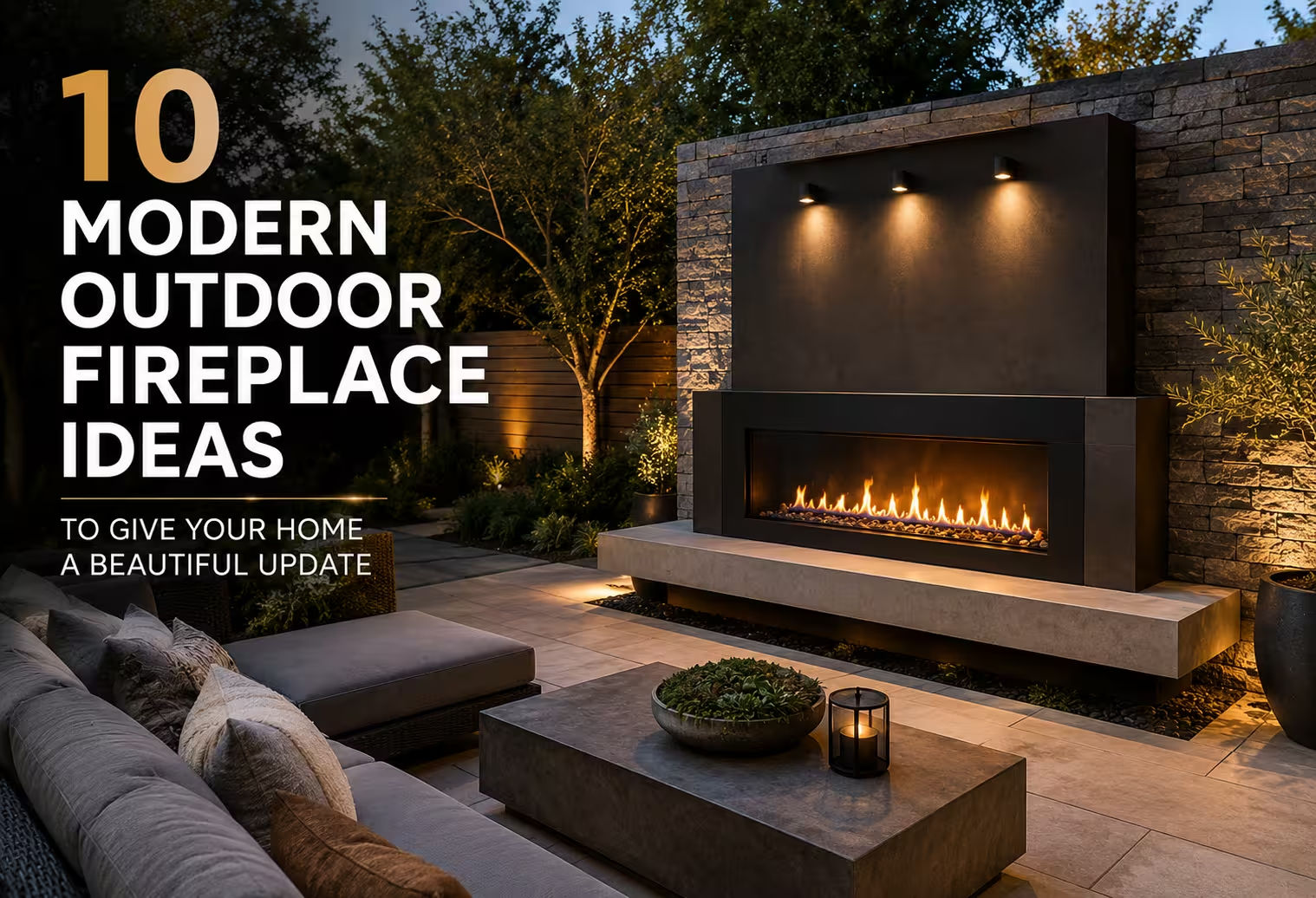
10 Modern Outdoor Fireplace Ideas to Give Your Home a Beautiful Update
Upgrading your backyard with a modern outdoor fireplace changes how you use your living space long after the sun goes down. Whether you are working with a sprawling patio or a compact urban courtyard, adding a focal point hearth extends your outdoor season by months. At Furnish Luxe, we have tested and styled dozens of alfresco setups, learning firsthand that the right fireplace design anchors exterior architecture just as well as an indoor chimney does.
For more inspiration, check out our previous guide, 10 Elegant Fireplace Ideas for Modern Contemporary Homes, for stylish indoor fireplace designs.
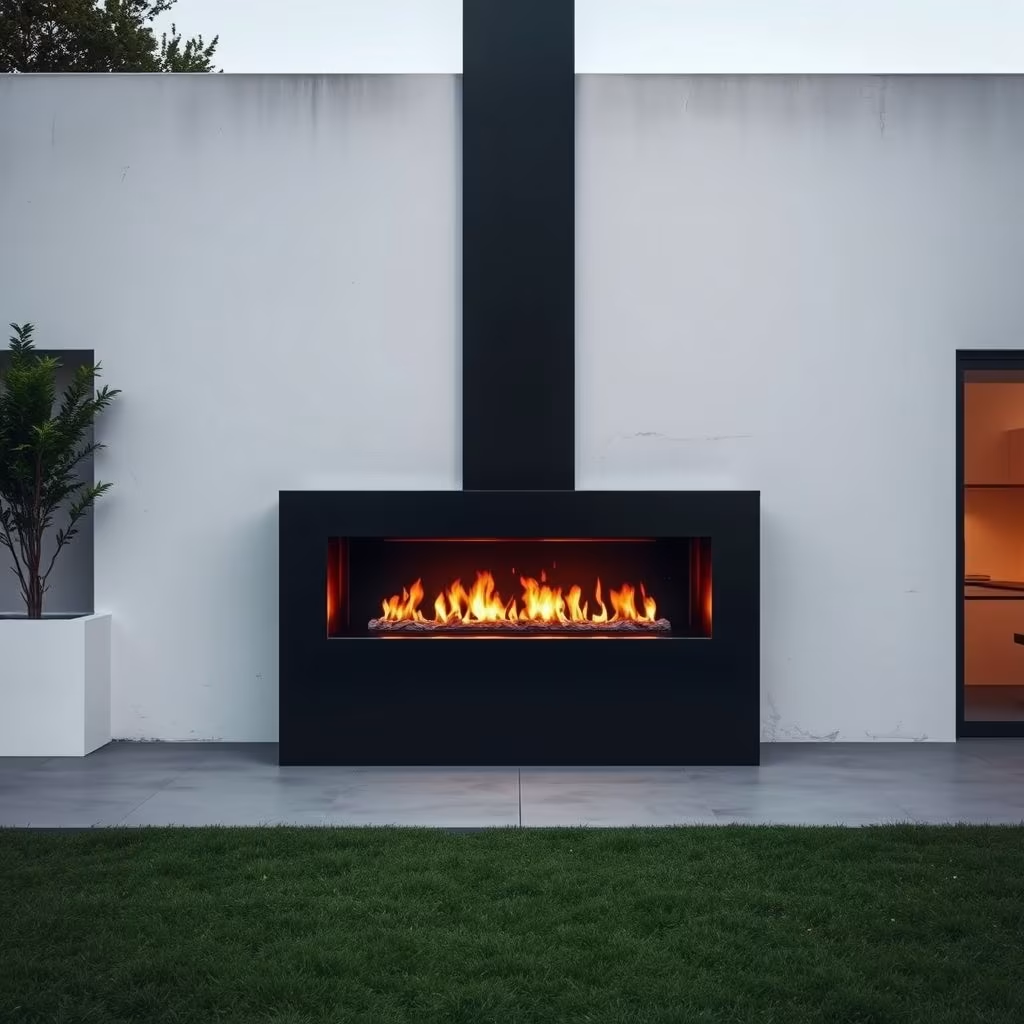
Sleek Black Steel Linear Fireplaces for Minimalist Patios
A black powder-coated steel linear fireplace brings instant modern architectural drama to a contemporary backyard. The clean, elongated frame draws the eye horizontally, making narrow patios feel wider than they actually are. In my own renovation of a mid-century modern courtyard, we used a freestanding matte black gas unit against a white stucco wall, and the high-contrast pairing completely redefined the space.
This design works exceptionally well because the neutral metallic finish acts as a chameleon, tying together dark window frames and modern outdoor furniture. When shopping for steel units, always verify that the finish is rated for exterior marine environments to prevent premature rust.
Practical Tip: If you are renting or working on a strict budget, skip custom metal fabrication and look for prefabricated modular gas burners that slide directly into existing masonry boxes.
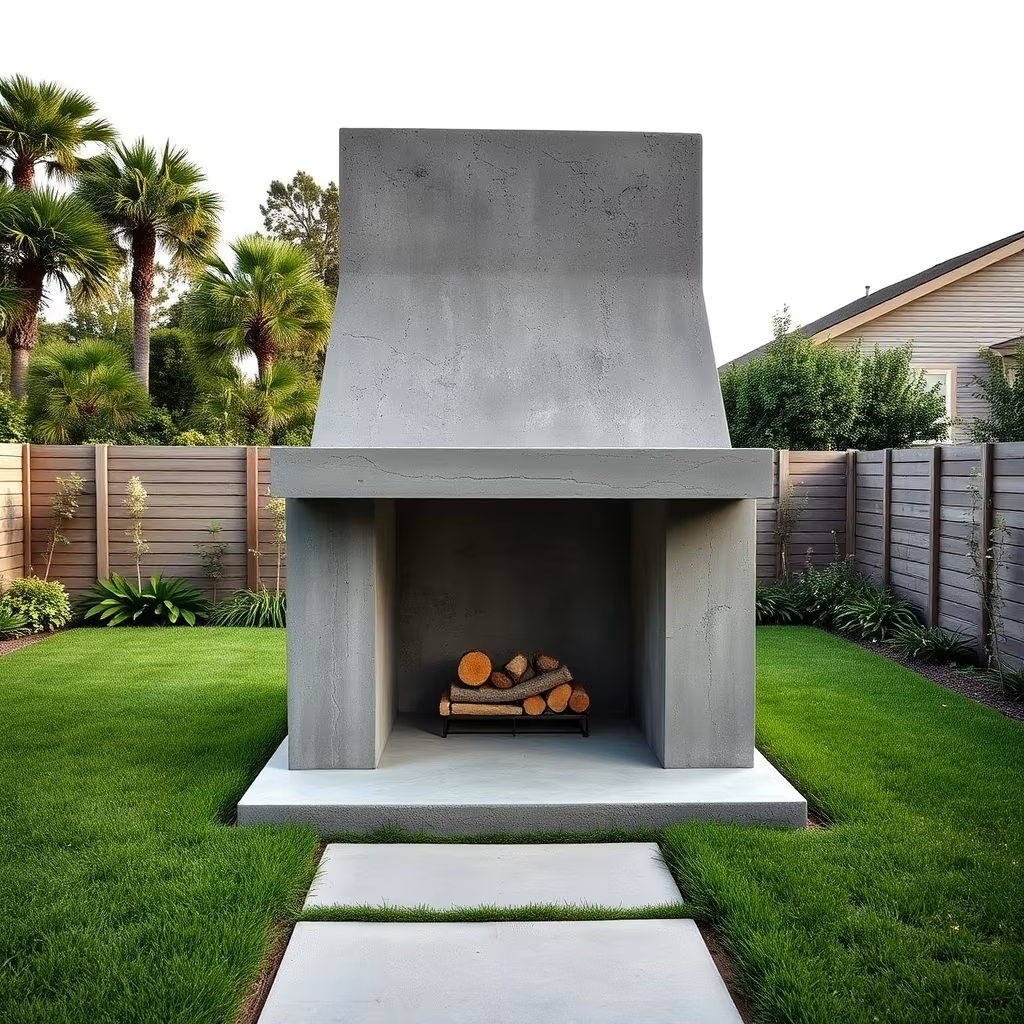
Monolithic Concrete Fireplaces for Industrial Backyard Designs
Poured-in-place or large-format modular concrete panels create an industrial, brutalist aesthetic that looks right at home in modern landscape architecture. The natural gray tone of raw concrete provides a wonderful, tactile counterpoint to lush green plantings and manicured lawns. When I designed a terrace layout last autumn, a board-formed concrete hearth added instant weight and substance to an otherwise lightweight furniture arrangement.
This material excels in durability and handles extreme weather changes without cracking if properly sealed. However, concrete is remarkably heavy, so you must consult a structural engineer or a professional mason before installing a massive poured structure on a wooden deck.
Practical Tip: Apply a breathable matte penetrating sealer twice a year to protect your concrete fireplace from red wine spills, soot stains, and water absorption.
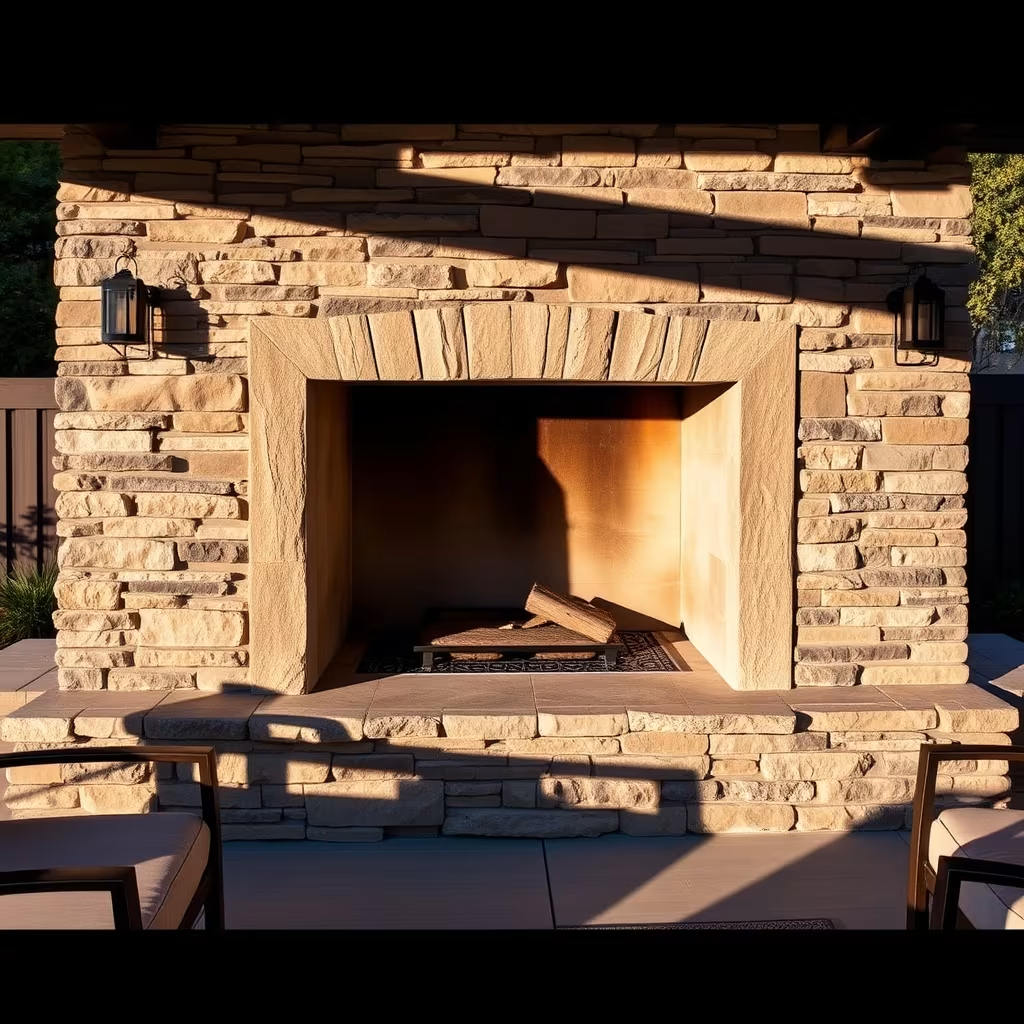
Stacked Stone Fireplaces with Warm Ledgestone Textures
For a bridge between contemporary architecture and organic natural surroundings, dry-stacked ledger stone remains an unbeatable choice. Using narrow, rectangular stones in tones of charcoal, gray, and earthy beige adds a rich, tactile element that softens hard geometric patios. In a recent suburban project, wrapping a wood-burning outdoor fireplace in stacked quartzite immediately transformed a sterile concrete slab into a cozy retreat.
Ledger stone works because it introduces micro-shadows across the surface throughout the day as the sun shifts, keeping the massive structure visually dynamic. Avoid overly shiny or polished stones, which clash with the relaxed mood of modern outdoor living.
Practical Tip: Use the 60-30-10 color rule for your nearby seating: let the stone make up your dominant natural tone, choose neutral weather-resistant fabrics for 30 percent, and save bold accent colors like terracotta or olive for your throw pillows.
Double-Sided Outdoor Fireplaces as Patio Room Dividers
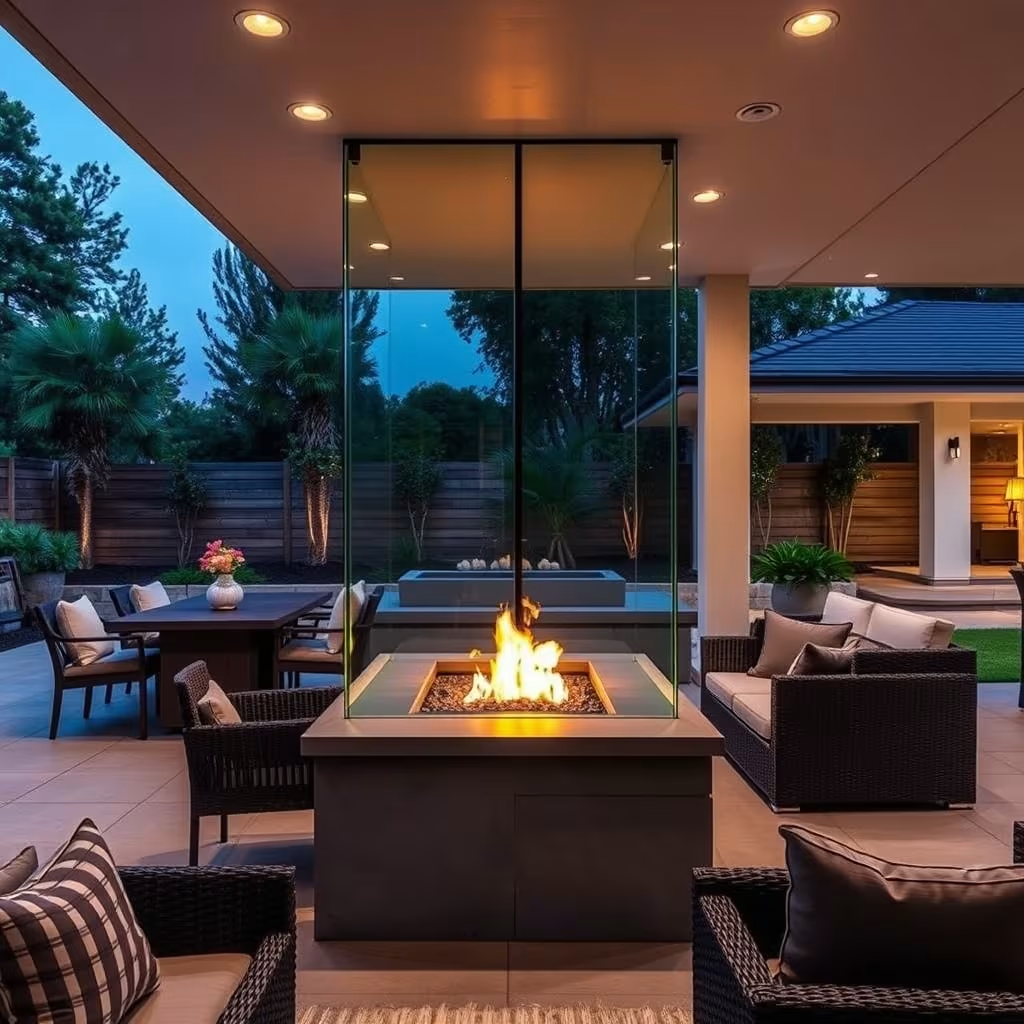
A double-sided glass or open-fire hearth acts as a brilliant spatial partition for larger backyards with distinct functional zones. By positioning the fireplace between your dining area and your lounge seating, you double the heating efficiency and create visual flow. I once specified a double-sided gas unit to divide a sunken conversation pit from a dining terrace, and it successfully linked two entirely different outdoor moods.
This layout works because it maintains sightlines across the garden while physically defining where one functional zone ends and another begins. Keep in mind that double-sided models require careful wind-mapping during planning, as cross breezes can easily blow out open pilot lights.
Practical Tip: Choose an automatic electronic ignition system rather than a manual pilot light for double-sided units so you never have to lean over the flames on a windy evening.
Cor-Ten Steel Fireplaces with Rust Patinas for Organic Modernism
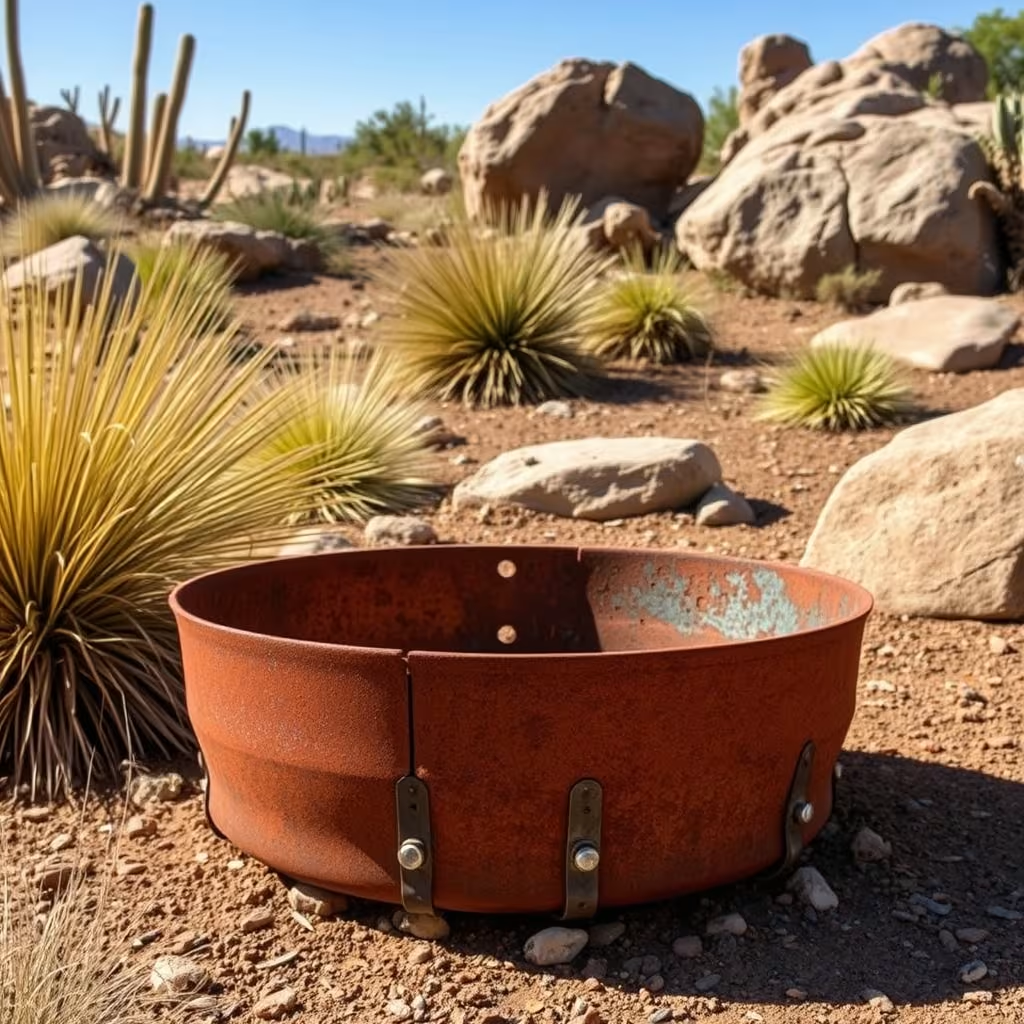
Cor-Ten steel, often called weathering steel, develops a stable, rust-like appearance over time that naturally shields the metal from further corrosion. This rich orange-brown hue looks stunning against minimalist dark gray siding or surrounded by ornamental grasses and boulders. When we tested a Cor-Ten fireplace ring in a desert-inspired landscape design, the warm metal tones echoed the natural colors of the surrounding soil.
Weathering steel works because its earthy warmth prevents modern industrial yards from feeling cold or sterile. Be aware that during the initial weathering process, runoff rainwater can stain porous stone or light-colored pavers underneath the unit.
Practical Tip: Place a bed of dark Mexican beach pebbles or crushed slate directly beneath your Cor-Ten fireplace to catch any initial rust runoff and mask minor ash debris.
Stucco-Wrapped Fireplaces Matched to Your Home Exterior
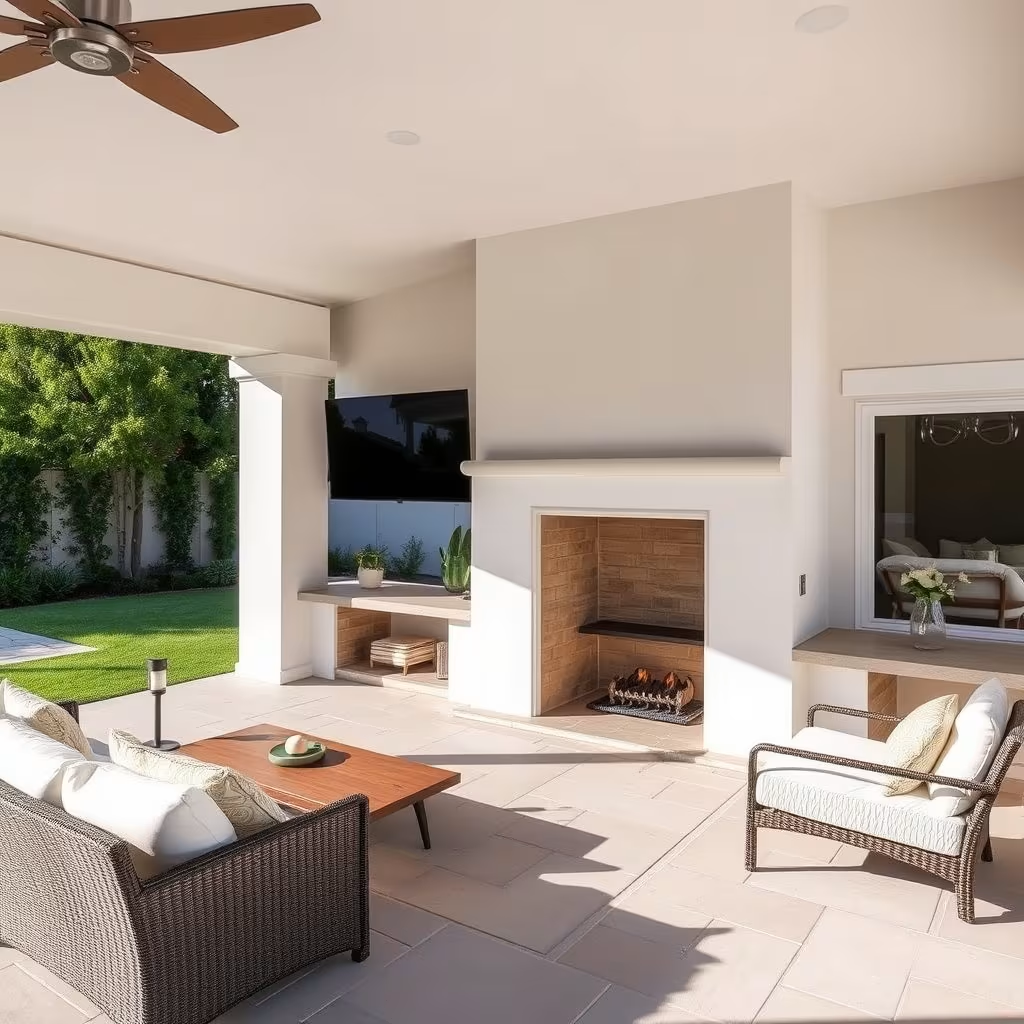
Coordinating your outdoor fireplace directly with your home’s exterior finish creates a seamless, high-end custom look that feels intentional rather than tacked-on. Whether your home features crisp white smooth stucco, traditional Spanish red tile vibes, or painted brick, matching the hearth material blurs the line between indoor and outdoor spaces. I frequently recommend this approach to clients who want their backyard renovation to look like part of the original architectural blueprint.
This strategy works because visual continuity tricks the eye into perceiving small backyards as much larger, uninterrupted extensions of the home. Always use exterior-grade acrylic stucco systems that resist fading under direct UV exposure.
Practical Tip: If your home features a dark exterior paint color like charcoal or navy, consider making the fireplace chimney a slightly lighter contrasting shade to prevent the firebox opening from disappearing into the shadows.
Tabletop and Fire Bowl Hybrids for Small Balconies and Decks
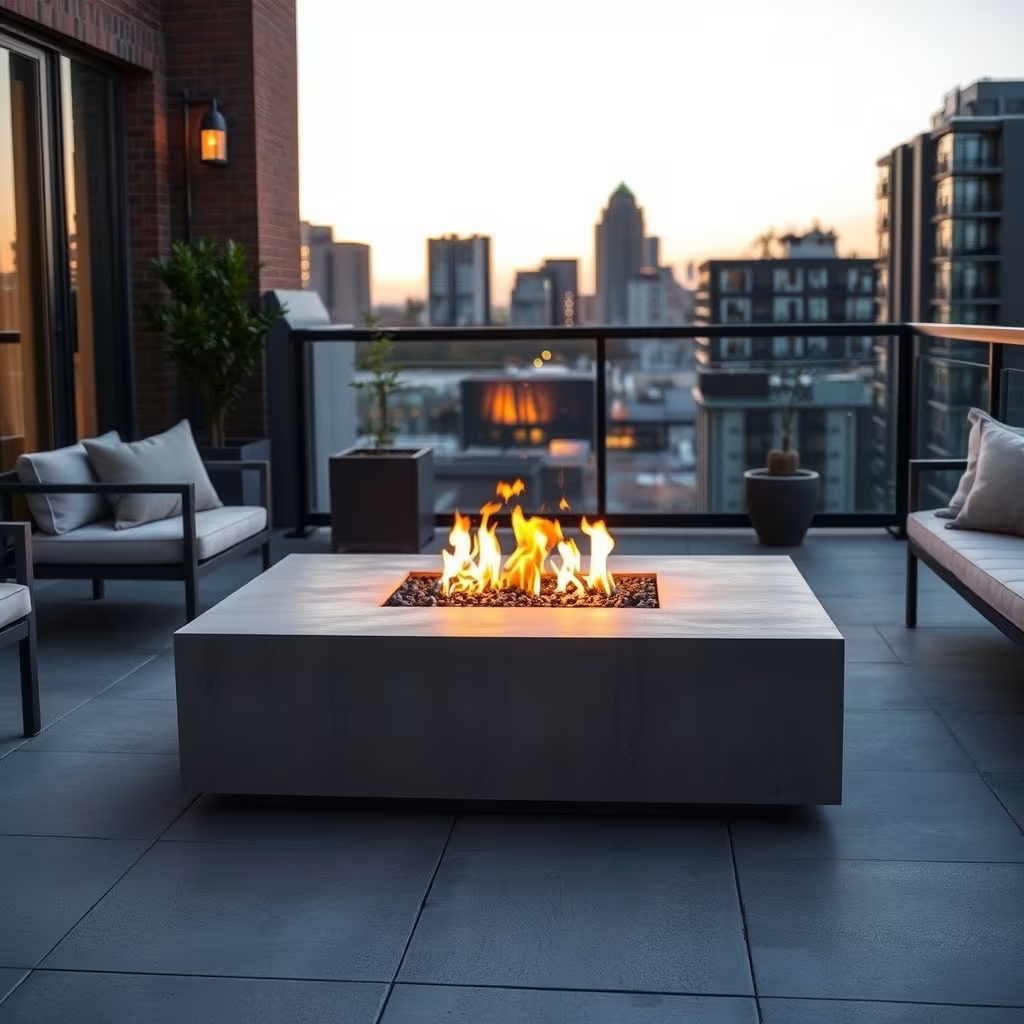
If you have a compact urban balcony or a modest townhouse deck, a full masonry chimney is entirely out of the question, making a low-profile fire table the ideal solution. These versatile units combine a functional coffee surface with a central propane or natural gas burner. On a small downtown balcony I styled last summer, a rectangular concrete fire table completely replaced the need for a traditional coffee table and became the nightly gathering spot.
This design succeeds because it maximizes vertical space and serves two distinct functions without crowding narrow footpaths. Look for models with built-in ledges wide enough to rest a drink or a small plate safely away from the flame.
Practical Tip: Always measure your balcony clearance requirements against local fire codes, ensuring your tabletop unit sits at least three feet away from exterior railings and vinyl siding.
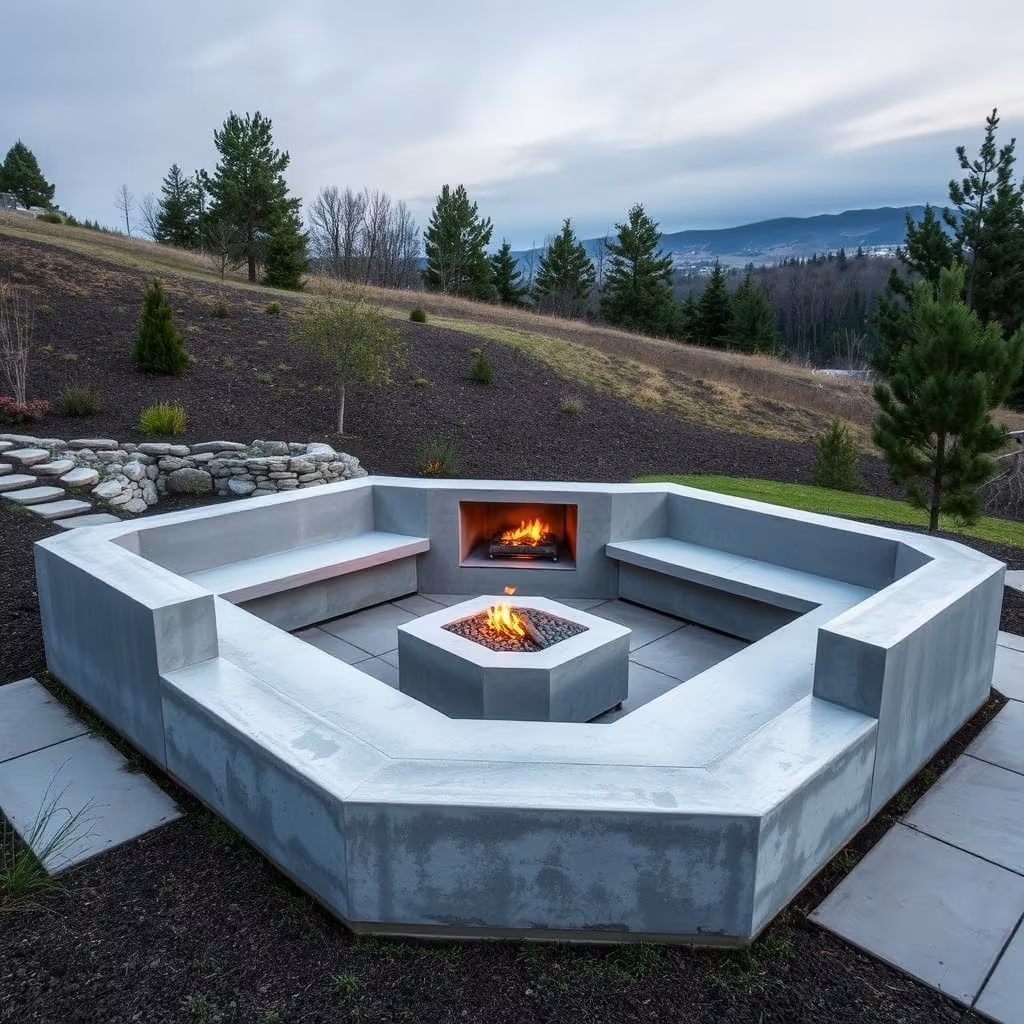
Integrated Fireplace and Built-In Concrete Benches for Seamless Seating
Building your seating directly into the fireplace structure eliminates the clutter of stray patio chairs and creates a clean, architectural lounge pit. L-shaped or U-shaped concrete benches cast right alongside the hearth provide permanent, sturdy seating that withstands high winds and heavy snow loads. During a recent hillside patio overhaul, we poured an integrated cantilevered bench alongside a gas fireplace, which instantly saved precious floor space.
This layout works because it encourages intimate gathering and simplifies your furniture layout entirely. Because concrete benches get cold in the winter and hot in the summer, you will need to invest in custom outdoor cushions to make them comfortable.
Practical Tip: Design a hidden storage compartment underneath the built-in benches using weatherproof marine-grade plywood doors to tuck away your outdoor cushions during heavy rainstorms.
Frequently Asked Questions
Q: Do I need a permit to build an outdoor fireplace?
A: Yes, in most municipalities, permanent wood-burning or gas outdoor fireplaces require a building permit and must pass inspection to ensure safe clearance from property lines and overhead structures.
Q: Which is better for a modern look: gas or wood-burning?
A: Modern designs heavily favor gas or propane units because they allow for clean lines, instant ignition, and zero messy ash cleanup, fitting the sleek minimalist aesthetic much better than traditional wood.
Q: How close can an outdoor fireplace be to my house?
A: Most local building codes require at least 10 feet of clearance between an outdoor wood-burning fireplace and any combustible structure like your home’s siding or wooden deck.
Updating your backyard with a modern outdoor fireplace is one of the smartest investments you can make in your home’s livability and resale value. Start by assessing your space limitations, choose a material that matches your home’s exterior architecture, and create a cozy gathering spot you will enjoy year-round.
Leave a Reply