
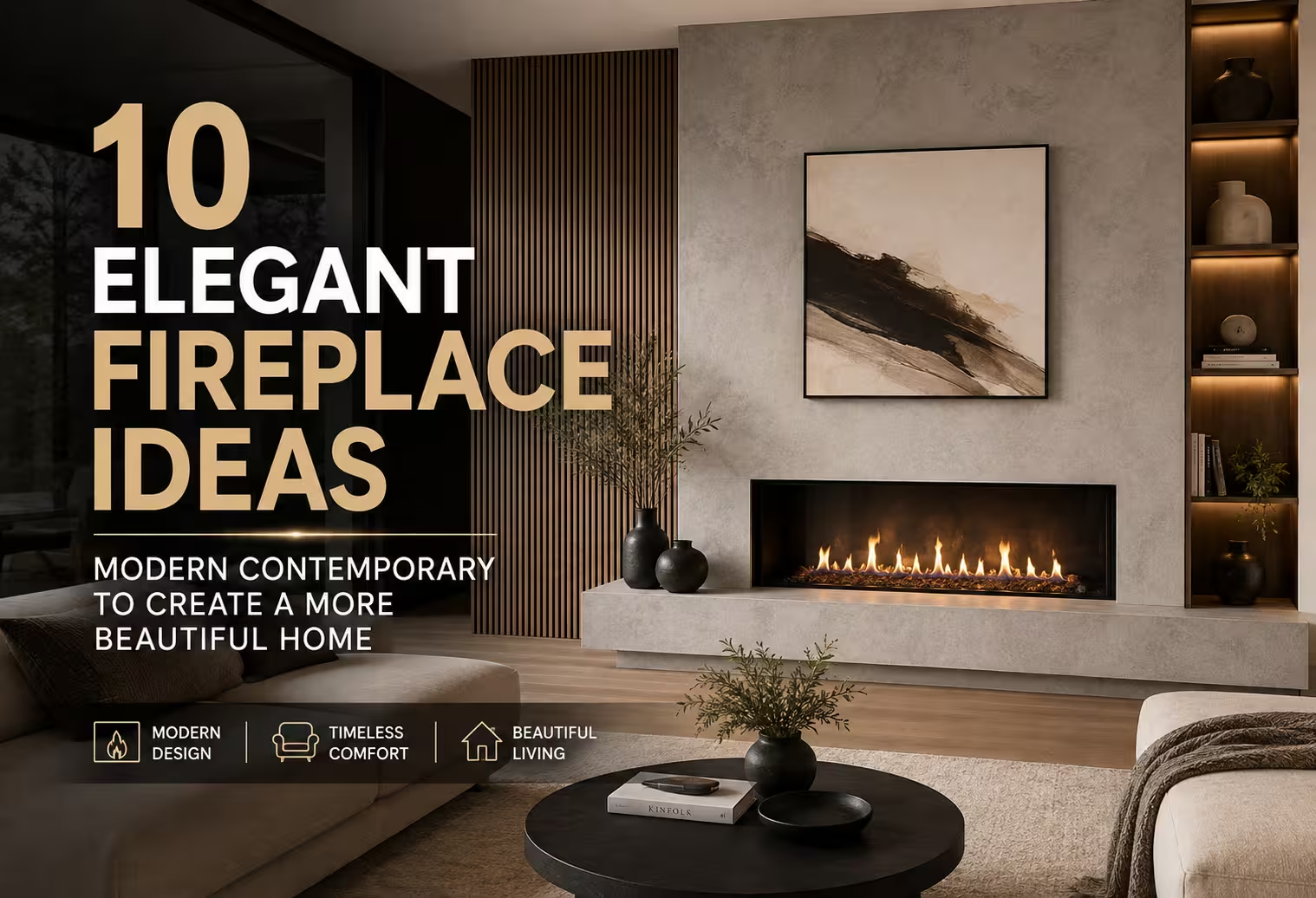
10 Elegant Fireplace Ideas Modern Contemporary to Create a More Beautiful Home
When you are updating a modern contemporary living room, the fireplace is almost always the visual anchor. Skip the ornate mantels and heavy traditional brickwork, and look toward clean lines, monolithic shapes, and unexpected materials. In my own renovation projects, shifting the focus from a standard hearth to a sleek, integrated architectural feature instantly makes a home feel custom-built and high-end.
Whether you are working with an existing wood-burning fireplace or installing a clean-burning linear gas unit, these eight focused design directions will help you achieve a sophisticated, contemporary look without guesswork.
Looking for more inspiration? Explore these 10 Inviting Modern Fireplace Design Ideas to Add Character to Your Space to find even more stylish ways to transform your fireplace.
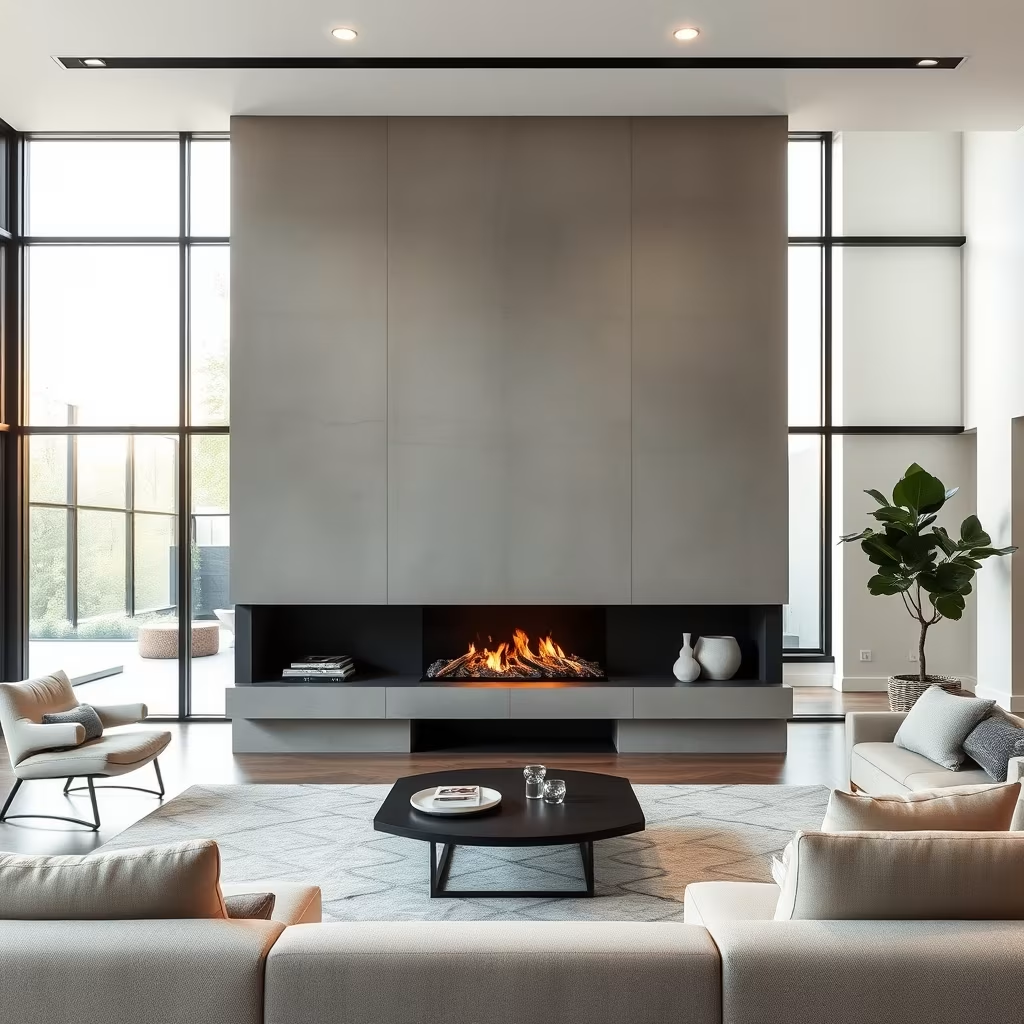
Monolithic Floor-to-Ceiling Microcement Surrounds
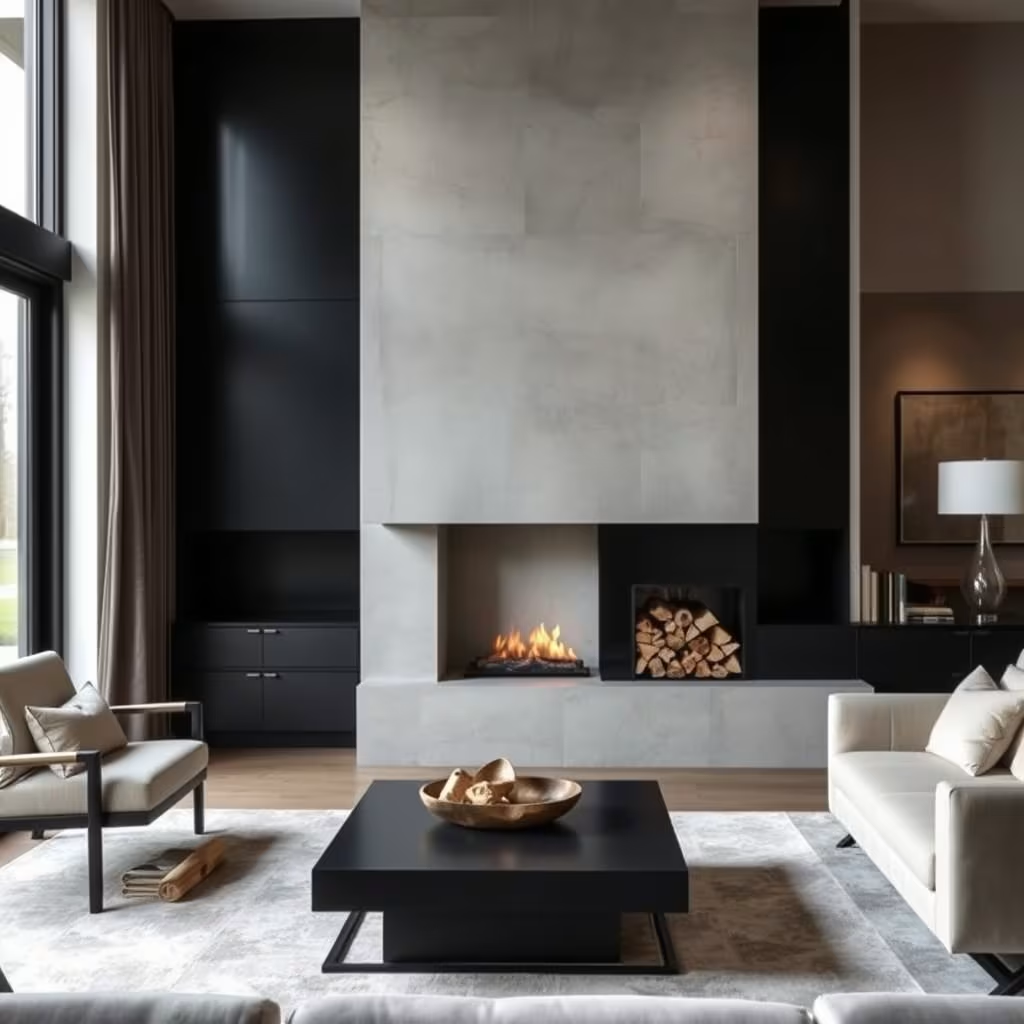
Covering your entire fireplace wall in a seamless microcement or poured concrete finish creates an uninterrupted, monolithic plane. This technique eliminates distracting grout lines and frames a linear firebox with raw, tactile minimalism. In smaller rooms, choose a soft limestone-colored microcement to keep the space feeling light and airy rather than heavy.
When I specified microcement for a client’s mid-century modern ranch living room, we extended the finish all the way up a vaulted twelve-foot ceiling. It immediately drew the eye upward and made the entire room feel twice as large. Just make sure your installer seals the surface properly if you use a wood-burning insert, as soot can permanently stain unsealed porous concrete.
Pro Tip: If hiring a professional for microcement breaks your budget, look into heavy-duty lime wash or textured mineral paint applied over drywall to mimic the exact same chalky, matte aesthetic for a fraction of the cost.
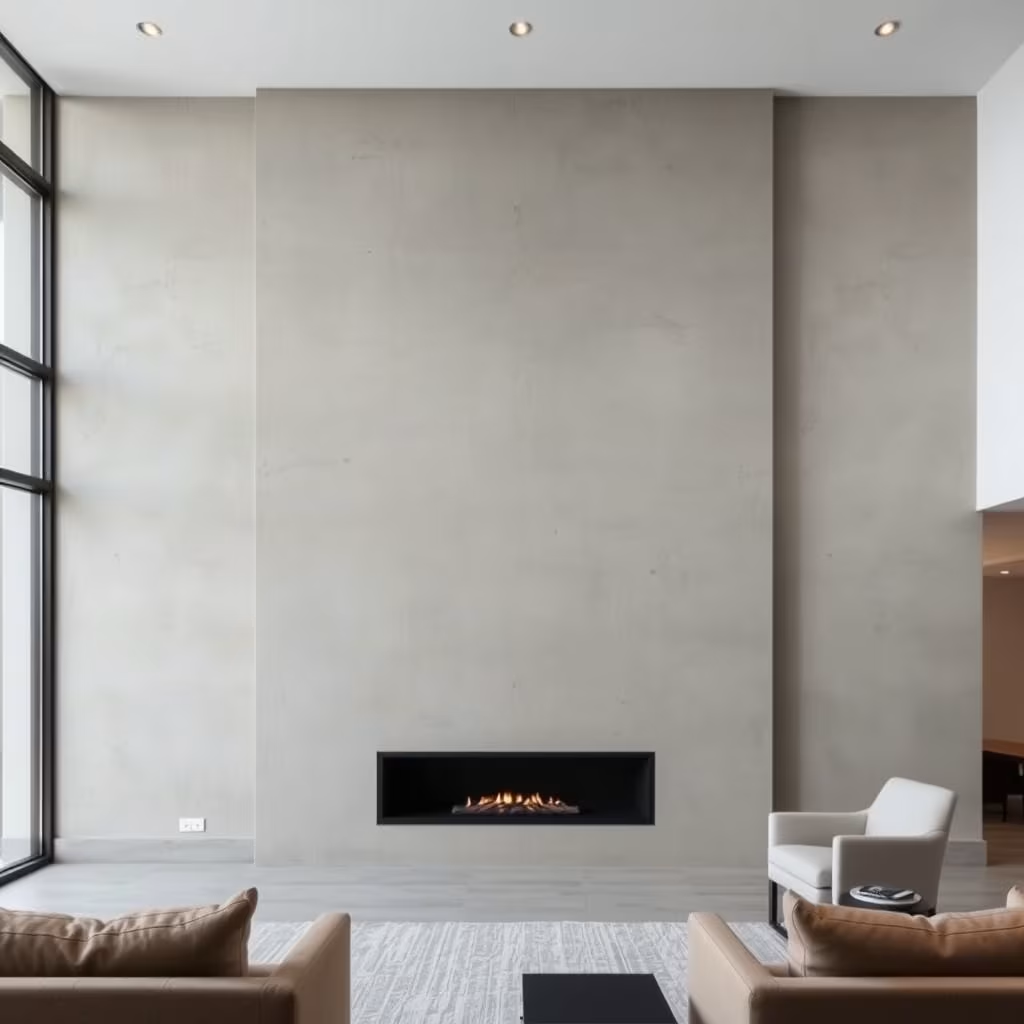
Fluted Wood Panel Fireplaces for Soft Architectural Depth
Flat walls can feel sterile in a modern contemporary home, which is why vertical fluted wood slats have become a staple for warm minimalism. Using white oak, walnut, or charred shou sugi ban wood around a black metal firebox adds organic warmth and subtle texture. The secret to keeping this look contemporary is choosing narrow, tightly spaced slats rather than wide, traditional paneling.
I recently added white oak fluted panels to a basement lounge that lacked natural light, and the vertical lines immediately made the low ceilings feel taller. It also serves a double function: you can easily integrate hidden push-to-open cabinet doors into the slatting to store electronics or firewood out of sight.
Pro Tip: Always run your wood slats vertically from the floor all the way to the ceiling to maximize the illusion of height. Horizontal slats tend to date a room quickly and make walls feel compressed.
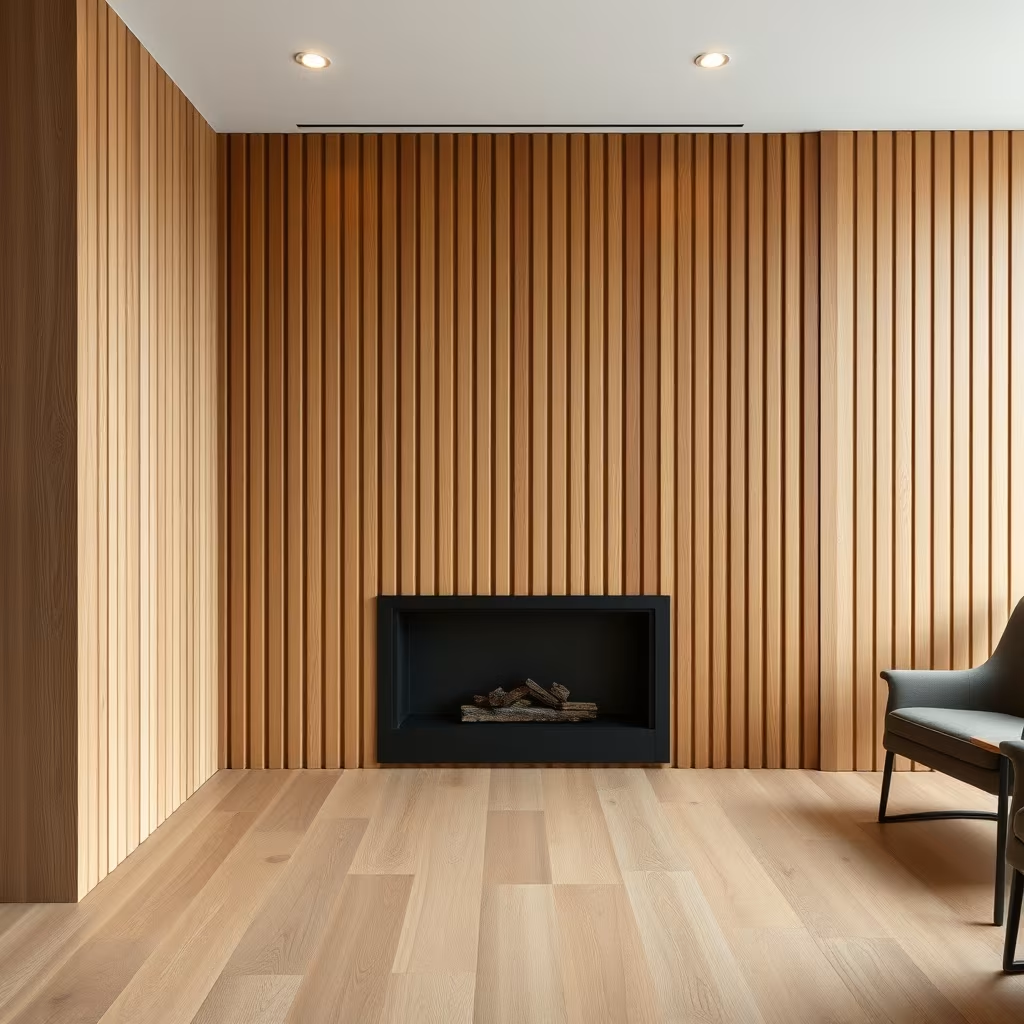
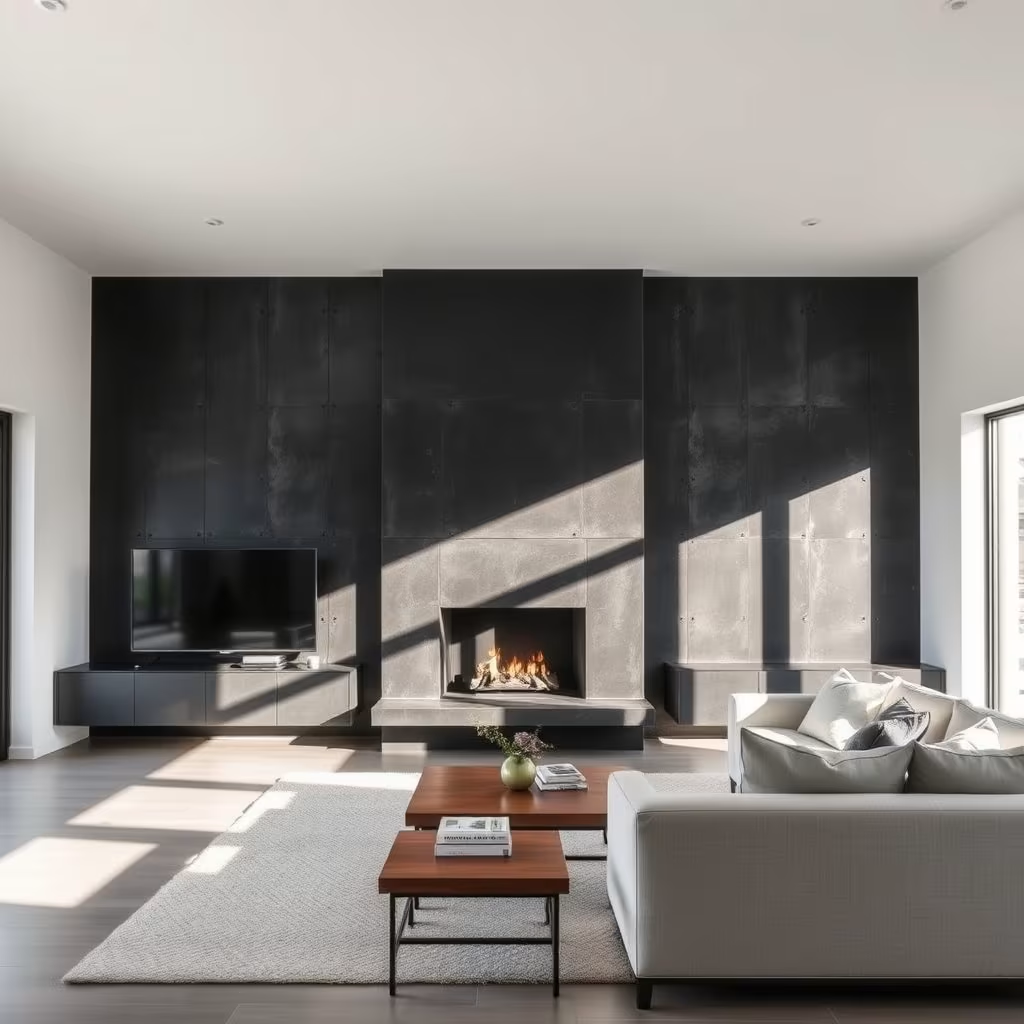
Sleek Black Steel Plate Surrounds for Industrial Edge
For a striking industrial-chic statement, hot-rolled steel plates welded or screwed directly onto the fireplace wall offer unmatched modern impact. The dark, mottled patina of raw steel contrasts beautifully against crisp white drywall and neutral linen furniture. This approach works best in open-concept spaces with plenty of natural light to balance out the dark metallic tones.
In practice, working with raw steel requires a clear protective matte sealant to prevent rust, especially if your home has high humidity or coastal air. I learned this the hard way on an early project where we skipped the sealant and saw surface spots within months. A good metal fabricator can cut the plates to fit your firebox dimensions precisely down to the millimeter.
Pro Tip: Pair a dark steel surround with warm LED strip lighting recessed behind the outer perimeter to create a floating halo effect that softens the heavy metal.
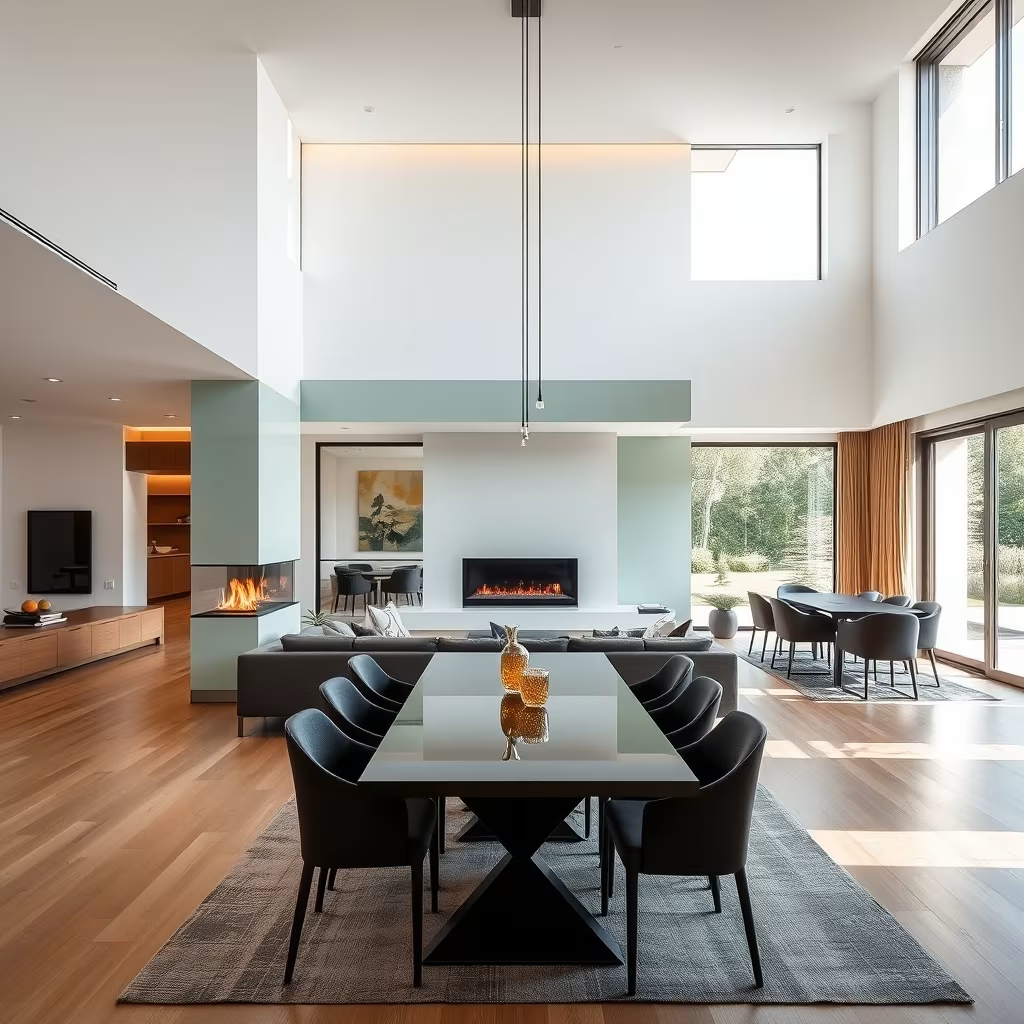
Double-Sided Glass Fireplaces as Open-Concept Room Dividers
If your living room flows directly into a dining area or kitchen, a see-through double-sided linear gas fireplace acts as a functional room divider without blocking light or sightlines. This architectural feature defines separate zones in an open floor plan while keeping the overall space feeling open and cohesive.
When designing around a partition fireplace, keep the surrounding flooring and wall finishes consistent on both sides to maintain visual flow. I always specify a direct-vent gas unit for pass-through walls because they require less clearance than traditional masonry and can vent safely through exterior walls or ceilings.
Pro Tip: Avoid placing heavy furniture directly against either glass panel; keep seating at least four feet away to ensure safe heat dissipation and maintain comfortable traffic flow.
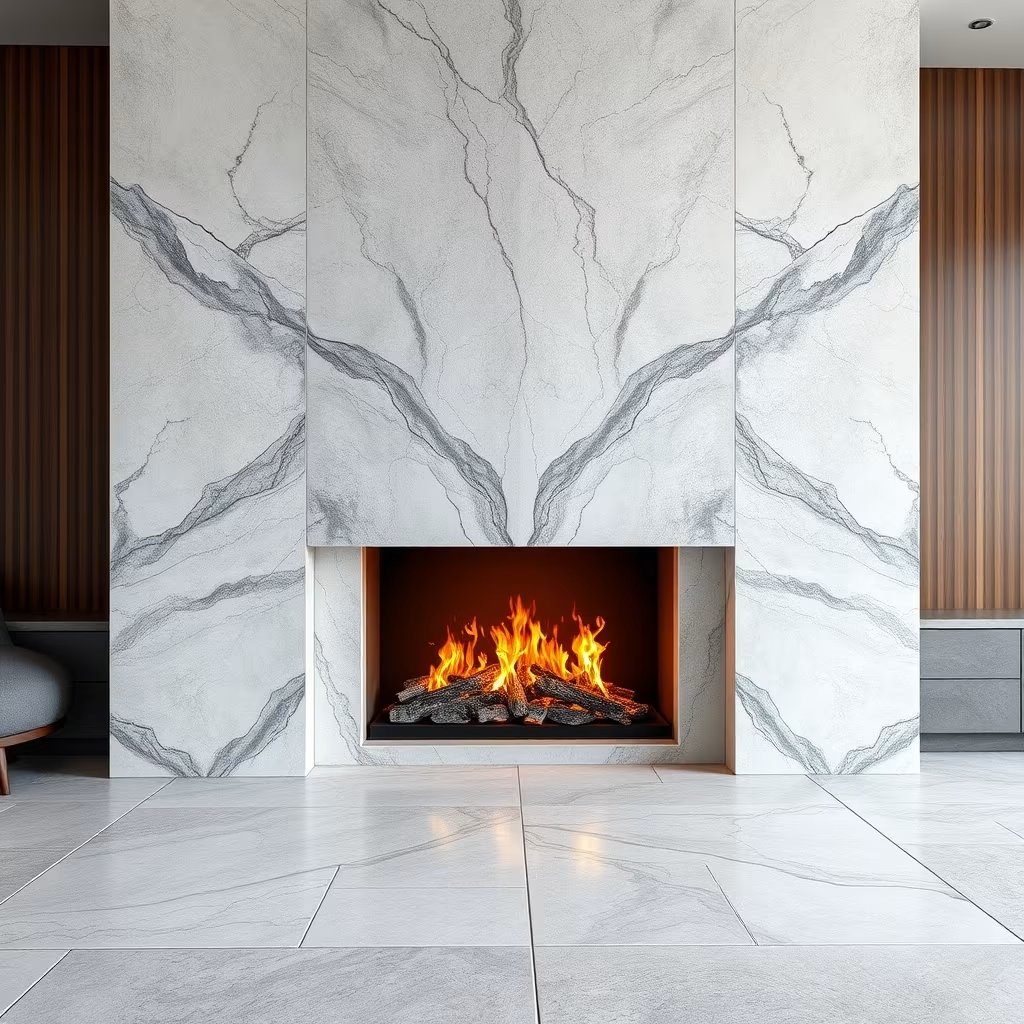
Large-Format Porcelain Slab Hearths for Seamless Luxury
Natural marble is gorgeous, but large-format porcelain slabs measuring up to five by ten feet offer the exact same high-end look with zero maintenance. Porcelain resists heat, scratching, and staining far better than natural stone, making it an ideal choice for busy family rooms. Choose a slab with subtle gray veining mimicking Calacatta marble for timeless contemporary elegance.
When I specified a book-matched porcelain slab for a fireplace update, the lack of grout lines made the entire fireplace wall look like a single piece of carved stone. Because these slabs are extremely heavy and prone to cracking if unsupported, always hire a tile professional who specializes in large-format handling.
Pro Tip: Ask your fabricator to miter the outside corners at a 45-degree angle instead of using plastic tile trim for a clean, monolithic stone-block appearance.
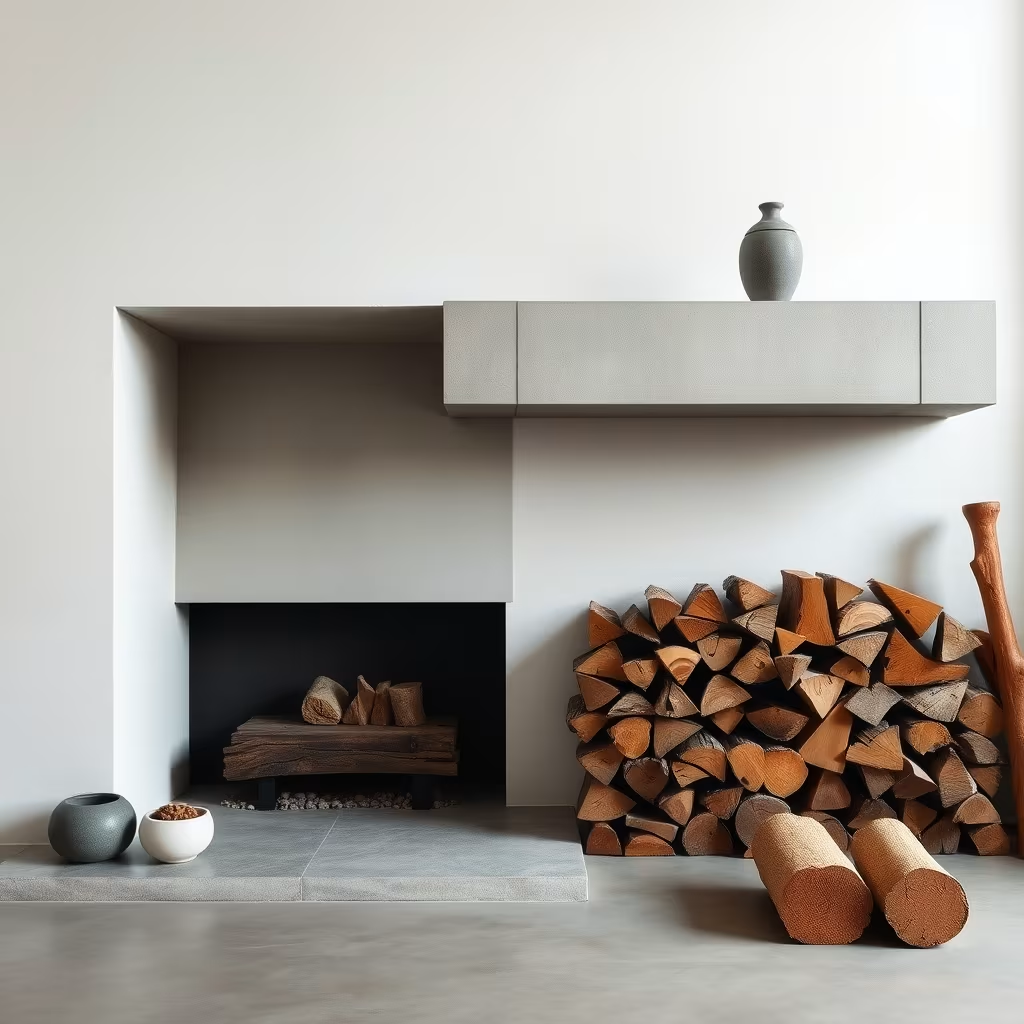
Floating Concrete Hearths Grounding Minimalist Rooms
If you prefer a mostly blank, white plaster wall, a single thick floating concrete hearth adds weight at the floor level without cluttering the upper wall. This minimal approach keeps the focus entirely on the fire and allows you to style the hearth with a few sculptural ceramics or a stack of neatly cut logs.
In rooms with hardwood floors, a concrete hearth also acts as a necessary fire-safe barrier while introducing a contrasting raw material. I usually design these hearths to extend at least twelve inches beyond the firebox on each side to create proper visual proportion.
Pro Tip: Pre-cast concrete can be poured with a hollow interior core using lightweight aggregate so your drywall anchors or wall studs can support the weight safely without sagging.
Recessed Media Walls with Integrated Linear Fireplaces
Mounting a television above a fireplace is a frequent design debate, but when it is planned as a cohesive recessed media wall, it looks intentional and streamlined. By recessing both a widescreen TV and a wide linear electric or gas fireplace into a custom drywall bump-out, you eliminate dangling cords and awkward black boxes.
To protect your television from heat damage, always build a recessed mantel shelf or an internal heat-deflection channel between the firebox and the TV. In my own living room setup, keeping the firebox low to the floor and the TV at a comfortable eye-level viewing height prevented neck strain during movie nights.
Pro Tip: Use an electric linear fireplace for media walls if you do not want to deal with venting gas lines; modern electric units also feature realistic flame projections and adjustable heat settings.
Asymmetrical Fireplace Designs with Built-In Log Storage
Moving away from traditional symmetrical mantel arrangements, contemporary design often embraces asymmetry to create visual tension and interest. Placing your firebox off-center on a wide wall and filling the remaining space with a built-in vertical wood-storage box or open display shelving instantly updates the room.
This layout is particularly useful if your chimney placement is fixed off-center due to structural framing. Instead of fighting the asymmetry, lean into it by balancing the heavy firebox side with open shelving on the opposite end. I used this trick in a narrow townhouse living room to break up a long, boring wall.
Pro Tip: Line your built-in log storage niche with matte black paint or steel panels so the messy bark of real firewood blends into the background shadows cleanly.
Frequently Asked Questions
Q: Can I mount a TV directly above a modern linear fireplace?
A: Yes, you can, provided you take proper precautions for heat management. Always check the manufacturer’s clearance specifications for your specific firebox model, use a recessed mantel shelf or heat-deflection shield, and ensure the TV is mounted at a comfortable viewing height rather than too high up the wall.
Q: What is the best material for a low-maintenance modern fireplace surround?
A: Large-format porcelain slabs are widely considered the best choice for low-maintenance modern design. They are non-porous, highly heat-resistant, do not stain from soot or smoke, and require no special chemical sealers unlike natural marble or limestone.
Q: How do I update a traditional brick fireplace without tearing it out?
A: You do not necessarily need a demo crew. You can easily modernize red brick by applying a modern lime-wash or German schmear treatment, or by building a streamlined wood-slat or drywall surround directly over the existing brick structure.
Q: Are electric fireplaces suitable for a high-end contemporary home?
A: Absolutely. High-end modern electric fireplaces feature hyper-realistic LED flame effects, smoky water-vapor illusions, and supplemental zone heating without requiring any venting, gas lines, or professional chimney sweeps.
Updating your fireplace is one of the highest-impact investments you can make in a modern contemporary home. Start by evaluating your room’s natural light and existing architectural quirks, then choose a material palette—whether it is raw steel, warm fluted wood, or seamless microcement—that unifies your space and reflects your personal style.
Leave a Reply