
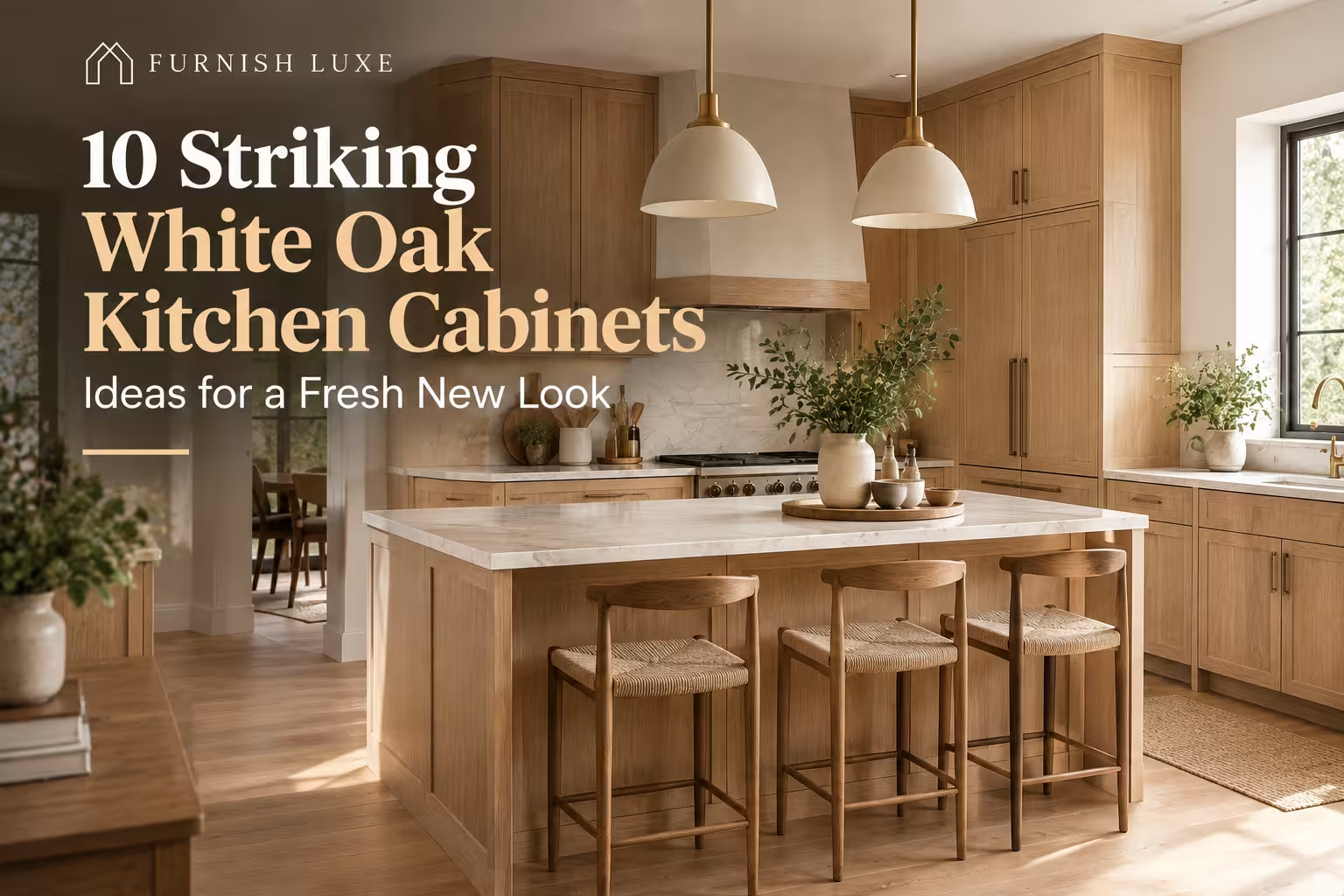
10 Striking White Oak Kitchen Cabinets Ideas for a Fresh New Look
White oak kitchen cabinets are having a major moment in interior design, offering a timeless blend of durability and organic warmth that painted cabinets simply cannot match. If you are planning a kitchen renovation or a simple refacing project, choosing the right grain pattern, stain, and hardware can make all the difference between a custom luxury look and a dated, yellowish finish. In this guide, we break down eight distinct design approaches to help you style white oak cabinets so they feel fresh, modern, and completely tailored to your home.
Looking to add more warmth and character to your kitchen? Explore our previous guide, 10 Lovely Kitchen Wall Decor Ideas to Give Your Home a Beautiful Update for stylish ways to elevate your kitchen walls.
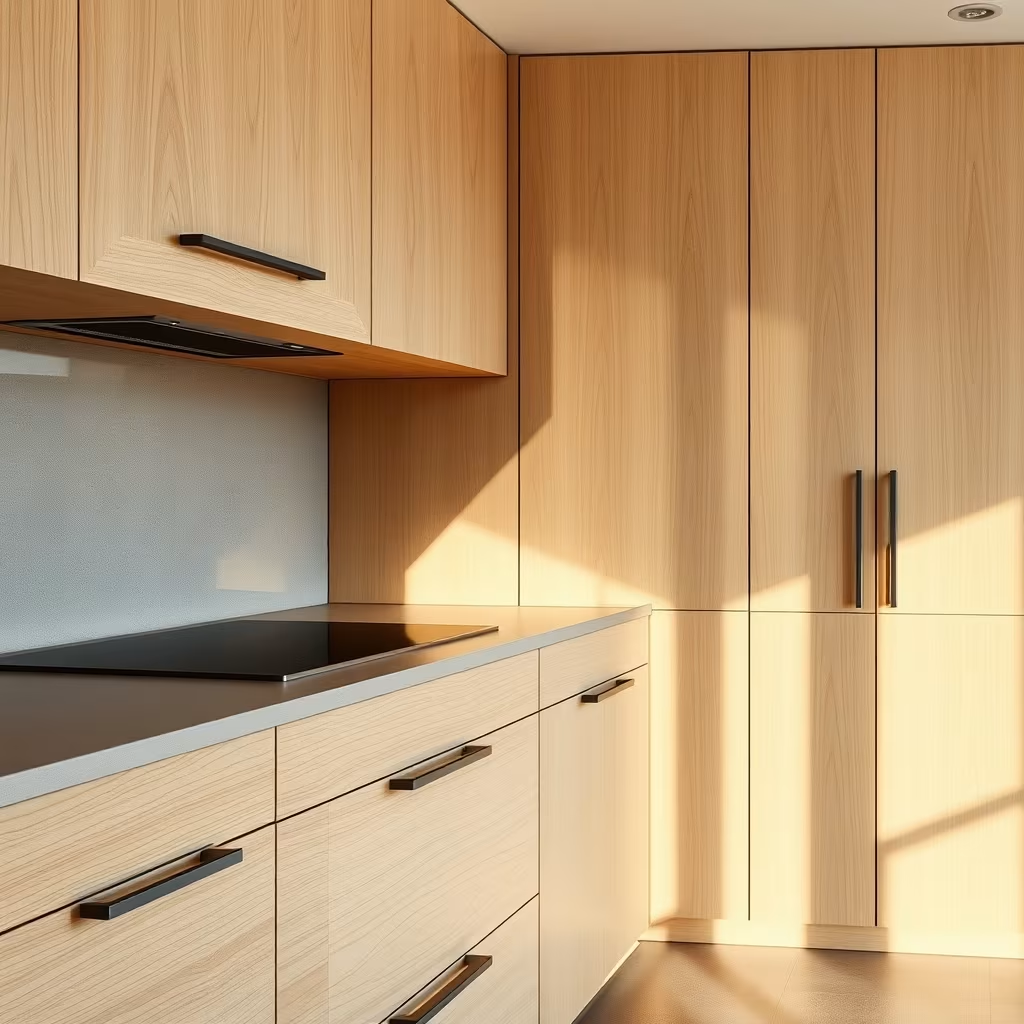
Pairing White Oak Shaker Cabinets with Matte Black Hardware
One of the most reliable ways to modernize classic white oak Shaker cabinets is by installing matte black hardware. The deep, inky contrast of black pulls and knobs cuts through the golden undertones of the wood, instantly grounding the space and giving it a sleek, contemporary edge. In my own kitchen renovations, I always recommend slender bar pulls for modern layouts or cup pulls if you are leaning toward a transitional farmhouse vibe. To avoid making the kitchen feel too harsh, choose a matte or satin finish rather than a reflective gloss black.
Design Tip: If you are on a budget, you can easily update existing flat-panel doors by applying white oak veneer and swapping out dated brass handles for matte black replacements without replacing the cabinet boxes.
Designing a Modern Two-Tone Kitchen with White Oak Lower Cabinets
If wrapping your entire kitchen in wood grain feels overwhelming, a two-tone layout using white oak exclusively on the lower cabinets is a fantastic design compromise. Pairing these rich wooden lowers with crisp, off-white or cream uppers keeps the room feeling bright and airy while anchoring the kitchen with tactile texture at eye level. This approach works especially well in open-plan homes where the kitchen flows directly into a living room with wooden flooring, creating a cohesive design bridge.
Design Tip: When painting your upper cabinets to match white oak, avoid stark blue-white paint colors, which can make the natural wood look artificially yellow by comparison; instead, choose a warm, chalky off-white.
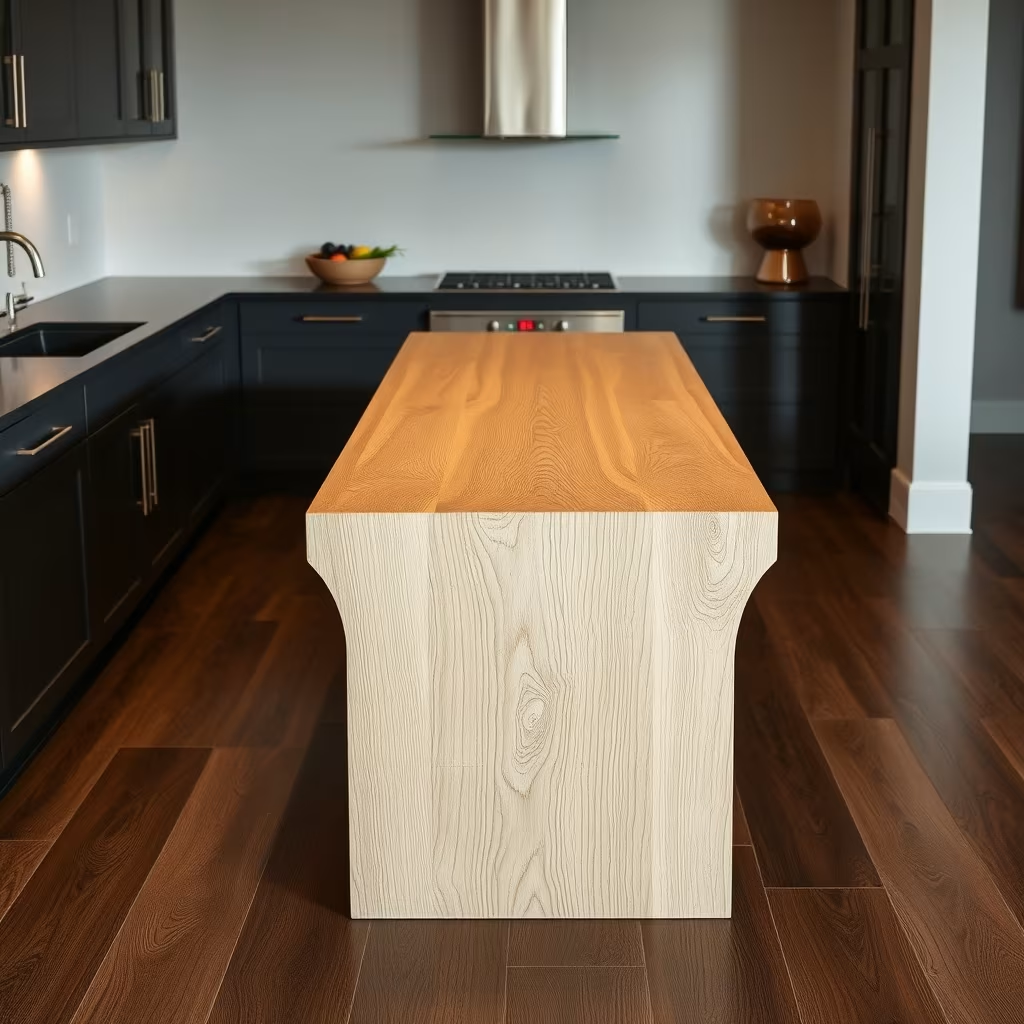
Creating Contrast with White Oak Islands and Charcoal Perimeter Cabinets
Flip the traditional two-tone script by making a custom white oak island the undeniable focal point of your kitchen while keeping the perimeter cabinets a moody charcoal or deep slate gray. The natural variation in white oak grain prevents a dark perimeter from feeling like a cave, adding warmth and sophistication to the overall footprint. This layout is a staple in high-end transitional and modern rustic homes because it breaks up large expanses of flat color.
Design Tip: Ensure your island overhang features a waterfall edge or thick-profile wood paneling to truly showcase the linear grain of the white oak without visual competition from nearby painted surfaces.
Using Subtle White Washed Finishes for Scandinavian and Minimalist Kitchens
If you love the clean aesthetic of Nordic design but worry that standard white oak will look too golden or traditional over time, a white-washed or soap-treated finish is your best friend. This technique involves applying a very diluted white or pale gray stain that neutralizes the yellow undertones of raw oak without hiding its beautiful natural grain. When working on compact apartments, I frequently specify a low-VOC white wash because it bounces maximum light around small spaces.
Design Tip: Always test your white wash stain on a scrap piece of your exact cabinet wood first; white oak can sometimes absorb pigments unevenly, leading to an unwanted chalky patch if not wiped down quickly.
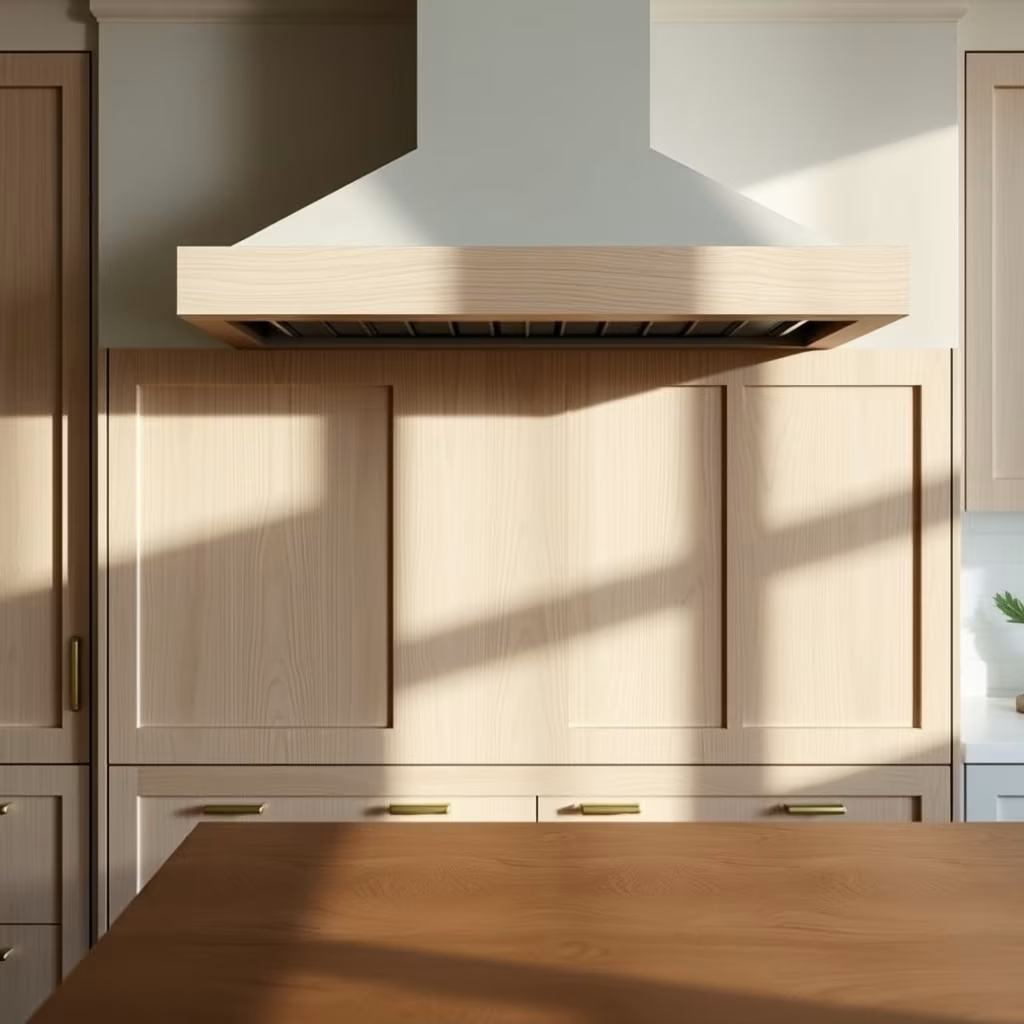
Incorporating Fluted White Oak Island Panels and Accents
Fluted and reeded wood details have transitioned from living room media consoles straight into luxury kitchens, adding incredible tactile depth to flat surfaces. Adding fluted white oak panels to the back of a kitchen island or wrapping the range hood creates subtle shadows and highlights that change throughout the day. It is a brilliant way to introduce custom, bespoke craftsmanship into a space without relying on ornate, difficult-to-clean carved moldings.
Design Tip: Reserve fluted details for low-traffic zones like island panels or decorative end caps, as grooves on high-use base cabinets can easily trap dust, flour, and kitchen splatters.
Styling Rift-Sawn White Oak for a Clean, Contemporary Look
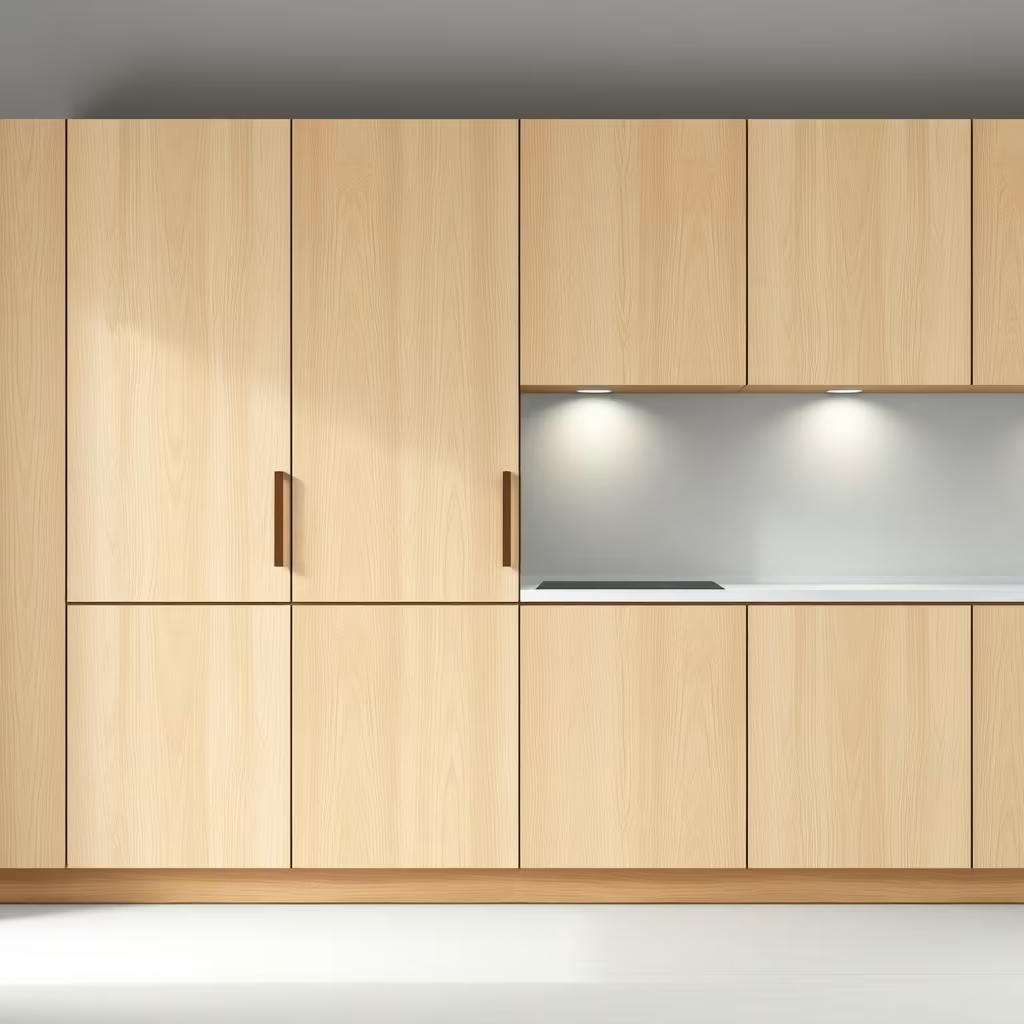
The secret weapon of high-end interior designers is specifying rift-sawn white oak rather than plain-sawn wood. Rift-sawn milling yields a straight, linear, and remarkably consistent grain pattern with virtually zero cathedrals or swirling patterns, making it ideal for minimalist and modern slab-door kitchens. When I want a space to feel calm, orderly, and architectural, rift-sawn oak is my go-to material because it eliminates visual clutter.
Design Tip: Rift-sawn lumber is more expensive because of how the log is cut, so consider using it only on highly visible drawer fronts and door panels, using plain-sawn or matching veneer for less prominent gable ends.
Combining Warm White Oak Cabinets with Terrazzo and Concrete Countertops
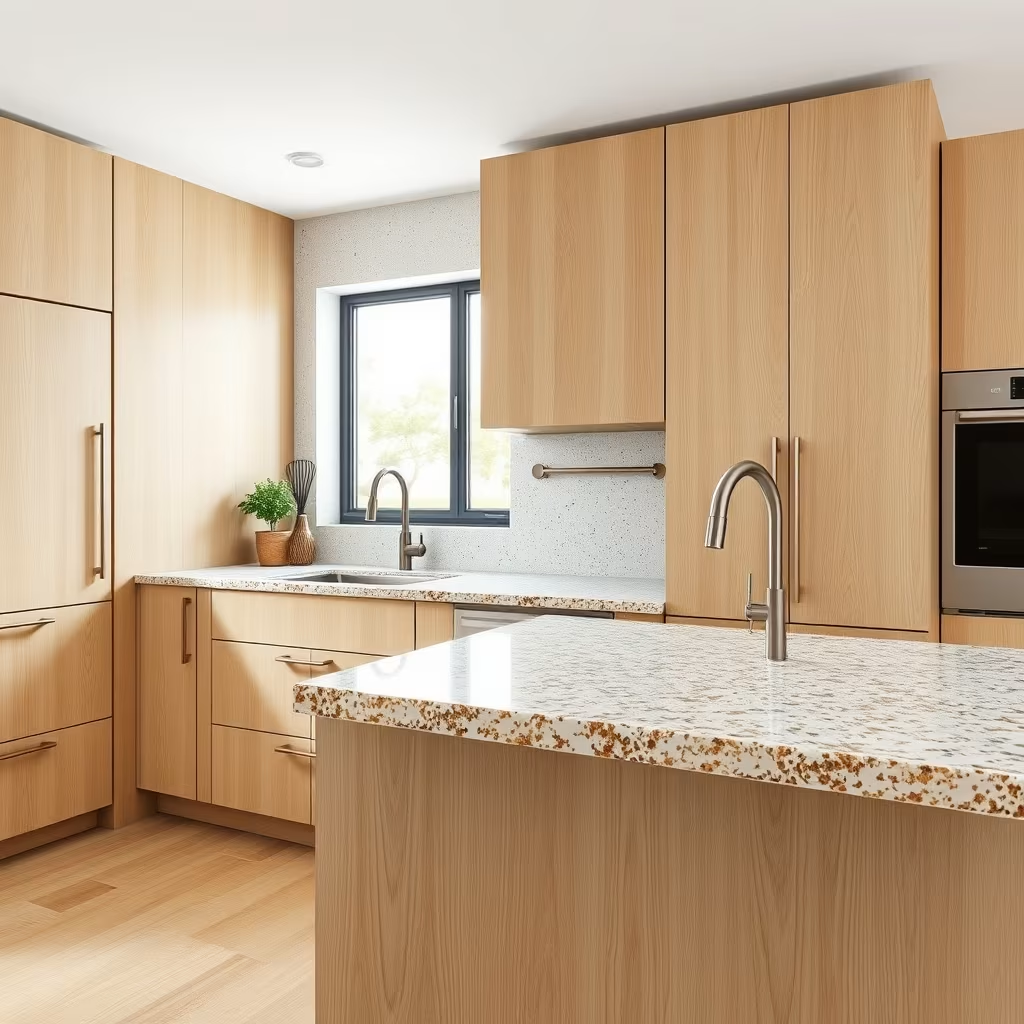
White oak has an inherently organic and earthy nature, which makes it an incredible pairing for industrial materials like poured concrete or playful, flecked terrazzo countertops. The softness of the wood grain immediately balances the cold, hard surface of concrete, creating a balanced kitchen that feels both grounded and modern. If concrete feels too high-maintenance for your cooking habits, quartz with a concrete-look matte finish achieves the exact same aesthetic.
Design Tip: Pay close attention to the base undertones in your terrazzo chips—ensure they contain warm beige, taupe, or soft gray flecks that tie directly into the natural tones of your white oak cabinets.
Maximizing Light in Small Kitchens with Glass-Front White Oak Uppers
Solid wood cabinets can sometimes weigh down a small kitchen visually, making the room feel smaller than it actually is. By incorporating glass-front inserts into your upper white oak cabinets, you break up the solid wood mass and create a sense of depth and openness. This layout also gives you a gorgeous opportunity to display everyday dishware, adding a layer of functional styling to your cooking space.
Design Tip: Opt for reeded, fluted, or seeded glass rather than completely clear panes if you want to keep your dishware hidden while still enjoying the light-reflecting benefits of upper glass cabinets.
Frequently Asked Questions
Q: Do white oak cabinets turn yellow over time?
A: Traditional oil-based polyurethane finishes can yellow white oak as they age when exposed to sunlight. To prevent this, professional cabinet makers now use a two-part conversion varnish or a water-based polyurethane with UV inhibitors that locks in the natural, raw look of the wood indefinitely.
Q: Are white oak cabinets more expensive than painted maple or MDF?
A: Yes, white oak is generally a more costly material than paint-grade maple, poplar, or MDF because it is a durable hardwood with high demand in luxury design. However, its timeless appeal means you are far less likely to want to replace or repaint them in a few years.
Q: What wall paint colors look best with white oak kitchen cabinets?
A: Soft warm whites, creamy off-whites, muted greiges, and earthy taupes pair best with white oak because they complement the natural golden and brown undertones of the wood without creating a jarring temperature clash.
Conclusion
White oak kitchen cabinets offer an unbeatable combination of durability, natural texture, and long-lasting style that can elevate everything from a modern minimalist apartment to a cozy transitional home. By choosing the right grain cut, hardware pairing, and complementary finishes, you can create a kitchen that feels both fresh today and timeless for decades to come. Take your time sampling stains in your specific lighting conditions, and enjoy the process of bringing organic warmth into the heart of your home.
Leave a Reply