
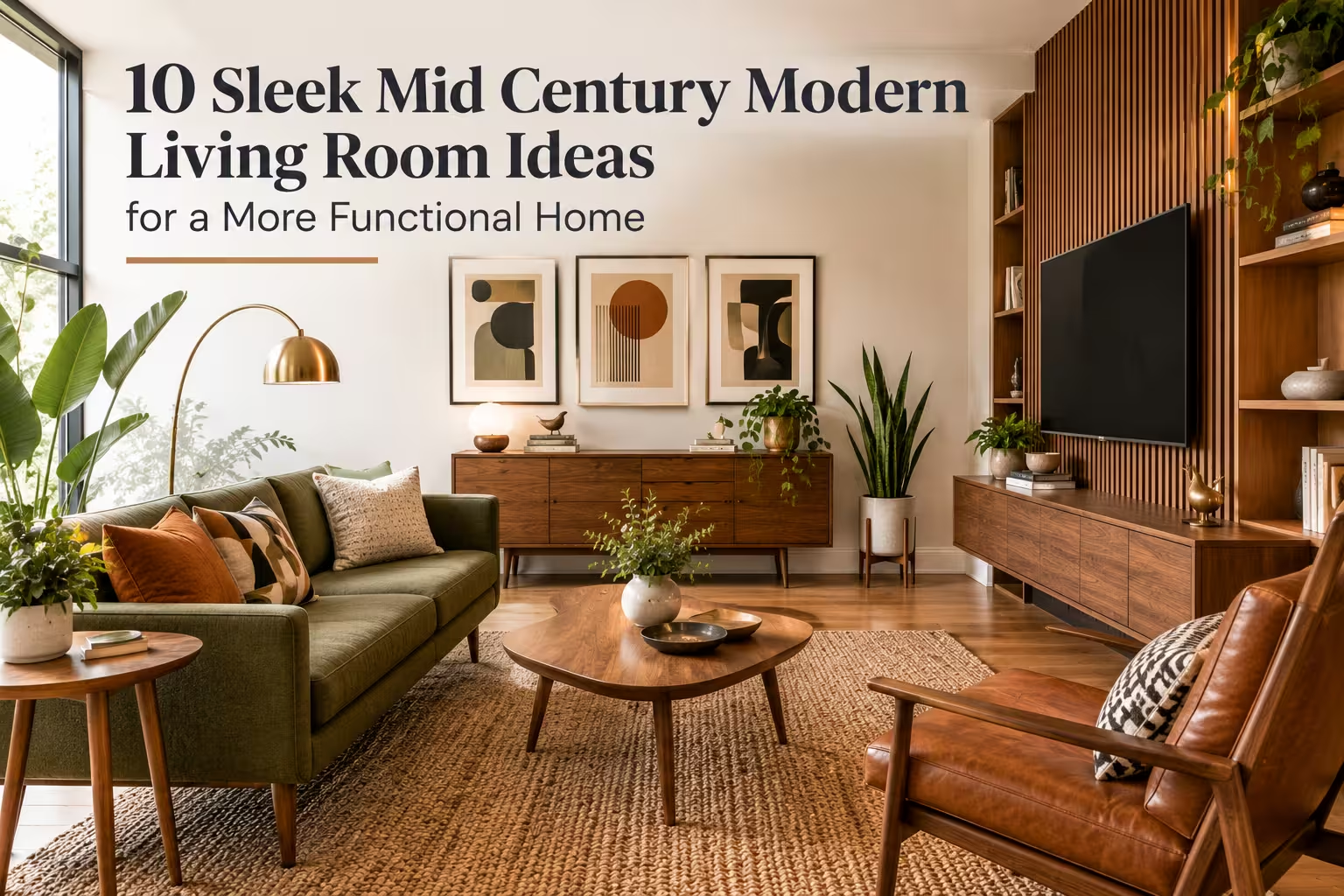
10 Sleek Mid Century Modern Living Room Ideas for a More Functional Home
Mid-century modern design is often celebrated for its iconic looks, but its true superpower is ruthless functionality. When I renovated my first 1950s ranch-style living room, I quickly learned that this aesthetic isn’t just about collecting vintage Eames chairs—it’s about creating clever layouts, using multi-functional furniture, and keeping clutter out of sight. If your current living space feels cramped, disorganized, or visually heavy, mid-century modern design offers a practical roadmap to fix it without sacrificing style.
For more ways to add personality and warmth to your space, explore 10 Charming Wall Decor Living Room Ideas to Add Character to Your Space for stylish wall decorating inspiration.
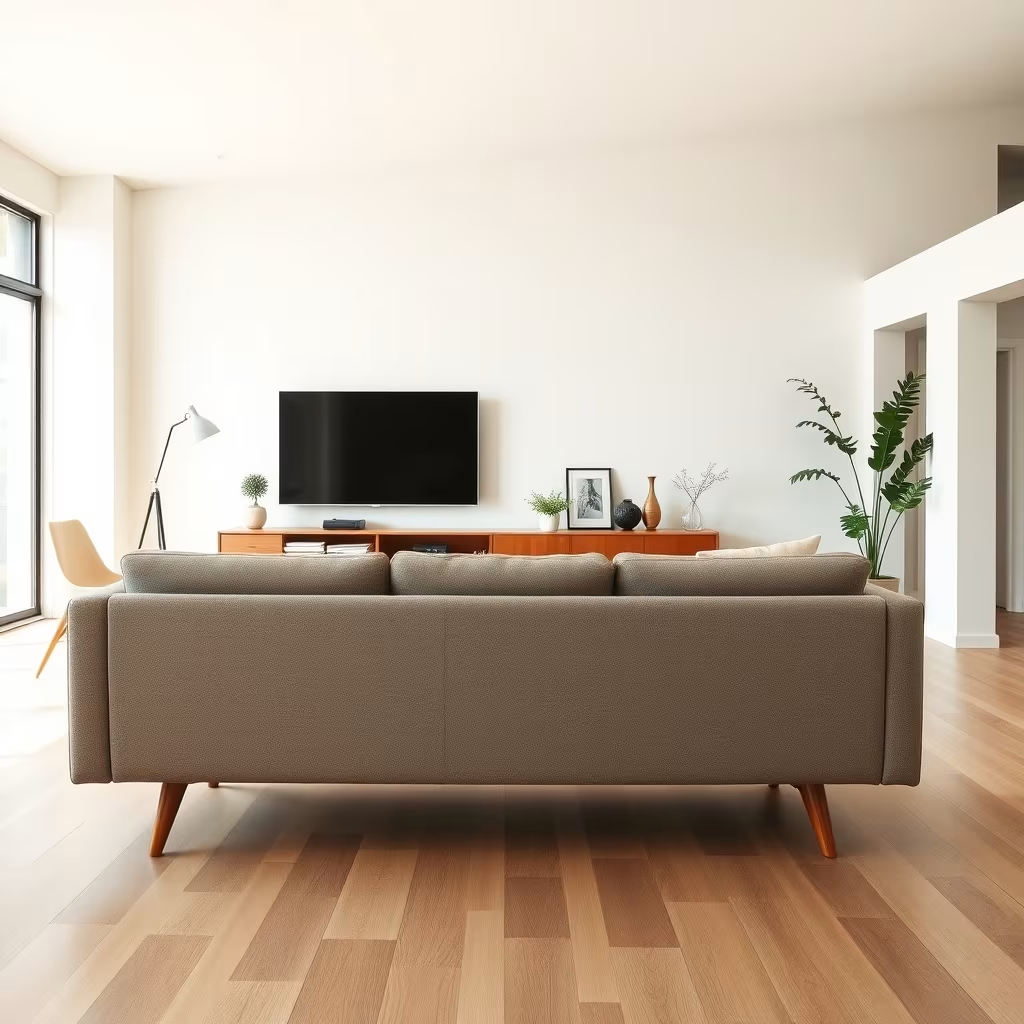
Anchor the Room with a Low-Profile Sofa on Tapered Legs
The foundation of any functional mid-century modern living room is a low-profile sofa featuring exposed wooden legs. In my own projects, I always recommend sofas with a seat height around 17 to 18 inches and clean track arms. Because the furniture sits up off the floor on tapered legs, it allows light to pass underneath, tricking the eye into perceiving the room as much larger than it actually is. This is a game-changer for smaller apartments or narrow living spaces where bulky, skirted sofas would otherwise swallow all the available visual real estate.
If you are shopping on a budget, look for apartment-sized mid-century sofas upholstered in durable woven polyester instead of high-maintenance velvet. Practical tip: Avoid deep-seated lounge sofas if your living room is a high-traffic walk-through space, as they will crowd your walkways and disrupt the natural flow of foot traffic.
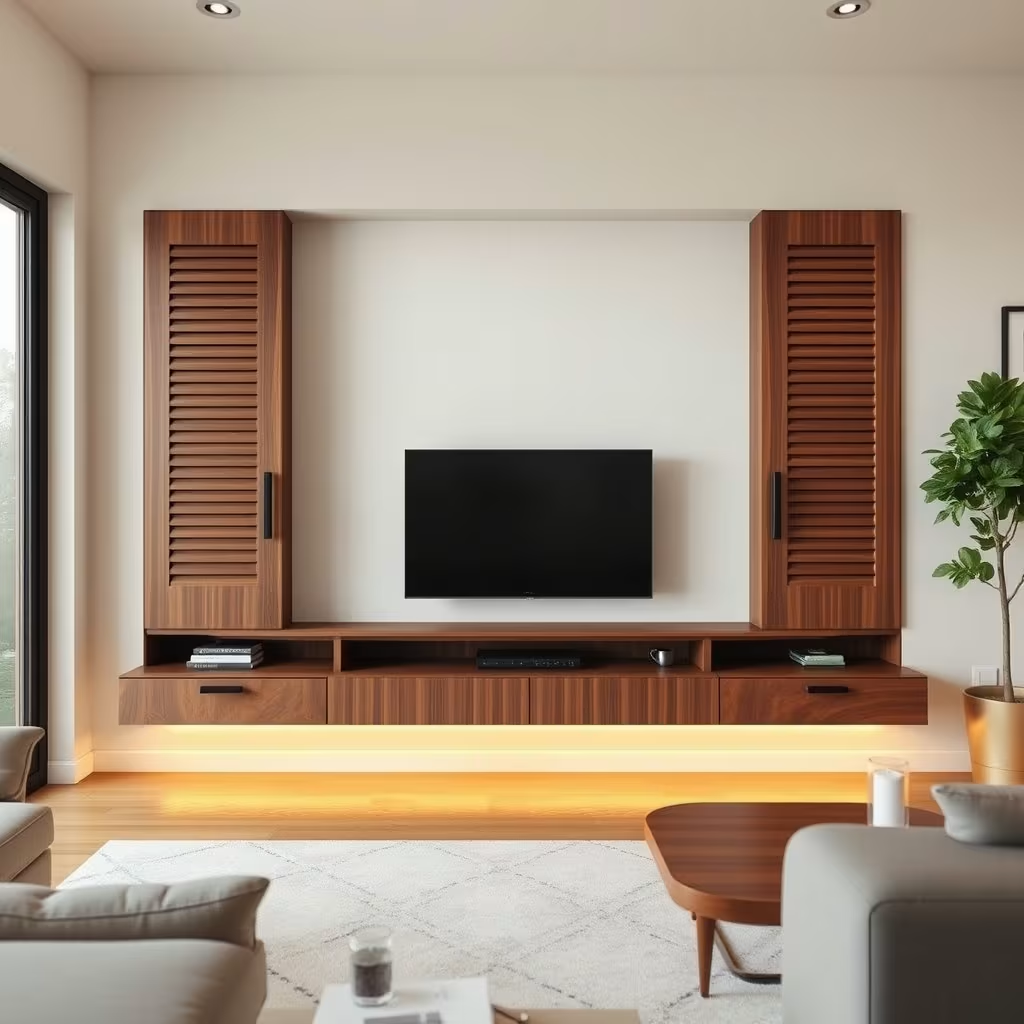
Incorporate Walnut and Teak Built-In Media Consoles
Mid-century modern interiors rely heavily on rich wood tones like walnut, teak, and rich oak to bring warmth into a space. When dealing with modern electronics, a floating walnut media console or a low-slung credenza is both a stylistic anchor and a functional storage hero. In my experience styling family living rooms, choosing a credenza with slatted wooden doors or sliding panels lets you hide routers, gaming consoles, and messy cable jungles completely out of sight while keeping infrared remote signals working.
If solid walnut stretches your budget too thin, look for vintage veneer pieces or modern flat-pack alternatives finished with a rich wood laminate. Practical tip: Always measure the depth of your audio-visual equipment before buying a vintage credenza, as many authentic 1950s cabinets are too shallow for modern oversized stereo receivers or gaming systems.
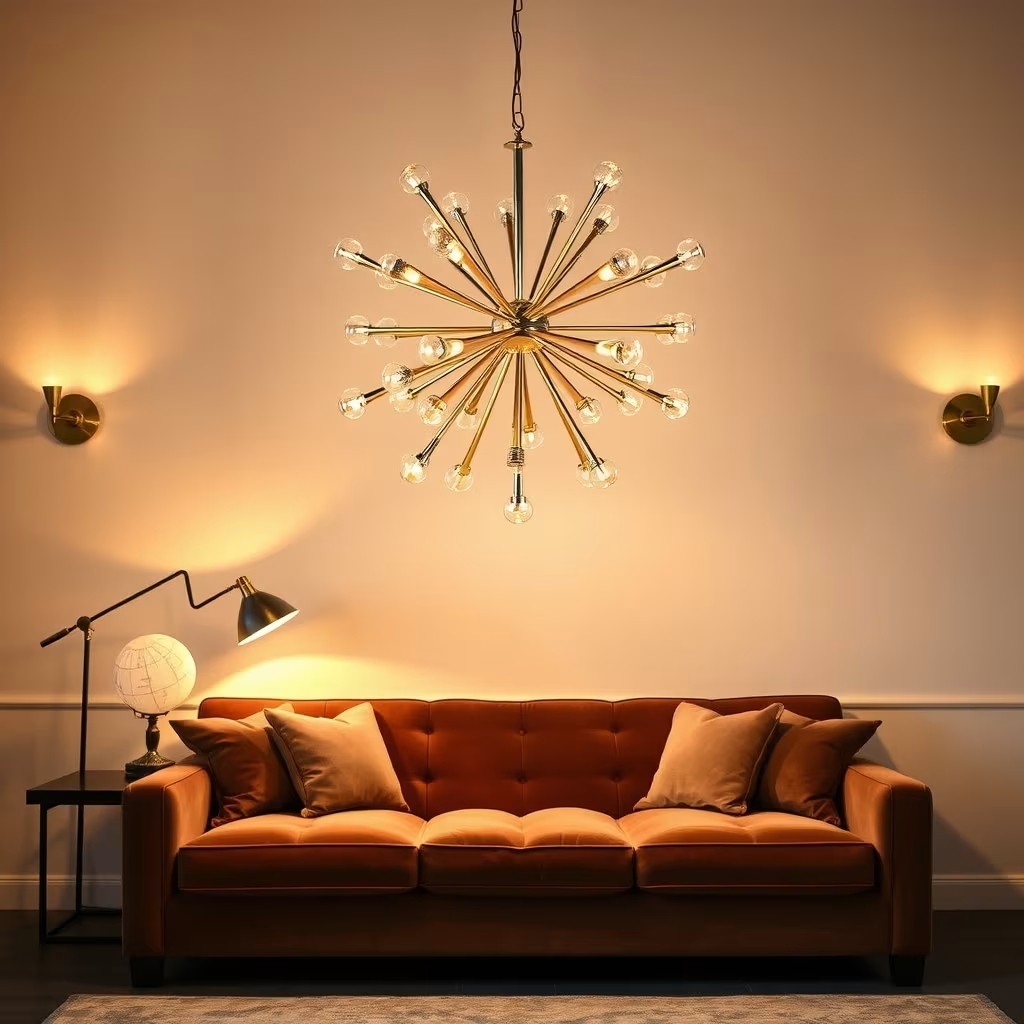
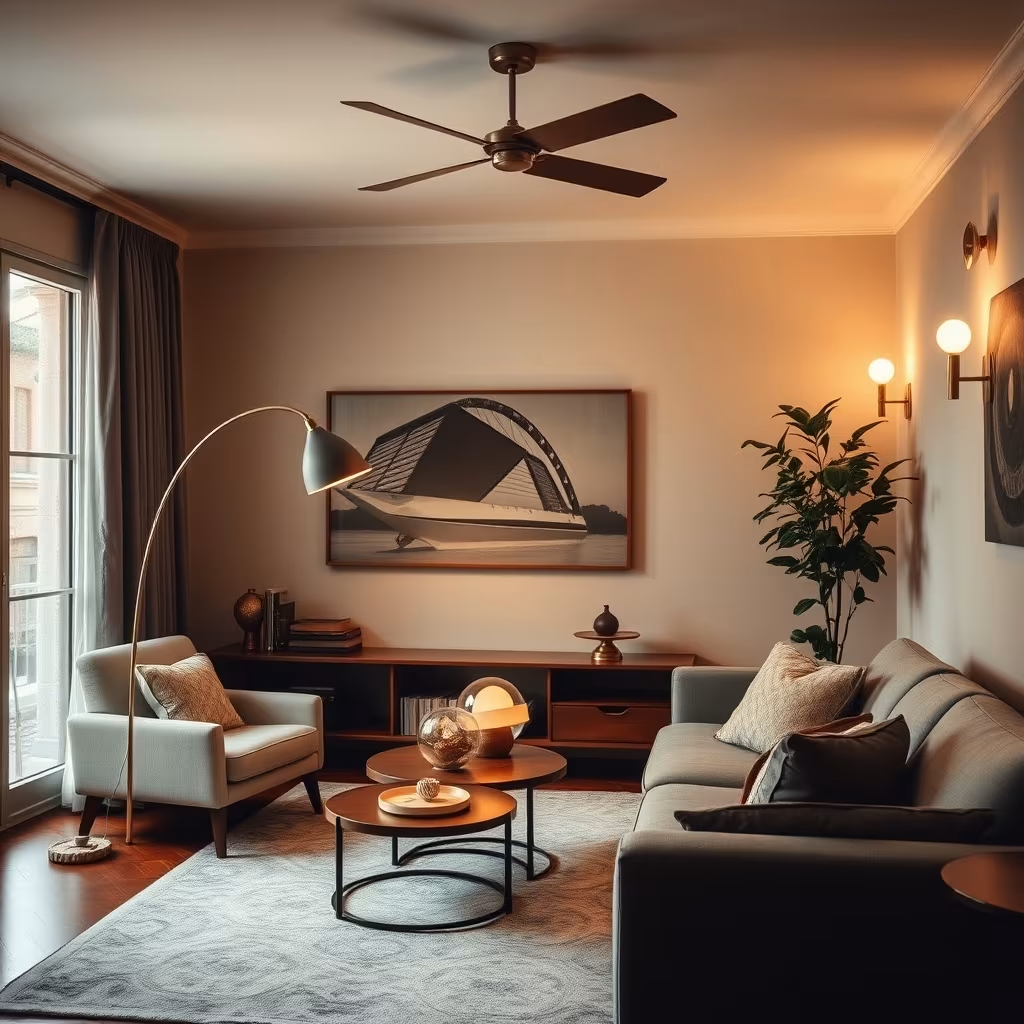
Layer Ambient and Task Lighting with Iconic Globe Fixtures
Lighting in a mid-century modern living room is treated like functional art. Instead of relying on harsh overhead ceiling cans, layer your lighting using a mix of arc floor lamps, globe table lamps, and brass wall sconces. I frequently use a multi-arm sputnik chandelier or a classic Arco floor lamp to cast a wide pool of light over seating areas, which instantly makes the room feel more intentional and cozy at night.
When selecting bulbs, stick to warm white LEDs around 2700K to complement the warm undertones of the wood finishes in your room. Practical tip: Always install dimmers on your primary light sources; mid-century design relies on mood lighting, and being stuck with blazing bright overhead lights will ruin the relaxed lounge atmosphere.
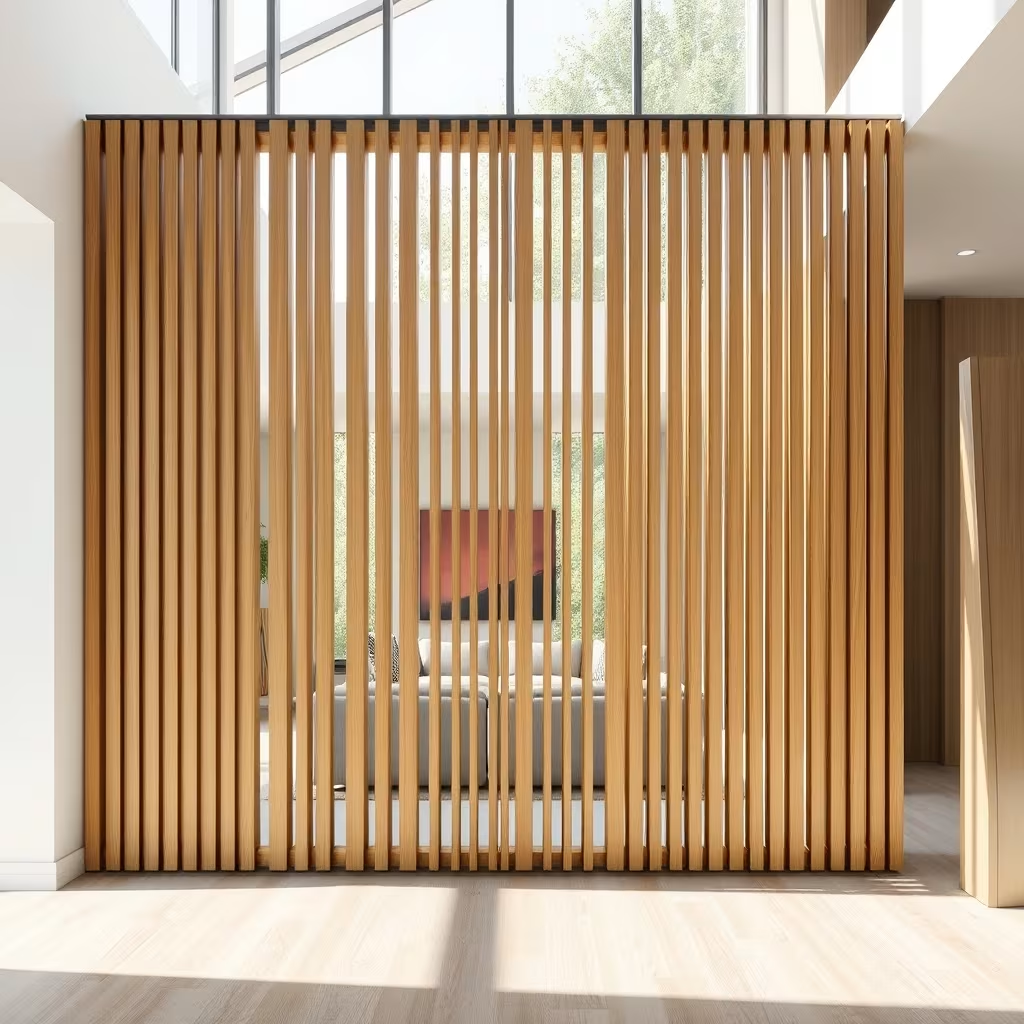
Zone Open-Plan Spaces Using Slatted Wood Room Dividers
Open-concept living is fantastic for light and airiness, but it often lacks functional boundaries between the entryway, dining area, and living room. A brilliant mid-century solution is the floor-to-ceiling slatted wood screen or divider. I recently installed a vertical oak slat divider in a client’s split-level home to separate the front door from the sofa without blocking the natural sunlight streaming through the front windows.
This architectural element adds instant vintage character while giving you a subtle privacy screen. Practical tip: If you are renting or cannot commit to permanent floor-to-ceiling construction, look for a mid-century folding screen or a tension-rod shelving unit that achieves a similar zoning effect without wall anchors.
Choose Nests of Tables Over Clunky Coffee Tables
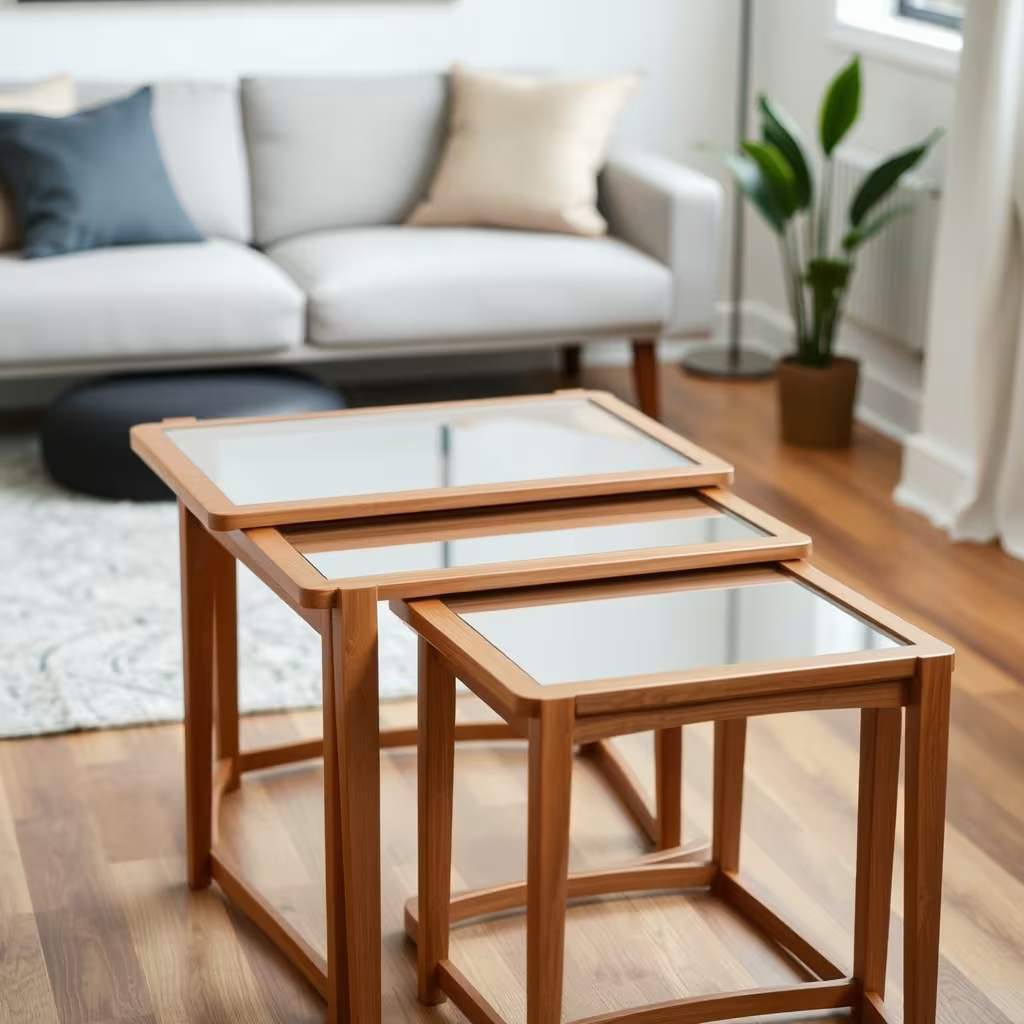
One of the biggest mistakes people make in a small living room is buying a massive, solid block of a coffee table that dominates the floor space. Swap that out for a set of nesting tables or a glass-topped organic shape reminiscent of the famous Noguchi table. In my own small living room, I rely on a nest of three teak tables that can be pulled apart when guests visit to hold drinks, and tucked neatly underneath one another when my kids need open floor space to play.
Glass or lucite tops are particularly useful because they visually disappear, keeping the room light and airy. Practical tip: If you choose glass-topped tables, check that the edges are fully tempered and polished, especially if you have toddlers running around at home.
Introduce Organic Textures with Jute Rugs and Leather Accent Chairs
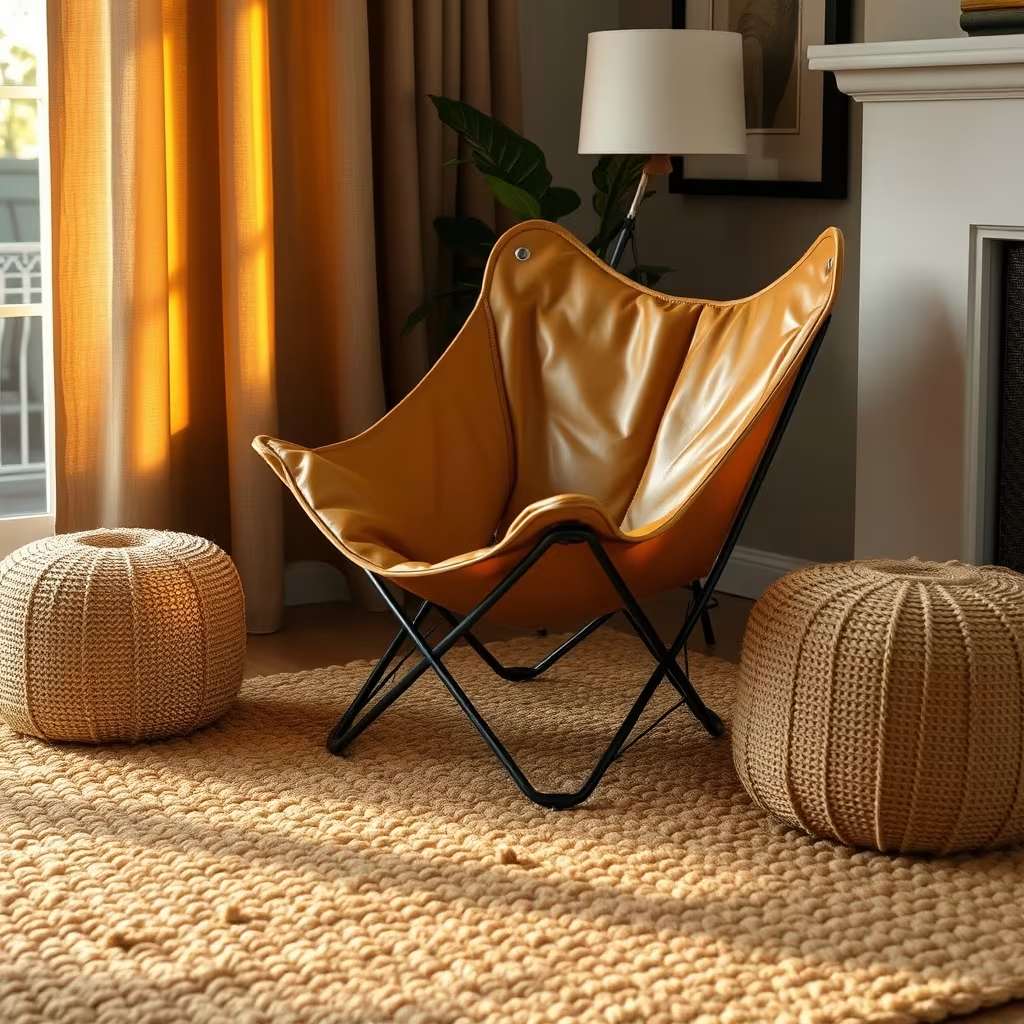
Mid-century modern design can sometimes lean cold or clinical if you rely exclusively on smooth wood and hard plastic. To keep the room functional and inviting for everyday living, ground the space with natural textures like a chunky wool-and-jute area rug paired with a buttery leather butterfly chair or a sling chair. I always tell clients to mix materials—pair a sleek walnut coffee table with a heavily textured Berber rug to absorb sound and add physical comfort underfoot.
Genuine leather only looks better with age, making it a great investment for households with pets or children. Practical tip: If genuine leather is out of your price range, high-grade faux leather or heavy textured canvas slings offer a similar visual weight and durability for a fraction of the cost.
Maximize Vertical Space with Modular Wall-Mounted Shelving
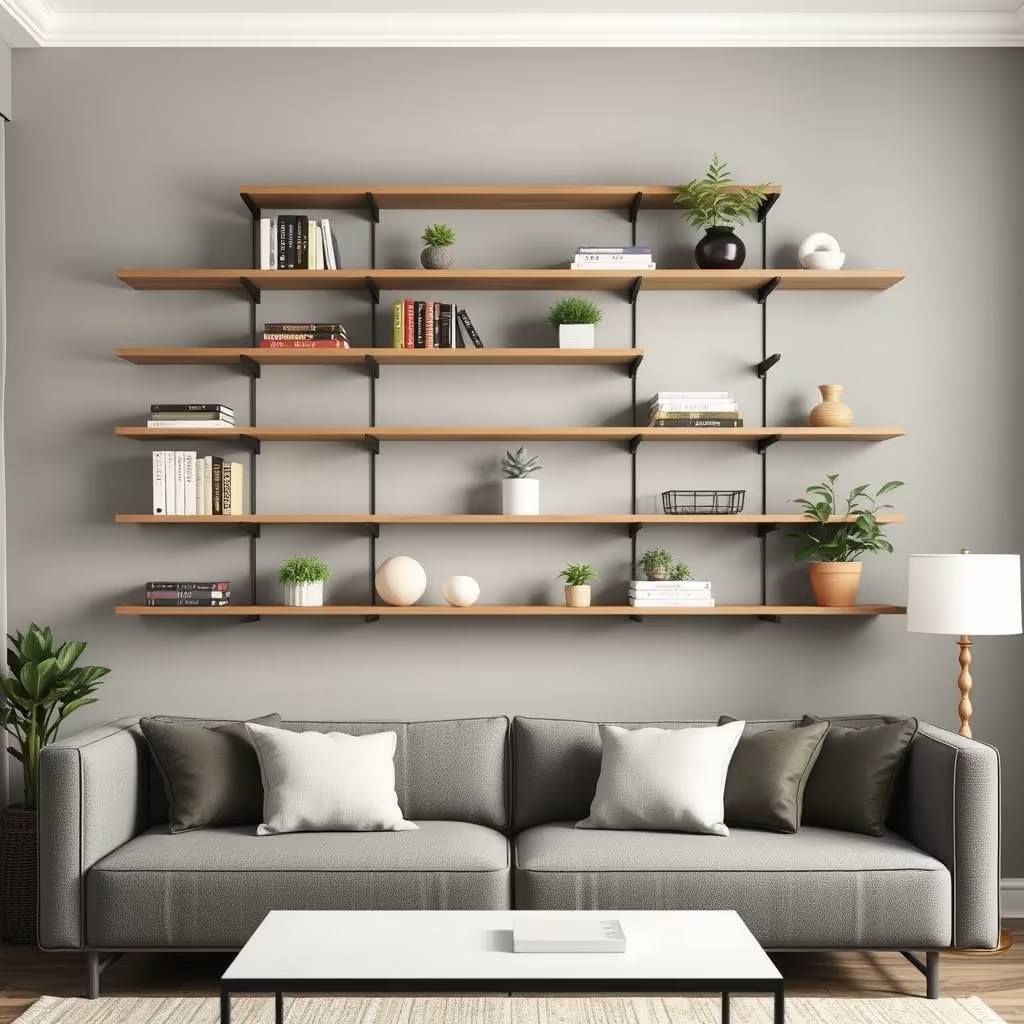
When floor space is at a premium, you need to look up. Modular wall-mounted shelving systems—inspired by iconic 1950s designs like the Cadovius Royal System—allow you to customize vertical storage for books, plants, and sculptural objects without eating up valuable square footage on the floor. I love using these systems behind a sofa to display curated decor while keeping books and everyday items easily within arm’s reach.
These units are surprisingly sturdy when anchored directly into wall studs. Practical tip: Always map out your shelf heights with painter’s tape on the wall before drilling, ensuring you leave enough clearance for taller items like record players, large art books, or trailing pothos plants.
Infuse Personality with Graphic Accent Pillows and Bold Art
The final touch in a functional mid-century modern room is a carefully curated color palette driven by accessories rather than permanent finishes. Stick to neutral walls—crisp white, warm beige, or even moody charcoal—and layer in splashes of mustard yellow, olive green, rust, and teal through geometric throw pillows, abstract art prints, and ceramic vases. This approach lets you easily update the room’s color scheme down the road without buying new furniture.
Large-scale abstract expressionist art or simple minimalist line drawings work best to complete the aesthetic. Practical tip: Follow the 60-30-10 color rule: 60% dominant neutral for walls and large furniture, 30% secondary wood or upholstery tone, and 10% bold accent color for art and textiles.
Frequently Asked Questions
Q: What are the signature colors of mid-century modern design?
A: Mid-century modern color palettes typically combine earthy, natural neutrals (like walnut brown, warm white, and beige) with saturated accent colors inspired by nature. Think mustard yellow, burnt orange, olive green, avocado, teal, and pops of atomic red.
Q: Can mid-century modern furniture work in a small apartment?
A: Absolutely. In fact, mid-century modern design is one of the best styles for small spaces because the furniture typically features slim profiles, exposed legs, and multi-functional storage solutions that keep rooms feeling open and uncluttered.
Q: How do I mix mid-century modern with other design styles?
A: The clean lines of mid-century modern furniture blend surprisingly well with bohemian textures, industrial metal accents, and even Scandinavian minimalism. The secret is to anchor the room with one dominant style and use accessories from the secondary style as accents.
Designing a functional mid-century modern living room is all about balancing clean lines with smart, everyday storage and comfortable layouts. By focusing on low-profile furniture, clever vertical storage, and warm organic textures, you can create a stylish home that works effortlessly for your daily life. Start with one or two key updates—like a tapered-leg sofa or a floating credenza—and build your dream space from there.
Leave a Reply