

10 Cozy Modern Wood Burner Fireplace Ideas to Inspire Your Next Makeover
A wood burner fireplace instantly changes the energy of a room, adding both genuine heat and a striking visual anchor. If you are planning a living room renovation or updating an existing hearth, getting the surround, flue, and furniture layout right makes all the difference. At Furnish Luxe, we have tested these configurations in real homes to see what actually works day-to-day. Here are eight specific, stylish ways to style a modern wood burner for maximum coziness and function.
For more fireplace inspiration, explore our guide to 10 Stylish Modern Brick Fireplace Ideas to Refresh Your Space.
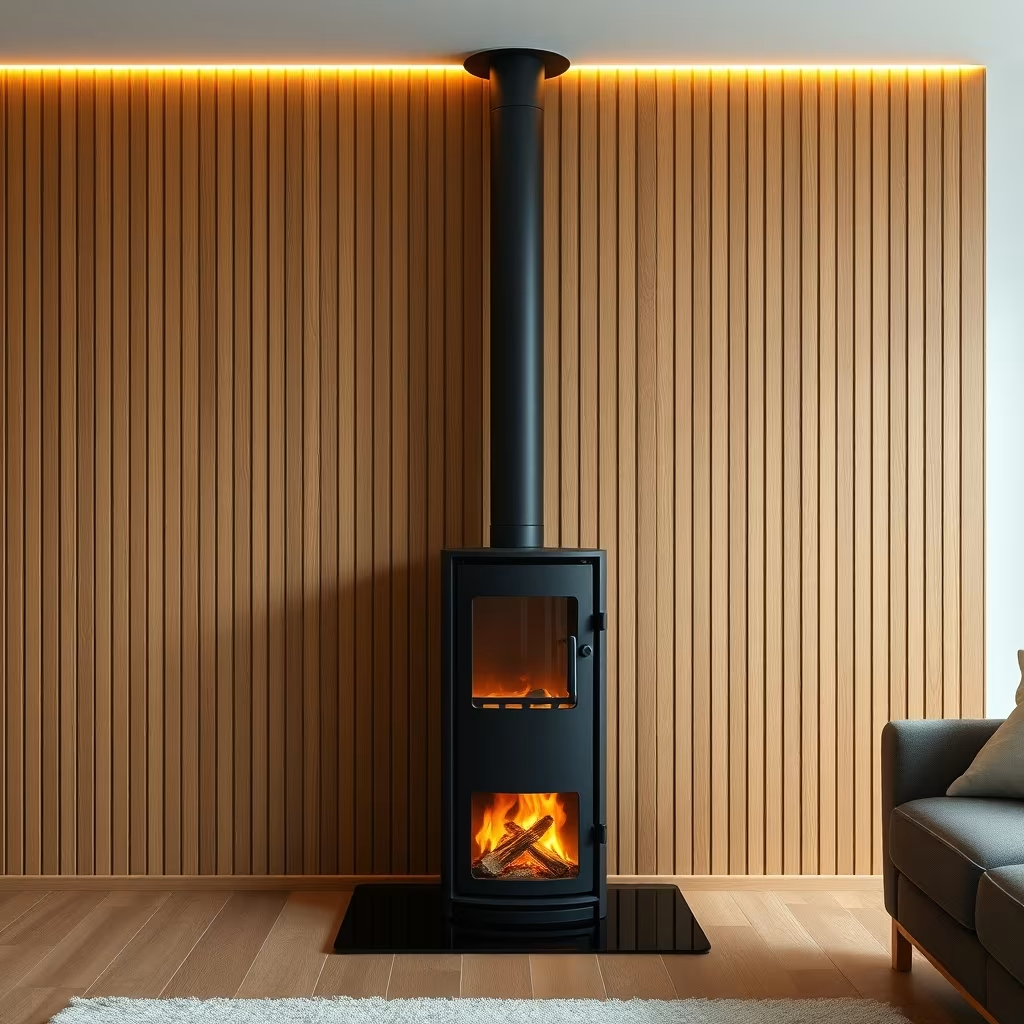
Pairing a Matte Black Wood Burner with Vertical Wood Slat Walls
Installing vertical wooden slats behind a sleek, matte black wood-burning stove creates immediate height and architectural interest. When I renovated a medium-sized Victorian lounge last winter, we used oak slats treated with a clear matte sealer to keep the wood from yellowing near the heat source. This creates a Scandinavian-inspired backdrop that softens the industrial look of cast iron.
To keep the space functional and safe, make sure your wood burner complies with building regulations regarding clearance distances from combustible materials. If your living room is on the smaller side, space the slats slightly further apart with dark painted walls behind them to create depth without visual clutter.
Pro Tip: Run LED strip lighting recessed behind the slats to create a warm, ambient glow when the fire isn’t lit.
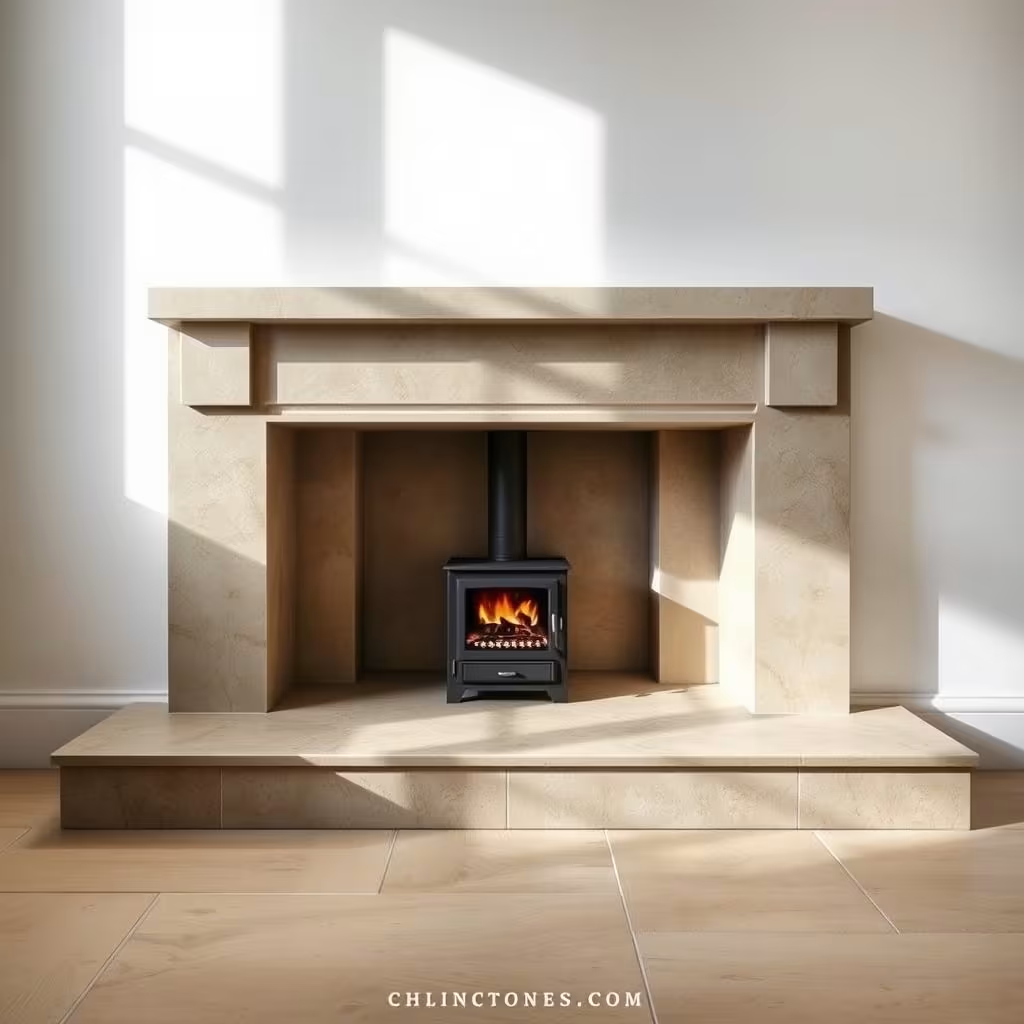
Designing a Floor-to-Ceiling Limestone Hearth and Surround
Using large-format honed limestone tiles from the floor straight up to the ceiling draws the eye upward and makes standard-height ceilings feel remarkably grand. Limestone brings a natural, chalky texture that contrasts beautifully against dancing flames and dark metal flues. In my own open-plan living area, I chose a beige-toned French limestone that resists showing ash dust.
One common mistake during installation is sealing the stone with a glossy finish, which ruins the organic, matte look. Always opt for an impregnating breathable sealer that protects against soot stains without adding shine.
Cost-Saving Swap: If solid limestone blows your renovation budget, use porcelain tiles designed to mimic natural stone—they are much easier to clean and handle heat exceptionally well.
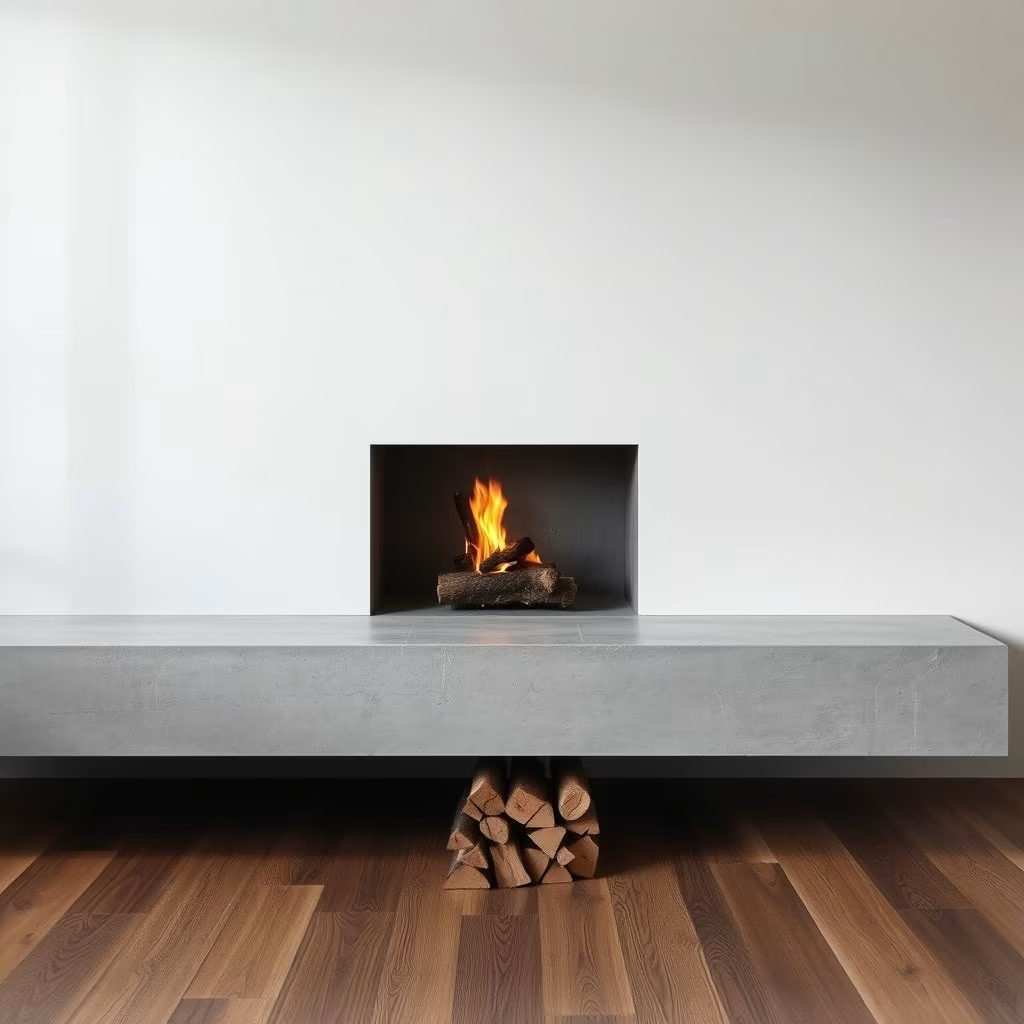
Floating Concrete Benches for Minimalist Living Spaces
A poured concrete hearth that extends horizontally past the stove creates a sleek, low-profile stage for your wood burner. This minimalist approach works exceptionally well in modern or mid-century modern spaces where you want the fire to be the star without bulky brickwork. When we cast a concrete hearth for a client last fall, we integrated a subtle wood storage cubby right beneath the bench.
Concrete is heavy, so ensure your subfloor can handle the weight before pouring. If pouring custom concrete feels too messy for your timeline, pre-cast hearth slabs offer the exact same industrial aesthetic with half the installation hassle.
Pro Tip: Add a concrete sealer with a wax finish to prevent soot and spilled ash from leaving permanent dark rings on the surface.
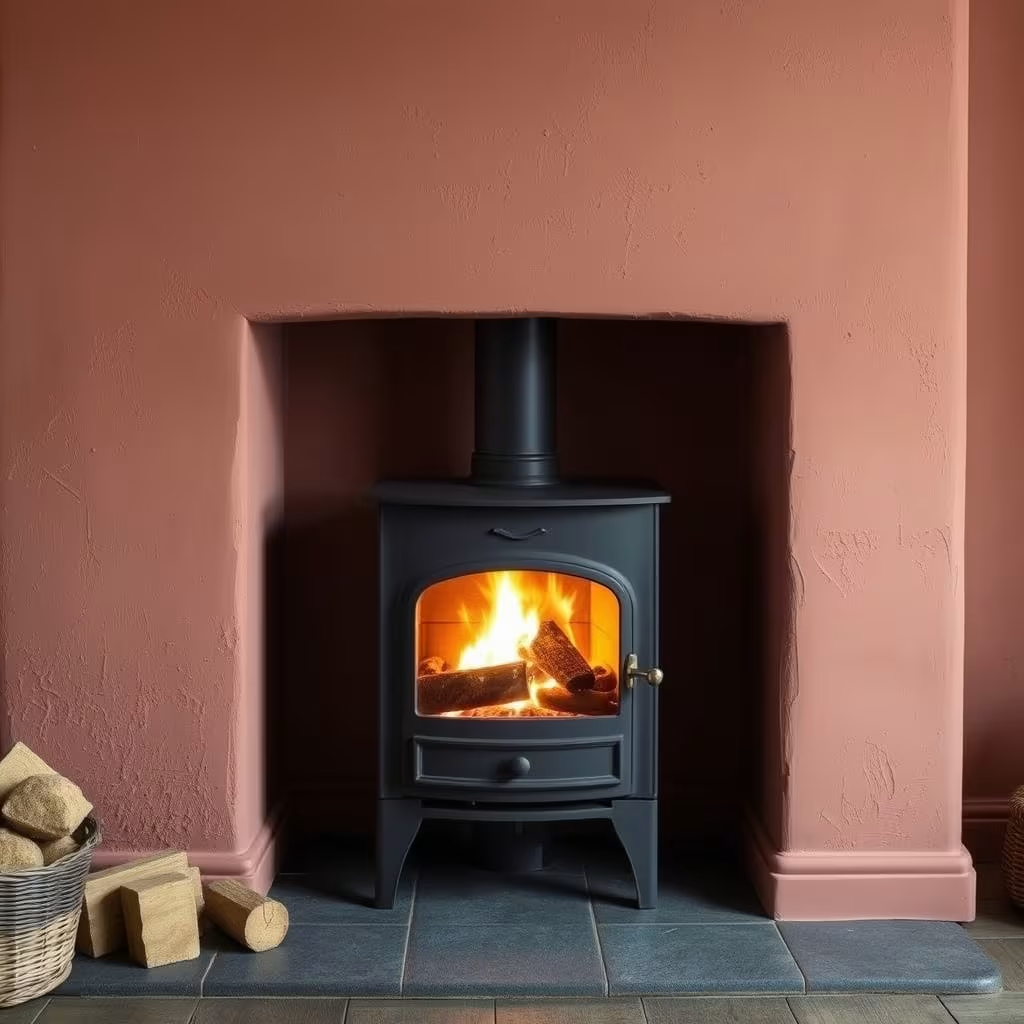
Layering Neutral Earth Tones and Textured Lime Wash Walls
Surrounding your wood burner with lime-washed walls in warm tones like clay, plaster, or sand adds subtle movement and historic charm to a brand-new stove. The mottled texture of lime wash catches the flickering light of the fire at night, making the whole room feel instantly lived-in and inviting. I recently used a soft mushroom shade in a low-light snug, and it completely eliminated the coldness of bare drywall.
Lime wash requires a specific priming technique, so do not skip the mineral primer if you are painting over standard latex paint. Pair this wall finish with boucle armchairs and linen drapery to complete the tactile, cozy aesthetic.
Pro Tip: Keep a damp microfiber cloth nearby during fireplace season to gently wipe away any stray soot before it settles into the porous lime wash surface.
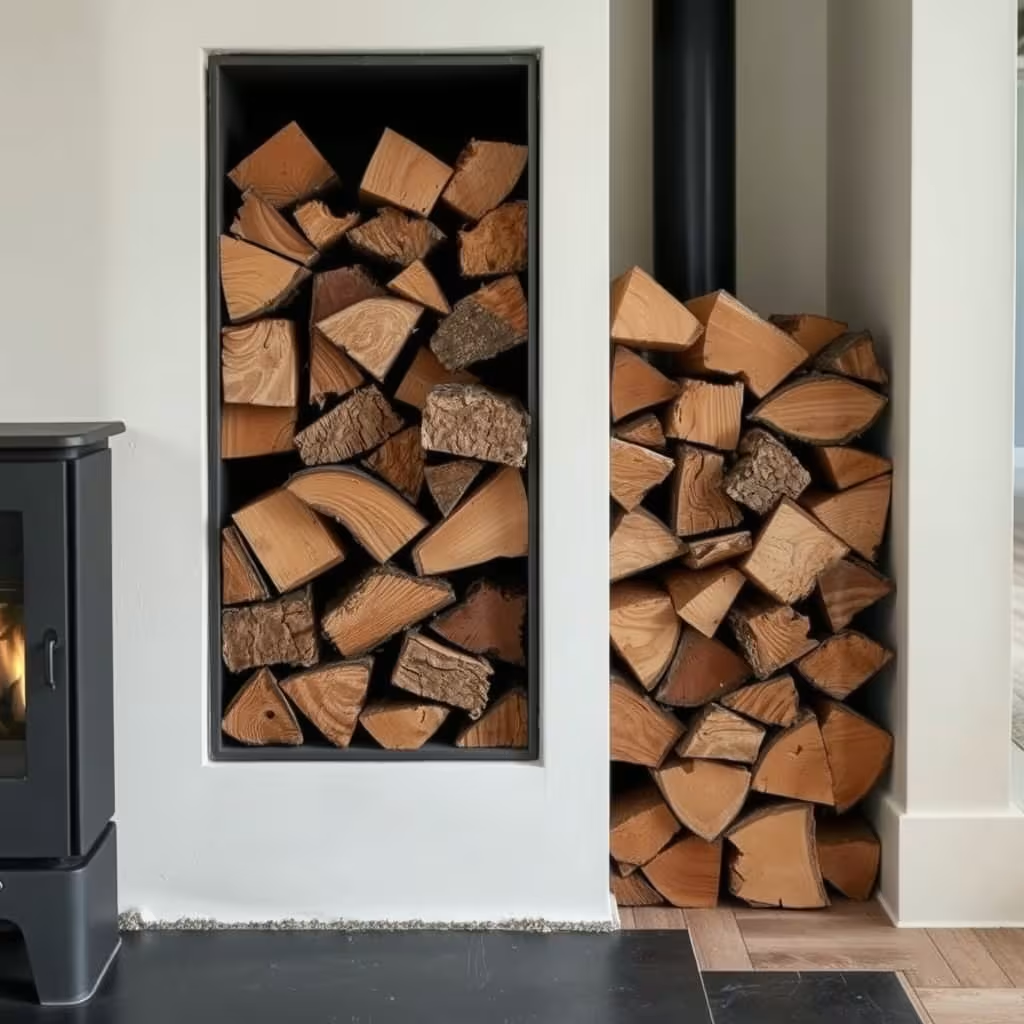
Integrating Built-In Firewood Storage Niches
Building a vertical or horizontal wood storage recess directly into the wall next to your wood burner is both practical and visually striking. Stacking real logs right beside the fire brings organic texture and rich brown tones into your color palette without adding extra furniture. In a narrow living room project, we carved out a vertical niche that saved precious floor space while holding a week’s worth of kiln-dried birch.
Always ensure your indoor wood store only holds seasoned wood to prevent bringing in damp logs infested with bugs. Line the interior of the niche with black steel plate to make sweeping up bark debris effortless.
Pro Tip: Cut your logs to uniform lengths before stacking them in the niche for a clean, editorial look that avoids messy, uneven edges.
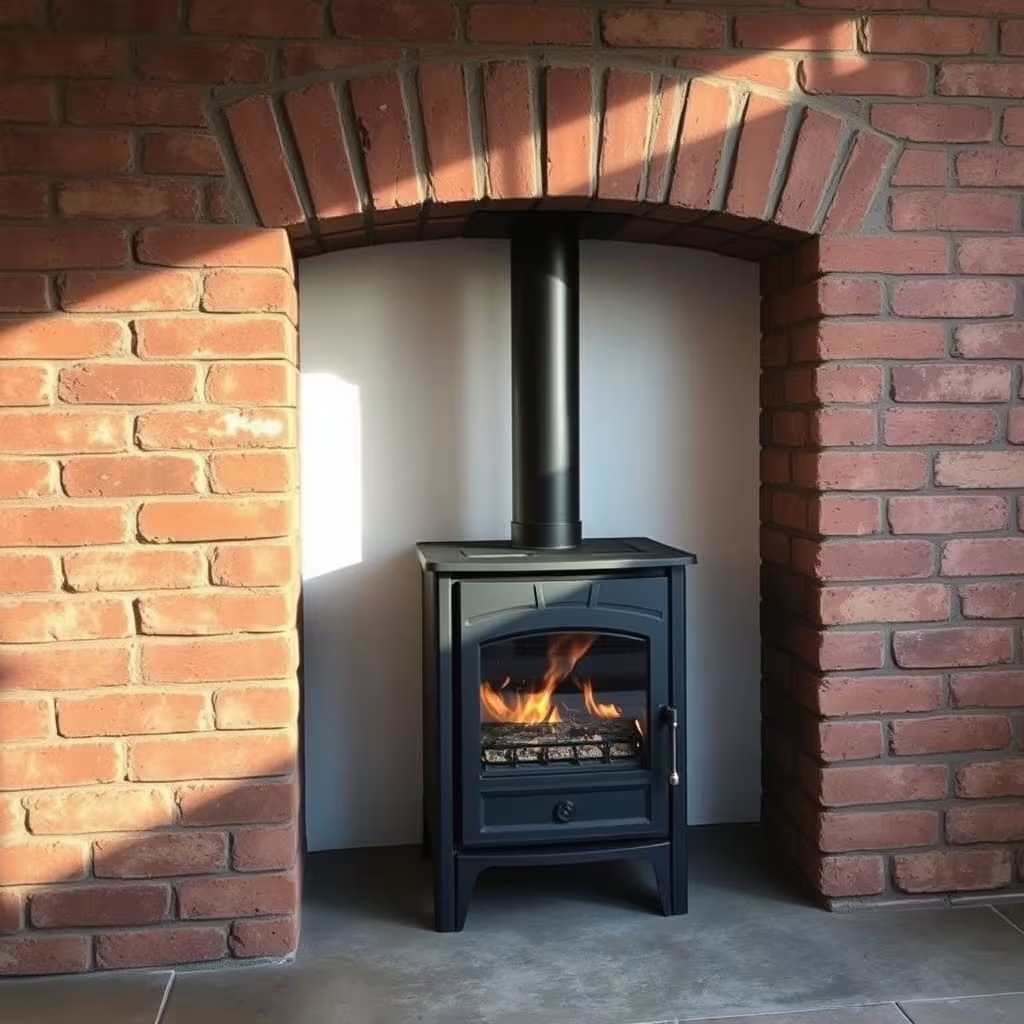
Framing the Stove with Traditional British Brick Slips
If you love the character of a historic rustic hearth but live in a modern build, authentic clay brick slips offer the best of both worlds. These thin slices of real reclaimed brick are adhered directly to the wall behind the wood burner, giving you an authentic heritage look without the structural load of a full brick wall. I specified weathered red brick slips for a cottage renovation, and visitors genuinely thought it was original to the 1800s property.
When grouting brick slips around a wood burner, choose a high-temperature mortar and recess the grout lines slightly so the individual bricks cast subtle shadows. Avoid overly bright red bricks unless you want a loud, primary-color look; aged, tumbled bricks with flecks of soot look far more authentic.
Pro Tip: Seal the finished brickwork with a matte brick sealer to stop dust and ash from clinging to the rough surface pores.
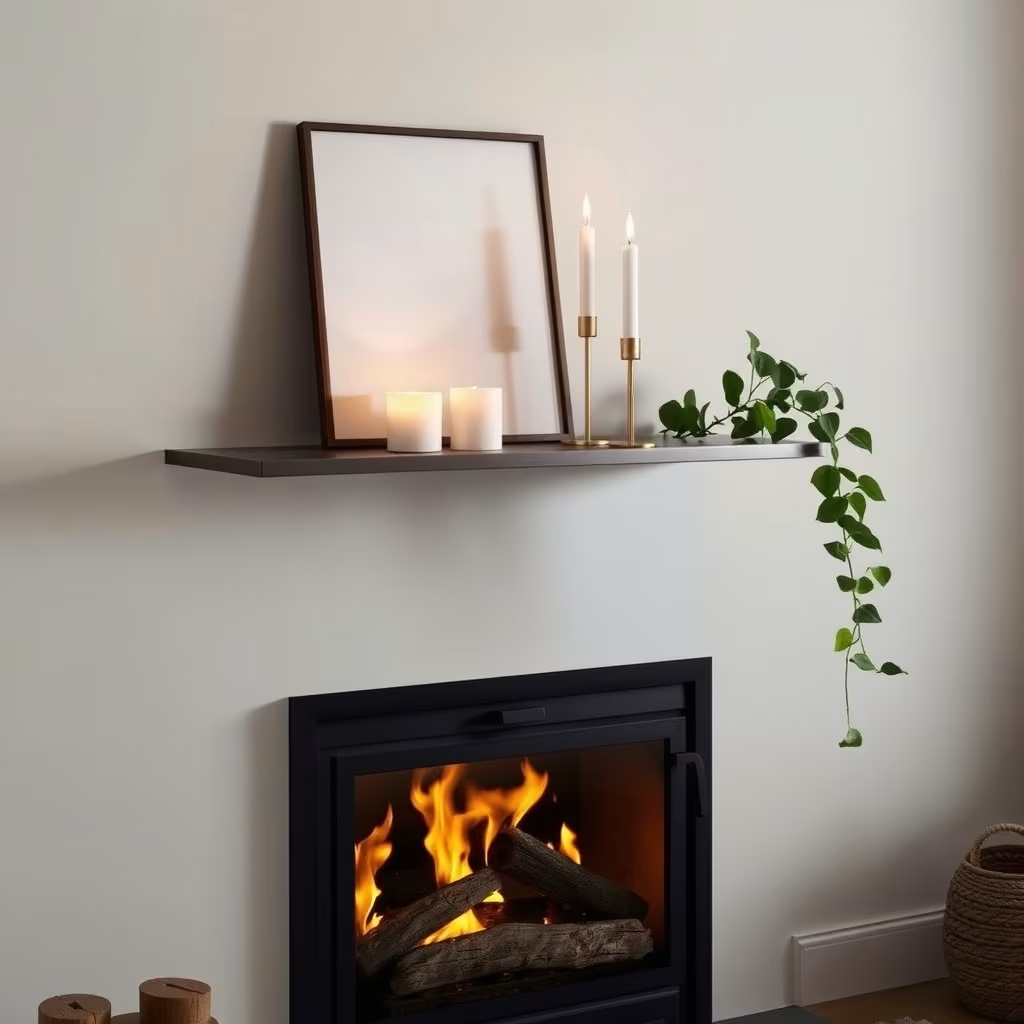
Floating Metal Mantel Ledges for Curated Display
Instead of a heavy, traditional oak mantelpiece, opt for a slim, cantilevered steel or brass ledge mounted just above the wood burner clearance zone. This keeps the lines clean and modern while providing a safe perch for brass candlesticks, small framed art, or trailing pothos plants. When styling a metal mantel, less is always more—crowding items too close to the active flue can cause heat damage.
Check your stove manufacturer’s manual carefully for minimum clearance heights before hanging any metal shelf above the unit. Blackened steel complements almost any stove finish, while unlacquered brass develops a gorgeous patina over time near the heat.
Pro Tip: Stick to heat-resistant decor items on the mantel, as metal shelves can conduct warmth upwards during long burn sessions.
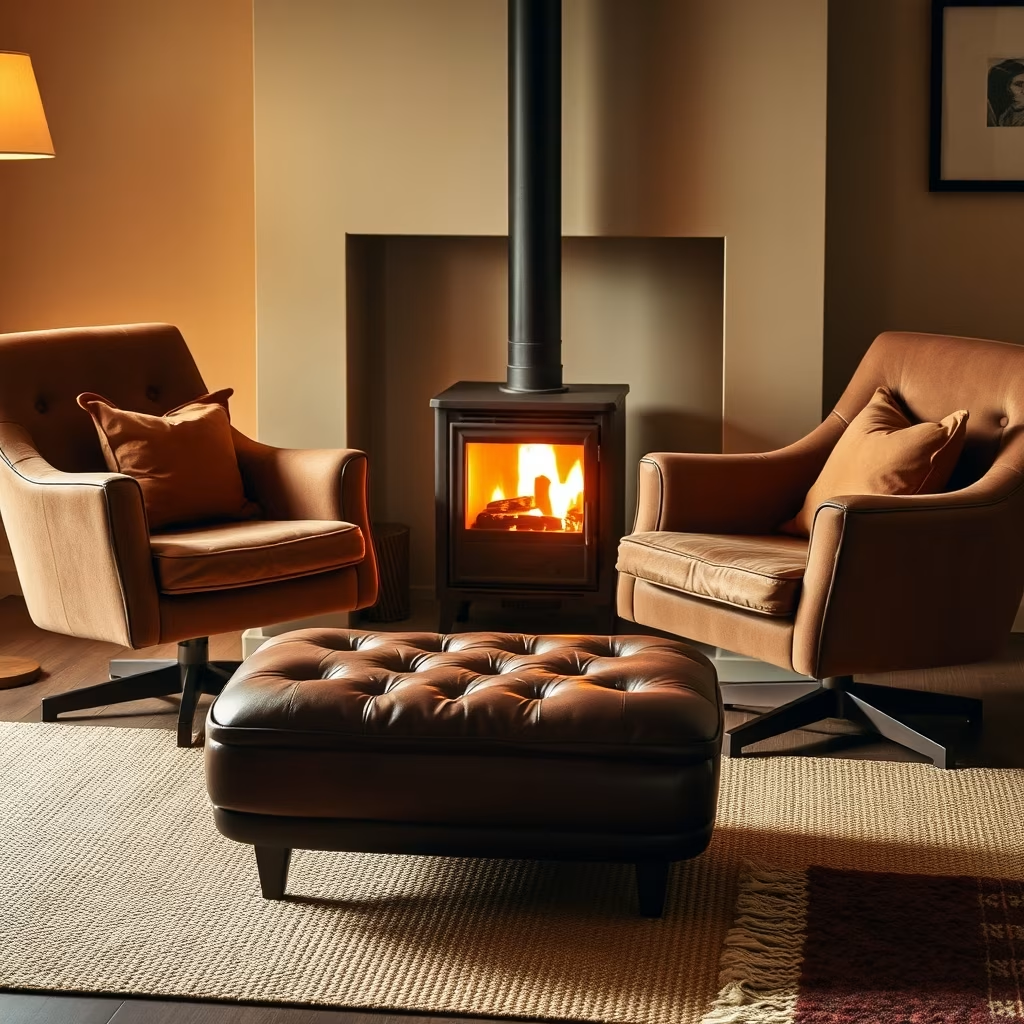
Arranging Cozy Seating Layouts Around the Hearth
The layout of your furniture dictates how much you will actually enjoy your wood burner during cold months. Instead of pushing all your seating flat against the perimeter walls, pull two comfortable swivel armchairs or a deep-seated sofa closer to the fire at an angle. In our own family room testing, an asymmetrical layout with a low leather ottoman allowed everyone to put their feet up and feel the direct radiant heat.
Be mindful of fire safety regulations and maintain at least three feet of clear space between the front of your wood burner and any fabric upholstery or wool rugs. If space is tight, use a smaller, low-profile Moroccan leather pouf instead of a bulky coffee table.
Pro Tip: Layer a flat-weave jute rug under the seating area with a small wool accent rug closer to the hearth for easy vacuuming of stray ash.
Frequently Asked Questions
Q: Does a wood burner actually heat an entire open-plan home?
A: A properly sized wood burner can easily heat a large open-plan living space or even multiple connected rooms if you have good airflow and an open floor plan. However, sizing is critical; an oversized stove in a small room will overheat the space quickly, forcing you to run it inefficiently with dampened air flow.
Q: What kind of wood is best to burn for maximum heat and minimal smoke?
A: Kiln-dried hardwood species like ash, oak, and beech burn hotter and longer than softwoods like pine. Always look for firewood with a moisture content under 20 percent, which you can easily verify using an inexpensive digital wood moisture meter before tossing a log into the fire.
Q: Can I install a modern wood burner in a room without an existing chimney?
A: Yes, you can install a wood burner anywhere in your home by using a twin-wall insulated stainless steel flue system that vents safely up through your ceiling and out the roof or directly through an exterior wall. Always hire a certified professional installer to ensure local building codes and fire safety clearances are strictly met.
Updating your living space with a modern wood burner is one of the most rewarding home improvements you can undertake. By focusing on smart material choices, proper safety clearances, and cozy furniture layouts, you will create a stunning focal point that you will enjoy for years to come. Start by planning your hearth material and flue placement, and let the natural warmth transform your daily routine.
Leave a Reply