

10 Clever Japandi Bathroom Ideas to Inspire Your Decor
Redecorating a bathroom can feel overwhelming, especially when you are trying to balance cozy comfort with clean, clutter-free minimalism. That is where Japandi style comes in, blending Japanese wabi-sabi principles of finding beauty in imperfection with Scandinavian functionality and coziness. At Furnish Luxe, we have tested this design philosophy in real home renovations, finding it creates a spa-like retreat without feeling sterile. In this guide, you will discover ten clever ways to bring Japandi aesthetics into your bathroom.
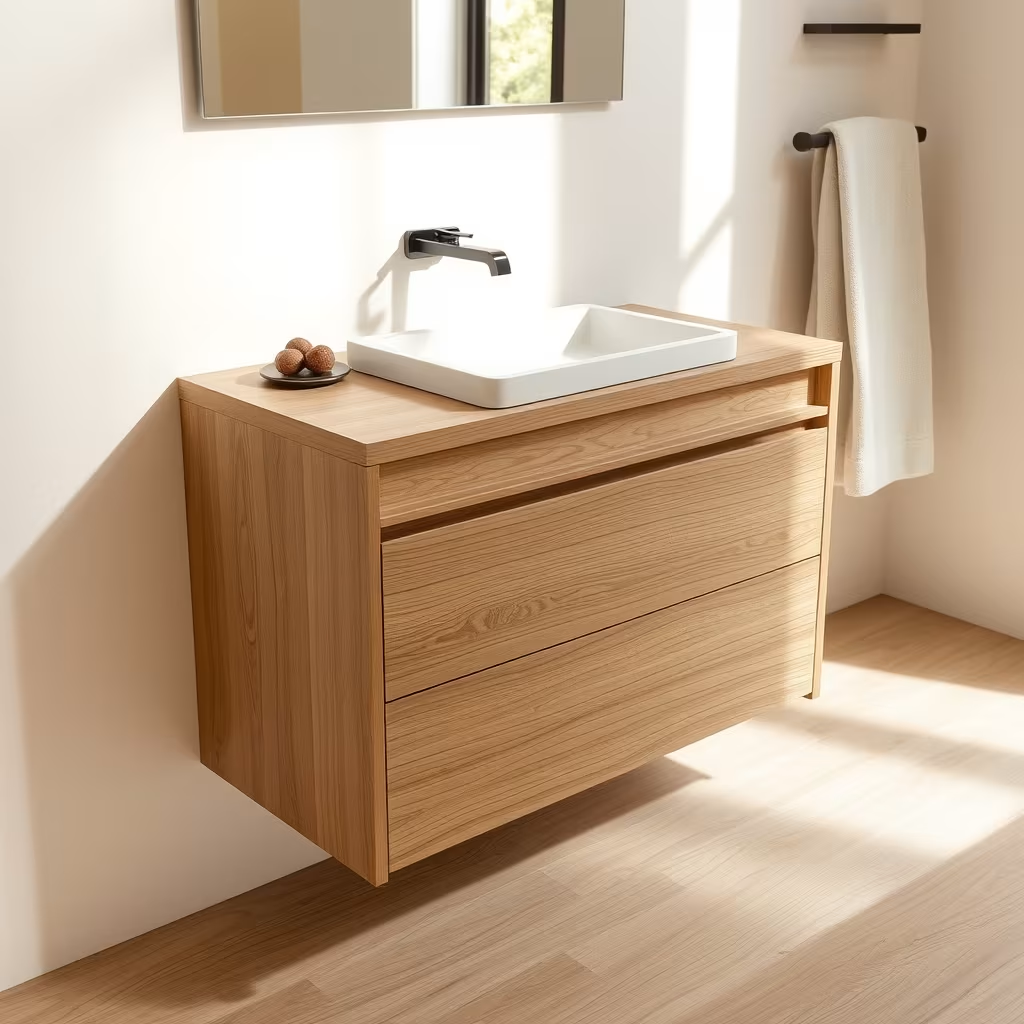
Use White Oak or Ash Vanities for Natural Warmth
One of the easiest ways to ground a Japandi bathroom is by choosing a light-toned wood vanity, specifically white oak or Scandinavian ash. These woods feature a subtle, straight grain that adds organic texture without overwhelming a compact room. Avoid heavy espresso stains or high-shine varnishes, which pull the look away from Japandi and into traditional territory. In my own primary bathroom remodel, switching a dark cherry vanity for a matte white oak piece instantly made the space feel twice as bright.
Actionable tip: If replacing your vanity is out of budget, use a wood-toned floating shelf above your toilet or swap out your mirror frame for light oak to get the same effect for under $50.
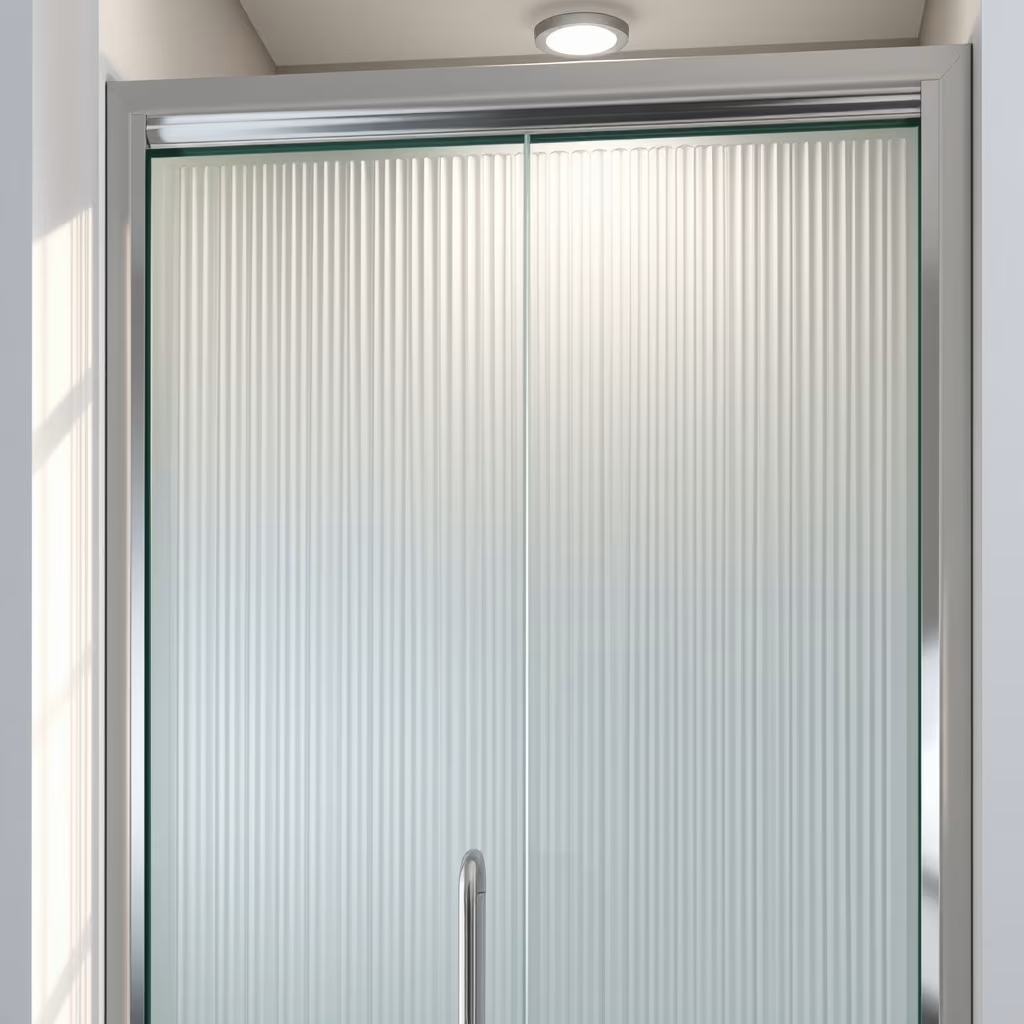
Incorporate Fluted Glass Shower Doors for Softened Privacy
Clear glass shower enclosures look modern, but they do nothing to hide shampoo bottles and water spots, which ruins the calm Japandi aesthetic. Fluted or reeded glass introduces tactile vertical lines while diffusing light and obscuring the interior of the shower. This technique adds architectural interest to flat, tiled walls without needing extra decor. When sourcing fluted glass, look for tempered options with a matte black or brushed nickel frame to anchor the design.
Actionable tip: If you are a renter and cannot replace your shower door, apply a textured, frosted window privacy film in a reeded pattern directly to your existing glass for a removable temporary fix.
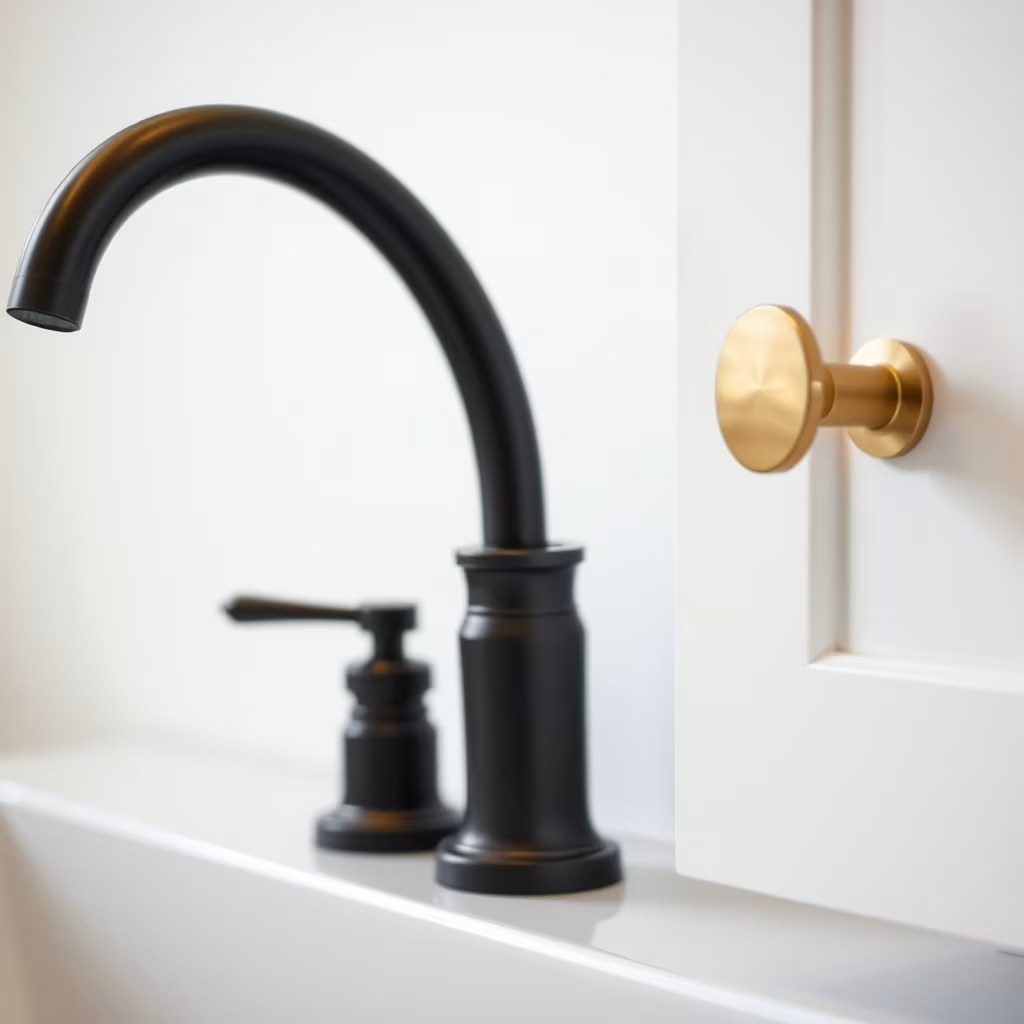
Layer Matte Black and Brushed Brass Fixtures
Japandi design leans heavily into restraint, but that does not mean every single fixture has to match in a shiny chrome finish. Pairing matte black faucets with subtle brushed brass or aged bronze cabinet pulls adds necessary contrast. Black grounds the space, while brass brings in the warmth central to Scandinavian hygge. In practice, I always recommend sticking to two metal finishes maximum in a bathroom to keep the palette cohesive.
Actionable tip: Avoid bright, polished gold fixtures, as they catch too much light and disrupt the quiet, matte aesthetic that defines both Japanese and Scandinavian interiors.
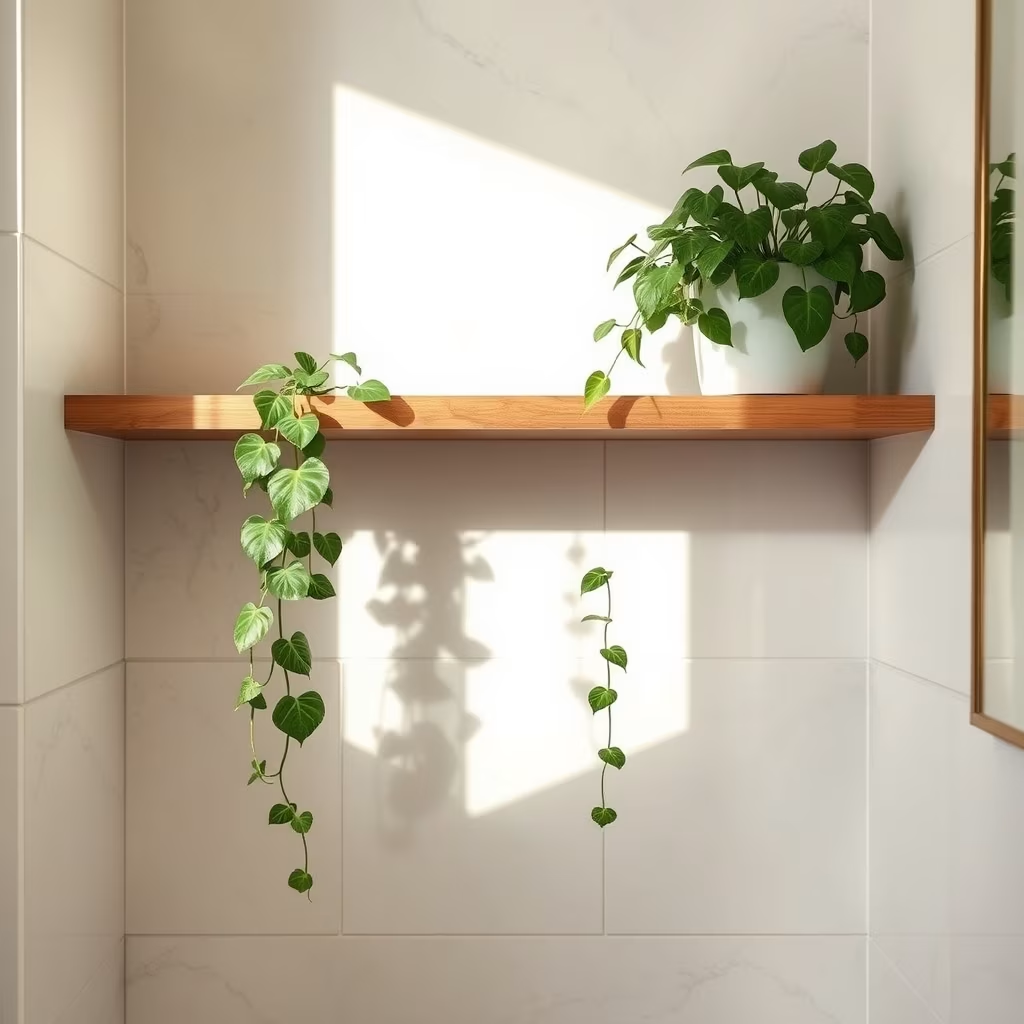
Bring the Outdoors In With Low-Light Houseplants
No Japandi space is complete without greenery, and the bathroom is the ideal microclimate for moisture-loving plants. A trailing pothos on a high shelf or a potted snake plant in an unused corner softens hard tile lines and concrete finishes. Plants reinforce the wabi-sabi appreciation for natural, living elements that change over time. If your bathroom lacks windows, hardy faux varieties like a faux eucalyptus bundle in a ceramic vase will still deliver the organic look.
Actionable tip: Hang a small bundle of fresh eucalyptus directly on your shower head using twine; the steam releases natural oils that create an authentic spa experience daily.
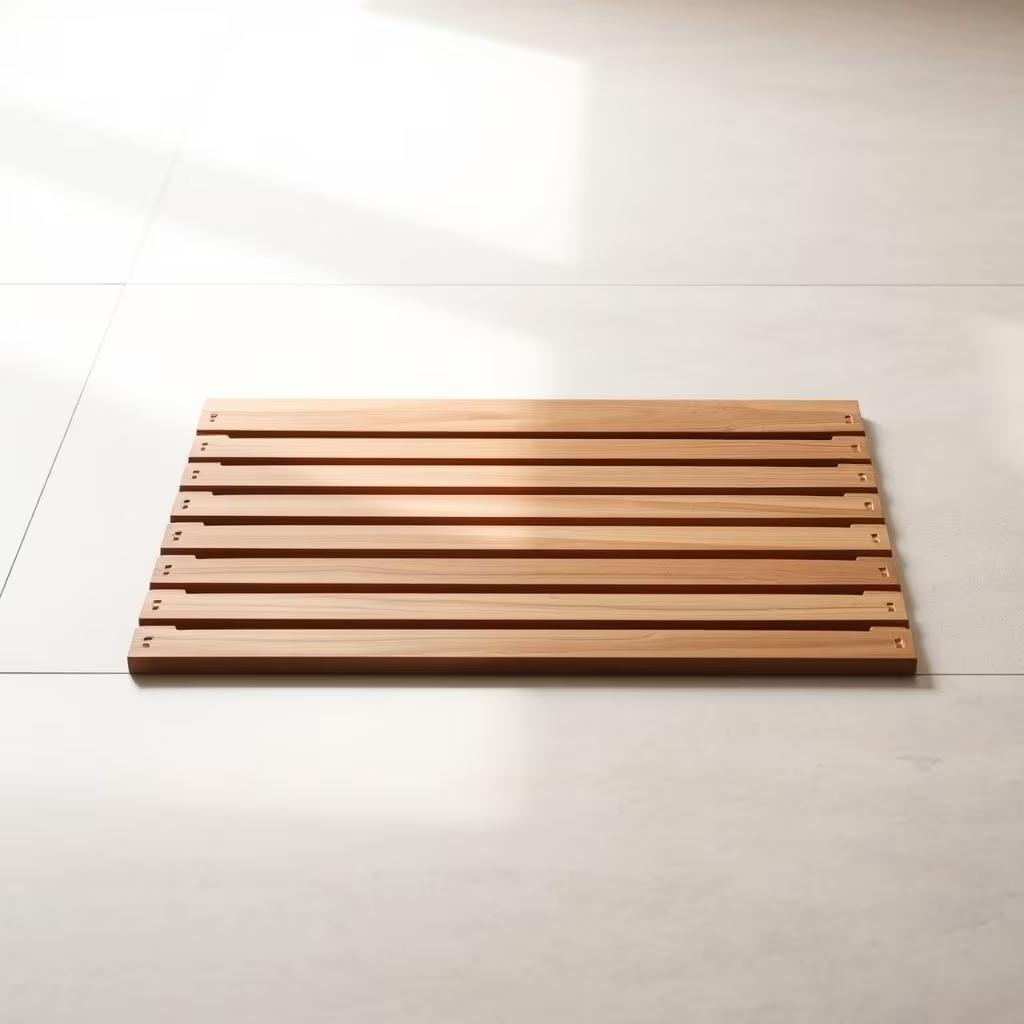
Choose Slatted Wood Bath Mats Over Plastic Alternatives
Traditional fabric bath mats bunch up, trap moisture, and collect lint, which clutters up a minimalist floor plan. Upgrading to a Hinoki cypress or teak slatted bath mat introduces the beautiful scent of natural wood and dries quickly between uses. This is a subtle upgrade, but it completely changes how the floor feels underfoot and reinforces the spa-like atmosphere. I have used teak mats in high-moisture powder rooms for years, and they age gracefully with proper drying.
Actionable tip: Stand your wooden bath mat on its side against the wall after showering to allow air circulation underneath and prevent water staining on your tile.
Opt for Neutral Limewash or Tadelakt Walls
Flat white drywall can make a bathroom feel clinical rather than calming. Instead, apply a limewash paint or a waterproof tadelakt plaster in warm beige, soft taupe, or muted clay tones. These finishes create a cloudy, multidimensional texture that catches the light differently throughout the day. When renovating small bathrooms, I find that a textured beige plaster reflects ambient light softly, making the room feel larger and more enveloping.
Actionable tip: If plastering is too messy or expensive, use a heavy-texture roller with a neutral matte paint to mimic the subtle movement of limewash on a budget.
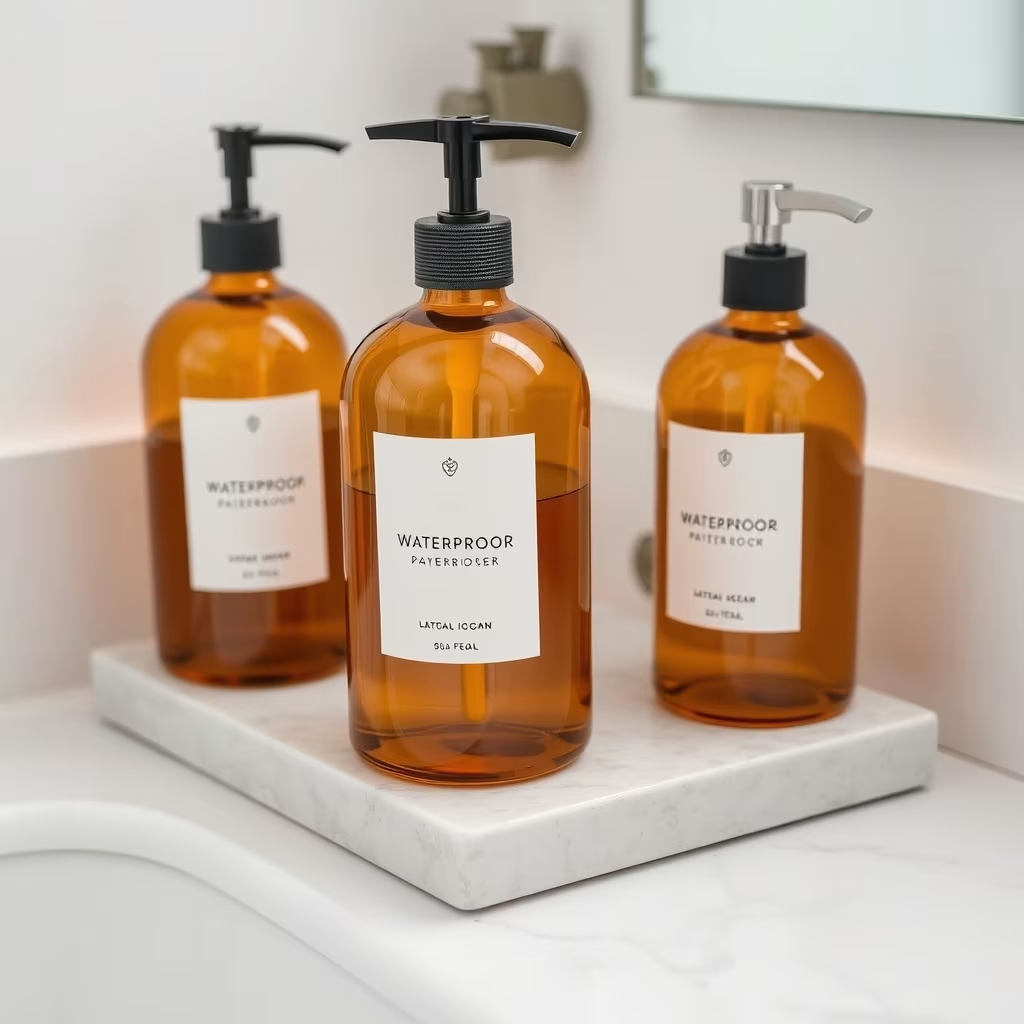
Decant Toiletries Into Amber Glass Dispensers
Visual clutter is the enemy of Japandi design, and mismatched plastic soap and shampoo bottles instantly break the spell of serenity. Swapping commercial containers for uniform amber or frosted glass bottles with minimalist waterproof labels creates instant calm. Amber glass also references traditional apothecary jars, which fits right into the vintage-meets-modern ethos of wabi-sabi. Grouping your hand soap and lotion on a small stone tray completes the styled vignette.
Actionable tip: Buy pump bottles with silicone boots on the bottom to prevent them from sliding around on wet porcelain sinks and to protect your counters from scratches.
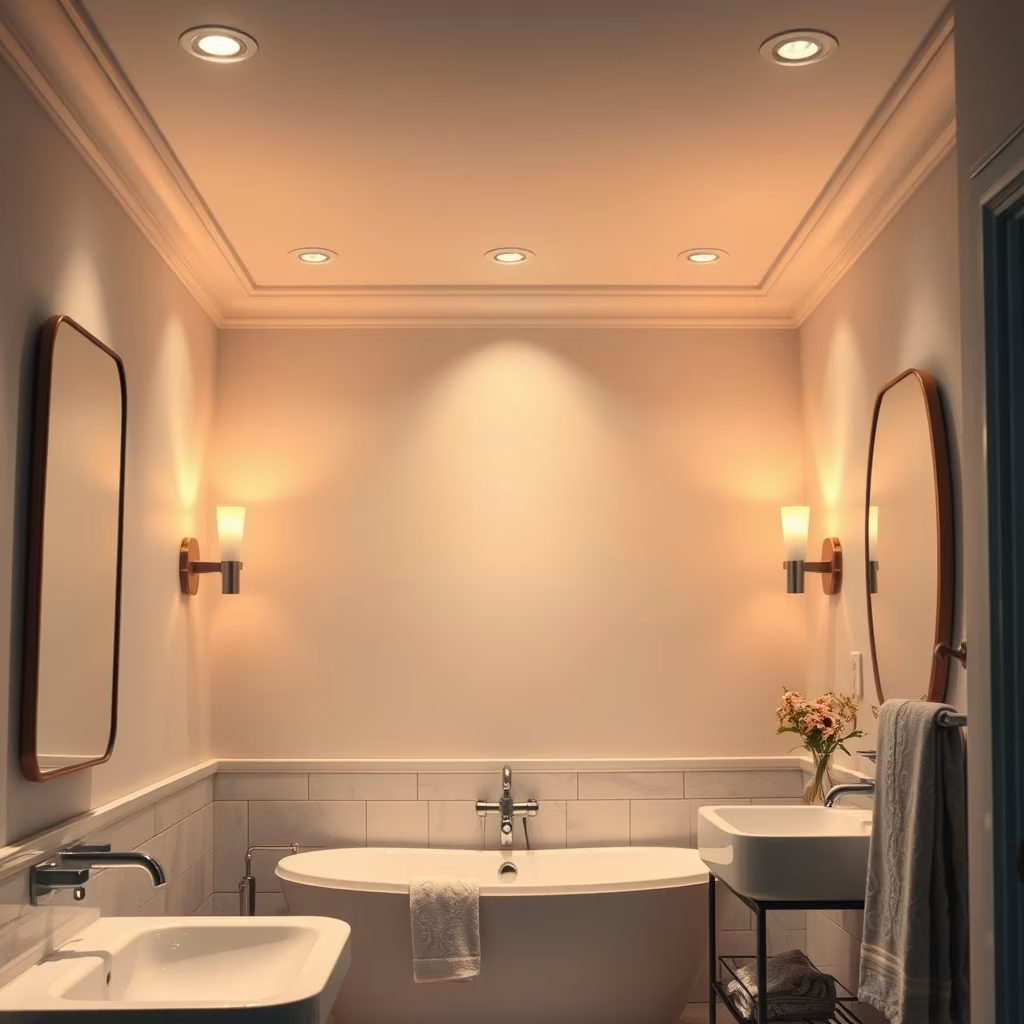
Install Warm, Dimmable Ambient Lighting
Overhead, glaring daylight-white LED bulbs will instantly ruin a Japandi bathroom’s relaxing mood. Swap out cool-toned bulbs for warm white options sitting around 2700K, and install a dimmer switch for your vanity and overhead lights. In Japanese design, lighting is meant to be soft and indirect, mimicking the glow of lanterns or paper shoji screens. When doing bathroom makeup or skincare routines, task lighting around the mirror paired with a warm ambient overhead light gives you the best of both worlds.
Actionable tip: Avoid placing vanity lights solely above the mirror, as this casts harsh downward shadows; instead, use wall sconces flanking the mirror for even, flattering illumination.
Frequently Asked Questions
Q: What colors define the Japandi interior style?
A: Japandi color palettes rely heavily on neutral earth tones like warm beige, cream, taupe, and soft gray, grounded by darker accents like charcoal or matte black. Natural wood tones and muted earthy colors like terracotta, olive, and clay are also common.
Q: Does Japandi style work in small bathrooms?
A: Yes, Japandi is ideal for small spaces because its core principles center around minimalism, decluttering, and maximizing natural light. Using light oak, large neutral tiles, and hidden storage makes compact bathrooms feel significantly larger.
Q: How can I make a rental bathroom look Japandi without permanent changes?
A: Focus on non-permanent swap-outs: replace plastic soap bottles with glass dispensers, add a slatted wood bath mat, hang eucalyptus from the shower head, use warm-toned LED lightbulbs, and display a minimal ceramic tray for accessories.
Designing a Japandi bathroom is all about prioritizing function, natural textures, and peace of mind over excess decoration. By introducing warm woods, soft lighting, and clever organizational swaps, you can easily turn your daily routine into a grounding ritual. Start with one or two changes—like upgrading your bath mat or decanting your soaps—and build your serene retreat from there.