
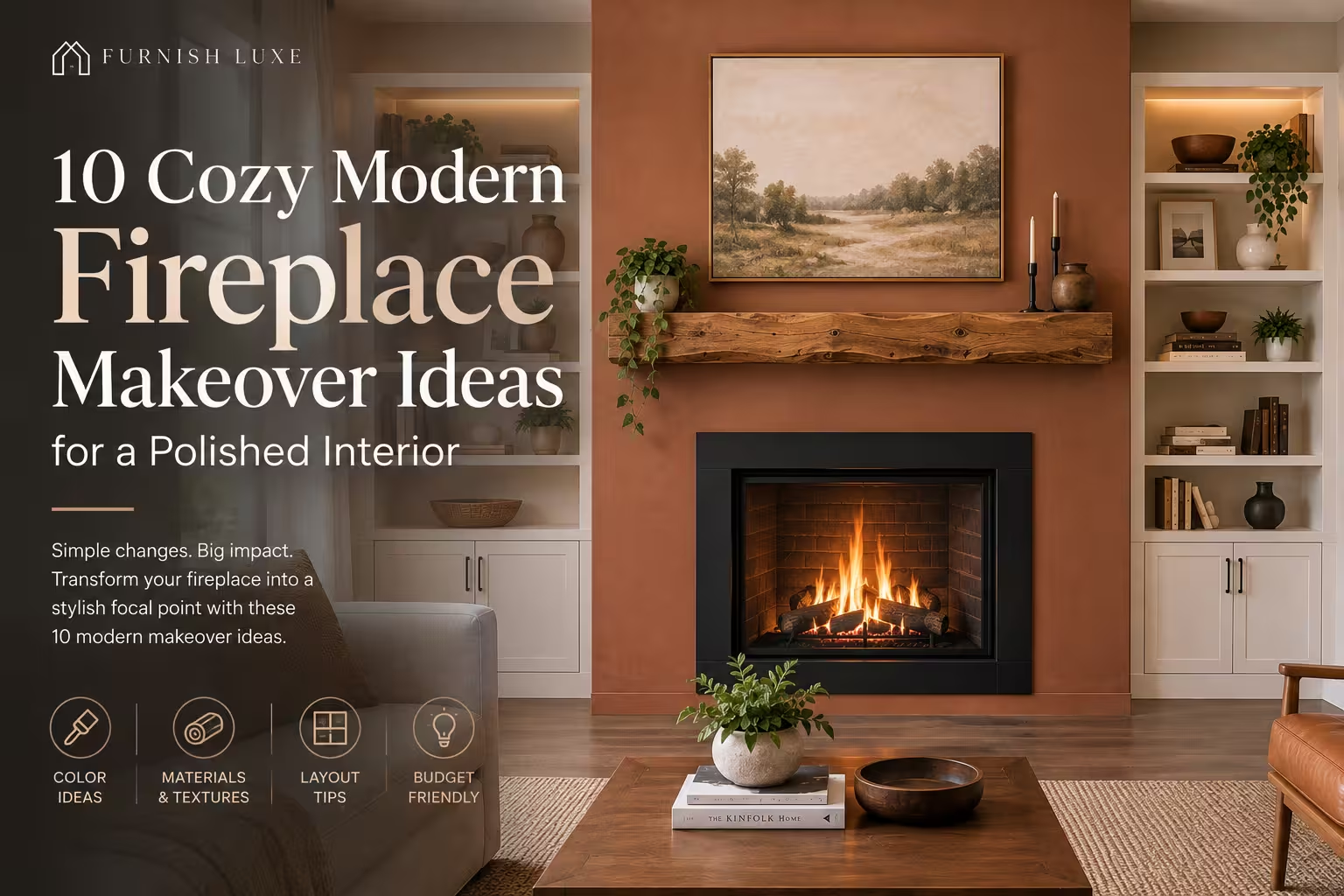
10 Cozy Modern Fireplace Makeover Ideas for a Polished Interior
Looking to refresh your fireplace without a full remodel? A modern makeover can turn the hearth into a polished focal point while keeping the room cozy and inviting. Below are eight specific ideas — each paired with the colors, materials, and layout tricks that work in real homes. Follow the tips to avoid common pitfalls and get a designer look on a budget.
For more inspiration, explore these 10 Cozy Electric Fireplace Ideas with Mantle for Every Style and Budget to find a fireplace look that suits your space and budget.
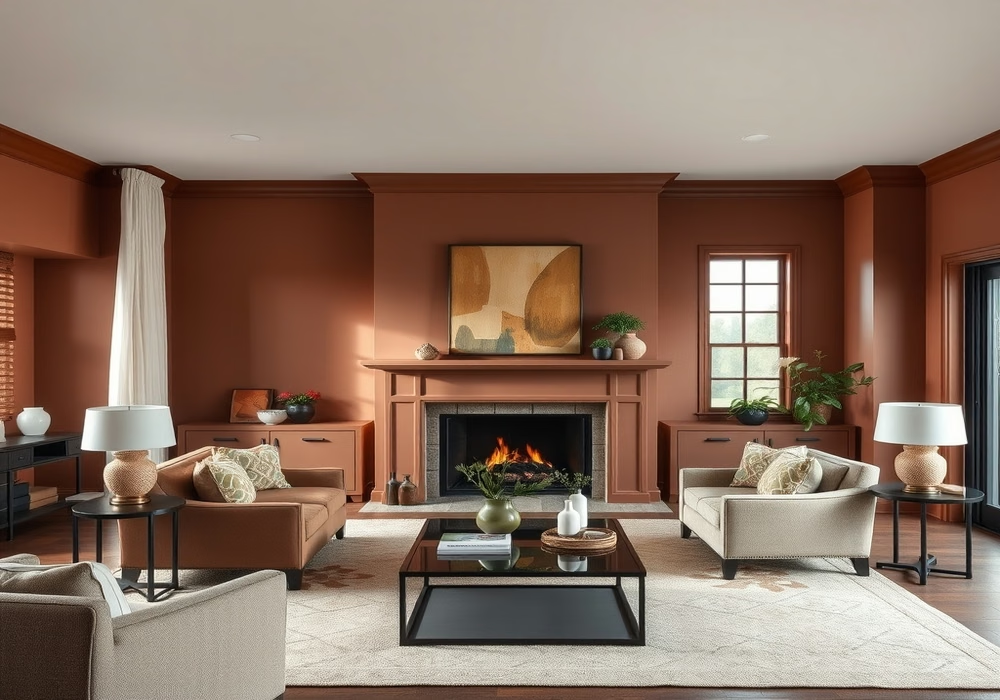
Paint the surround in a warm, muted terracotta
Choose a muted terracotta such as Sherwin‑Williams Cavern Clay (SW 7701) or Benjamin Moore Hampshire Taupe instead of bright orange. This hue grounds the fireplace without overwhelming the space, especially in rooms with limited natural light where a saturated shade can look flat at night.
Why it works: Terracotta sits between red and orange on the color wheel, offering enough warmth to feel inviting while staying neutral enough to pair with cool grays and warm woods. It echoes Mediterranean interiors where plaster walls are washed in earthy tones, creating a timeless backdrop.
First-hand tip: Apply two thin coats with a small roller on textured brick; let the first coat dry completely before the second to avoid streaks. Renters can use a removable chalk‑paint formula that wipes clean when moving out.
Actionable tip: Pair the terracotta surround with a matte black metal fireplace screen for contrast and a modern edge—no new mantel needed.
Install a live‑edge reclaimed wood mantel
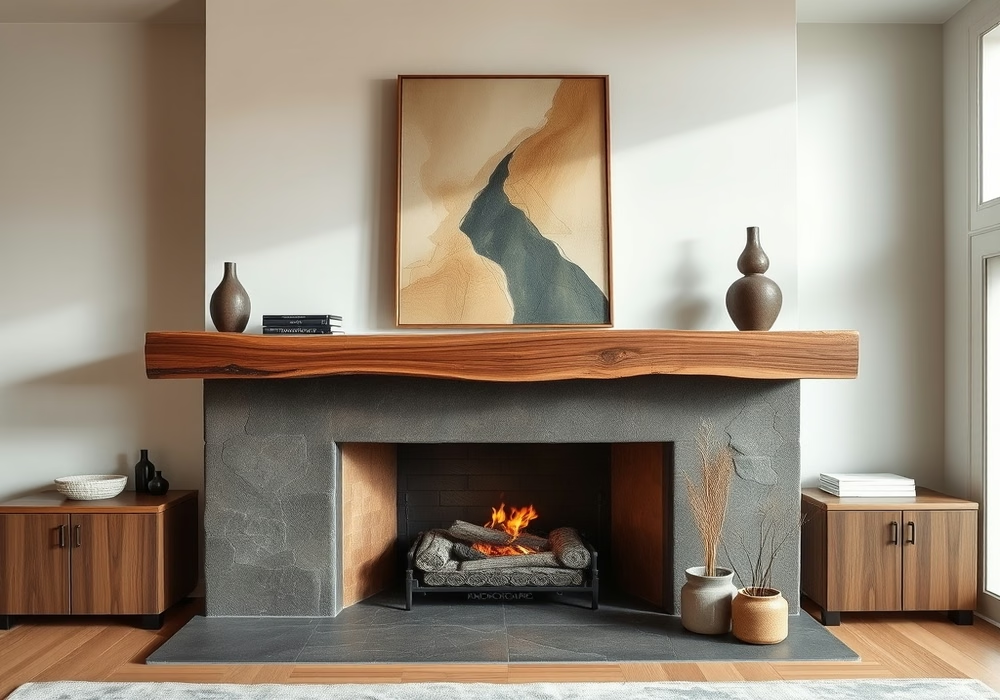
Look for salvaged oak or pine slabs with the natural edge preserved; a thickness of 3–4 inches gives substance without overwhelming the wall. Sand lightly and finish with clear matte polyurethane to protect the grain while keeping the look raw.
Why it works: The live edge adds organic variation that breaks the fireplace’s linearity, fitting the rustic‑modern trend seen in Scandinavian and Pacific Northwest design. The wood’s natural tones also soften hard lines of stone or metal surrounds.
First-hand tip: Locate studs and use heavy‑duty lag bolts; run a level line across the top before securing to ensure the mantel sits perfectly horizontal, which makes styling objects look intentional.
Actionable tip: If a full slab is too costly, join two smaller reclaimed planks with a hidden biscuit joint, stain to match, and save 40‑50 % versus a custom‑cut piece.
Frame the firebox with black steel
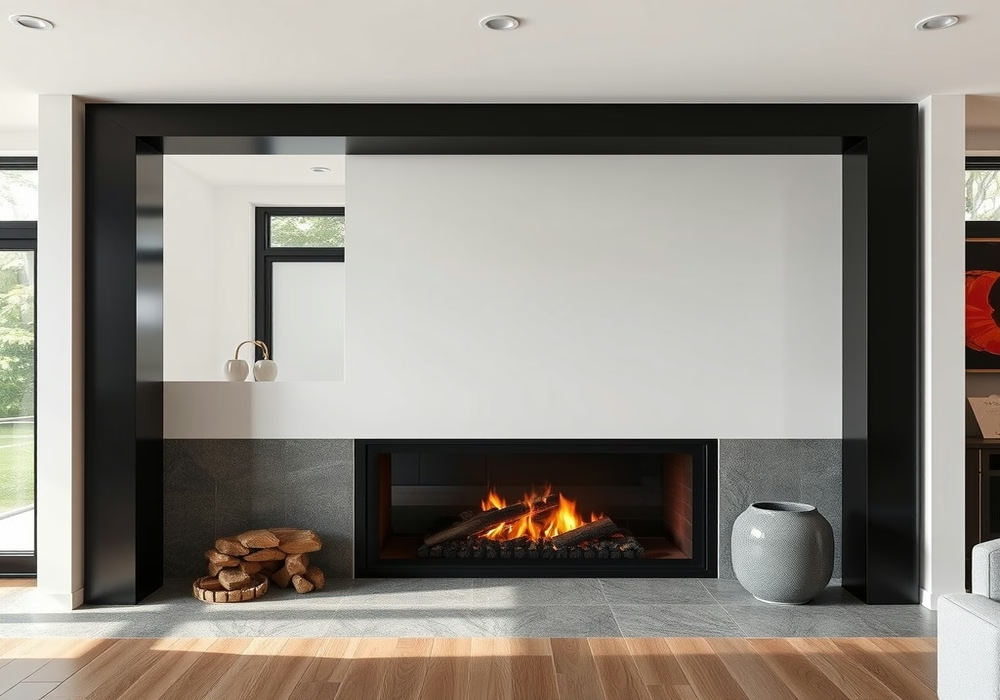
Buy a matte‑black steel trim kit or have a fabricator bend 1⁄8‑inch mild steel to your opening’s dimensions. Secure it with heat‑resistant screws hidden behind the lip so they’re invisible.
Why it works: Black steel creates a sharp, graphic silhouette that draws the eye to the fire itself—a tactic used in industrial lofts and mid‑century modern interiors where exposed metal is celebrated.
First-hand tip: Test the fit with cardboard cutouts first; leave a 1⁄8‑inch gap all around to allow for expansion and prevent warping when the fireplace heats up.
Actionable tip: For a renter‑friendly version, use adhesive‑backed steel tape strips painted black; they remove cleanly and mimic the trim without permanent installation.
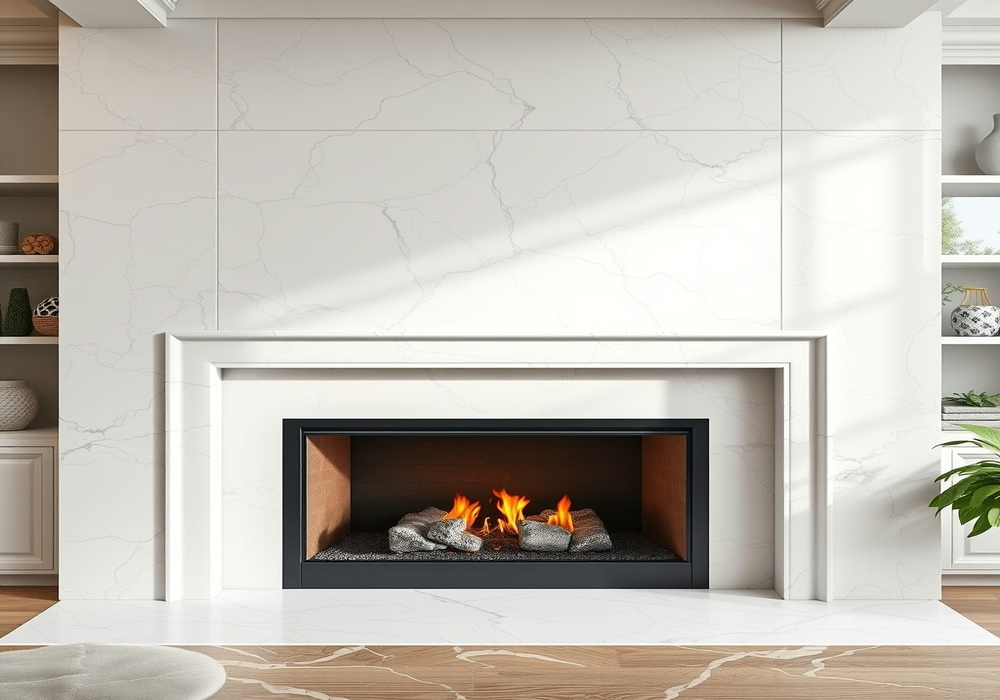
Clad the surround in large‑format white marble tile
Select 12‑by‑24‑inch honed marble tiles (Carrara or Calacatta) and lay them in a stacked bond with a 1⁄16‑inch grout line. A honed finish reduces slip and shows fewer etch marks than polished stone.
Why it works: The expansive, veined surface adds luxury while the neutral white keeps the fireplace from visually shrinking the room. In small spaces, a continuous marble plane reflects light, making the area feel brighter—a trick used in contemporary boutique hotels.
First-hand tip: Dry‑lay a few tiles on the floor to see how the veining aligns; rotate each tile 90 ° if needed to create a balanced pattern and avoid unwanted “checkerboard” effects.
Actionable tip: If full marble exceeds budget, use porcelain tiles that mimic marble veining; they cost about half as much, are easier to cut, and still deliver the high‑end look with tight grout lines.
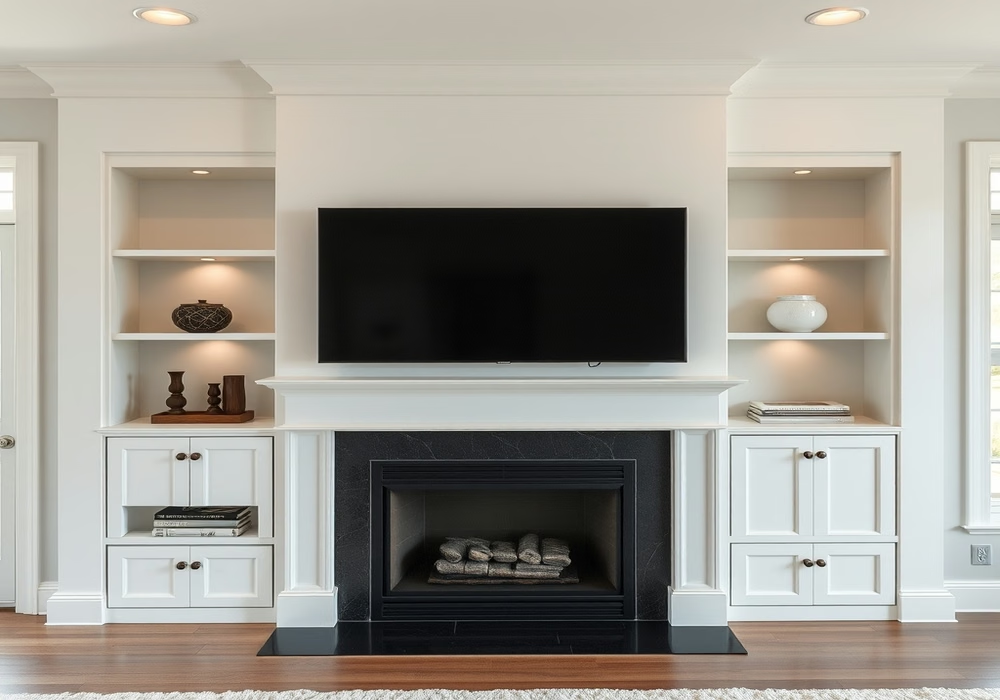
Add built‑in shelving on either side of the fireplace
Install shallow (10‑inch deep) open shelves made from painted MDF or plywood, spaced 14–16 inches apart vertically. Paint the shelves the same matte white as the wall for a seamless look, or choose a soft gray for subtle contrast.
Why it works: Symmetrical shelving frames the fireplace like a piece of artwork while providing storage for books, ceramics, or greenery—turning the hearth wall into a functional display area, a concept rooted in mid‑century modern built‑in cabinetry.
First-hand tip: Attach a thin strip of LED tape to the underside of each shelf (2700 K) to highlight displayed items without extra floor lamps; the warm glow adds depth without glare.
Actionable tip: Renters can use adjustable metal brackets that screw into the wall and support removable wood shelves, leaving minimal holes and allowing easy removal when you leave.
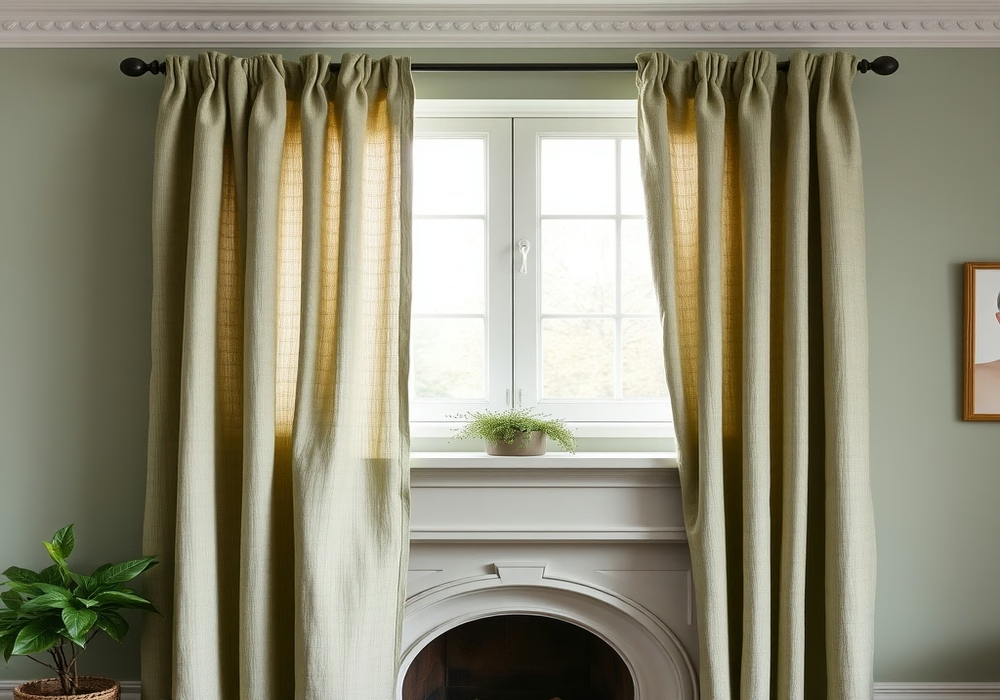
Hang a textured linen curtain in soft sage behind the fireplace
Choose a linen‑blend curtain in a muted sage (e.g., Farrow & Ball Green Smoke) and mount it on a simple rod a few inches above the mantel. Let the fabric drape to the floor or stop just above the hearth for a tailored look.
Why it works: Linen’s soft, natural texture breaks up hard surfaces of stone or metal, adding warmth that feels inviting. Sage is a versatile green that pairs with both warm terracotta and cool gray, acting as a neutral that doesn’t compete with the fireplace’s color.
First-hand tip: Use curtain rings with clips rather than a sewn pocket; this lets you adjust length quickly and makes cleaning easy—just unclip and toss the linen in a gentle wash cycle.
Actionable tip: In rooms with low ceilings, opt for a shorter panel that ends at the mantel line to maintain proportion without making the space feel cramped.
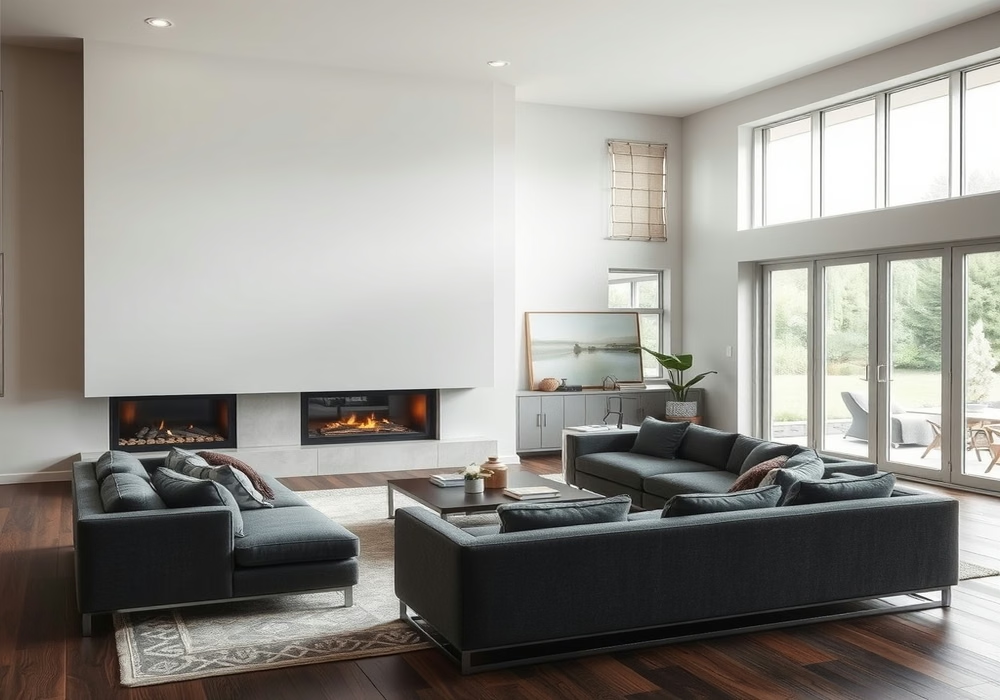
Place a low‑profile, charcoal‑gray modular sofa opposite the fire
Pick a low‑profile, charcoal‑gray modular sofa with a seat height around 16 inches and depth of 30–32 inches; modular pieces let you reconfigure the layout as needed. Upholster in performance‑grade polyester to hide wear while staying sophisticated.
Why it works: A low‑back sofa keeps sightlines open to the fireplace, preserving spaciousness. The dark hue anchors the seating area without absorbing too much light, and the modular design offers flexibility for entertaining or everyday lounging—a principle seen in contemporary Scandinavian living rooms.
First-hand tip: Add a slim console table behind the sofa to hold lamps and drinks; this keeps the floor clear and defines the conversation zone without blocking heat flow from the fireplace.
Actionable tip: If a new sofa isn’t feasible, slipcover your existing couch in tailored charcoal‑gray fabric; choose a washable version for easy maintenance.
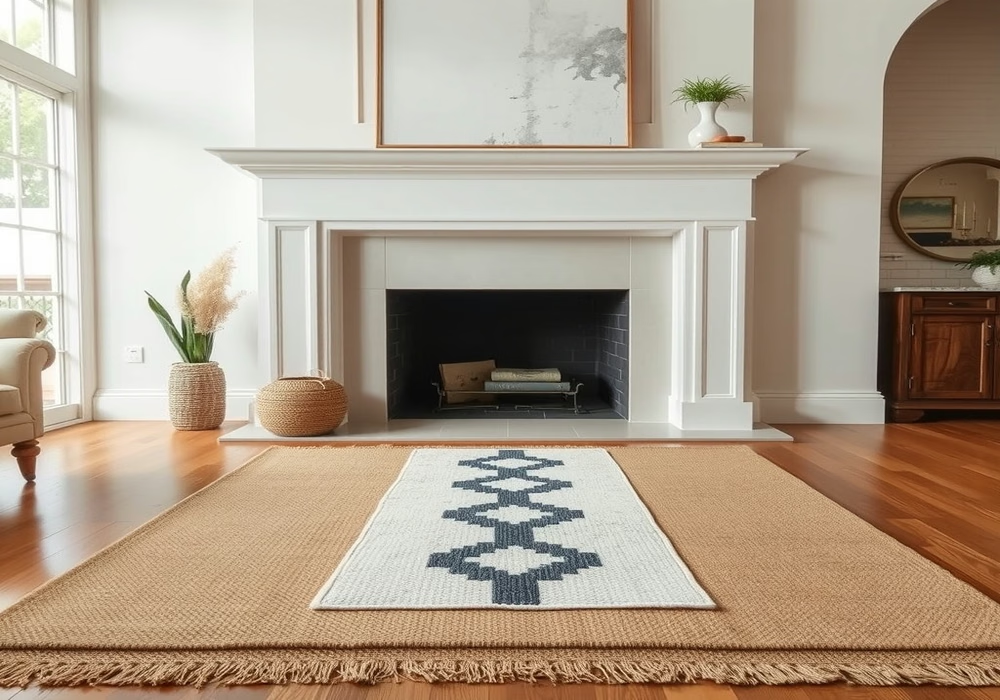
Layer a natural‑fiber rug with a patterned wool runner in front of the hearth
Start with a 5‑by‑8‑foot jute or sisal rug as the base; its neutral tan adds texture and durability. Then add a 2‑by‑4‑foot wool runner with a subtle geometric pattern (ivory and charcoal) centered over the firebox opening.
Why it works: Combining rough natural fiber with soft wool creates visual depth while protecting the floor from sparks. The runner defines the immediate hearth area, guiding foot traffic and adding a pop of pattern that feels curated rather than random—a layering technique used in boho‑chic and modern farmhouse interiors.
First-hand tip: Place a 1⁄4‑inch felt rug pad underneath both layers to prevent slipping and add cushioning; it also extends the life of the fibers on hardwood.
Actionable tip: For a budget option, substitute the wool runner with a flat‑weave cotton dhurrie in a similar pattern; it’s easier to clean and often costs less than half the price of wool.
Frequently Asked Questions
Q: How do I choose a paint color that won’t clash with my existing furniture?
A: Identify the dominant undertone in your largest piece—warm (yellow/red) or cool (blue/gray). Pick a fireplace hue with the same undertone; for example, warm terracotta pairs well with walnut tones, while cool gray complements white oak or painted white furniture.
Q: Can I achieve a modern look without replacing the mantel?
A: Yes. A fresh coat of paint, a black steel trim, or a marble tile surround can update the fireplace while keeping the original mantel. If the mantel is overly ornate, paint it matte black or white to let it recede into the background.
Q: What’s the safest way to add décor above the fireplace without blocking heat?
A: Keep items at least 6 inches above the opening and avoid placing flammable materials directly over the firebox. Lean art, mirrors, or shallow shelves work well because they allow air to circulate and prevent heat buildup.
Pick one idea that fits your budget and skill level—whether it’s a fresh coat of terracotta paint or a simple linen curtain—and start there. Small, thoughtful changes add up quickly, turning your fireplace into a polished centerpiece that feels both modern and inviting.
Leave a Reply