
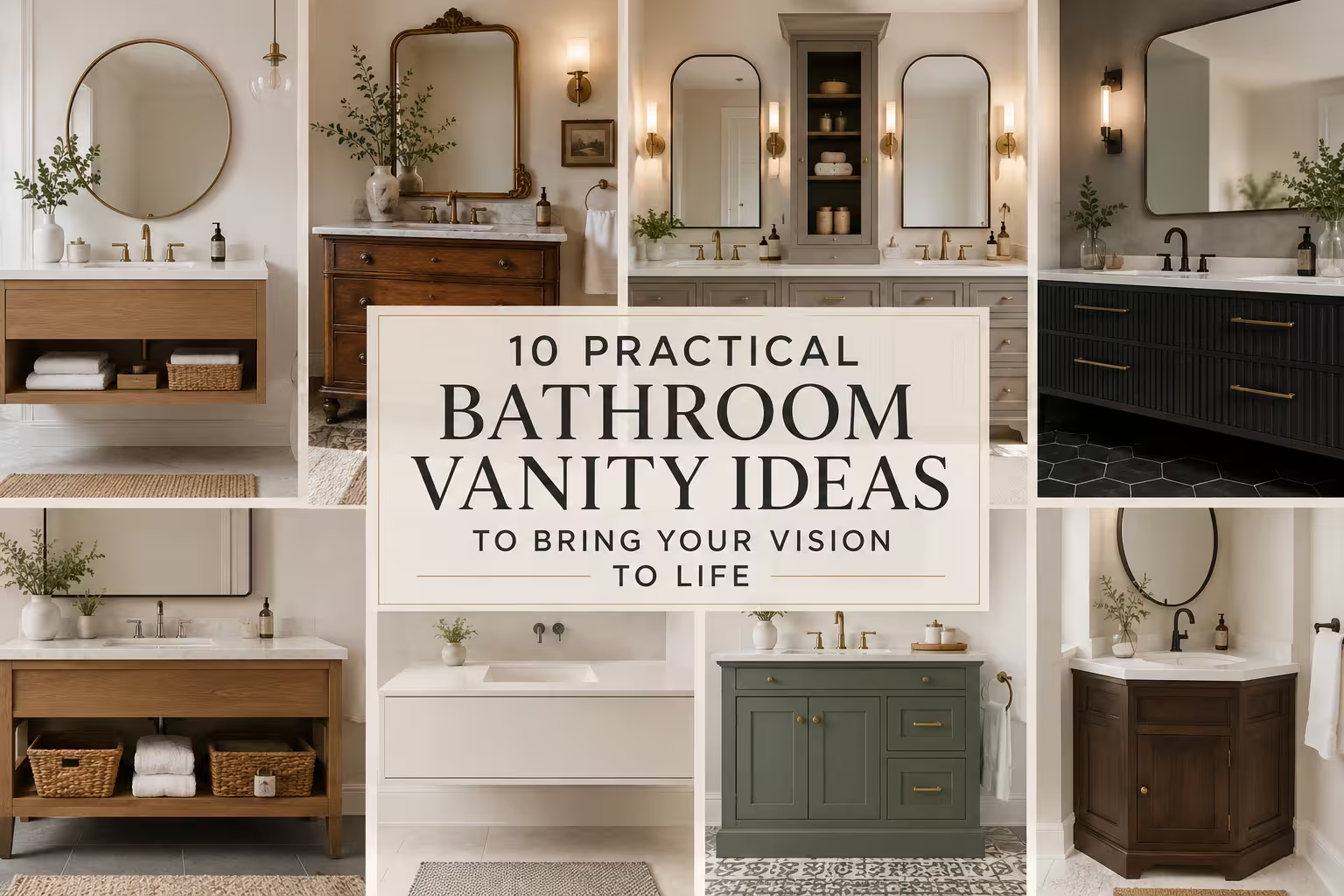
10 Practical Bathroom Vanity Ideas to Bring Your Vision to Life
Choosing a bathroom vanity isn’t just about picking a pretty cabinet; it dictates your daily routine, storage capacity, and overall spatial flow. Whether you are tackling a full gut renovation or looking for a weekend cosmetic upgrade, the right vanity anchors the entire room. At Furnish Luxe, we have tested countless configurations in real homes, from cramped powder rooms to sprawling primary suites. Here are eight practical, stylish bathroom vanity ideas designed to solve real spatial challenges and bring your design vision to life.
If you’re looking to take your bathroom design a step further, explore our guide to 10 Sophisticated Luxury Bathroom Ideas for a Polished Interior for more inspiration on creating an elegant, high-end space.
Floating Oak Vanities for Small Bathrooms
Wall-mounted, light-oak vanities are a game-changer when you are working with limited square footage. By exposing the floor underneath, your eye travels all the way back to the wall, making a tight space feel twice as large. In my own 5×8 guest bath renovation, swapping a bulky floor-standing cabinet for a 30-inch floating white oak model instantly transformed a cramped layout into an airy oasis. Pair yours with brushed brass hardware and a simple round mirror to balance the organic wood grain.
Pro Tip: Ensure your contractor reinforces the wall studs properly before hanging a heavy stone countertop, as drywall alone will not support the weight.
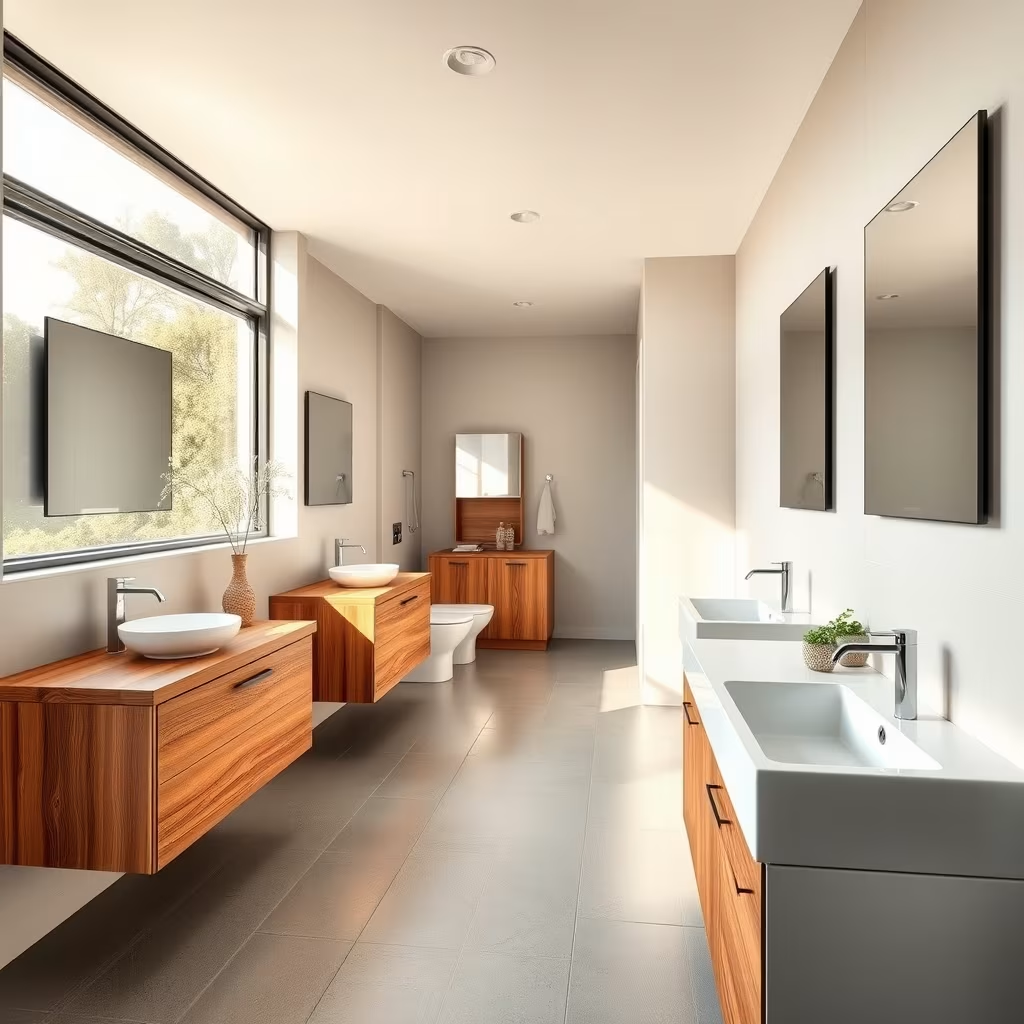
Vintage Dresser Conversions for Character
If cookie-cutter builder-grade vanities leave you uninspired, converting an antique dresser into a bathroom vanity adds instant soul and custom charm. Look for solid wood dressers with deep drawers that can be easily modified around plumbing pipes using a jigsaw. When I sourced a 1920s walnut buffet for a client project, we sealed the top with marine-grade polyurethane to protect the wood from daily water splashes. It became the undisputed focal point of the powder room.
Pro Tip: Always double-check the height before buying an antique; standard dressers sit around 30 inches tall, whereas modern comfort-height vanities sit closer to 34 or 36 inches.
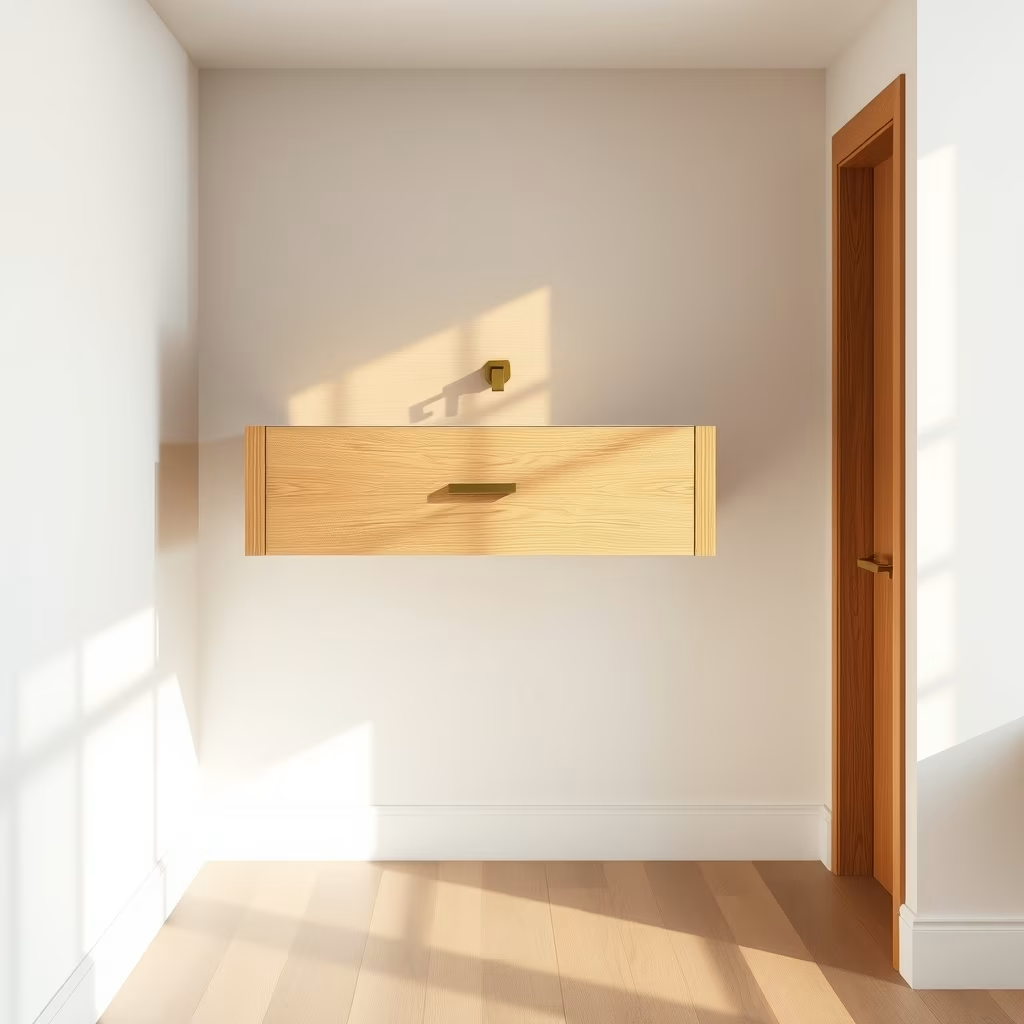
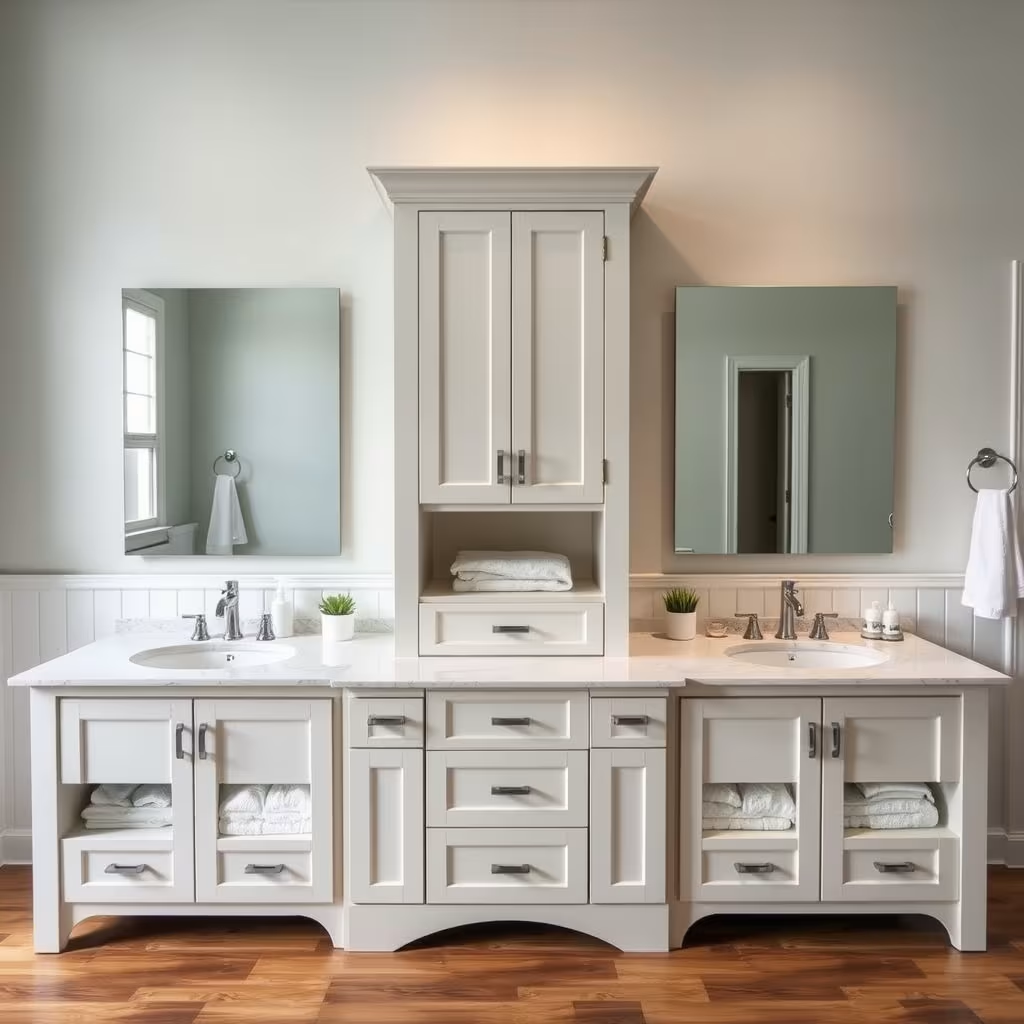
Double Sinks With Shared Tower Storage
In busy primary bathrooms shared by two people, the classic double sink setup often results in a chaotic countertop littered with toothbrushes and skincare bottles. To solve this, install a double vanity featuring a central linen tower cabinet sitting directly on the counter. This clever layout divides the washing space while carving out dedicated vertical storage for towels and daily essentials. It keeps countertops blissfully clear and eliminates morning elbow-bumping.
Pro Tip: Opt for vertical rollout drawers rather than standard cabinet doors beneath each sink to make accessing cleaning supplies effortless.
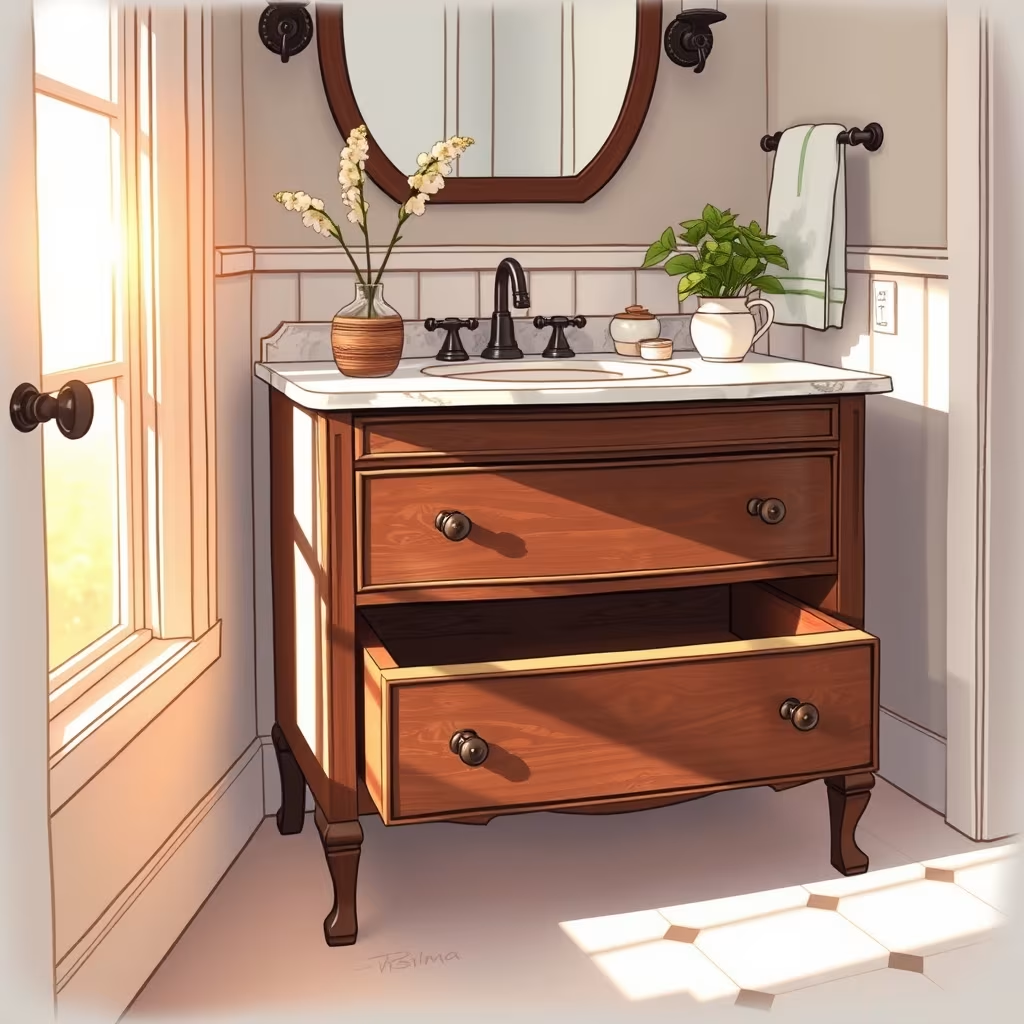
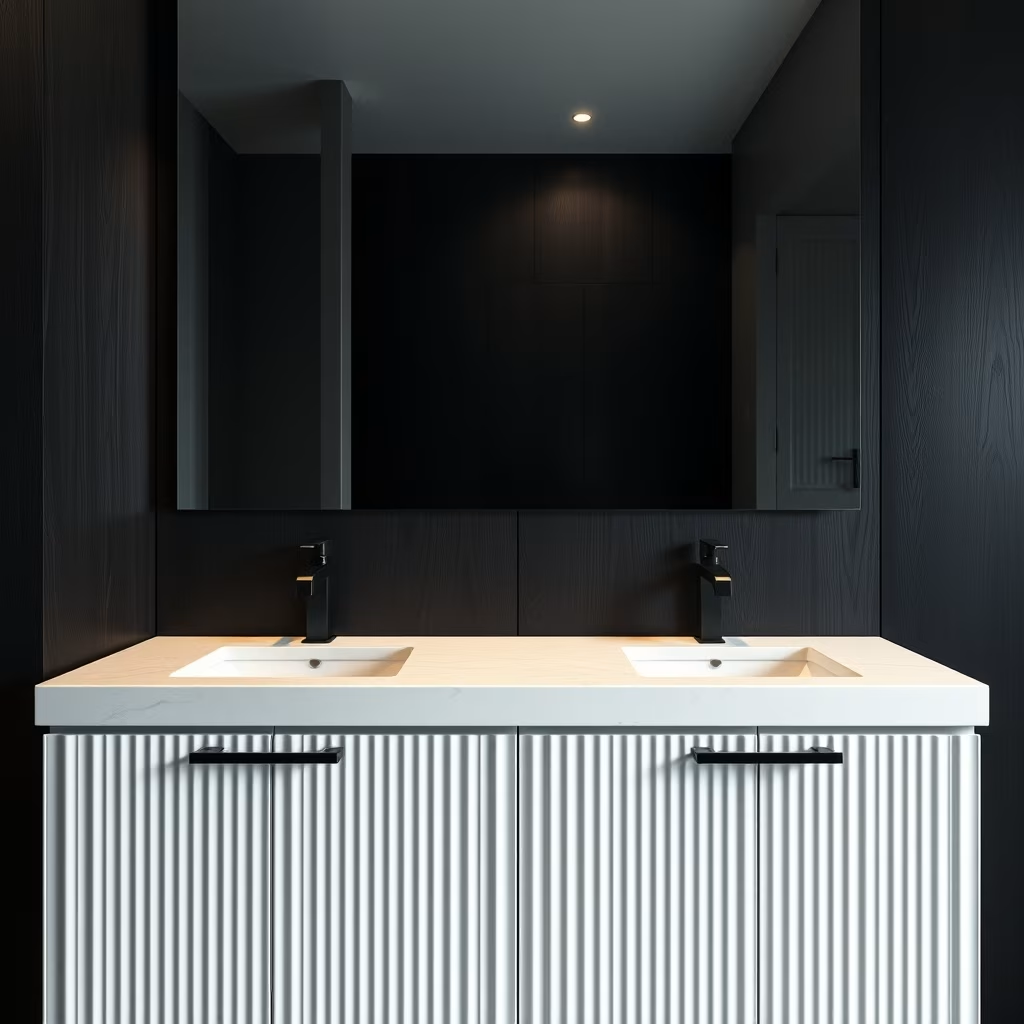
Moody Matte Black and Fluted Wood Finishes
For a sophisticated, high-end look without a custom price tag, fluted wood panels painted in a deep charcoal or matte black make a dramatic statement. Fluting adds rich texture and catches ambient lighting in ways flat cabinet doors simply cannot. When paired with a contrasting white quartz countertop and minimalist matte black faucets, this style leans into a moody, contemporary aesthetic that hides everyday dust surprisingly well.
Pro Tip: Avoid overly complex fluted patterns if your bathroom lacks natural light, as they can sometimes cast heavy shadows and darken a windowless space.
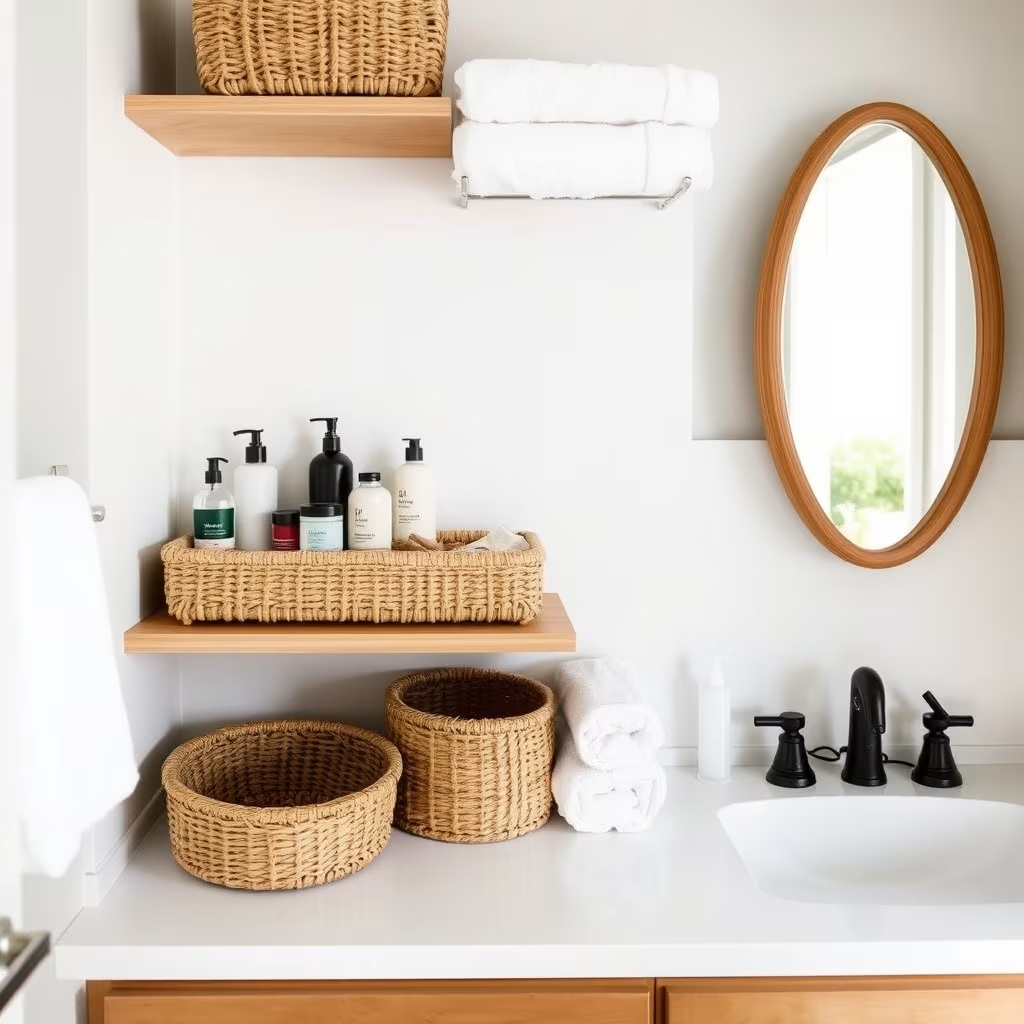
Open Shelf Vanities for Basket Organization
Open-shelf vanities offer a relaxed, resort-like vibe that makes a bathroom feel breathable and open. The secret to making this work without looking messy is utilizing matching woven seagrass or wire baskets to corral toilet paper, extra soaps, and hairdryers. In my master bath trial, I loved how easy it was to grab a fresh towel, but I quickly learned that you must commit to tidying the lower shelves regularly.
Pro Tip: Keep items you use daily in the top drawer and reserve the open lower shelves strictly for cohesive, uniform storage baskets.
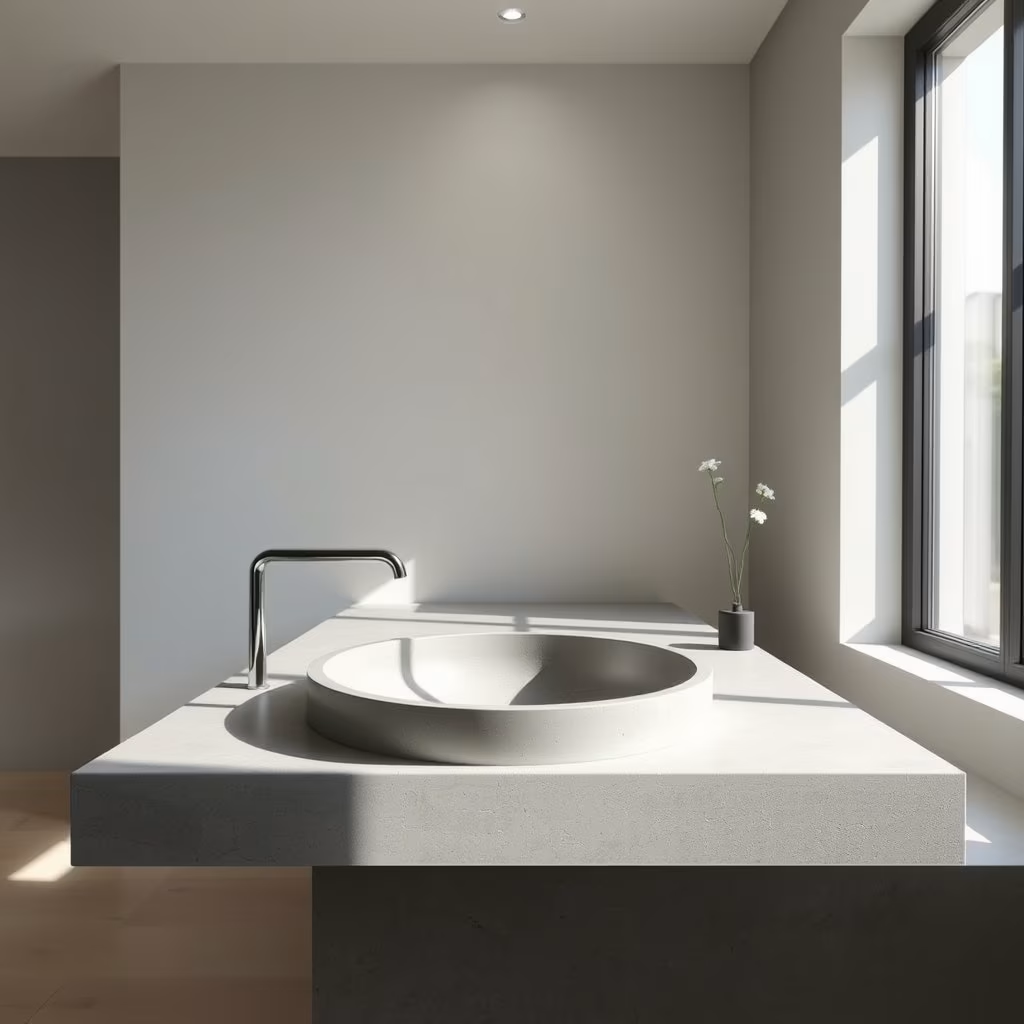
Sleek Integrated Sinks for Minimalist Spaces
Integrated sink countertops—where the basin and counter are molded from a single piece of solid surface material like acrylic resin or concrete—offer the ultimate clean look. Without a visible rim or grout line, wiping down the counter takes seconds. This style is the gold standard for modern minimalist or Scandinavian-inspired bathrooms where simplicity and ease of maintenance reign supreme.
Pro Tip: Be careful with harsh chemical drain cleaners on integrated acrylic sinks, as extreme heat or abrasive formulas can dull the seamless finish over time.
Custom-Colored Statement Vanities
If your bathroom relies on neutral tile and simple white walls, a brightly colored vanity acts as the hero piece of the room. Think sage green, dusty navy, or rich terracotta paired with unlacquered brass hardware that develops a natural patina over time. During a recent powder room update, we painted a basic shaker-style vanity in a muted olive green, and it instantly elevated an otherwise builder-basic space into something truly bespoke.
Pro Tip: Always request a physical color swatch from the manufacturer or bring a paint chip home, as bathroom fluorescent or warm LED lighting can drastically alter how a color reads.
Corner Vanities for Awkward Layouts
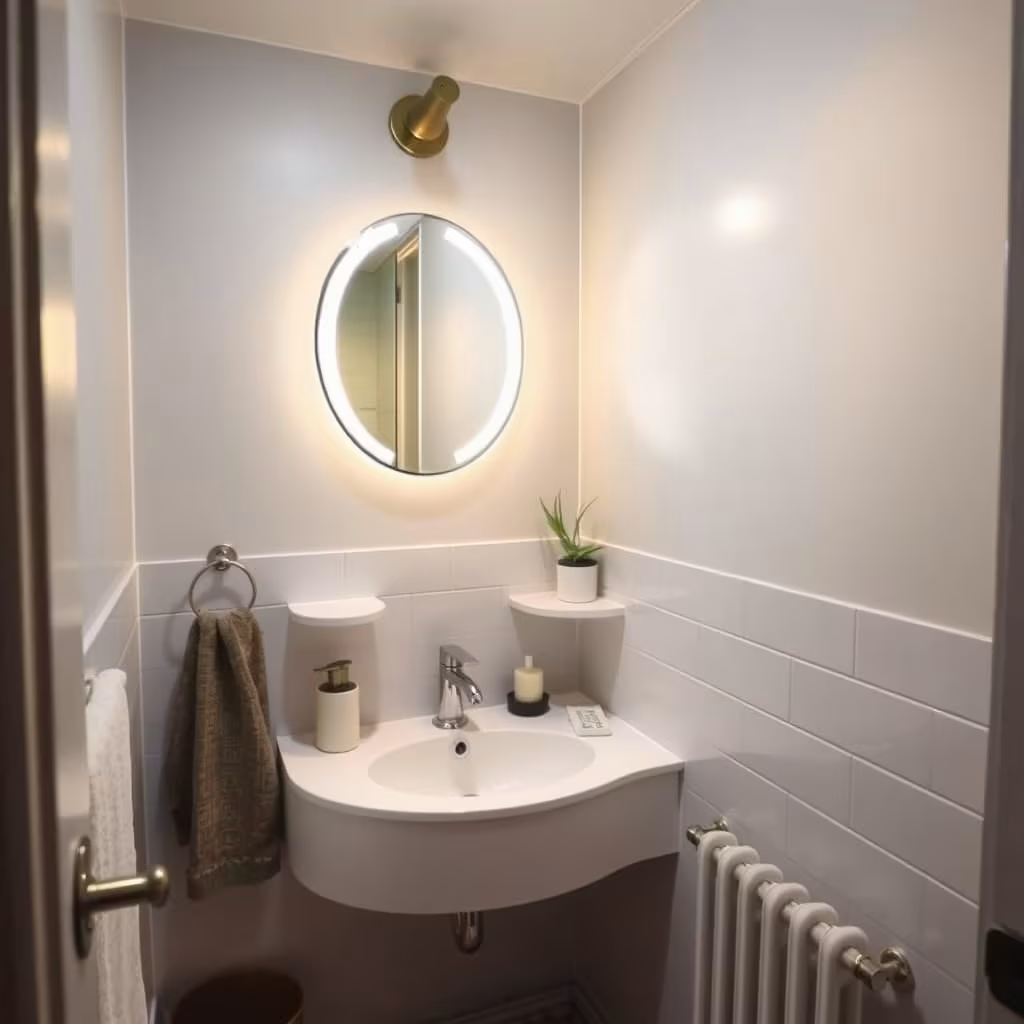
Awkwardly shaped bathrooms often leave dead corners that standard rectangular vanities cannot fit. Triangular or curved corner vanities are specialized problem-solvers designed to maximize unused square footage while maintaining a comfortable walkway. While storage space is admittedly reduced compared to a 48-inch double vanity, a corner sink is often the only way to make a tiny half-bath functional.
Pro Tip: Pair a corner vanity with a pivoting wall-mounted mirror rather than a fixed frame to ensure you get the best viewing angles in a tight corner layout.
Frequently Asked Questions
Q: What is the standard height for a bathroom vanity?
A: Traditional vanities were built around 30 to 32 inches high, but modern “comfort-height” vanities typically sit between 34 and 36 inches to reduce bending and strain.
Q: Are quartz countertops better than marble for a vanity?
A: Yes, for most households. Quartz is non-porous, highly stain-resistant, and requires zero sealing, whereas marble is soft and prone to etching from acidic products like toothpaste and skincare acids.
Q: Can I install a wall-mounted vanity on drywall alone?
A: No. Floating vanities require solid wood blocking installed between your wall studs to safely support the immense weight of the cabinet, countertop, and sinks.
Selecting the right bathroom vanity comes down to balancing your storage needs, spatial layout, and personal aesthetic. Take accurate measurements, consider your daily habits, and choose materials that stand up to moisture. With the right piece in place, your bathroom will function better and look beautifully pulled together for years to come.
Leave a Reply