
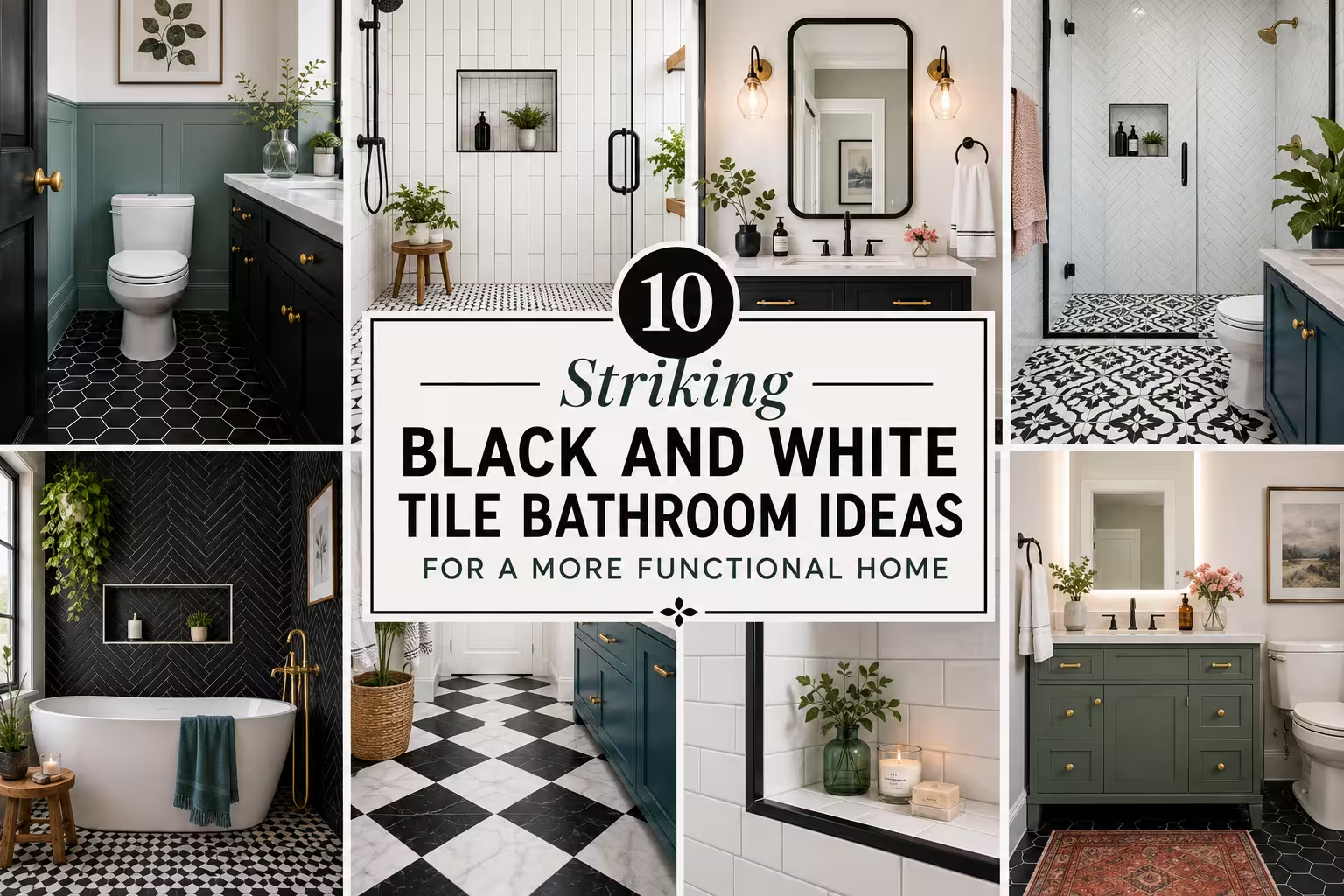
10 Striking Black and White Tile Bathroom Ideas for a More Functional Home
Redecorating a bathroom on a budget often leads homeowners straight to classic black and white tile. This high-contrast pairing has stayed popular for over a century because it handles heavy daily use while looking intentionally designed. Whether you are working with a cramped guest powder room or tackling a full family bathroom renovation, black and white ceramics offer unmatched versatility. At Furnish Luxe, we love designing with this palette because it bridges modern minimalism and timeless traditional style effortlessly. Here is how to use black and white tile to make your bathroom look striking and function better every single day.
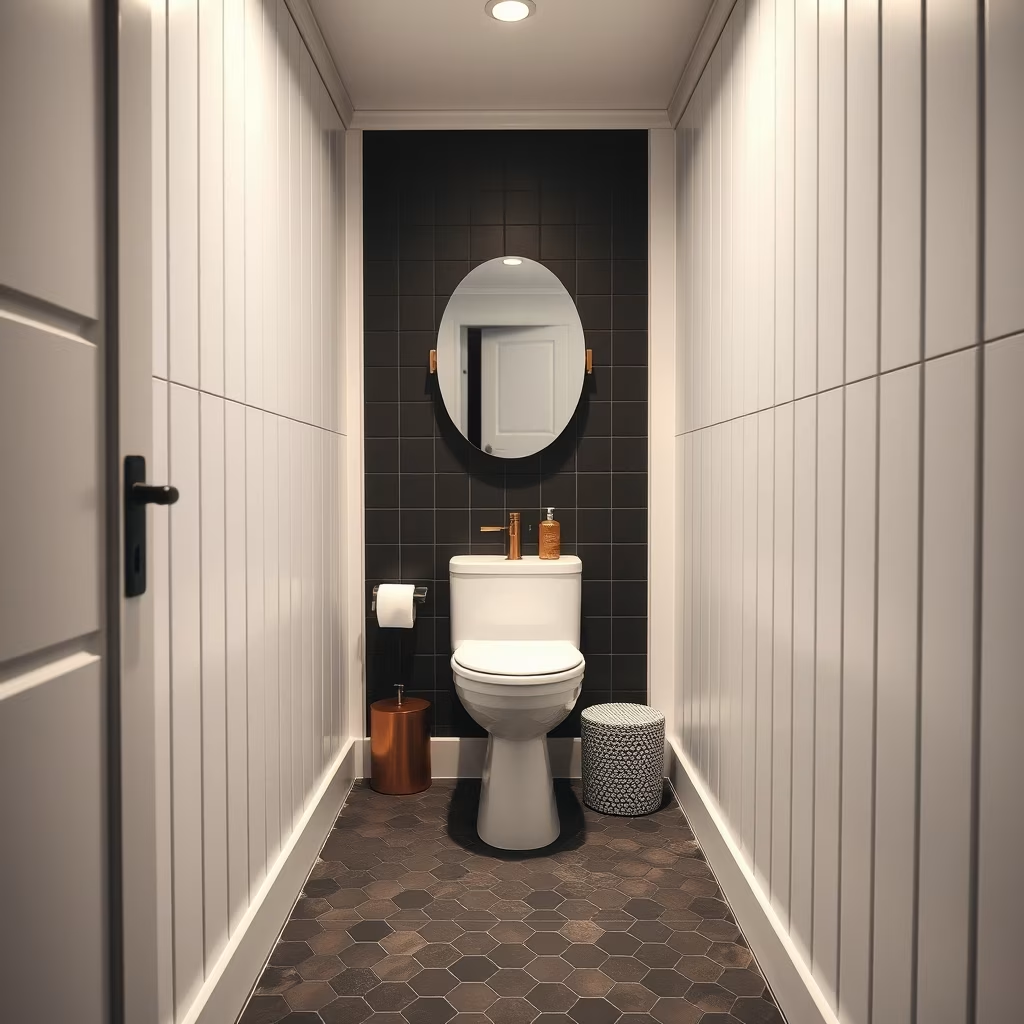
Grounding a Compact Powder Room with Matte Black Hexagon Floor Tiles
Small spaces need graphic anchors to trick the eye into seeing more square footage than is actually there. When I renovated a tiny five-by-six-foot powder room last fall, I used two-inch matte black hexagon floor tiles with matching dark grout. The dark floor absorbs shadows and creates a moody, intentional foundation that makes white walls pop. Because matte finishes have a slight grip, they are also far less slippery than glossy alternatives when your feet are wet. For the best result, pair these dark floors with crisp white board-and-batten wall paneling to keep the upper half of the room feeling airy and open.
For more inspiration, explore our guide to 10 Clever Japandi Bathroom Ideas to Inspire Your Decor for a calm, minimalist approach to bathroom design.
Practical Tip: Always specify epoxy grout for bathroom floors; it resists moisture and staining much better than standard cement grout, saving you hours of scrubbing.
Adding Traditional Character with Timeless Penny Round Shower Floors
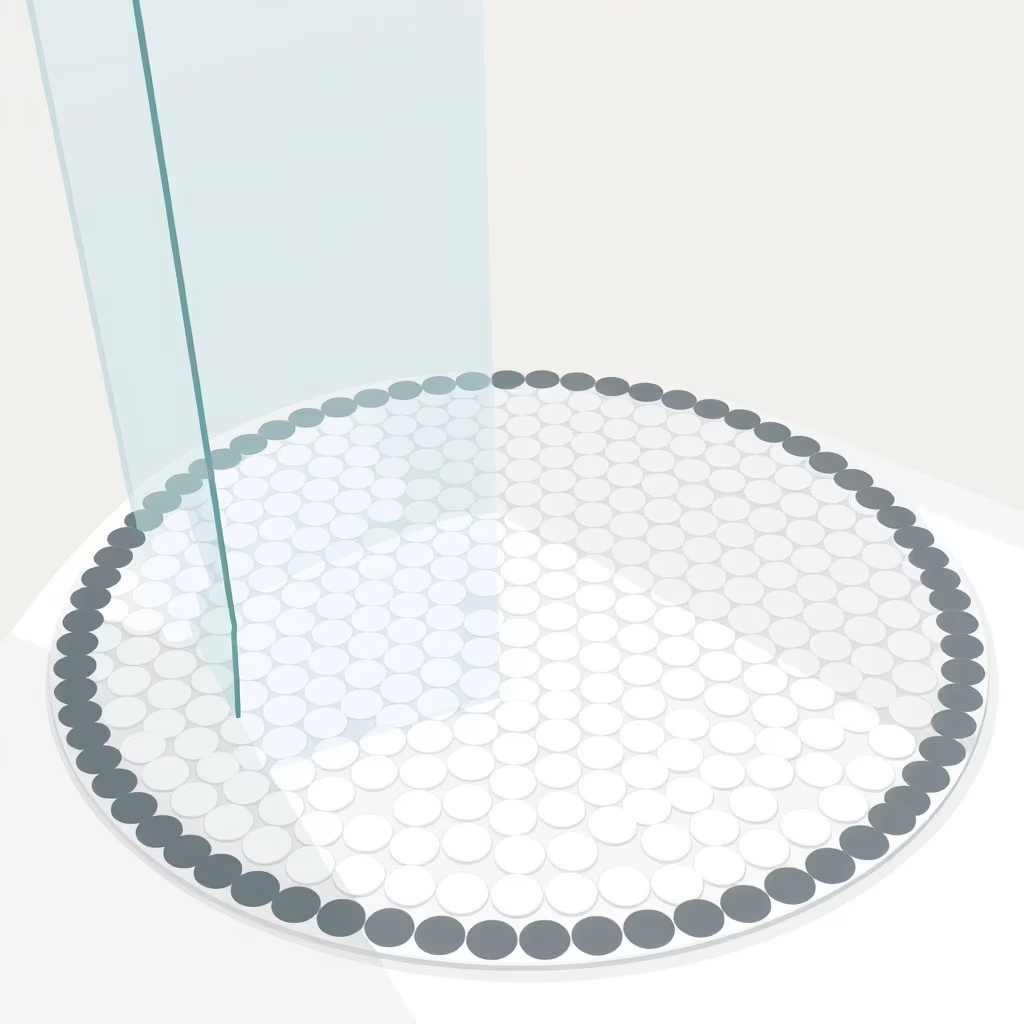
Penny round tiles bring subtle texture and vintage charm to wet zones without overwhelming the visual space. In shower stalls, the high density of grout lines creates natural traction, making them one of the safest flooring choices for kids and older adults. I often recommend pairing white penny rounds with dark charcoal grout to instantly hide everyday soap residue and hard water stains. This simple trick cuts your deep-cleaning routine in half while maintaining a crisp, clean aesthetic. If you want a modern twist, look for sheets that feature a random scatter of black tiles within the white background.
Practical Tip: Make sure your tile setter uses pre-mixed sheets with consistent spacing; uneven mesh sheets are the number one cause of wonky lines in DIY penny tile installations.
Making Small Spaces Feel Larger Using Vertical White Subway Tile Walls
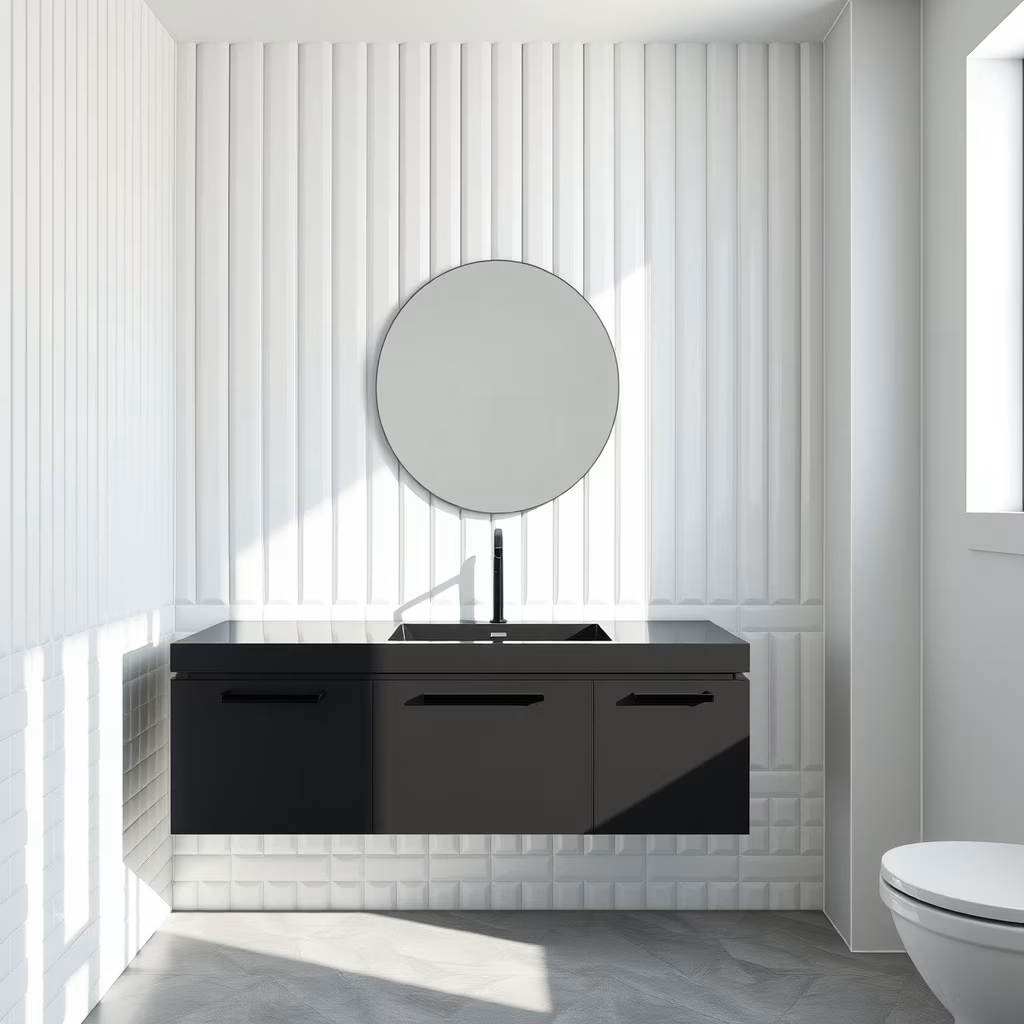
If your bathroom feels dark and cramped, standard horizontal brick patterns can sometimes feel a bit dated or boxy. Stacking your white subway tiles vertically instead draws the eye upward, instantly making low eight-foot ceilings feel significantly taller. To keep the look from feeling too clinical like a hospital, choose a slightly bevel-edged tile that catches natural morning light. Pair these bright walls with a stark black floating vanity to ground the lower third of the room. This layout maximizes visual height while giving you smart, off-the-floor storage underneath.
Practical Tip: Renters or budget-conscious renovators can achieve this exact look using peel-and-stick vinyl tile backsplash panels in wet-safe areas.
Creating Instant Drama with Bold Geometric Floor Patterns
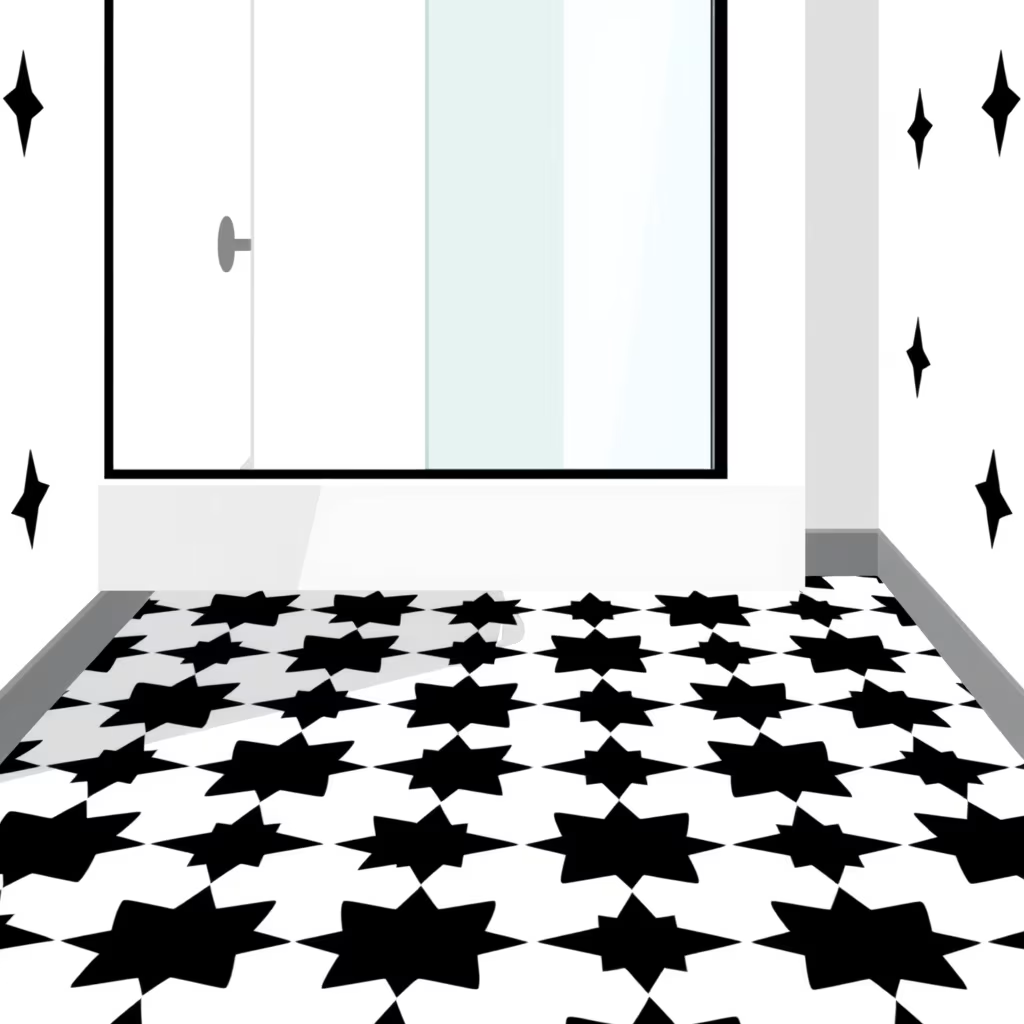
Geometric cement or porcelain tiles featuring large-scale black and white stars or Moroccan motifs can transform a plain bathroom instantly. When I style spaces with bold patterned floors, I always keep the rest of the room remarkably simple to avoid visual clutter. Use plain white ceramic tiles on the shower walls and a frameless glass door so the statement floor remains the undeniable star of the room. This design strategy works exceptionally well in guest bathrooms where you want to take a daring design risk that you might hesitate to put in your primary master suite.
Practical Tip: Buy ten percent extra tile instead of the standard five percent; geometric patterns require extensive cuts around toilets and vanities, leading to more waste.
Defining Wet Zones Elegantly with Sophisticated Black Herringbone
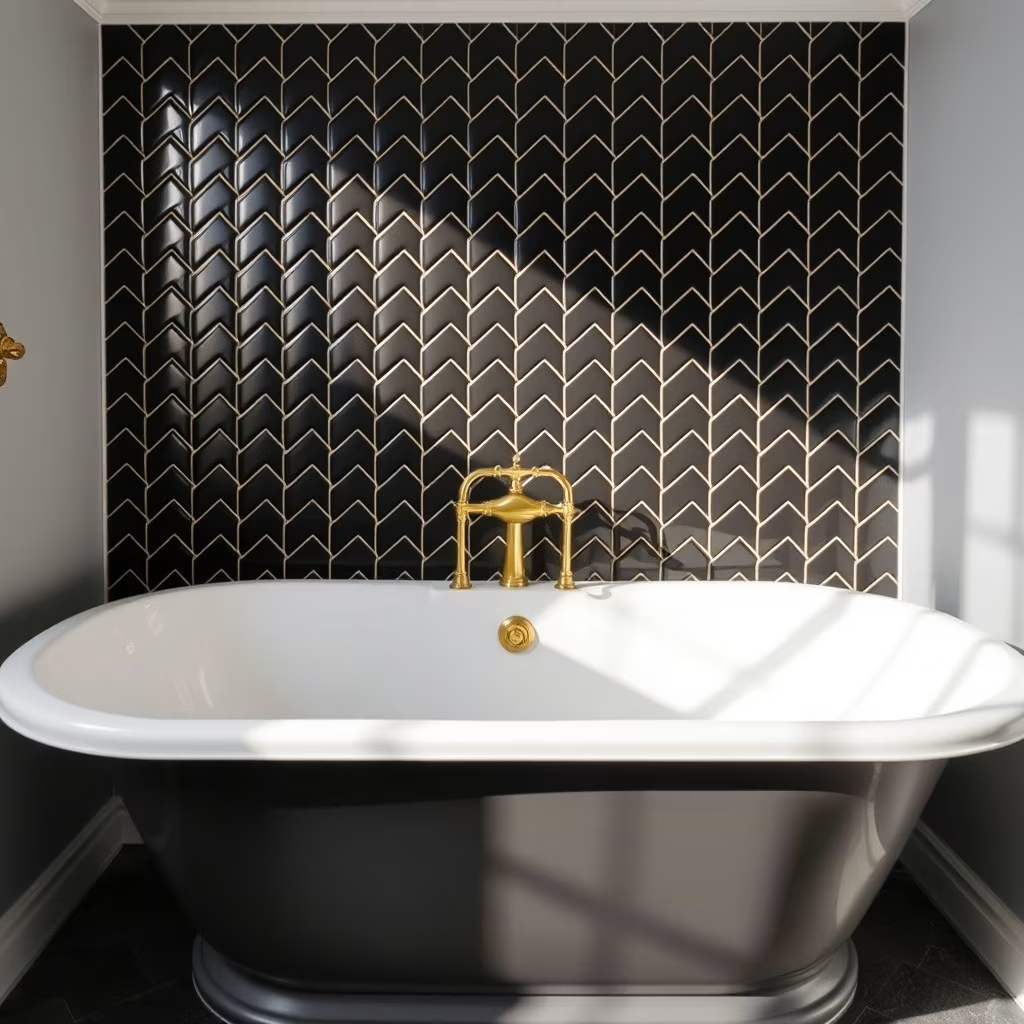
Installing a black herringbone tile pattern inside a walk-in shower or behind a freestanding soaking tub adds immediate luxury and movement. The zig-zag lines guide the eye fluidly across the room, breaking up the monotony of flat walls. Because black tile shows dust and dried water spots quickly, reserve this high-impact pattern for vertical surfaces rather than high-traffic floors. Pair the dark herringbone backdrop with warm unlacquered brass plumbing fixtures to soften the stark contrast between the black and white elements.
Practical Tip: Seal natural stone or porous black ceramic tiles before grouting to prevent dark pigment from staining the tile edges permanently.
Maximizing Functionality with Classic Black and White Checkerboard
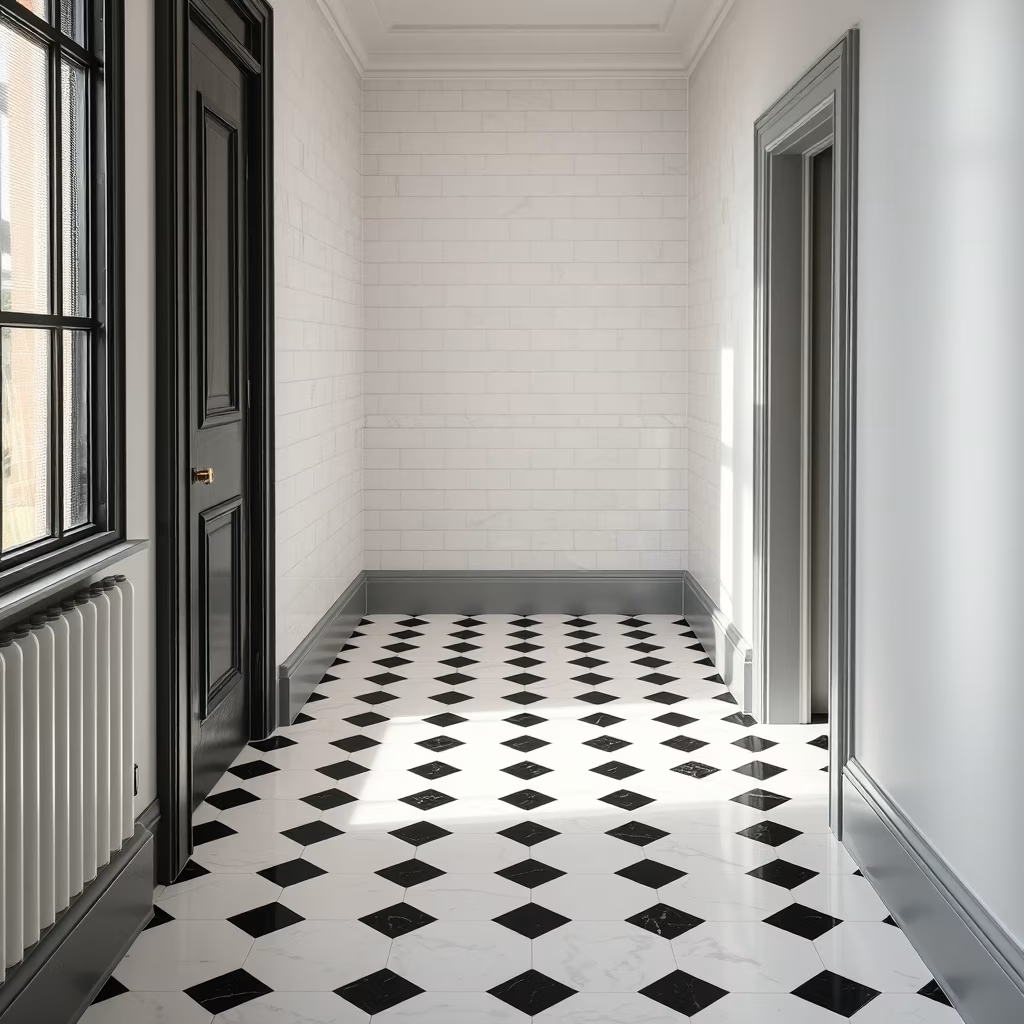
The traditional checkerboard floor is a hallmark of Victorian and mid-century design that refuses to go out of style. Beyond its aesthetic appeal, a twelve-inch checkerboard tile layout actually makes narrow rectangular bathrooms look wider by visually stretching the room sideways. In my own home renovation, I chose a honed marble checkerboard that patinas gracefully over time rather than high-gloss ceramic. This finish handles heavy family traffic gracefully and resists showing every single speck of lint or dust.
Practical Tip: Avoid tiny checkerboards in large bathrooms, as they can cause visual dizziness; stick to twelve-inch squares for rooms over fifty square feet.
Highlighting Architectural Details with Black Schluter Trim and Accents
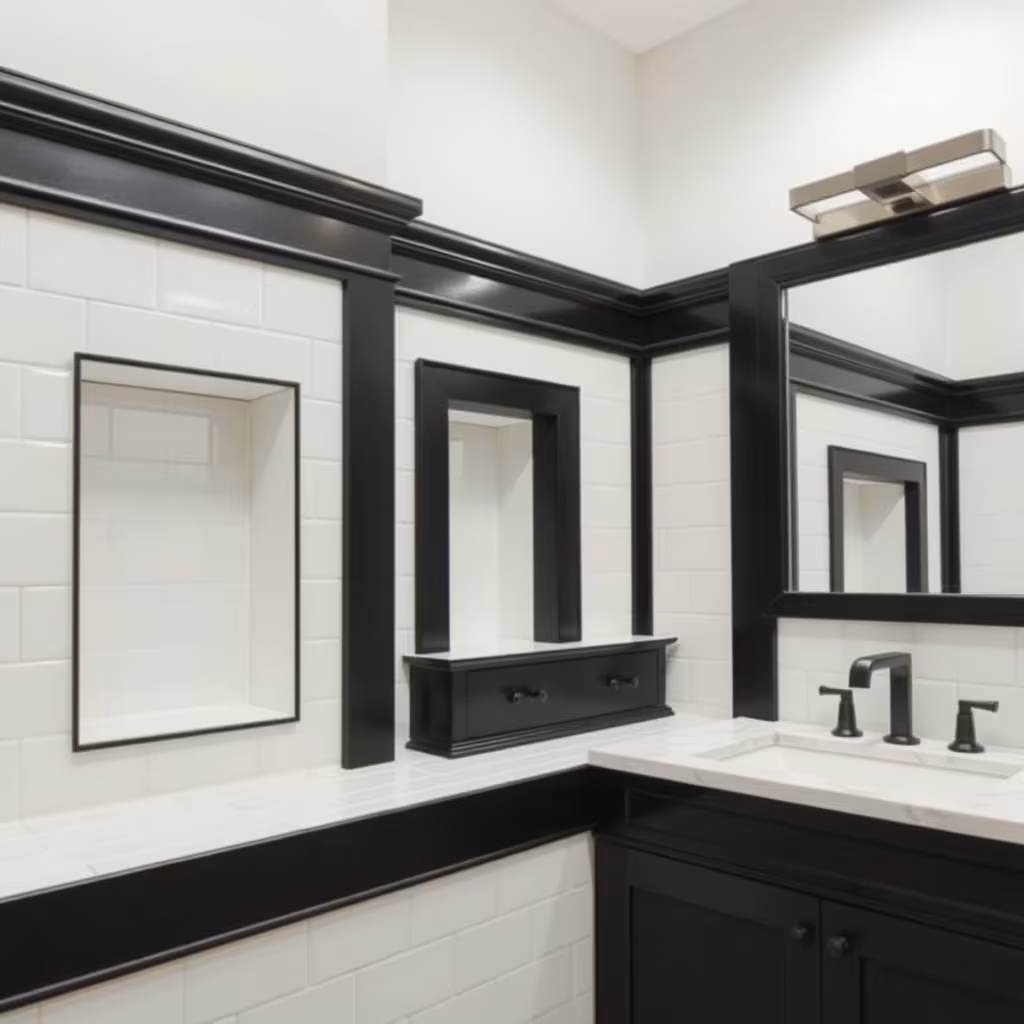
Details matter immensely when working with a strict black and white color scheme to prevent the space from feeling flat. Using sleek black Schluter metal edge trim around white tile niches and shower ledges creates clean, modern framing. This approach eliminates clumsy plastic corner pieces and gives your DIY or contractor-led project a custom, high-end finish. Combine this black hardware detailing with matte black drawer pulls and a matching mirror frame for a cohesive, well-edited design scheme.
Practical Tip: Match the finish of your tile trim to your cabinet hardware—mixing matte black and oil-rubbed bronze in a small room creates unnecessary visual confusion.
Balancing Light and Shadow in Windowless Bathrooms
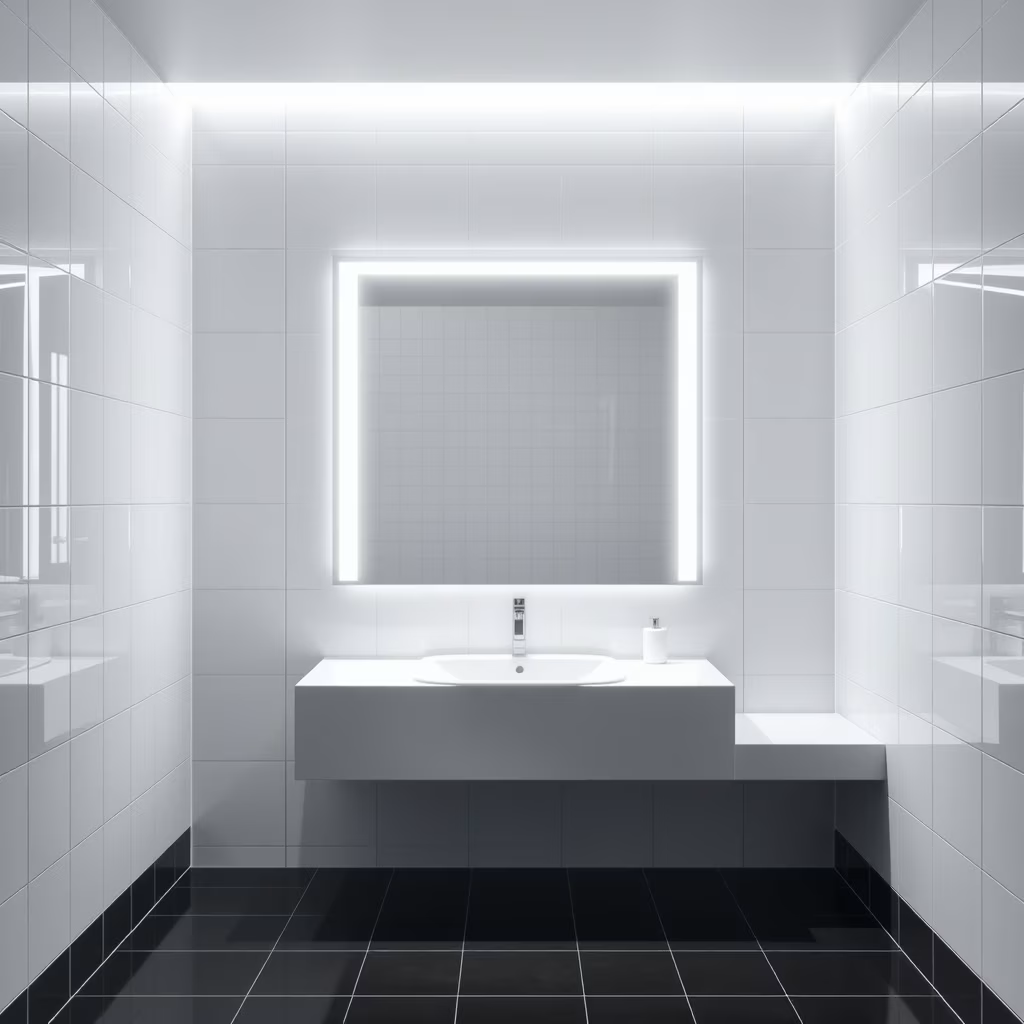
Windowless bathrooms are notoriously difficult to design because they lack natural sunlight to bounce off white surfaces. To solve this, design a seventy-thirty split: seventy percent reflective white tiles on the walls, and thirty percent matte black accents on the floor and fixtures. The white surfaces maximize whatever artificial light your vanity sconces throw, while the black elements keep the room feeling grounded and cozy rather than sterile. Adding a large backlit LED mirror completes the functional puzzle by providing flattering, shadow-free illumination.
Practical Tip: Choose warm white LED bulbs (around 2700K) for your bathroom vanity; cool daylight bulbs will make stark white tile feel freezing and unwelcoming.
Frequently Asked Questions
Q: Do black and white tile bathrooms look outdated quickly?
A: Not at all. Black and white is a foundational design pairing that has remained popular for over a century. Sticking to classic geometric shapes, subway layouts, or traditional checkerboards ensures your bathroom stays stylish for decades.
Q: Are black bathroom floor tiles hard to keep clean?
A: High-gloss black tiles show water spots, soap scum, and dust very easily. However, choosing matte finishes, textured surfaces, or patterned designs will dramatically reduce how often you need to clean.
Q: Can I use large-format tiles in a small bathroom?
A: Yes! Large-format white tiles mean fewer grout lines, which actually tricks the eye into thinking walls are wider and continuous. They also make cleaning significantly faster since there is less grout to scrub.
Designing a functional bathroom with black and white tile comes down to balancing contrast, texture, and lighting. By choosing the right tile patterns and finishes for your specific room size, you can create a space that looks stunning and works hard for your daily routine. Start with one striking element—like a patterned floor or a herringbone shower wall—and build your finishes around it for a timeless result.
Leave a Reply