
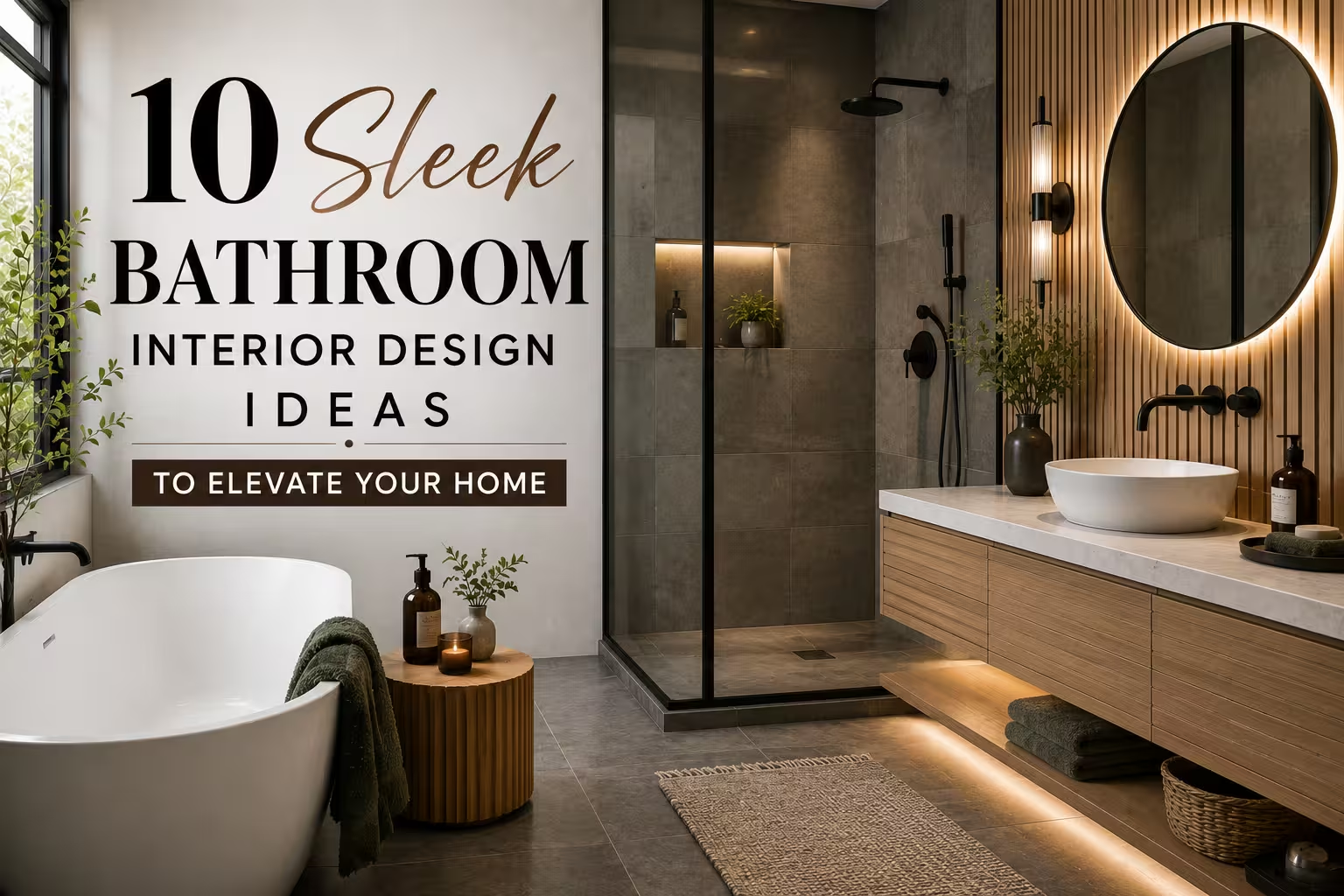
10 Sleek Bathroom Interior Design Ideas to Elevate Your Home
Most bathrooms get overlooked during home renovations, but upgrading yours is one of the easiest ways to make your entire living space feel high-end. Whether you are dealing with a cramped powder room or a builder-grade master ensuite, a sleek design focuses on clean lines, intentional materials, and smart storage. In this guide, you will get practical, designer-approved strategies to transform your bathroom into a luxury retreat without wasting money on trends that won’t last.
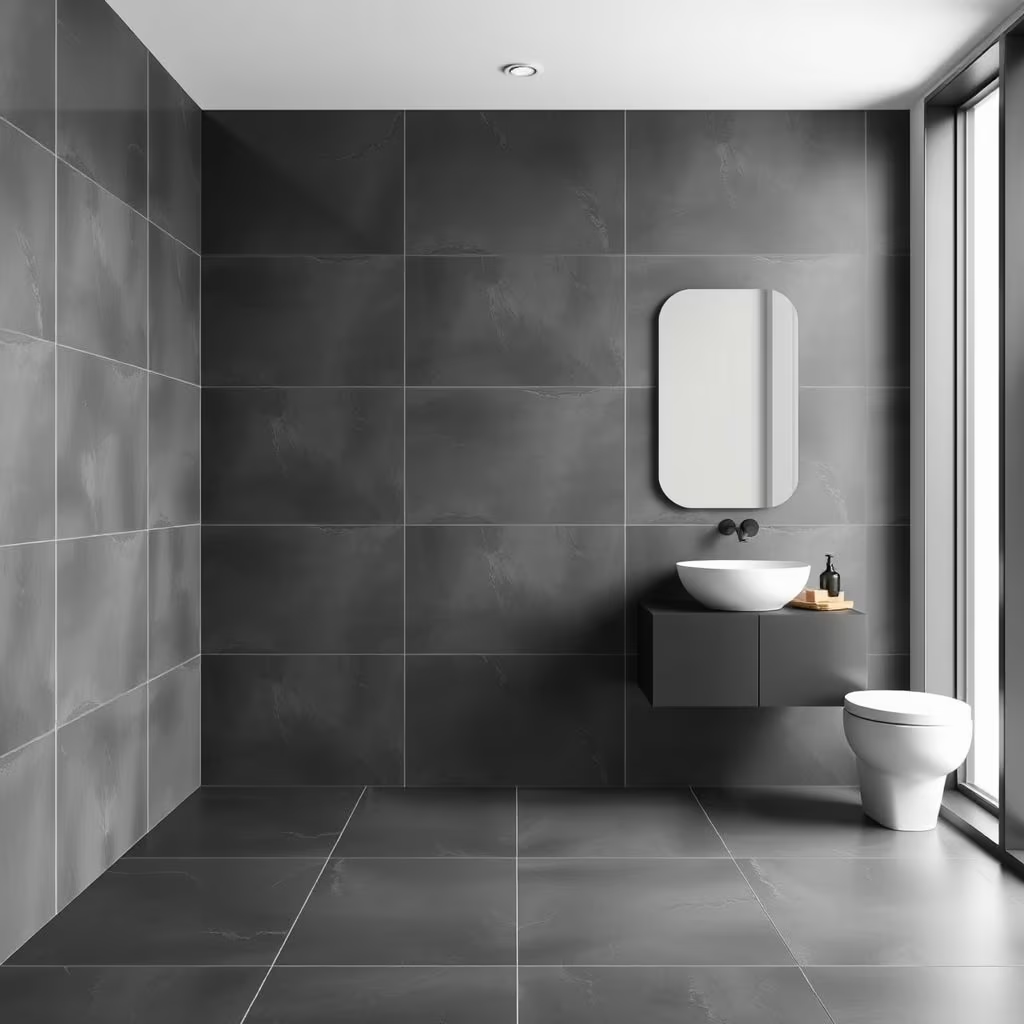
Choose Large-Format Porcelain Tiles to Minimize Grout Lines
One of the quickest ways to make a small bathroom look custom and expensive is swapping out tiny mosaic tiles for large-format porcelain slabs measuring 24×24 inches or larger. Fewer grout lines mean less visual clutter, which tricks the eye into seeing a much larger, more seamless space. In my own primary bathroom renovation, switching to matte charcoal large-format tiles instantly made the floor feel more expensive and cut my weekly cleaning time in half.
Porcelain is superior to natural stone here because it is water-resistant, durable, and won’t stain from dropped hair dye or harsh cleaners. If you are renovating on a budget, use these large tiles on the shower walls and keep standard tiles on the floor to save on labor costs. Avoid ultra-glossy finishes if you have kids or poor lighting, as they can become dangerously slick when wet; always look for a slip-resistant matte rating.
For more timeless inspiration, explore our guide to 10 Striking Black and White Tile Bathroom Ideas for a More Functional Home.
Design Tip: Match your grout color as closely as possible to your tile shade to create that seamless, hotel-like wet-room effect.
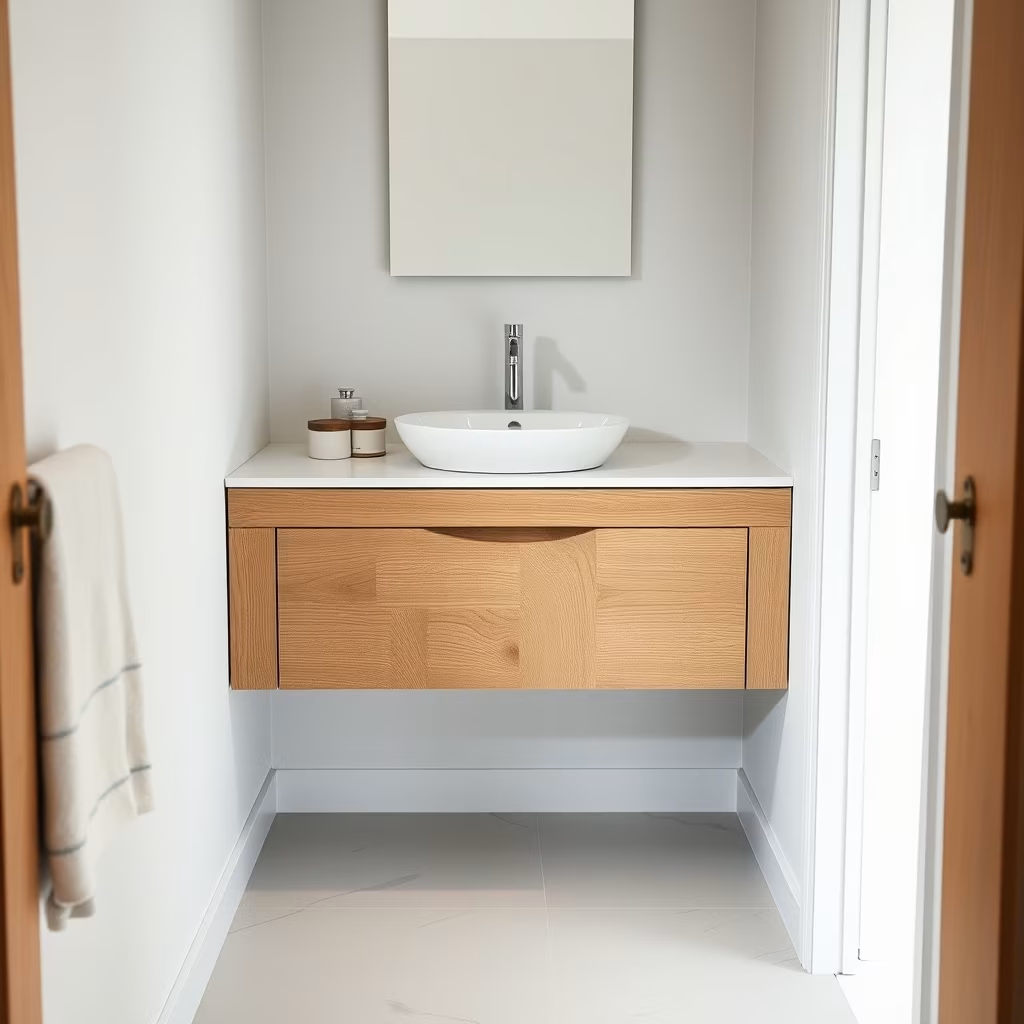
Install Wall-Hung Vanities to Maximize Floor Space
Floating or wall-mounted vanities are a non-negotiable for modern, sleek bathrooms because they expose the floor underneath. This single design choice creates an illusion of square footage by allowing light to travel uninterrupted across the room. When I staged a rental property with a tiny 5×7 bathroom, adding a floating oak vanity made the room feel double its actual size because tenants could see right under it.
You can pair a wall-hung vanity with a quartz countertop and an integrated sink for a streamlined, minimalist profile. Just remember that plumbing needs to be re-routed into the wall rather than the floor, which will require a licensed plumber during installation. If you rent or cannot alter your plumbing, look for vanities with high, slim metal legs that mimic the open look of a floating piece.
Design Tip: Install a motion-activated LED strip underneath the floating vanity for a soft nightlight effect that looks deeply high-end.
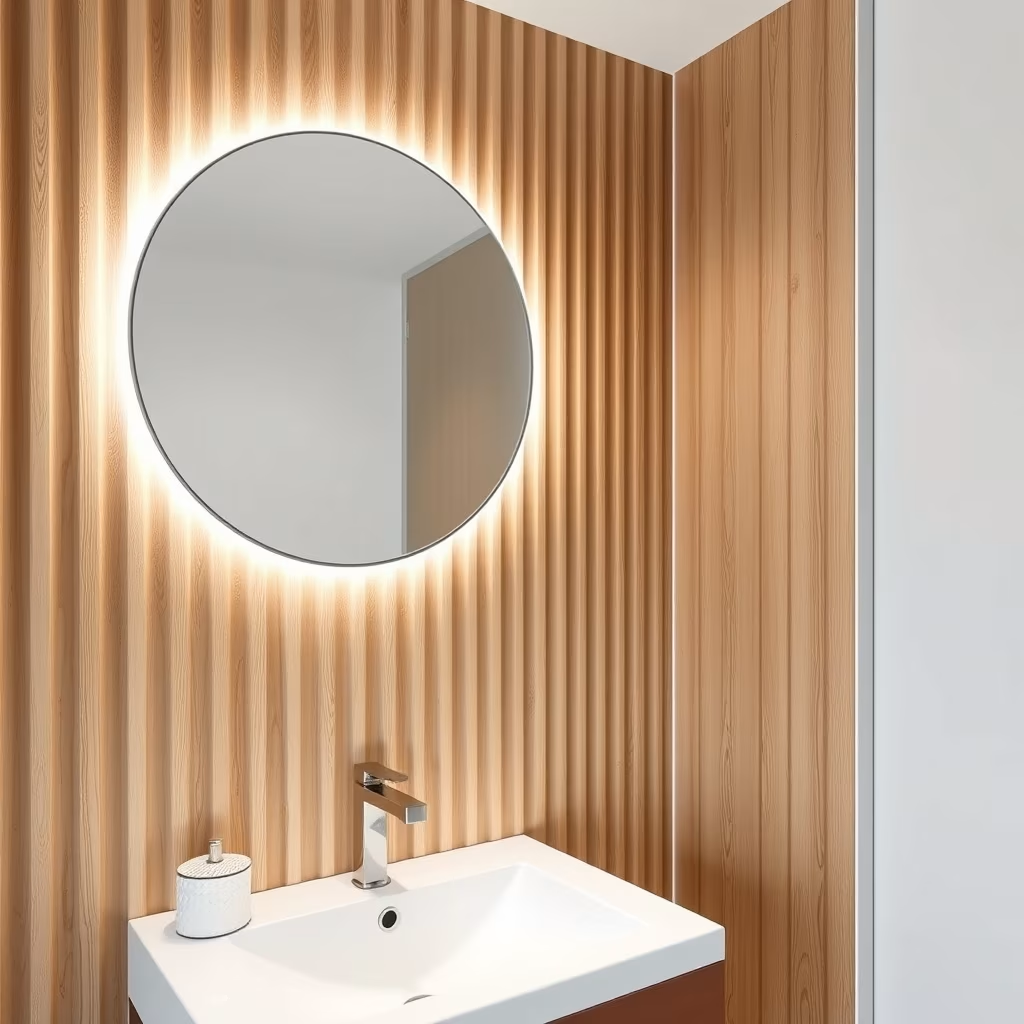
Incorporate Fluted Wood Panelling for Tactile Modernity
Sleek design does not mean cold or sterile, and adding texture is the easiest way to warm up a modern space. Fluted wood wall panels—often made of moisture-resistant white oak or painted MDF—introduce organic warmth and architectural interest behind a vanity or freestanding tub. This technique borrows heavily from contemporary Scandinavian and Japandi design movements, which prioritize natural textures.
When using wood in a humid bathroom, ensure the panels are thoroughly sealed with a marine-grade polyurethane or moisture-resistant lacquer to prevent warping. If solid wood is out of budget, high-density PVC fluted panels offer the exact same ribbed aesthetic at a fraction of the cost and with zero water-damage risk. Avoid placing raw wood directly inside the shower splash zone, keeping it to dry accent walls instead.
Design Tip: Pair vertical fluted wood with a round, backlit LED mirror to create a striking contrast between soft curves and linear textures.
Layer Ambient and Task Lighting to Eliminate Harsh Shadows
Bad bathroom lighting makes even the most expensive tile look cheap. A truly sleek bathroom relies on layered lighting: ambient overhead lights, task lighting around the mirror, and accent lighting in niches or under cabinets. Never rely on a single flush-mount boob light in the center of the ceiling, which casts unflattering downward shadows on your face.
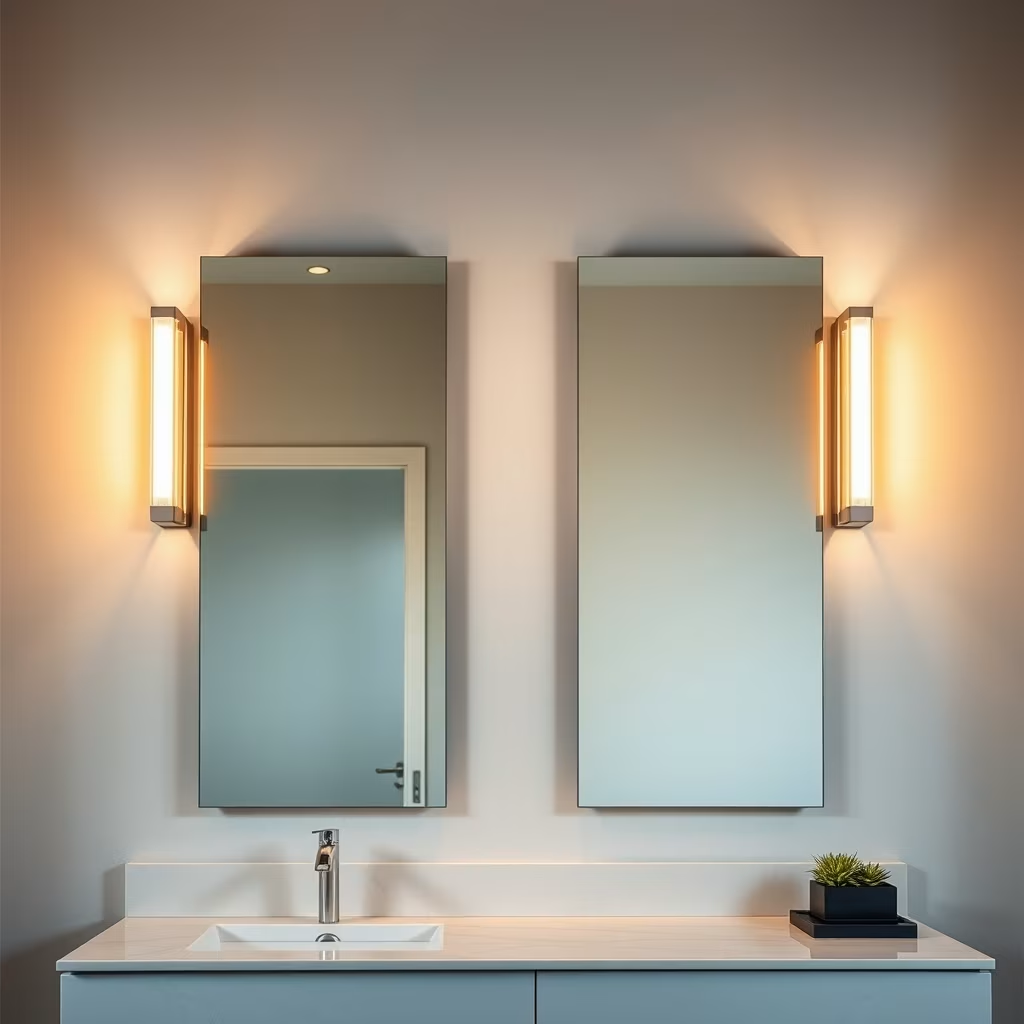
Instead, install vertical sconces on either side of your vanity mirror at eye level, which is the gold standard for flawless makeup application and shaving. Use warm LED bulbs sitting around 2700K to 3000K to keep the room feeling inviting rather than clinical. Dimmers are also essential so you can transition from bright morning routines to a moody, spa-like evening soak.
Design Tip: If your mirror space is too tight for side sconces, choose a backlit LED mirror that diffuses a soft, even halo of light around your face.
Opt for Matte Black or Brushed Brass Fixtures
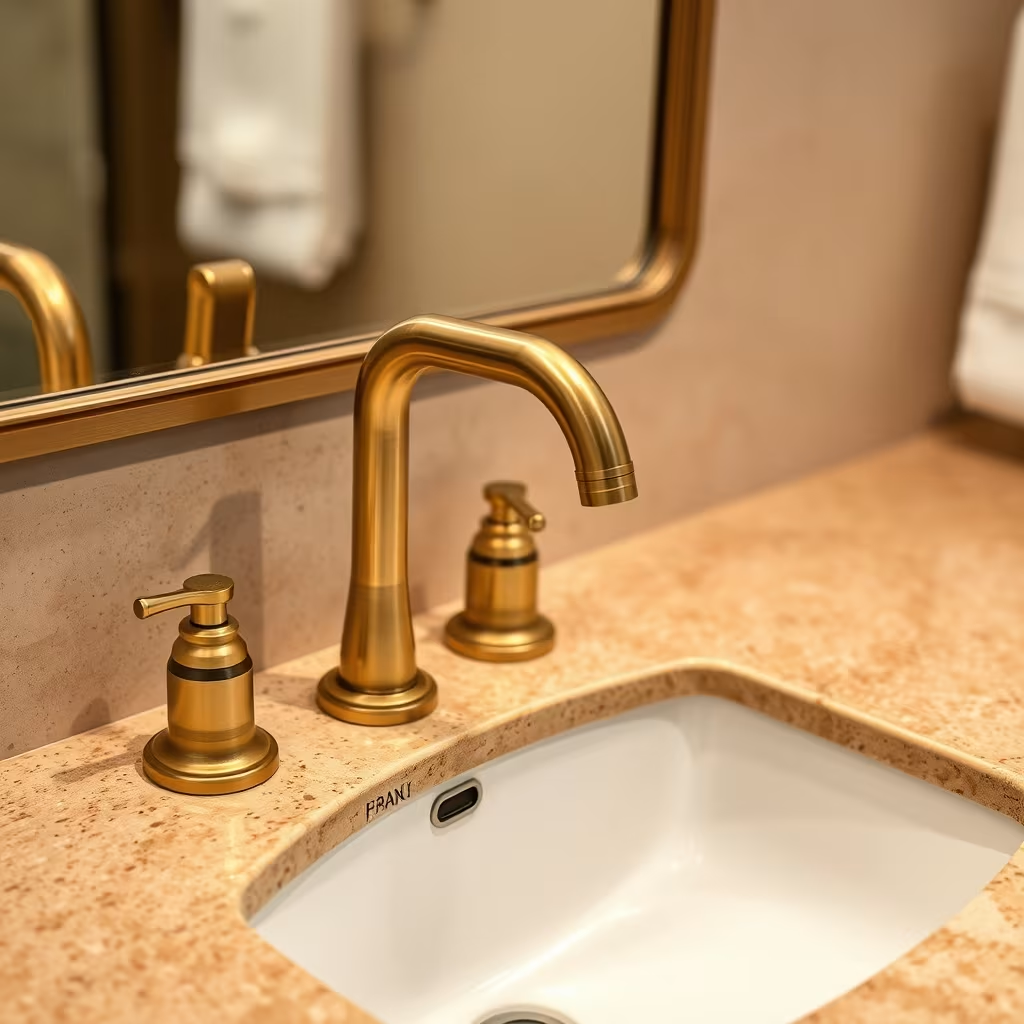
Swap out standard shiny chrome faucets for matte black or brushed brass hardware to instantly anchor your bathroom’s design style. Brushed brass brings a warm, understated luxury reminiscent of boutique hotels, while matte black adds a sharp, industrial edge that works brilliantly in modern minimalist spaces. When I upgraded my guest bath to brushed brass, it tied the entire room’s hardware, hinges, and lighting together cohesively.
Make sure to purchase all your fixtures—faucet, shower head, drawer pulls, and toilet paper holder—from the same brand and finish collection to avoid mismatched undertones. Chrome shows water spots and fingerprints relentlessly, whereas brushed finishes are remarkably forgiving for everyday family use. Be cautious with polished gold, which can easily slip into looking dated if not balanced with neutral, matte surroundings.
Design Tip: Stick to one main metal finish throughout the room; mixing too many metallic tones ruins the clean, minimalist look.
Create a Seamless Glass Walk-In Shower
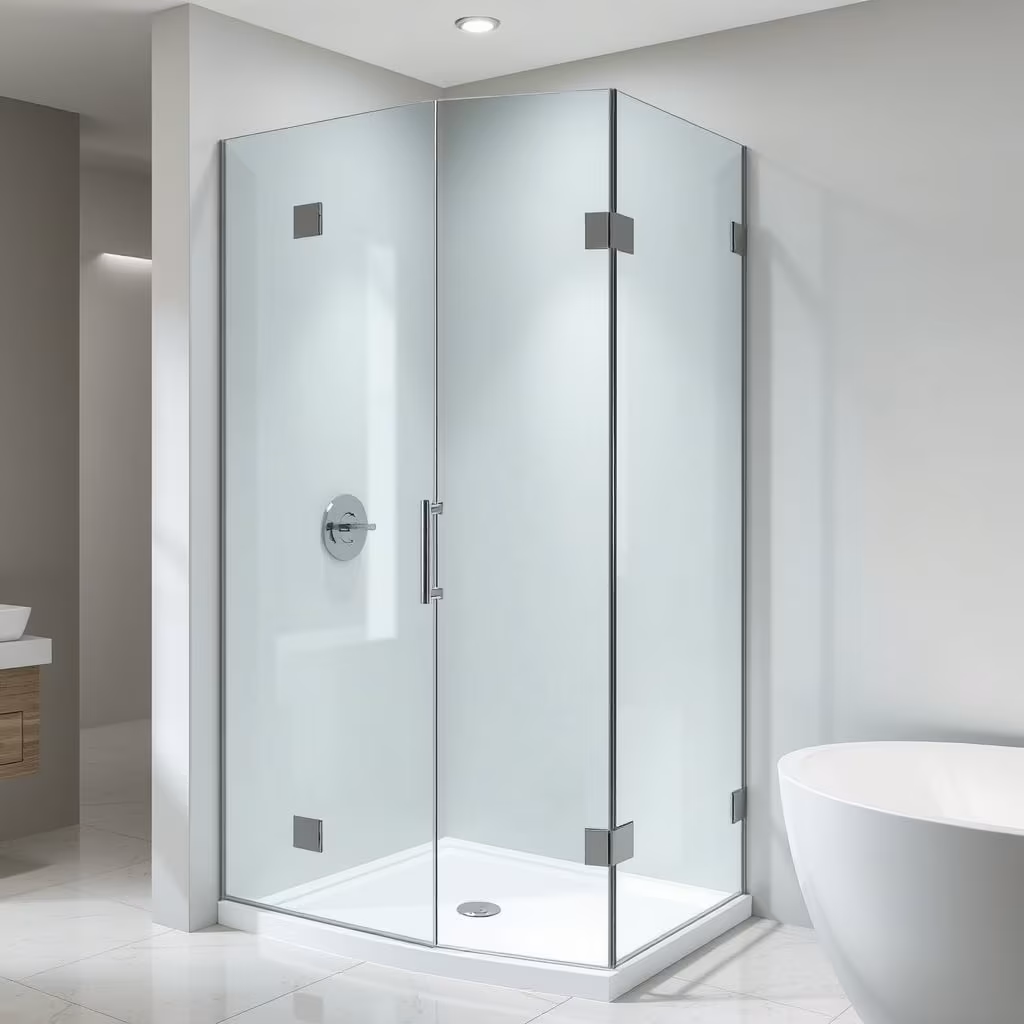
Frameless glass shower enclosures are a hallmark of sleek interior design because they remove visual barriers. By eliminating heavy metal frames and sliding tracks, your eye travels straight to the back wall of the shower, making the room feel infinitely more open. In compact bathrooms, a single stationary glass panel without a door works wonders to keep water contained while maintaining an open-concept feel.
Specify low-iron ultra-clear glass for your shower enclosure to eliminate the greenish tint found in standard glass, giving you a crystal-clear look. Treat the glass with a protective hydrophobic coating right after installation to prevent hard water stains and soap scum buildup. If privacy is a concern, apply a subtle frosted or reeded window film to the lower half of the glass.
Design Tip: Recess a long, waterproof shampoo niche into the shower wall and line it with accent tile to keep clutter off the floor.
Utilize Recessed Architectural Storage Solutions
Clutter is the absolute enemy of a sleek bathroom, but toiletries are a daily reality. The trick is hiding them inside recessed medicine cabinets, built-in linen towers, or shower niches rather than letting them clutter up your countertops. I always recommend building recessed storage directly between wall studs during a renovation to steal back precious inches in small rooms.
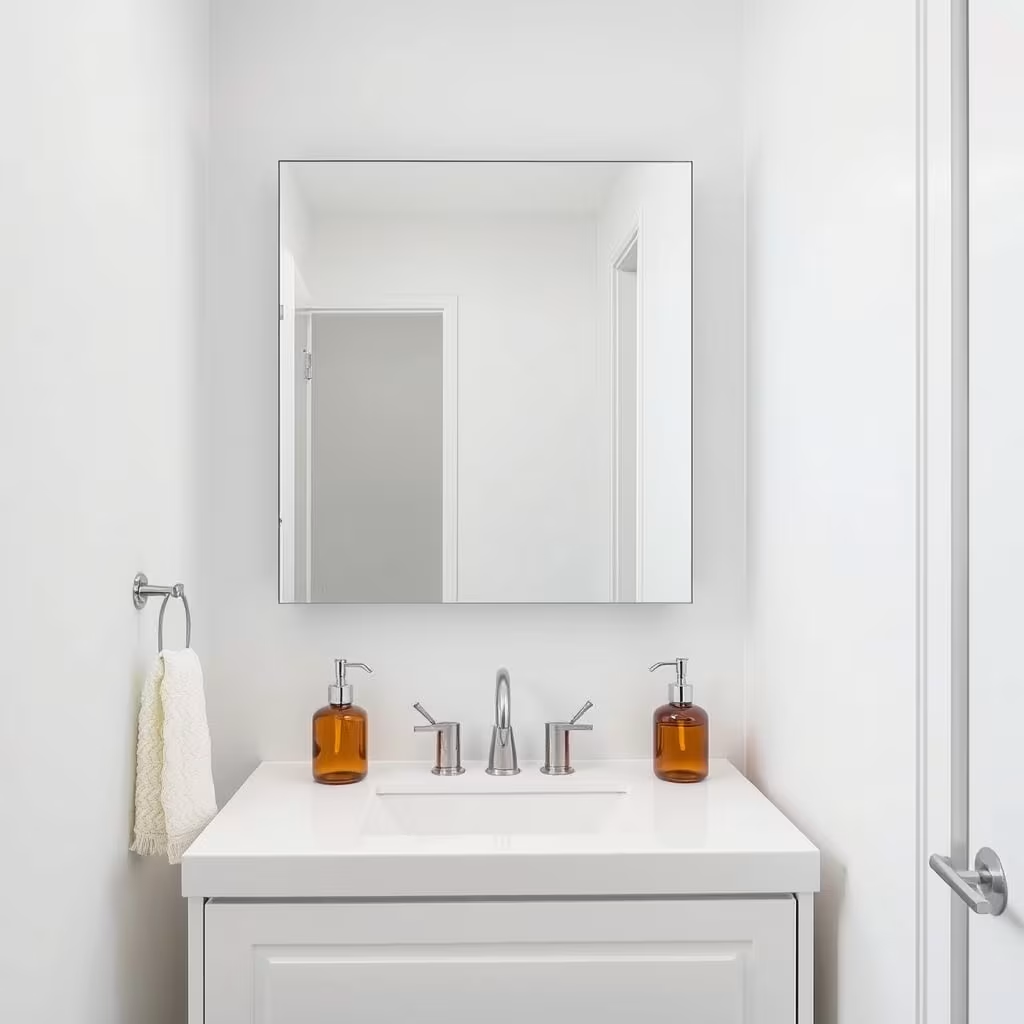
A mirrored medicine cabinet that sits flush into the wall provides hidden storage right where you need it without sacrificing elbow room. For a luxury touch, install electrical outlets inside the cabinet to keep electric toothbrushes and razors plugged in and hidden away. Avoid open wire shelving units that make products instantly visible unless you are styling them with matching amber glass soap dispensers.
Design Tip: Use matching decanted pump bottles for shampoo and soap to instantly eliminate visual noise on your shower shelves and sink edge.
Bring in Organic Greenery and Natural Stone Accents
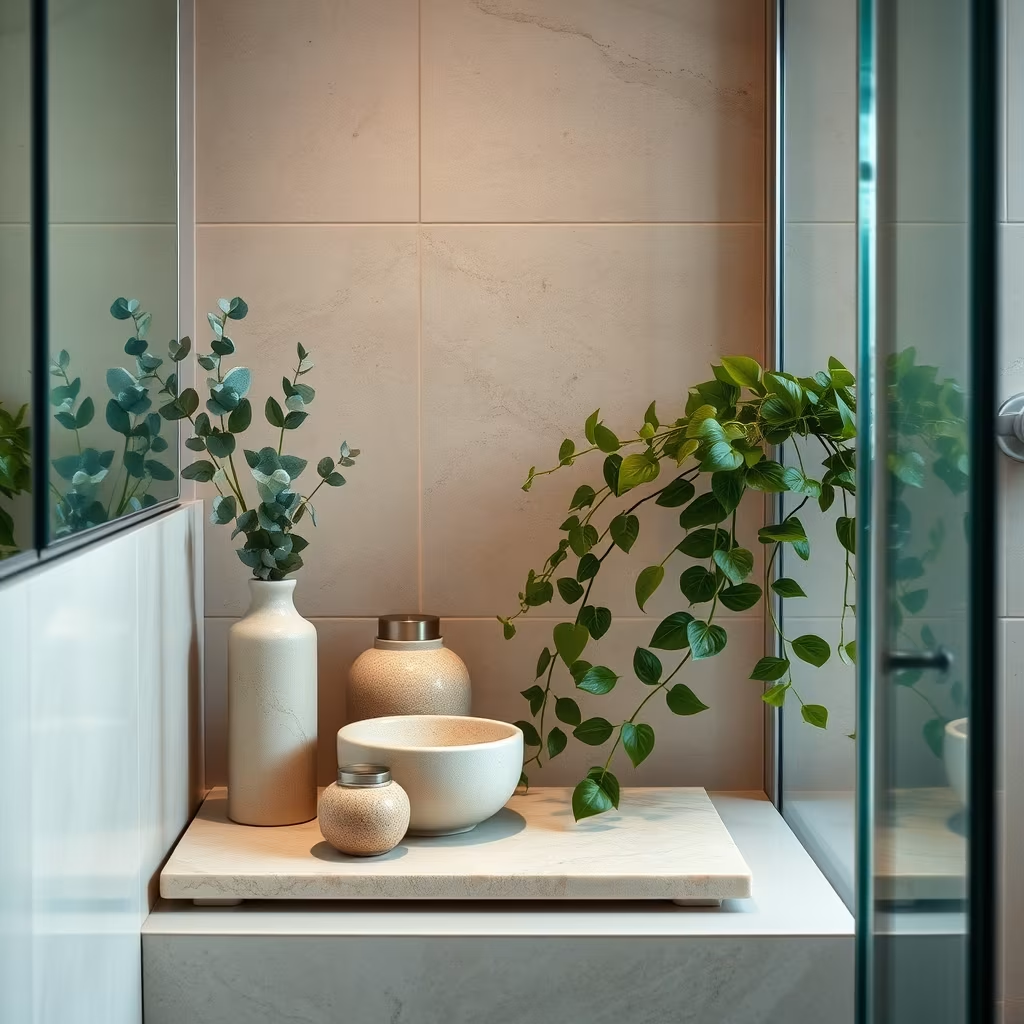
The final layer of a truly elevated bathroom is bringing the outdoors in through organic elements. Hard surfaces like tile, glass, and metal can feel cold, so pairing them with natural stone accessories, a travertine tray, or live greenery instantly softens the aesthetic. Plants like snake plants, pothos, and ZZ plants thrive in humid bathroom environments with minimal natural light.
Choose heavy travertine or marble soap dishes and tissue boxes instead of plastic alternatives to ground your vanity styling. If your bathroom lacks windows entirely, high-quality faux eucalyptus stems in a ceramic vase will give you that organic texture without needing sunlight to survive. Avoid cluttering your counters with too many decorative items—stick to one or two intentional functional pieces.
Design Tip: Hang a trailing pothos plant from a ceiling hook near the shower where it can soak up the humidity and grow lush.
Frequently Asked Questions
Q: What is the best color palette for a sleek bathroom?
A: Neutral, monochromatic palettes work best for sleek bathrooms. Think warm whites, greys, taupes, and muted earthy tones like clay or sage. Using tonal variations of the same color family keeps the space feeling calm, cohesive, and visually expansive.
Q: How can I make a tiny bathroom look more high-end on a budget?
A: Swap out builder-grade hardware (faucets, drawer pulls, lighting) for a cohesive finish like matte black or brushed brass. Pair this simple swap with a framed mirror, matching decanted soap bottles, and fresh towels to dramatically elevate the space for under $200.
Q: Are matte black faucets hard to keep clean?
A: High-quality matte black faucets are actually quite forgiving with water spots compared to polished chrome, but they can show soap residue if not wiped down occasionally. Simply clean them with a soft microfiber cloth and mild dish soap to preserve their finish.
Elevating your bathroom doesn’t require a gut renovation of every single surface. By focusing on intentional updates like large-format tiles, warm lighting, floating vanities, and cohesive hardware, you can create a luxurious, highly functional space that adds long-term value to your home. Start with one or two changes—like upgrading your lighting and mirrors—and build your dream sanctuary step by step.
Leave a Reply