
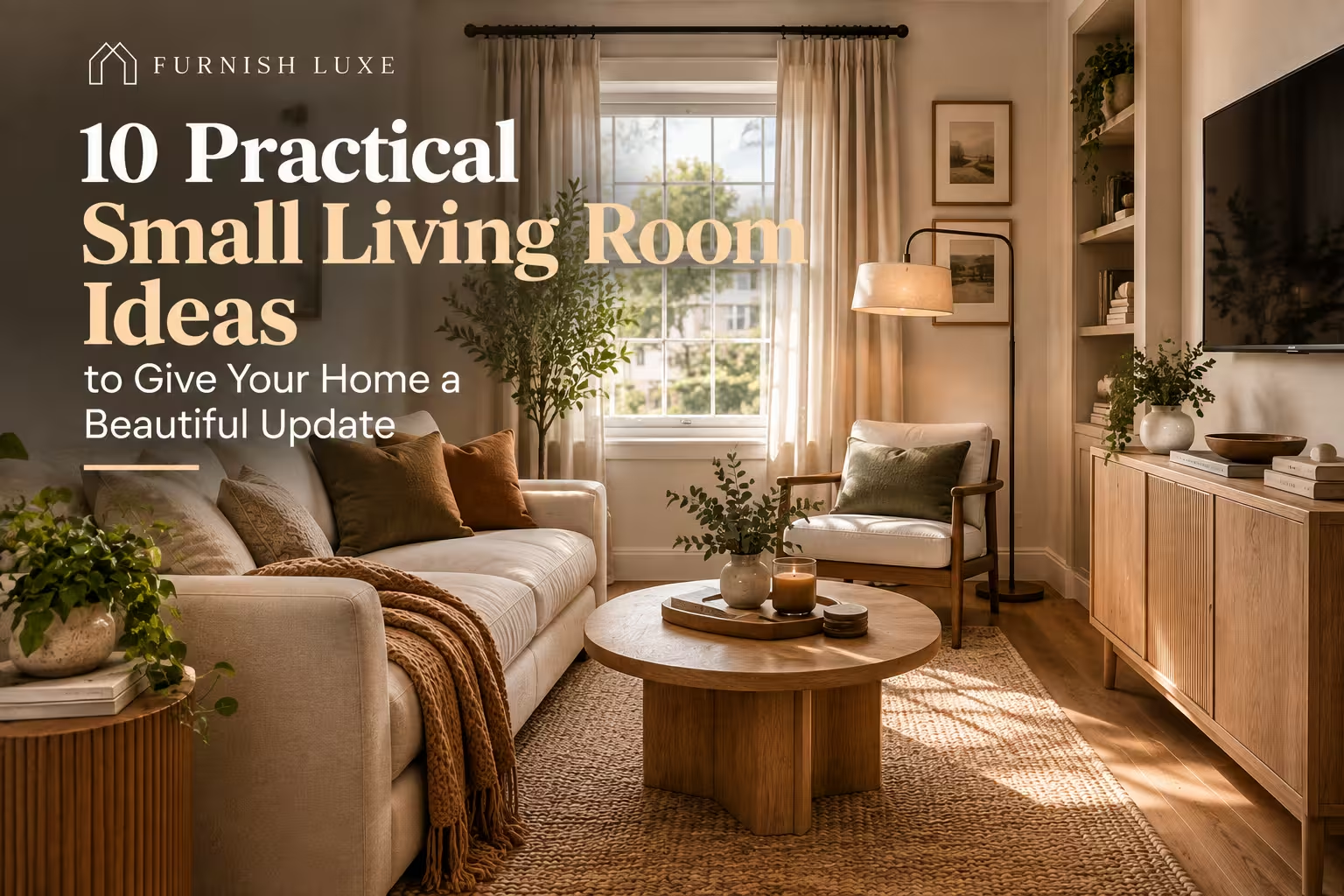
10 Practical Small Living Room Ideas to Give Your Home a Beautiful Update
Working with a compact living room doesn’t mean you have to sacrifice style or comfort. When I renovated my own 120-square-foot downtown apartment, I learned quickly that the right design choices can make a tiny footprint feel intentional and spacious rather than cramped. Whether you are renting and cannot touch the walls or looking for a complete layout overhaul, these practical strategies will give your home a gorgeous, functional update.
If you love the look of natural wood, explore our guide to 10 Striking White Oak Kitchen Cabinets Ideas for a Fresh New Look for more ways to create a warm and inviting kitchen.
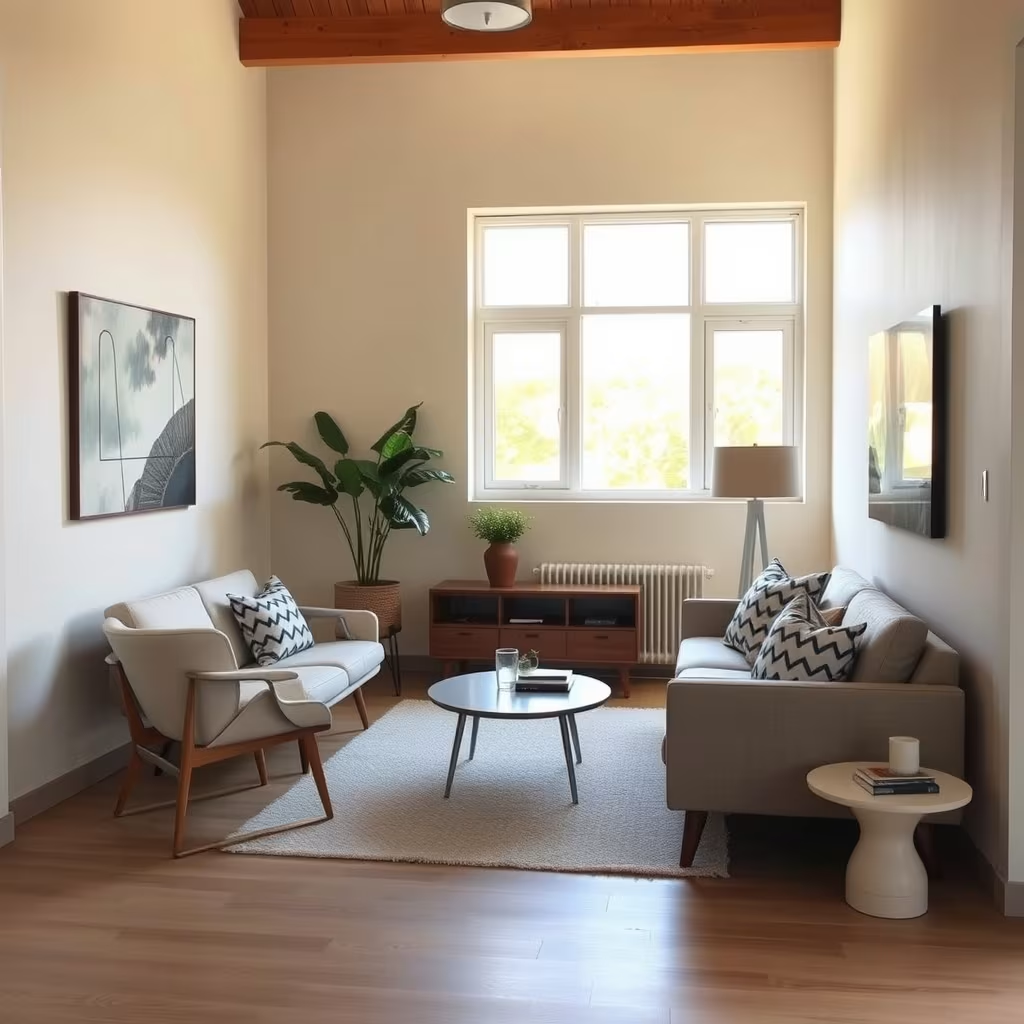
Choose Low-Profile Furniture to Keep Sightlines Open
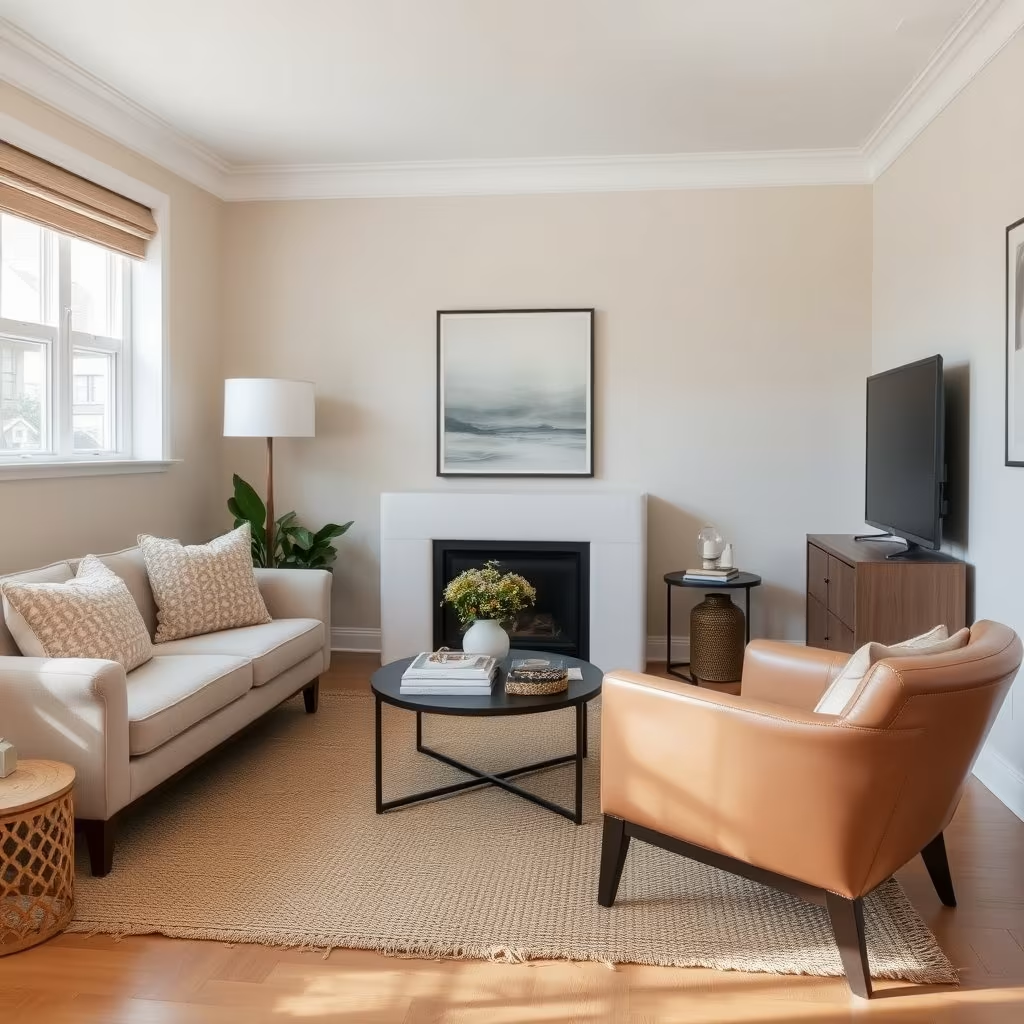
Tall, bulky furniture acts like a physical wall, chopping up your visual space and making a small room feel instantly smaller. When updating your living room, swap out heavy armchairs and deep sofas for low-profile pieces with exposed legs. Mid-century modern silhouettes are fantastic for this because they elevate the furniture off the floor, allowing light to pass underneath.
This trick works because it tricks the eye into seeing more square footage on the floor than actually exists. In my own small living room, switching to a sofa with slender wooden legs made the entire room feel twice as wide. If your budget is tight, look for vintage second-hand finds online where low-slung profiles are extremely common.
Actionable Tip: Avoid buying a sectional if your room is under 150 square feet. Opt for a sleek loveseat paired with a lightweight accent chair instead.
Hang Your Curtains High and Wide to Fake Tall Ceilings
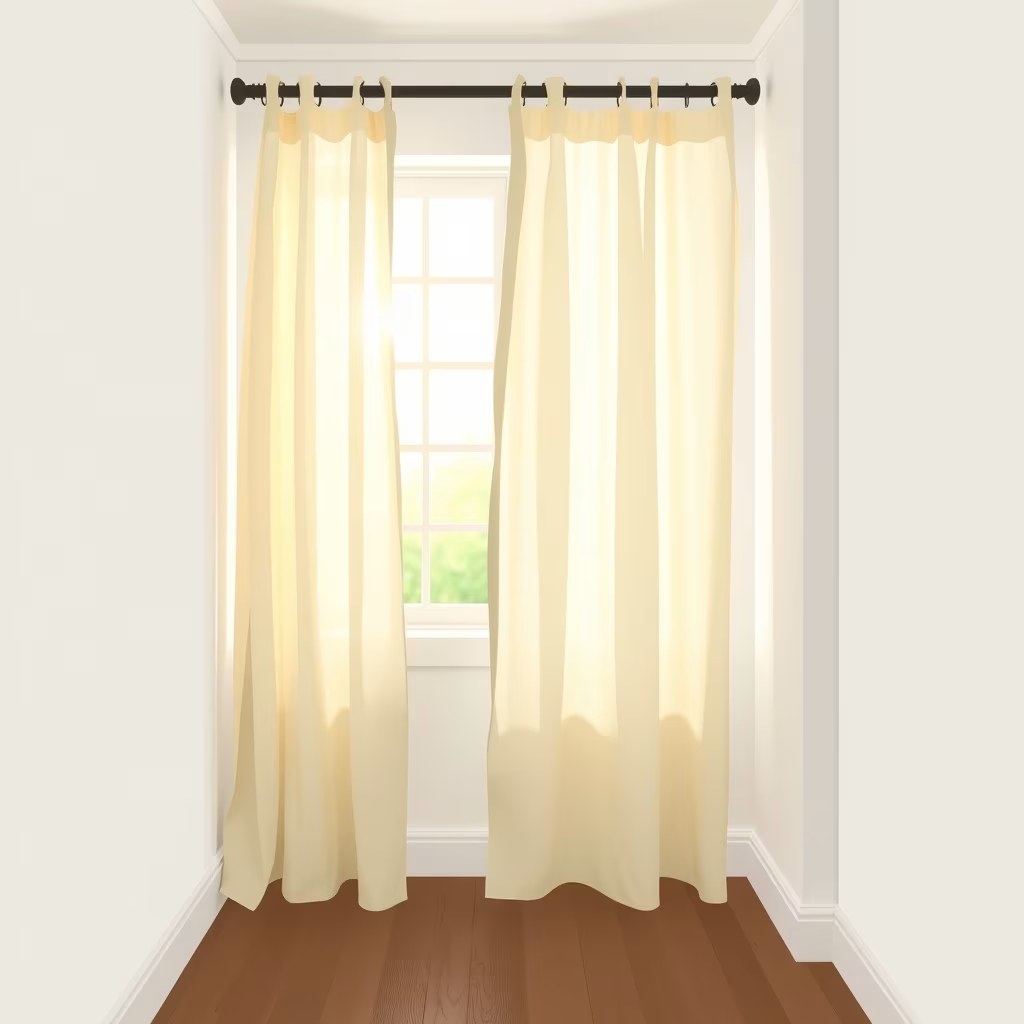
Hanging your window treatments right at the top of the window frame is one of the biggest layout mistakes you can make in a small space. Instead, mount your curtain rod just a few inches below the ceiling line and extend it at least six inches past the window frame on each side.
This simple styling trick draws the eye upward, creating the illusion of soaring ceilings and much larger windows. When the curtains are pulled back, the fabric covers the wall rather than blocking the glass, flooding your room with precious natural light. I always recommend lightweight linen or sheer cotton panels to keep the space feeling airy.
Actionable Tip: Purchase extra-long curtain panels and hem them yourself, or use iron-on hemming tape if you don’t own a sewing machine, to ensure the fabric barely grazes the floor.
Use Multi-Functional Furniture That Doubles as Hidden Storage
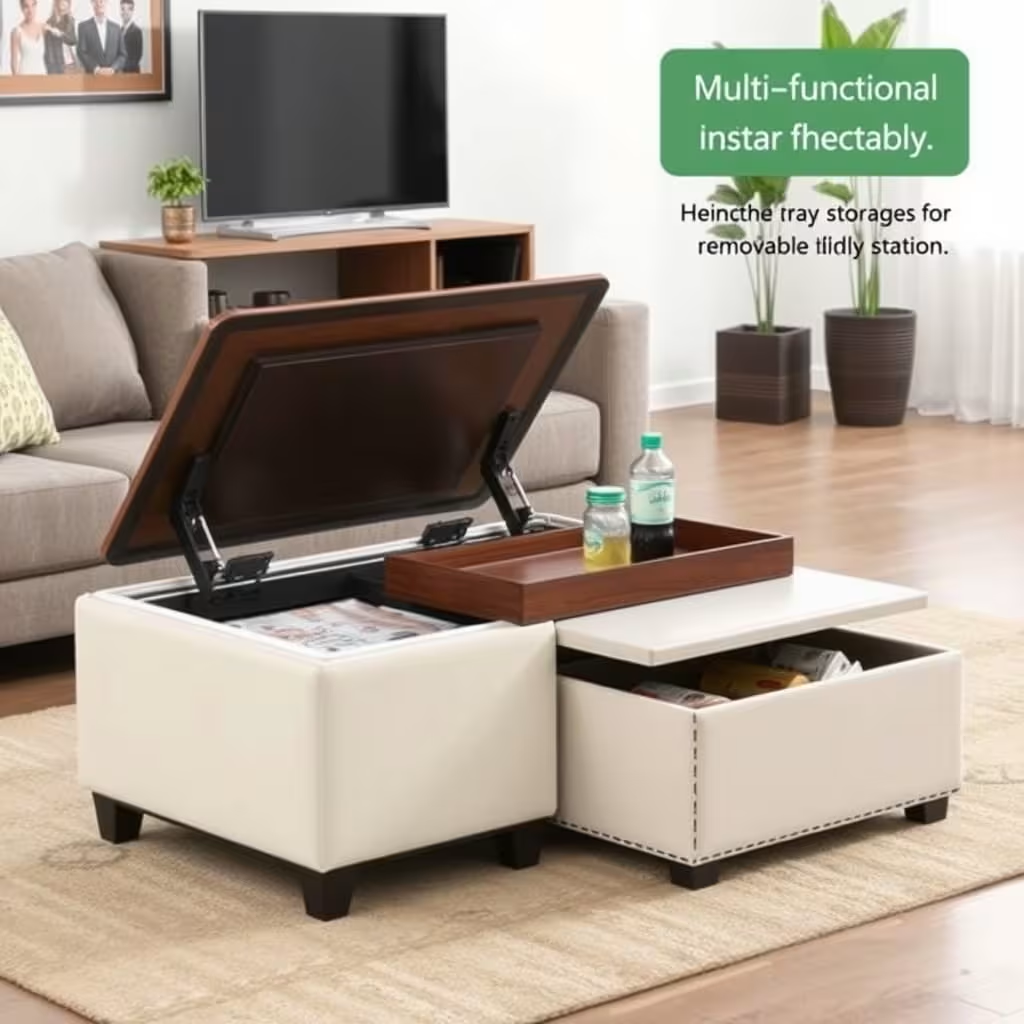
Clutter is the absolute enemy of a small living room. Every single item in a compact space needs to earn its keep, which is why multi-functional furniture is a non-negotiable investment for a room update.
Look for coffee tables with lift-tops or built-in lower shelves, storage ottomans that can double as extra seating when guests come over, or media consoles with closed cabinets. By keeping everyday items like phone chargers, extra throw blankets, and remotes hidden away, your surfaces stay clean and your room feels peaceful. When I staged my first small home sale, adding an upholstered storage bench instantly cleared the floor of runaway throw pillows.
Actionable Tip: If you are buying a storage ottoman, choose one with a removable tray top so it can function instantly as a stable surface for drinks.
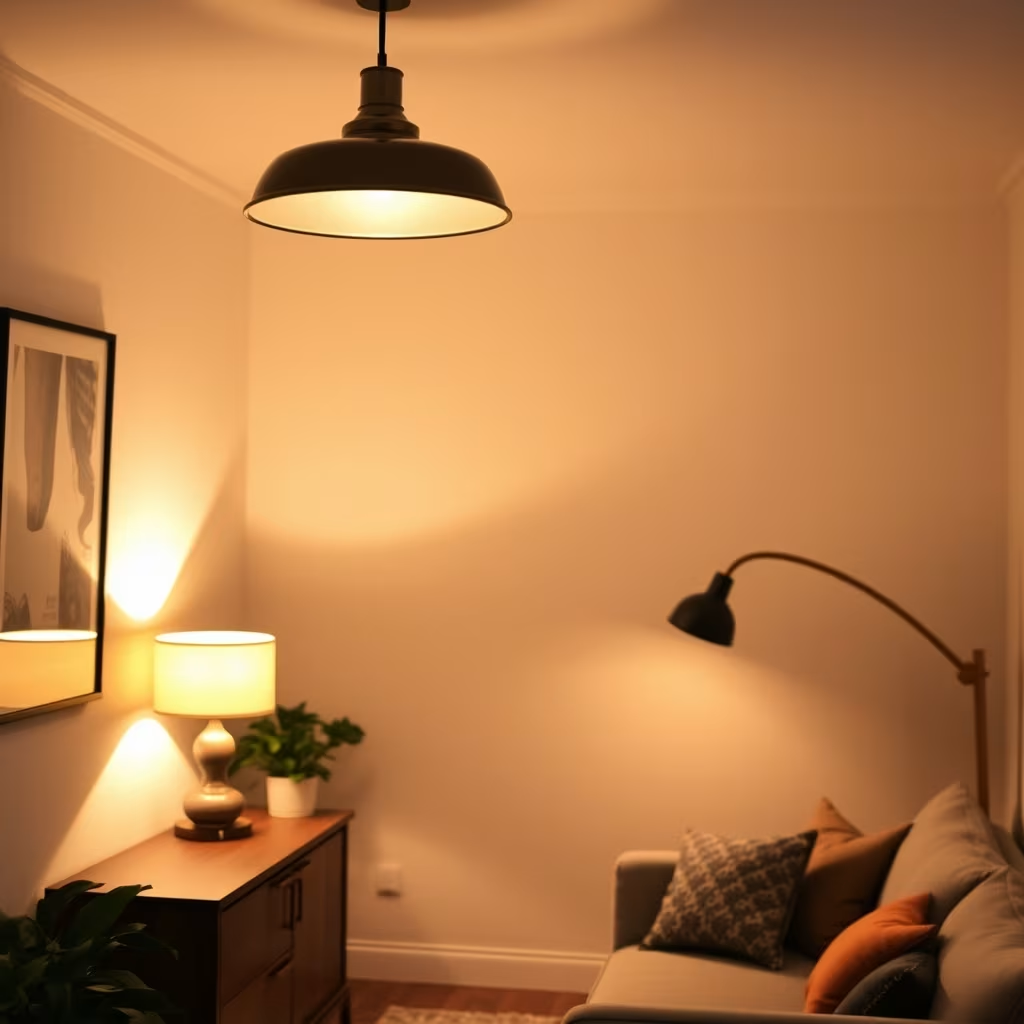
Layer Lighting Sources Instead of Relying on a Single Overhead Fixture
A single flush-mount ceiling light throws harsh shadows and flattens out a small room, making it feel sterile and boxy. To create warmth and depth, you need to build a layered lighting scheme using at least three different sources.
Combine your overhead light with eye-level table lamps on sideboards and a plug-in wall sconce or arc floor lamp in a dark corner. This technique, known by interior designers as ambient, task, and accent lighting, visually pushes the walls outward by eliminating dark shadows. I always use warm bulbs around 2700K because cool, clinical white light will make a small living room feel like a doctor’s office.
Actionable Tip: Install dimmer switches on your main lights or use smart bulbs so you can instantly dial down the brightness for a cozy, intimate evening atmosphere.
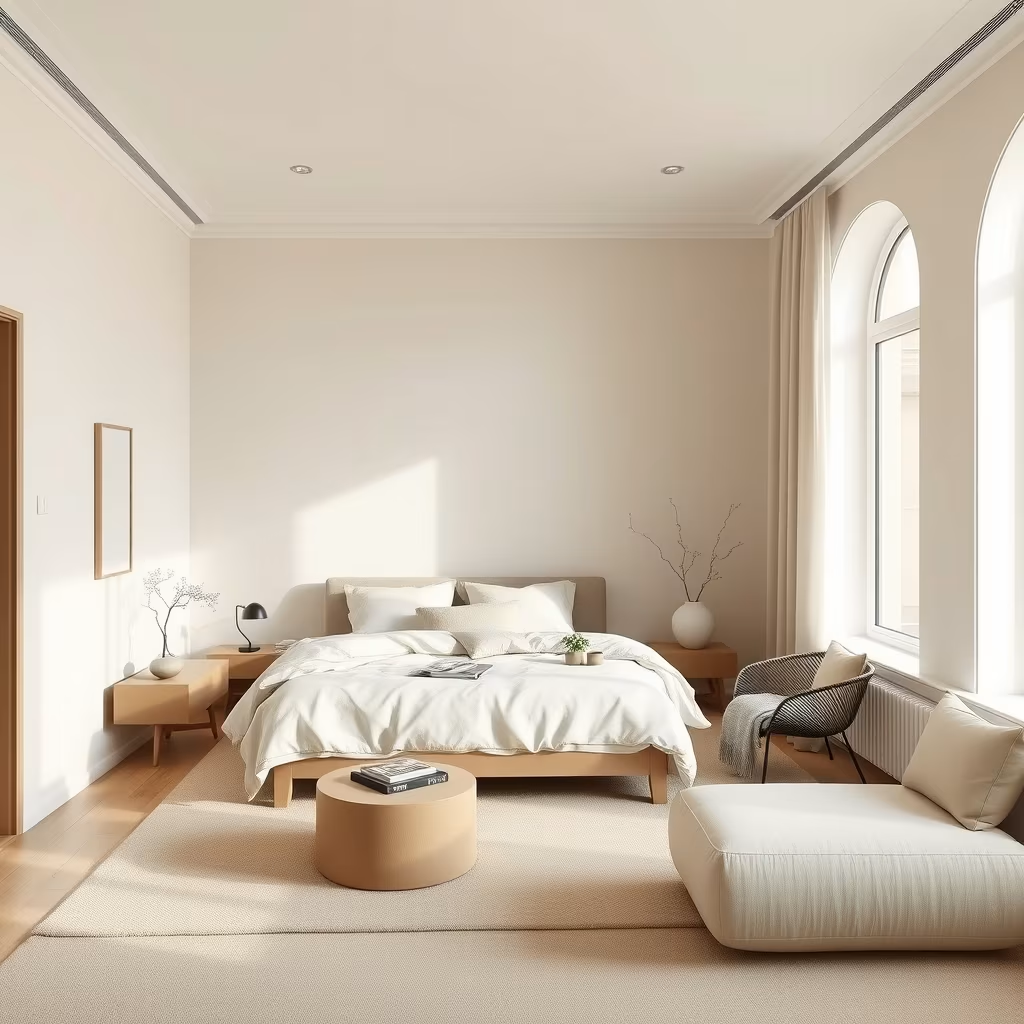
Embrace a Monochromatic Color Palette to Eliminate Visual Noise
When you have a lot of furniture and decor packed into a small area, high-contrast color schemes can easily overwhelm the senses. Sticking to a monochromatic or tonal color palette creates a seamless flow that makes the boundaries of the room blur away.
Layering shades of cream, beige, warm taupe, or soft greige adds incredible sophistication without making the room look busy. If you love color, you can still use this trick by picking one favorite tone—like sage green or terracotta—and using lighter and darker variations of it throughout your textiles and art. In my own small studio makeover, painting the walls, trim, and baseboards the exact same shade of warm off-white made the corners virtually disappear.
Actionable Tip: Introduce visual interest through texture rather than color by mixing bouclé pillows, a jute rug, and a smooth leather chair within your single color family.
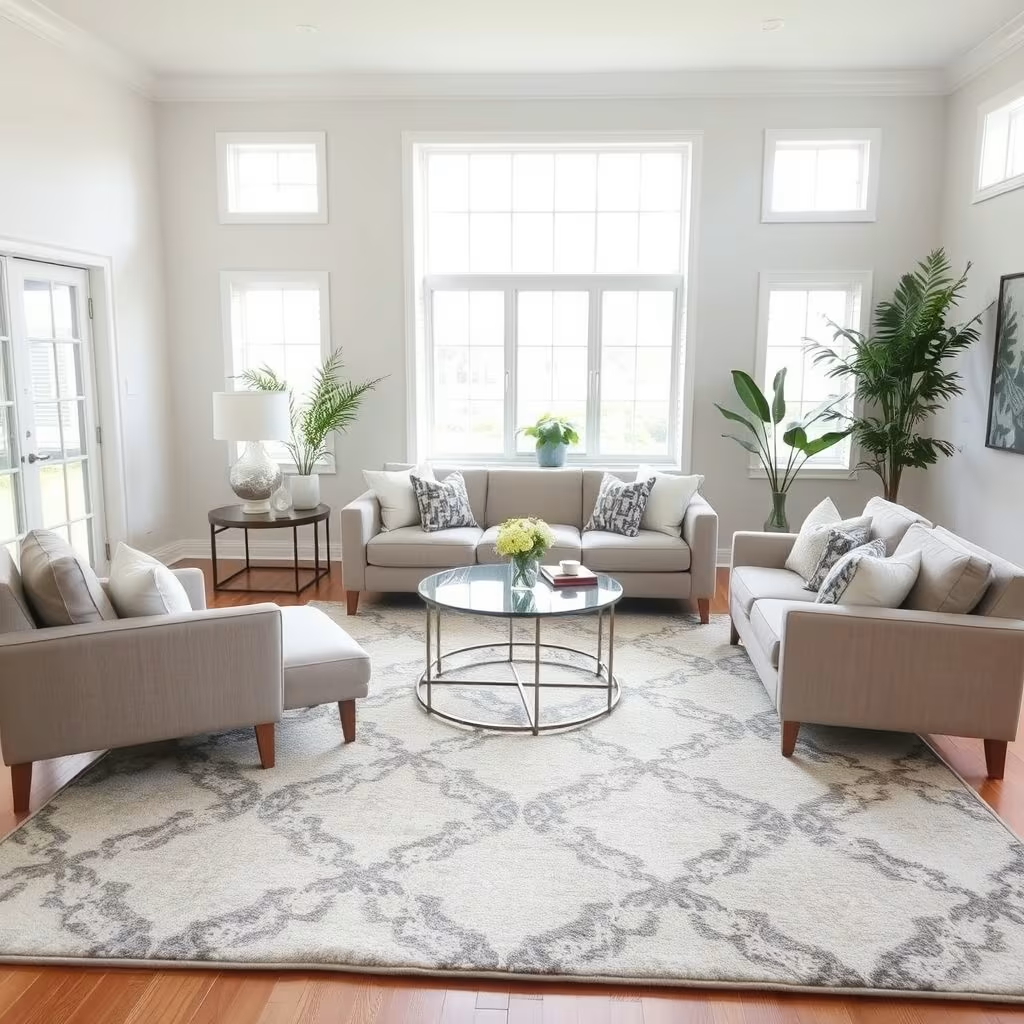
Anchor the Space with an Oversized Area Rug
One of the most common layout mistakes people make in small rooms is buying a rug that is far too small. A tiny postage-stamp rug floating in the middle of the floor actually emphasizes the lack of space and makes the room feel disjointed.
Instead, choose an area rug large enough for the front legs of all your main seating pieces to rest comfortably on top of it. This anchors the furniture arrangement and visually expands the boundaries of the floor plane. If you have wall-to-wall carpet, layering a smaller vintage-style rug on top can still define your seating zone beautifully.
Actionable Tip: Always tape out your rug dimensions on the floor with painter’s tape before buying to ensure the piece doesn’t block walking paths or closet doors.
Incorporate Strategic Mirrors to Bounce Light Around
Mirrors are the oldest trick in the interior design book for a reason: they genuinely work. Placing a large mirror opposite or perpendicular to your main window will instantly double the amount of natural light bouncing around your small living room.
Beyond brightness, a well-placed mirror creates the psychological illusion of a second window or an adjoining room, preventing that closed-in feeling. When I lived in a garden-level apartment with tiny windows, a massive arched floor mirror saved me from perpetual gloom. Avoid heavy, ornate gold frames if your style is modern; instead, pick sleek black metal or frameless designs to keep things feeling light.
Actionable Tip: If your rental lease prohibits hanging heavy items on drywall, lean a tall mirror securely against the wall with anti-tip hardware for a chic, effortless look.
Edit Your Accessories Using the Less-Is-More Rule
It is very easy for a small living room to transition from cozy to cluttered in a matter of weeks. When updating your space, ruthlessly edit down your decorative objects, picture frames, and plant collection.
Instead of displaying twenty small trinkets across every available surface, group items in odd numbers and choose a few larger statement pieces. This simple styling discipline gives the human eye natural resting places, which is crucial for making a compact room feel calm and expensive. During my last styling project, clearing away half the shelf decor made the remaining pieces stand out like curated gallery items.
Actionable Tip: Adopt a “one in, one out” rule for decor accessories so your small living room never accumulates an overwhelming amount of clutter again.
Frequently Asked Questions
Q: Does painting a small living room dark make it look smaller?
A: Not necessarily. While light colors reflect more light, rich dark shades like charcoal gray, navy, or deep olive can blur the corners of a room, creating a cozy, enveloping jewel-box effect. However, avoid dark paint in rooms with zero natural light unless you want to lean heavily into a moody, dramatic aesthetic.
Q: What is the best rug size for a small living room?
A: For most compact spaces, an 5×8 or 8×10 foot rug is ideal. You want at least the front legs of your sofa and armchairs to sit on the rug to anchor the furniture grouping and make the room feel cohesive.
Q: How do I arrange furniture in a narrow living room?
A: Pull your seating slightly away from the walls rather than pushing everything to the perimeter, which can actually make a narrow room look like a bowling alley. Float a loveseat in the center with a narrow accent chair, and use a round coffee table to soften harsh straight lines.
Updating a small living room is all about making intentional choices that maximize every square inch without sacrificing your personal style. By keeping your furniture low, embracing multi-functional storage, and layering your lighting, you can transform even the tightest space into your favorite room in the house. Start with just one or two of these ideas this weekend and watch your home completely transform.
Leave a Reply