
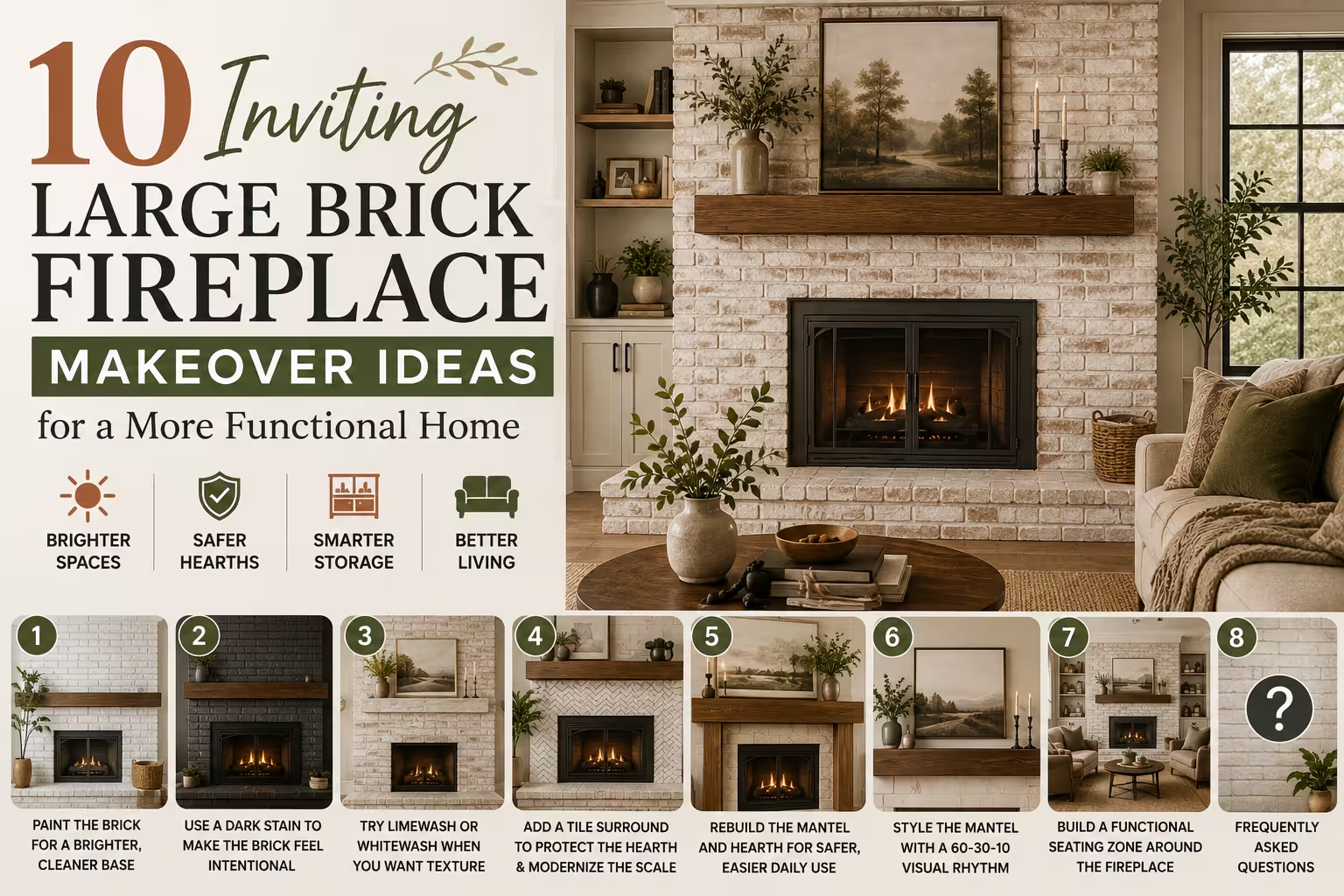
10 Inviting Large Brick Fireplace Makeover Ideas for a More Functional Home
A large brick fireplace can make a room feel welcoming, but it can also dominate the space when the color, scale, or surrounding furniture feels outdated. These eight makeover ideas focus on changes that improve light, safety, storage, and everyday use—not just a fresh coat of paint. You’ll get specific color directions, material choices, and small adjustments that work in both open-plan homes and compact living rooms.
If you’re looking for more ways to refresh your hearth, check out our 10 Striking Gold Fireplace Makeover Ideas to Bring Your Vision to Life for elegant and stylish inspiration.
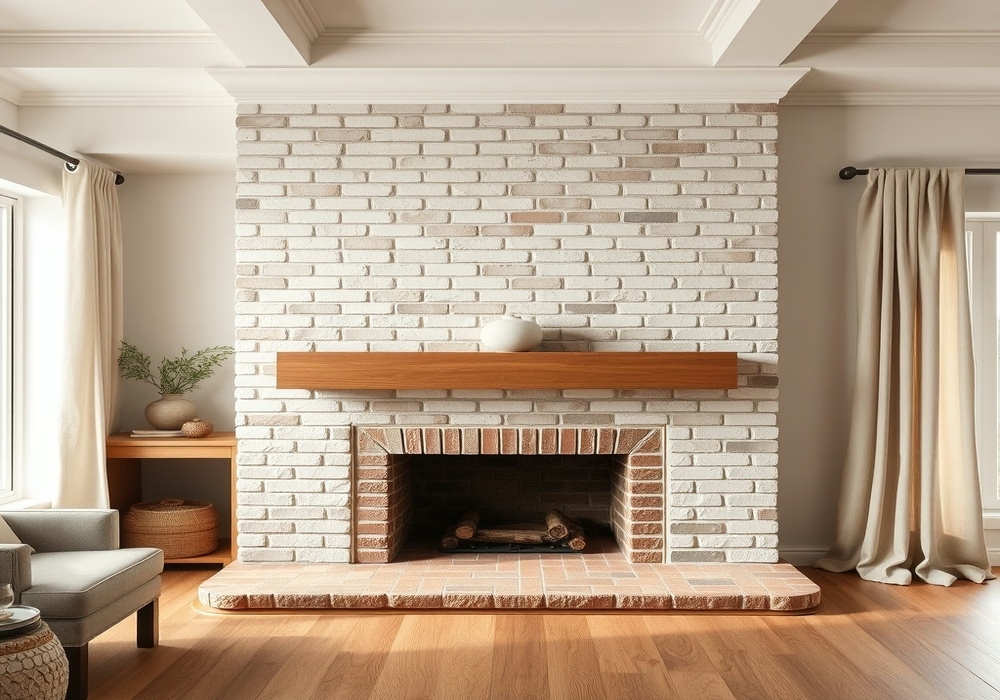
1. Paint the brick for a brighter, cleaner base
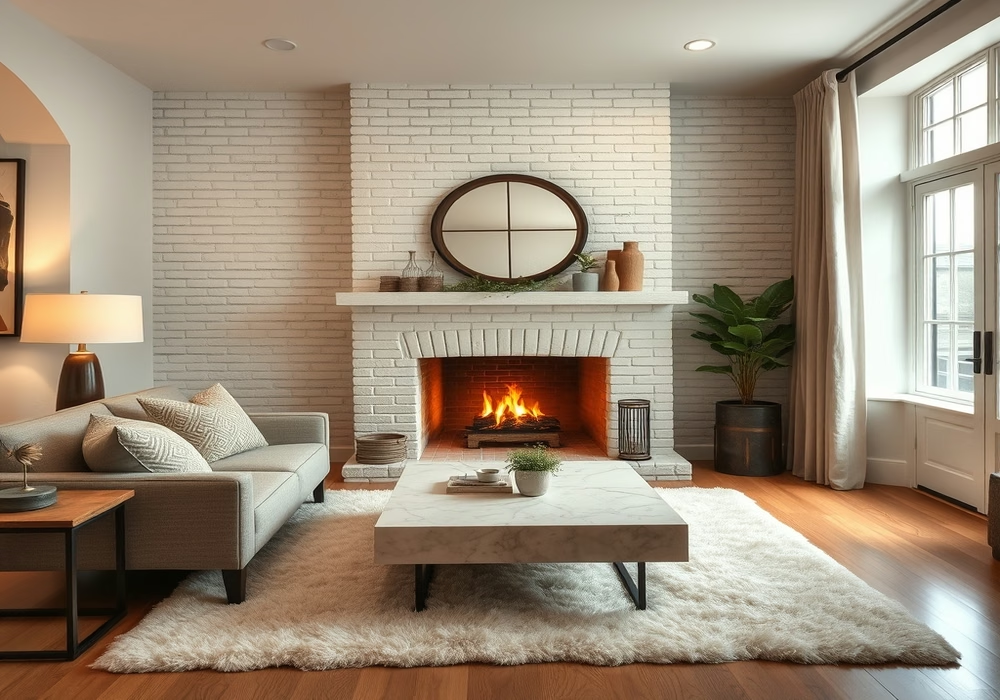
Paint the brick in a warm off-white such as Benjamin Moore Swiss Coffee, Sherwin-Williams Alabaster, or a soft greige. Use a masonry primer first, then apply two thin coats of matte paint so the brick texture remains visible. A pale neutral keeps the fireplace from feeling heavy, especially in a room with limited natural light.
This works because lighter colors reflect light and reduce the visual weight of a wide masonry surround. It also gives newer furniture more room to breathe. I’ve seen a warm white do more for a tired brick hearth than a bold accent wall.
Practical tip: Test a sample on an inconspicuous patch before painting the whole wall. If you rent, choose a washable masonry paint and avoid covering every brick face; leaving a little original texture can make the change feel intentional.
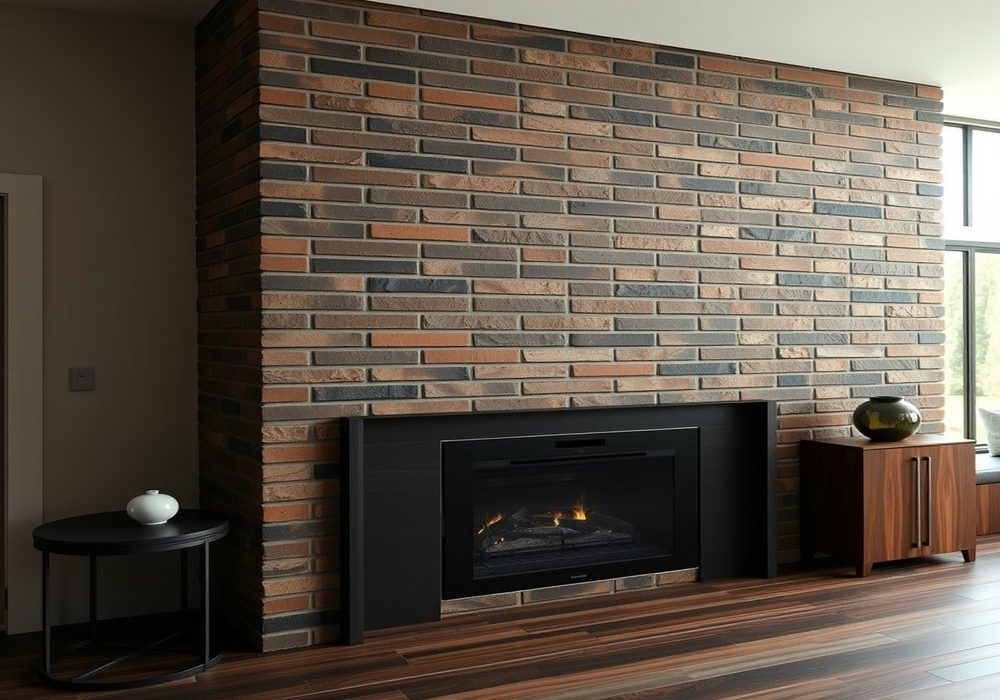
2. Use a dark stain to make the brick feel intentional
A translucent stain in espresso, walnut, or charcoal can turn orange-red brick into a deliberate feature. Unlike opaque paint, stain lets the brick’s pores and uneven color show through. Pair it with black iron, smoked glass, or dark walnut furniture for a grounded, modern look.
The deeper color creates a strong focal point without adding another material. It works especially well in rooms with neutral walls, leather seating, or mid-century modern pieces. In a small, dark room, though, a full-black finish can make the fireplace feel like a hole in the wall.
Practical tip: Choose a water-based stain and apply it with a brush or rag in the direction of the mortar lines. I’d use a deep brown-gray rather than true black when the room already has dark wood or low ceilings.
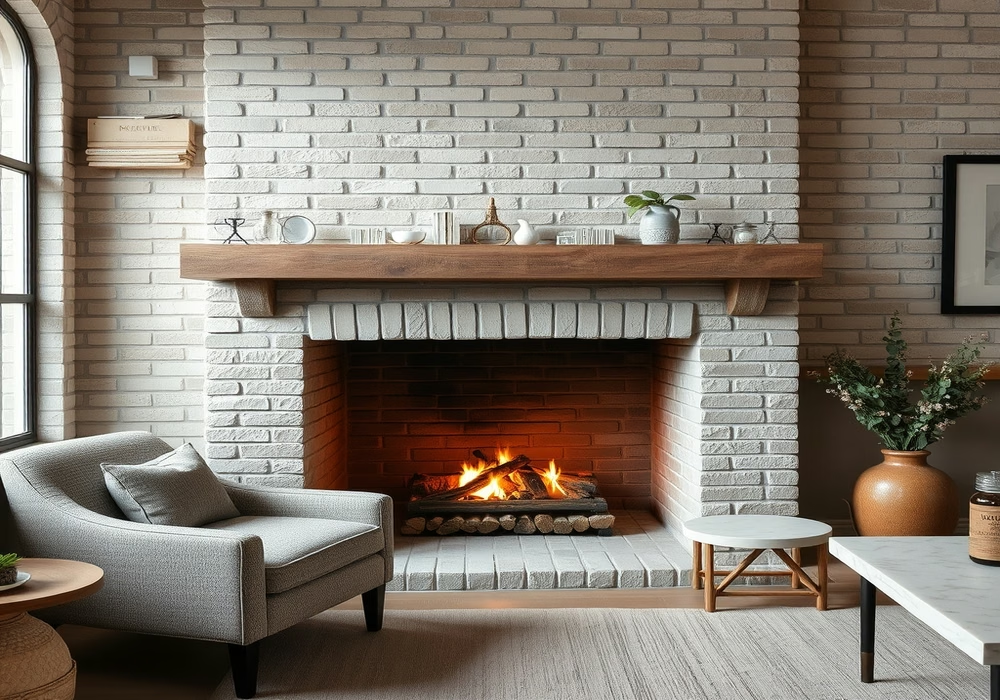
3. Try limewash or whitewash when you want texture
Limewash or whitewash is a good choice when you like the idea of painted brick but want a softer, more handmade finish. Look for chalky white, pale bone, or a diluted limewash with slight gray undertones. The finish will vary from brick to brick, which suits Mediterranean, French country, and rustic modern interiors.
This technique works because the porous layer catches light differently across the surface. It hides inconsistent red tones without making the brick look flat. I like it when the brick has character but the color is too warm for the rest of the room.
Practical tip: Use a pre-mixed limewash for a simpler DIY project, and apply it with a stiff brush in thin, uneven passes. If you need something easier to remove, use a washable whitewash paint instead of true limewash.
4. Add a tile surround to protect the hearth and modernize the scale
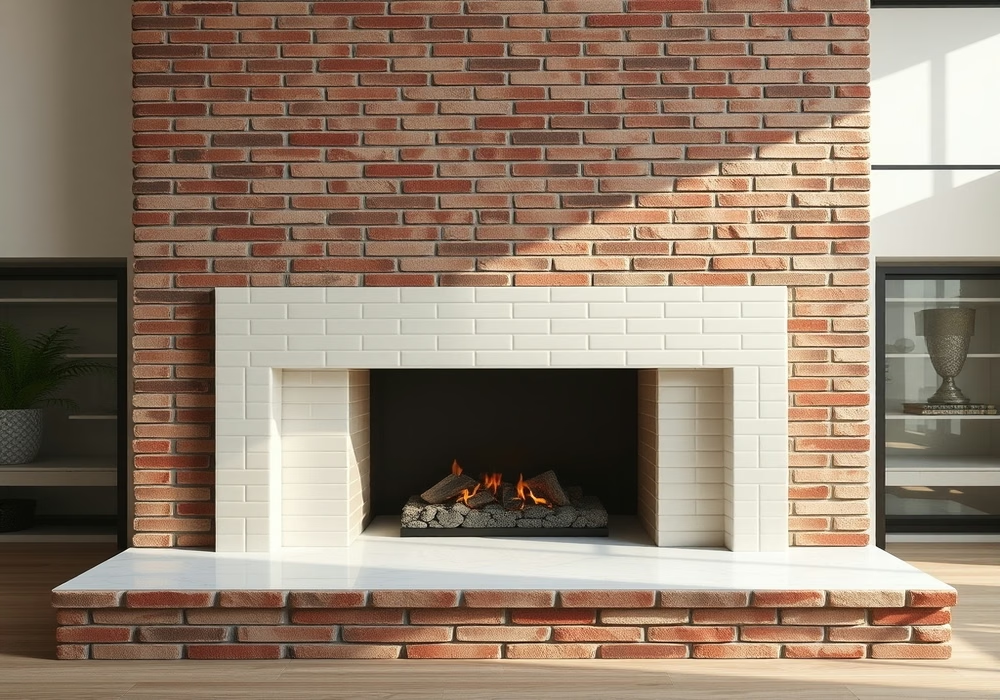
A tile surround can refresh a large brick fireplace without removing the masonry. Classic white subway tile, textured zellige, or marble-look porcelain in cream or soft gray adds a clean border around the firebox. Tile also protects the surrounding brick from soot, scratches, and frequent contact.
The horizontal lines of tile help balance a tall or oversized fireplace. A narrow surround often makes the whole wall feel more measured than wrapping the entire brick face. Choose heat-resistant mortar and follow the fireplace manufacturer’s clearance requirements.
Practical tip: Don’t tile over loose mortar, dust, or soot; clean and repair the surface first. If the room is small, use a simple rectangular tile rather than a busy pattern that competes with the brick.
5. Rebuild the mantel and hearth for safer, easier daily use
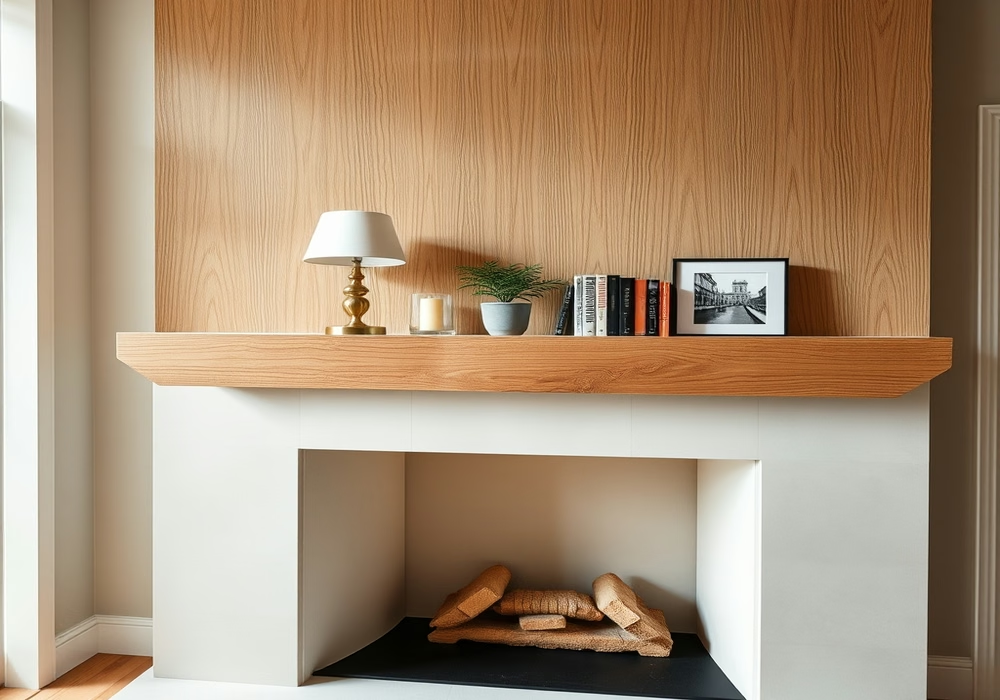
A new mantel shelf can make a large brick fireplace feel more finished. Extend the shelf about 2 to 3 inches beyond the surround, and choose a depth that can hold lamps, books, and a small plant. For the hearth, consider a rounded-edge protector or a low-profile hearth pad in leather, wool, or textured fabric.
A properly sized mantel gives the fireplace a clear top line and a useful surface. It also helps keep objects away from the firebox. I always measure the opening before buying a shelf; a mantel that looks right in a catalog may be too close to the heat source.
Practical tip: Check the manufacturer’s clearance chart and local code before placing combustible decor. Keep candles, paper, and dried greenery well back from the opening.
6. Style the mantel with a 60-30-10 visual rhythm
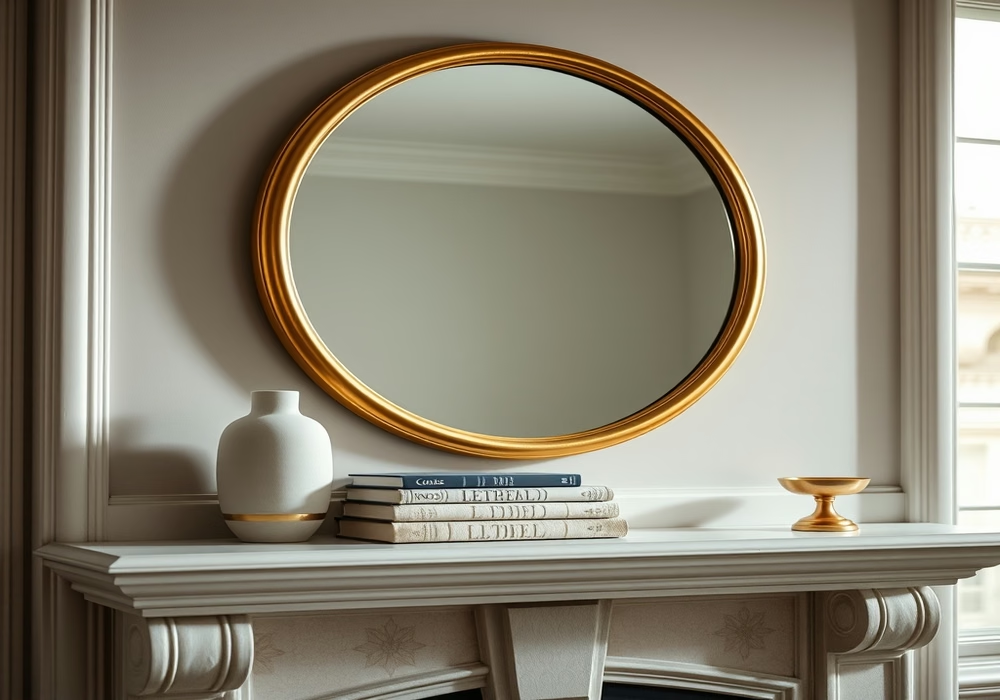
Use the 60-30-10 rule to keep a wide mantel from looking crowded. Let one large mirror, piece of art, or framed photograph take up about 60% of the visual space. Add a secondary object, such as a stack of books or a ceramic vase, for roughly 30%, then use one small accent for the final 10%.
This works because the eye needs a clear hierarchy. A single large object feels calmer than five small frames on a broad brick wall. It also leaves enough negative space for the texture of the brick to show.
Practical tip: Hang art 4 to 6 inches above the mantel and keep the tallest object below the top of the frame. I’d rather use one oversized piece than fill the shelf with tiny knickknacks.
7. Build a functional seating zone around the fireplace
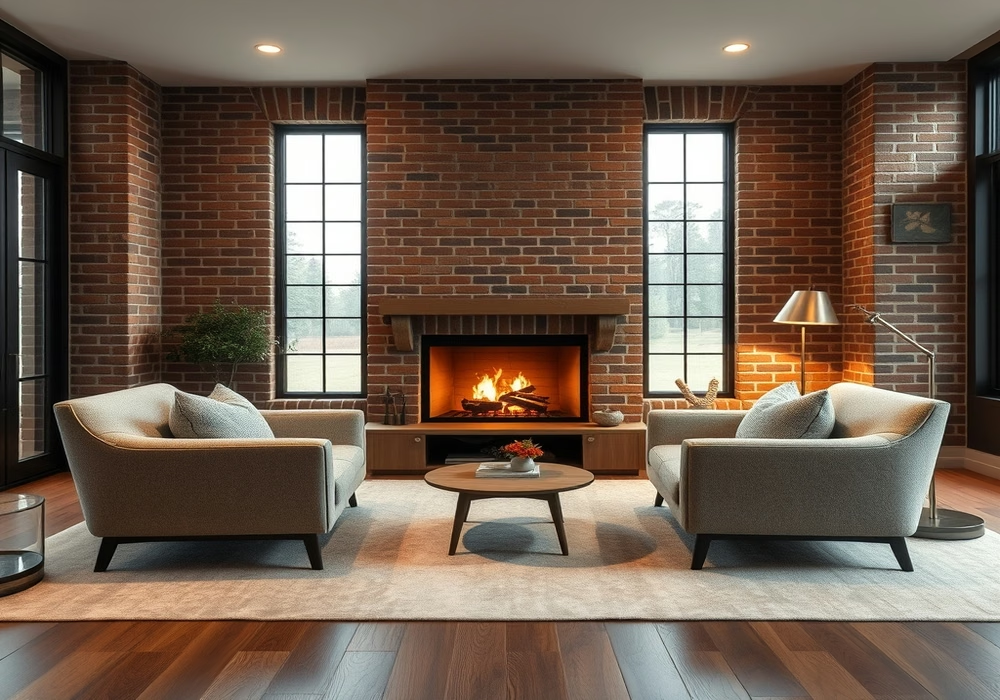
Make the fireplace useful by arranging seating that supports conversation, reading, and storage. Try a low media console on one side, a bench with hidden storage on the other, or a pair of compact armchairs angled toward the fire. Add a warm 2700K floor lamp and an 8-by-10 wool or linen rug to anchor the group.
This works because the fireplace becomes a gathering point instead of a decorative obstacle. Low furniture keeps sightlines open, while layered lighting makes the area comfortable after dark. A rug also defines the zone in an open-plan room.
Practical tip: Leave about 30 inches of walking space around the seating group and keep the rug within the furniture layout. I like a low cabinet on one side because it reduces clutter without blocking the fire.
Frequently Asked Questions
Q: Can I paint brick in a small room?
A: Yes. Choose a warm light color, use a masonry primer, and test a sample first so the brick does not look yellow or gray under your lighting.
Q: Is limewash durable on brick?
A: Limewash is breathable and easy to refresh, but it can chalk over time. Use a pre-mixed product and avoid sealing it unless the fireplace sees heavy contact.
Q: How much clearance should I leave around a brick fireplace?
A: Follow the fireplace manufacturer’s clearance chart and local code. Generic measurements can be unsafe because fireboxes and mantels vary.
Q: What is the cheapest brick fireplace makeover?
A: Clean the brick, paint a small sample, rearrange the seating, and add one good lamp. Those changes improve function before you spend money on tile or custom millwork.
Next step: Choose the one change that solves your biggest problem—too much color, poor storage, weak lighting, or an awkward furniture layout. Start with a sample, measure the fireplace, and build from there.
Leave a Reply